MiniMax-AI/skills: The Engineering Spine for Agentic Coding
Moving beyond the expert persona toward a repository of structured constraints, mathematical recipes, and multimodal execution sidecars.
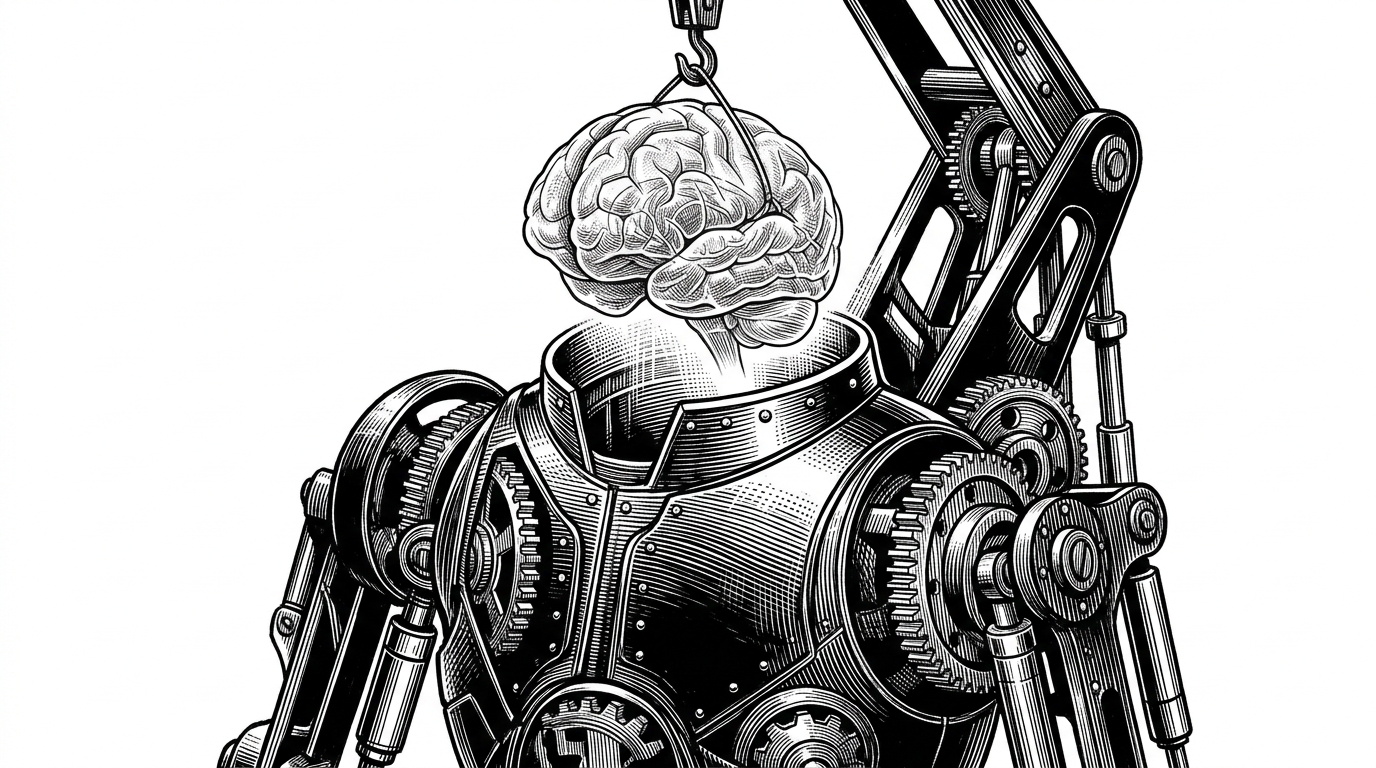
- MiniMax-AI/skills replaces open-ended prompting with a constraint-first architecture that forces models to follow rigid validation checklists.
- Local Python sidecars allow agents to execute complex asynchronous tasks like video generation and asset management.
- The repository uses technique routing tables to map high-level visual descriptors to specific mathematical formulas for GPU shader development.
- This structured approach shifts the AI from stochastic guessing toward production-grade output with zero architectural drift.
The End of the "Expert Persona"
Most AI coding relies on stochastic guessing. Developers prompt models to act as senior engineers and hope for the best. MiniMax-AI/skills introduces a constraint-first architecture that forces models to follow exhaustive checklists and XSD-style validation before outputting code.
The repository acts as a marketplace of specialized domains. Its full-stack skill mandates a strict decision matrix. Before a single line of logic is written, the agent must commit to specific patterns for authentication, API clients, and error handling.
The Python Sidecar: Coding with Hands
Providing an LLM with domain knowledge is only half the equation. The repository bridges the gap between reasoning and execution using local Python sidecars.
Scripts like minimax_video.py handle the asynchronous lifecycle of asset generation. The agent uses a specialized syntax to control camera movements and lighting, writing the logic and calling local scripts to build production-ready media.

Shaders and the DSL of Light
The shader-dev skill addresses complex GPU math. It maps visual descriptors to specific mathematical techniques such as domain warping and ray marching.
This technique routing table acts as a mental map for the model. It handles WebGL2 ping-pong buffers and enforces safety constraints, such as clamping input values to prevent simulation crashes on mobile devices.
The Rigidity Advantage
This structured approach fundamentally shifts the developer role from writing boilerplate to orchestrating high-level systems.
| Feature | Standard Prompting | MiniMax Skills |
|---|---|---|
| Workflow Focus | Stochastic guessing | Constraint-driven |
| Output Quality | Mockup grade | Production grade |
| Asset Creation | Hallucinated placeholders | Local script execution |
| Architectural Drift | High | Zero (forced checklists) |
The Origin & Context
Built by the team behind the MiniMax-M2 models, this repository reflects a growing realization that generalist agents require specialized guardrails for complex tasks.
Not every workflow needs an Agent, and that’s okay. For many existing systems, simply replacing a manual step with an LLM node delivers massive value. Deterministic workflows still dominate low-entropy, well-defined tasks. The Agent Threshold is crossed when problems become open-ended, ambiguous, or too complex for predefined paths.