Ghidra: The Binary Translator That Makes Every CPU Look Alike
How the NSA built a reverse-engineering platform around a universal intermediate language, a hybrid Java/C++ stack, and a collaboration model most tools still do not match.
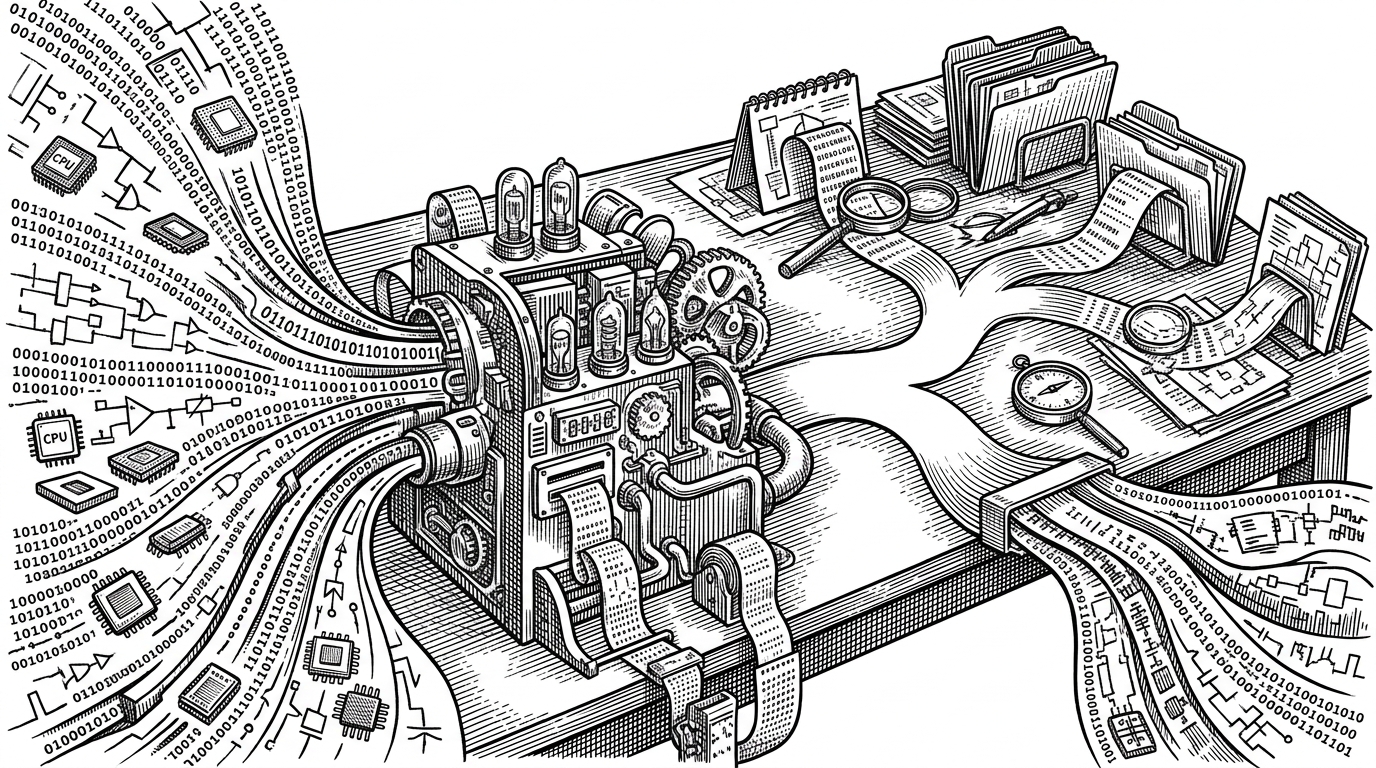
- Ghidra’s deepest invention is not the GUI or the decompiler. It is the translation layer that reduces many CPU dialects into one shared analytical language.
- The project combines Java, C++, Sleigh, and P-Code into a deliberately split architecture that keeps the platform extensible without making it feel stitched together.
- Its built-in collaboration model changes reverse engineering from a solo craft into a shared workflow with comments, labels, and review history.
- Ghidra’s legal and technical design are intertwined, which is why it feels more like an institutional capability than a typical open-source utility.
Every reverse-engineering tool eventually runs into the same problem: hardware keeps inventing new dialects. x86, ARM, MIPS, PowerPC. Different syntax, different registers, different habits. Ghidra’s answer is simple and strange at the same time. It does not try to make humans read every architecture directly. It teaches the machines to speak one common language first.
Binaryspeak
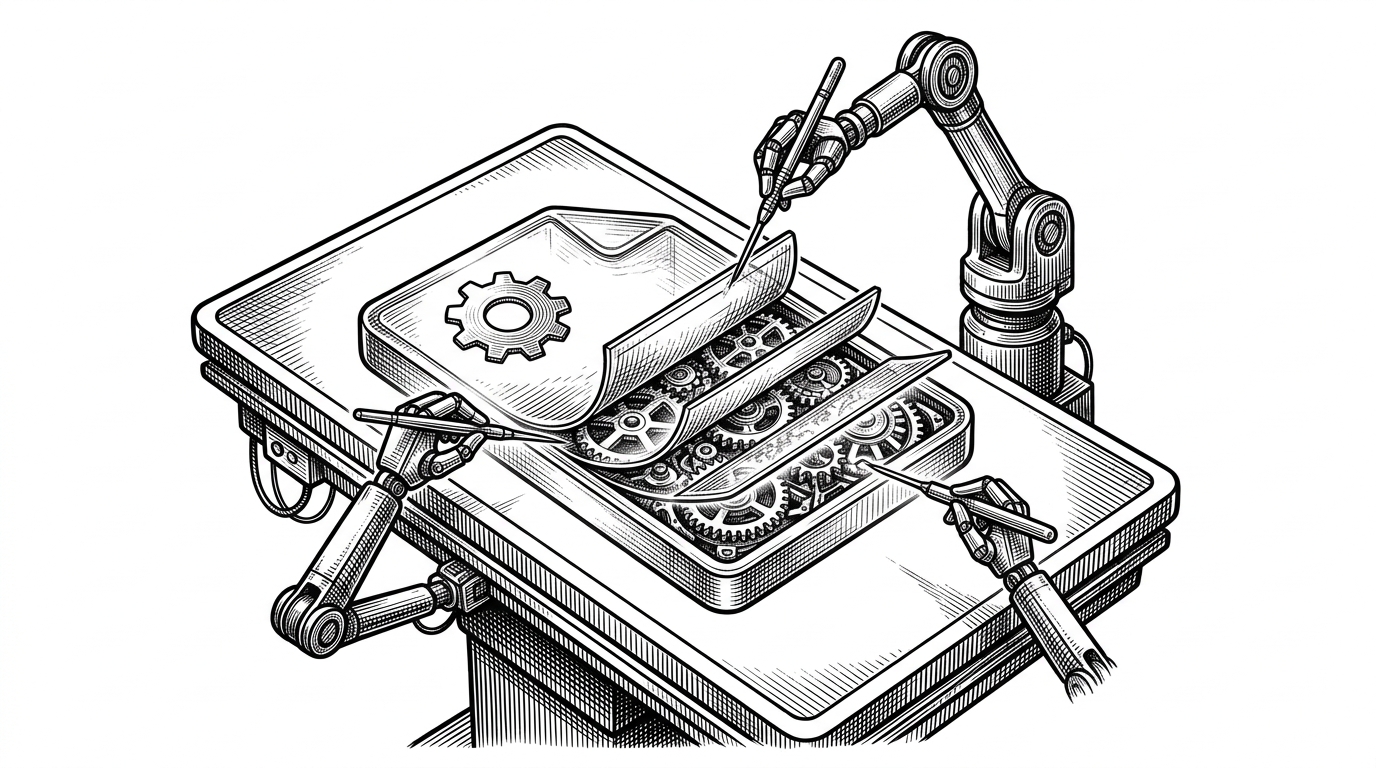
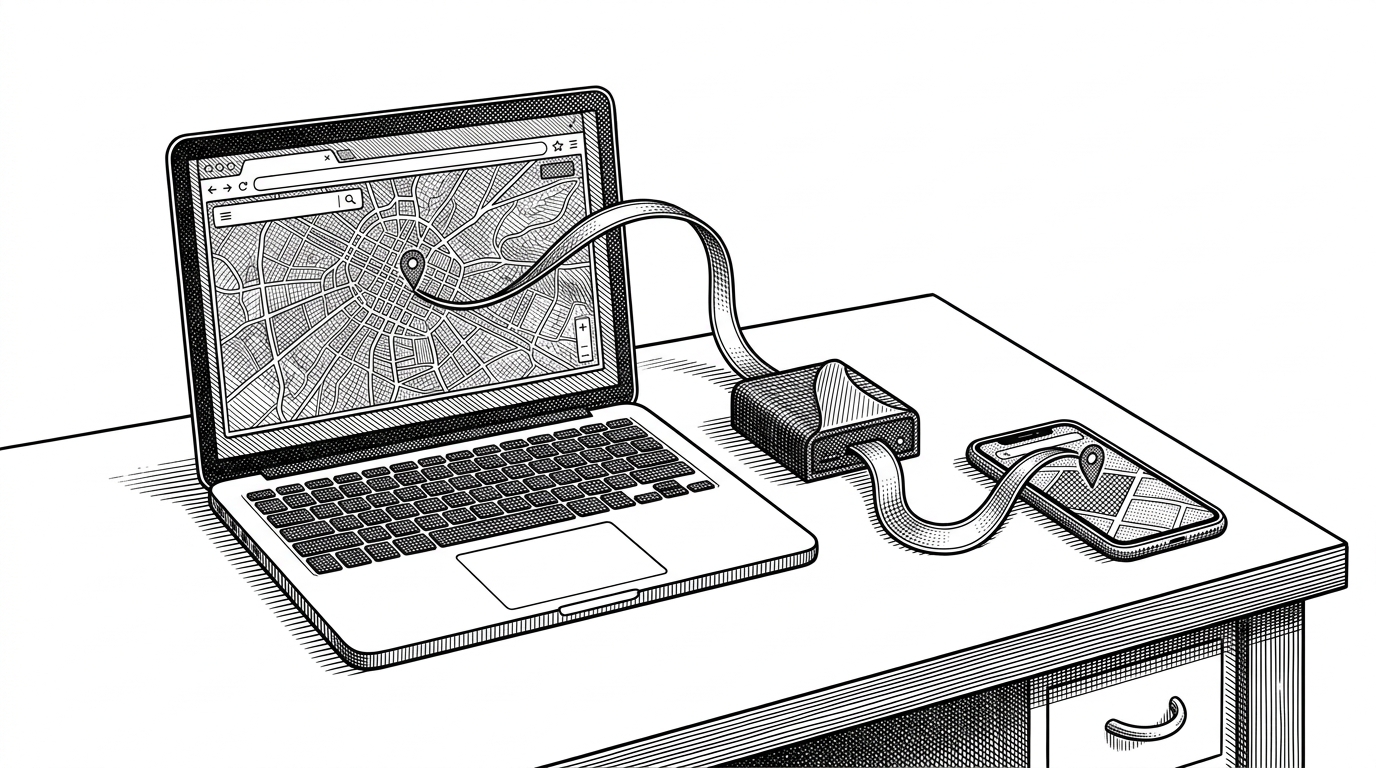
Ghidra’s central move is architectural normalization. Every processor family gets its own Sleigh specification, which tells Ghidra how to decode instructions. Those instructions are then lowered into P-Code, a shared intermediate representation that strips away most of the architecture-specific noise while preserving the semantics the decompiler needs.
That design matters because it changes the unit of analysis. The decompiler does not have to understand every CPU from scratch. It has to understand P-Code well, then reason about control flow, data flow, and simplification in one place. The result is not perfect translation, but it is consistent translation. Consistency is what makes large-scale reverse engineering tractable.
Ghidra's Server allows teams to analyze files together, ask questions of each other and work toward a common goal, even when they are not in the same room or country.
The Stack Behind the Trick
Ghidra looks like a desktop app, but it is really a layered system. The UI is Java and Swing. The decompiler is native C++. The processor descriptions live in Sleigh. The connective tissue is a modular repository layout that keeps features, processors, and licensing boundaries separated enough to evolve independently.

The split is not accidental. Java gives Ghidra cross-platform UI stability and a relatively safe plugin environment. C++ gives the decompiler the performance it needs for graph simplification and aggressive data-flow analysis. Sleigh lets the project add processor support without rewriting the core every time a new binary dialect shows up.
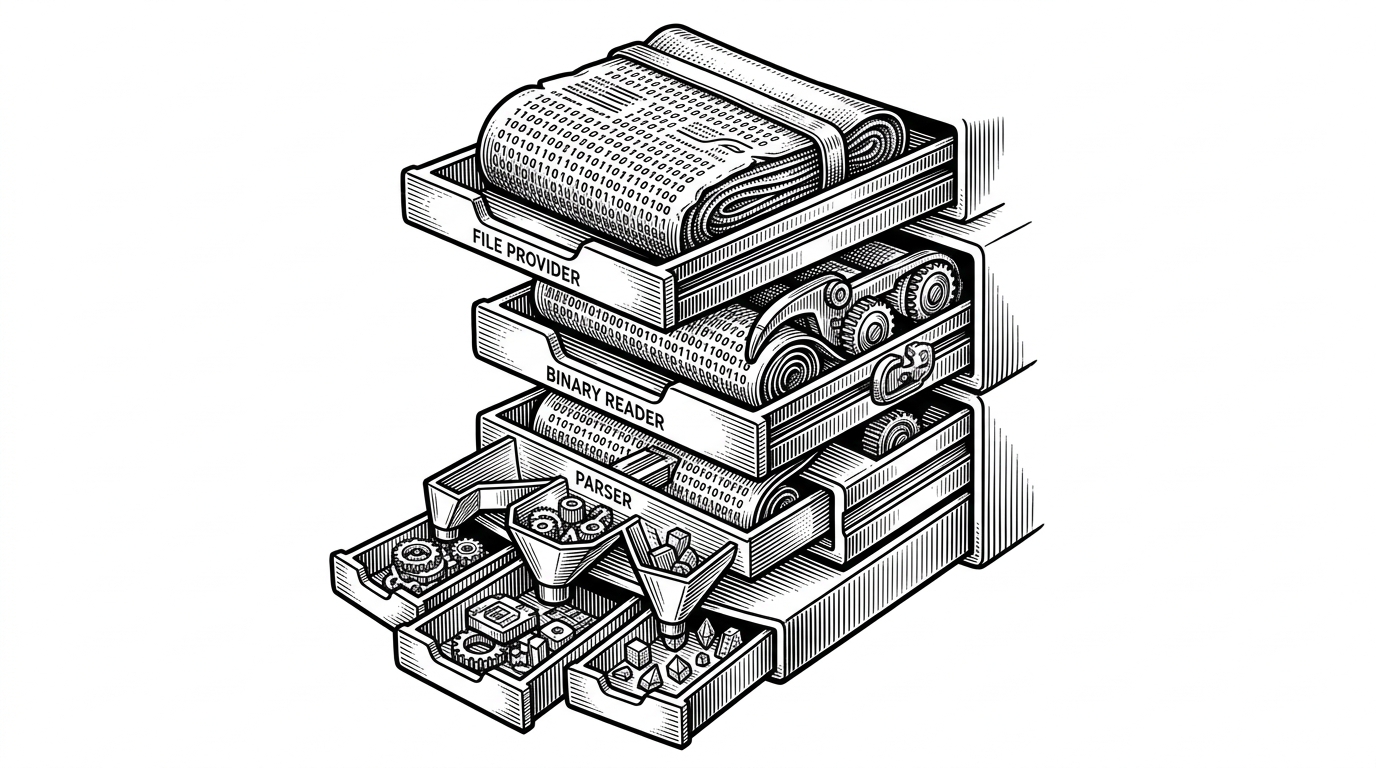
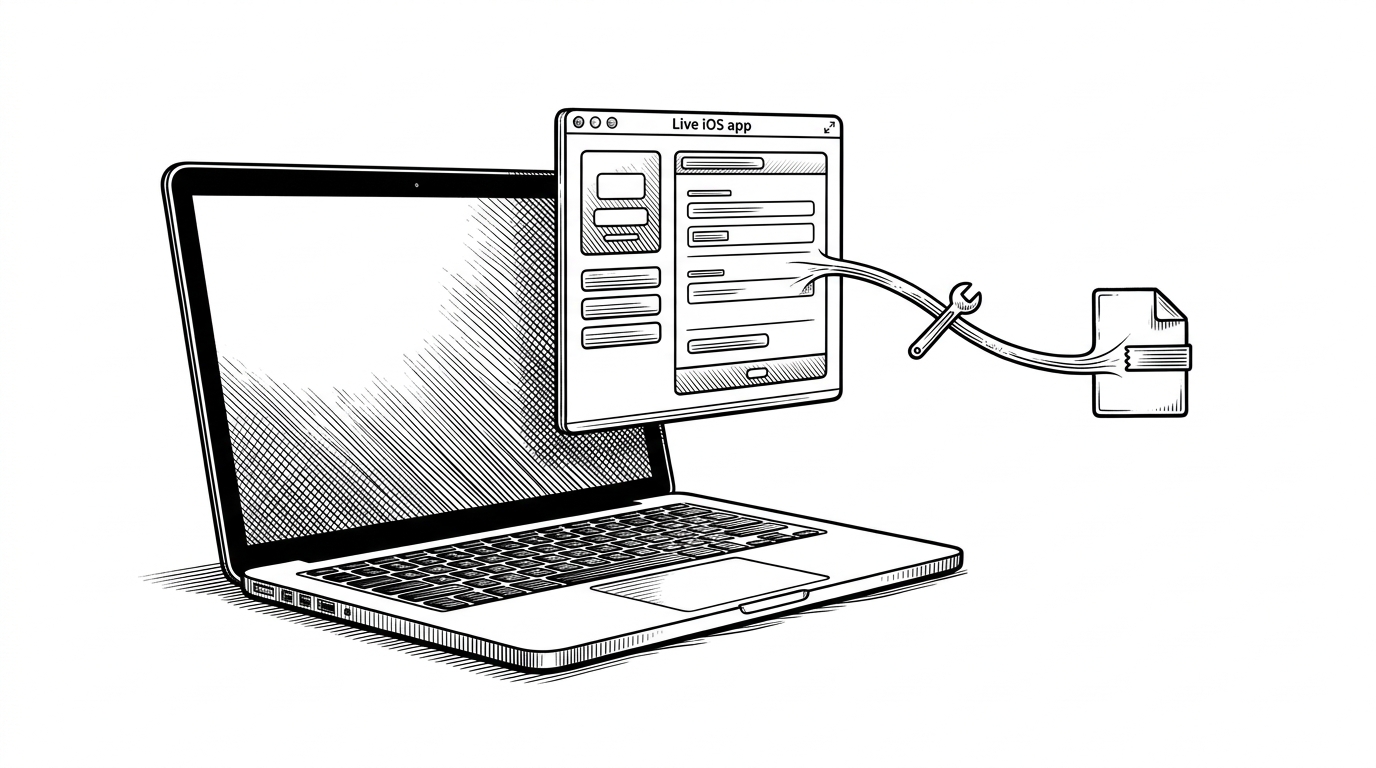
That last part is easy to miss. Ghidra is not only an analyzer of binaries. It is also a parser of containers, archives, disk images, and memory-derived blobs. The abstraction layers matter because reverse engineering often starts before the actual code starts. You are not just asking what this function does. You are asking what this file contains, how it was packed, and where the interesting bytes hide.
Why Collaboration Is a First-Class Feature
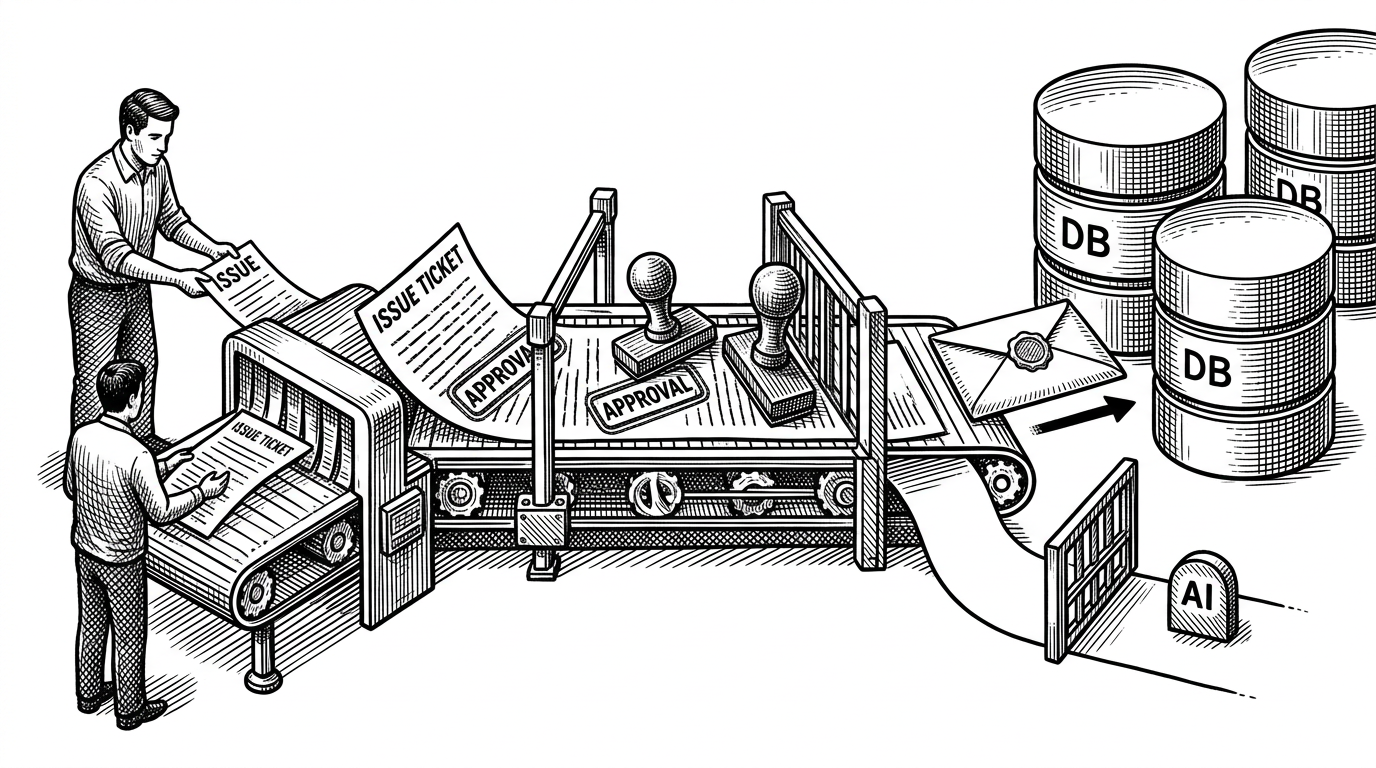
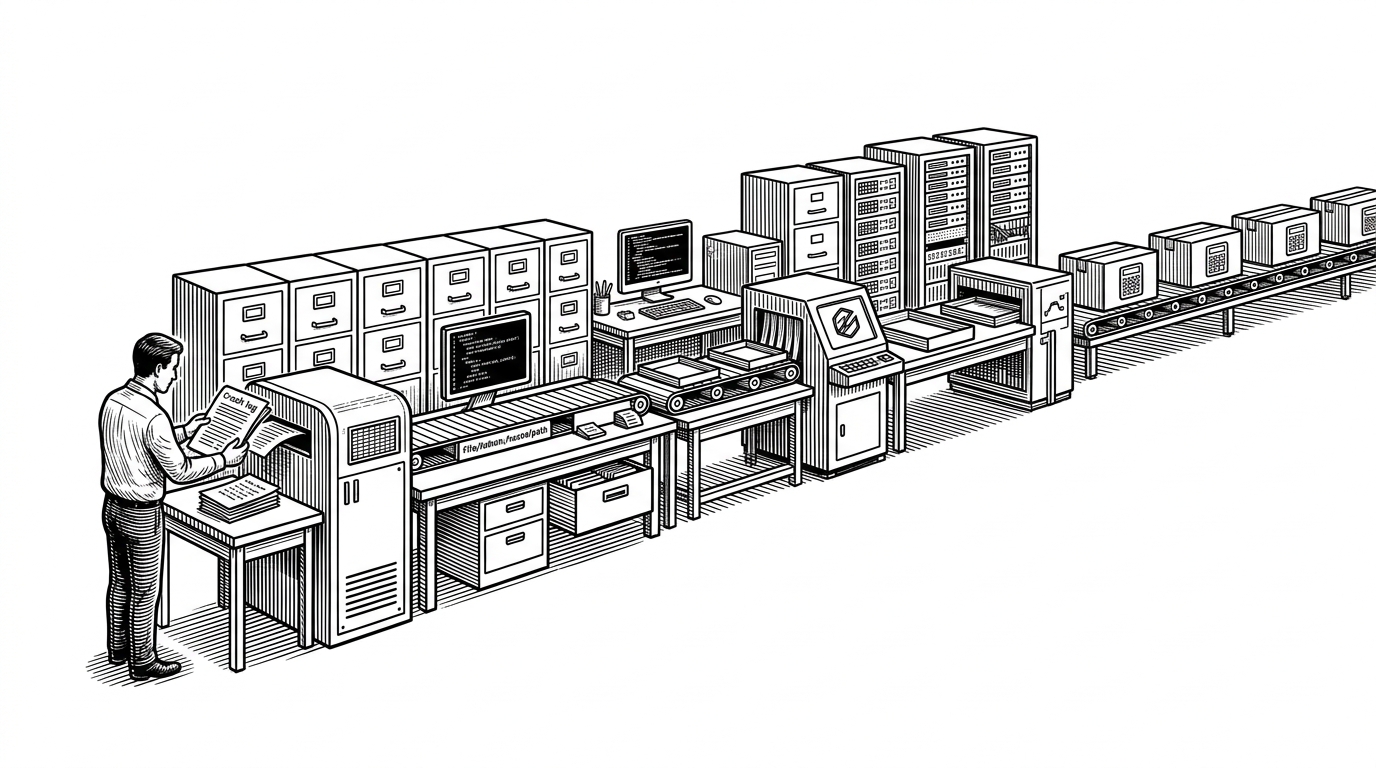
Most reverse-engineering tools assume one analyst, one machine, one notebook of observations. Ghidra assumes a team. That difference shows up in the shared server model, where people can comment, label, compare findings, and keep analysis state in sync. For malware work, firmware triage, or long-running investigations, that is not a convenience. It is a workflow shift.
| Dimension | Solo-first tools | Ghidra |
|---|---|---|
| Primary model | One analyst working locally | Shared analysis through a server-backed project |
| Workflow | Private notes and exports | Comments, labels, and synchronized review |
| Auditability | Depends on external process | Built into the project model |
| Best fit | Ad hoc exploration | Team-based, repeatable analysis |
The collaboration model is one reason Ghidra feels institutional. It is not only about giving everyone the same disassembler. It is about letting a team converge on one interpretation of a binary without turning that work into scattered screenshots and one-off notes.
The Legal Engineering Layer
Ghidra’s repository structure tells a quiet story about licensing. Core code lives in the main Ghidra tree. GPL-derived components are isolated in a separate `GPL/` tree. That separation matters because it lets the project keep a coherent public platform while containing code with different licensing obligations at the filesystem level.
| Area | Purpose | Why it matters |
|---|---|---|
| `Ghidra/` | Core application and features | Keeps the main platform aligned with the project’s primary license |
| `GPL/` | GPL-derived utilities and adapters | Contains license-sensitive code without spreading its terms across the whole tree |
| `Ghidra/Processors/` | Architecture descriptions | Scales processor support without rewriting the analyzer |
| `Ghidra/Features/` | Decompiler, debugger, and analysis modules | Keeps the platform modular enough to evolve |
This is legal engineering as much as software engineering. The project does not treat licensing as paperwork at the edge. It treats it as an architectural constraint, which is why the repo itself is organized to reflect that constraint.
Why It Still Matters
Compared with IDA Pro, Ghidra is less expensive in the obvious sense and more ambitious in the structural sense. Compared with Radare2 and Cutter, it is more integrated and generally easier to onboard into a team workflow. None of these tools is a pure winner across every axis. They reflect different philosophies of reverse engineering.
| Tool | Primary model | Decompiler | Collaboration | Extensibility | Cost | Best for |
|---|---|---|---|---|---|---|
| Ghidra | Integrated platform | Strong and built in | Native shared projects | High via scripts and plugins | Free | Teams and analysts who want a full suite |
| IDA Pro | Commercial workstation | Excellent and mature | Mostly external workflows | High, with a mature ecosystem | Paid | Professionals who need polish and breadth |
| Radare2 / Cutter | Open command-line core with GUI front end | Present, but not the center | Not first-class | Very high and scriptable | Free | Power users who like low-level control |
The real distinction is not feature count. It is shape. Ghidra looks like an institution’s internal capability that was finally made public. It is broad, careful, and opinionated about collaboration. That makes it unusually complete for a free tool.
The Modernization Story
Ghidra keeps evolving without abandoning its original architecture. The move toward newer JDK releases and the arrival of PyGhidra show a project that is trying to modernize the scripting and runtime story while preserving the core logic that made it powerful in the first place. That balance is harder than it sounds. Most tools either freeze or fracture. Ghidra is still moving.