Nutlope/logocreator: How to Turn a Diffusion Model Into a Logo Product
A close look at the code that rails prompt generation, uses Clerk metadata as lightweight state, and makes FLUX feel like a focused branding tool instead of a blank canvas.
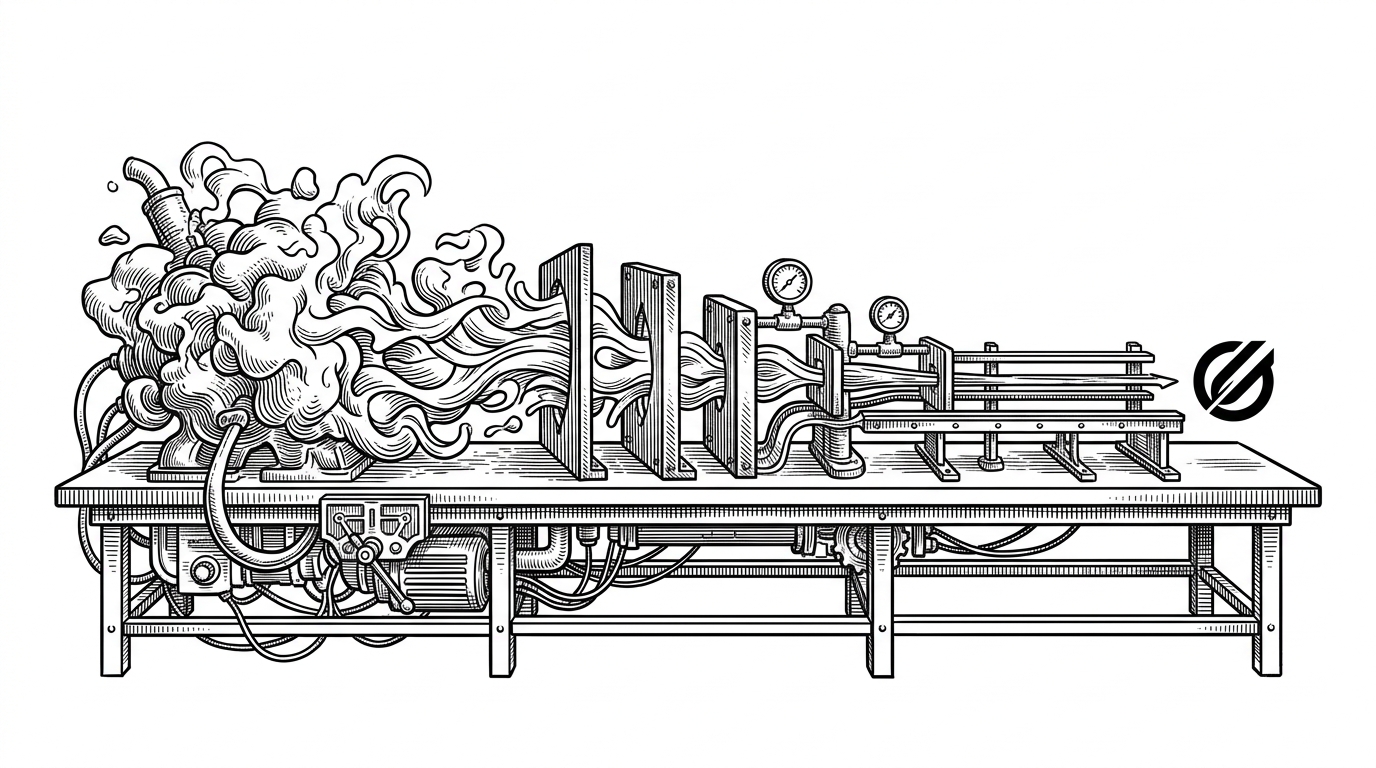
- logocreator works because it narrows a general image model into a branded workflow with opinionated prompt rails, not because it exposes more freedom.
- The repo treats auth metadata as lightweight product state, which lets it track credits and BYOK usage without a heavier backend.
- Edge middleware and quota logic are product decisions as much as infrastructure decisions, because they cut abuse before the expensive model call happens.
- The project competes best when judged as a curated interface to FLUX for one job, not as a universal image generator.
Not a Blank Canvas, a Curated Logo Machine
Most AI image demos stop at a prompt box. logocreator goes the other direction. It takes a powerful diffusion model and surrounds it with opinionated constraints so the output behaves less like art exploration and more like a logo studio.
That is the real product. The repo is not trying to win on raw generative range. It is trying to make a broad model feel trustworthy for one task: produce branding shapes that are compact, legible, and commercially useful.
The code makes that philosophy visible everywhere. Style choices are narrowed. Credits are tracked. Abusive traffic is blocked early. Even the model call is framed like a guided pipeline instead of an open-ended creative playground.
The Prompt Rails That Make FLUX Behave
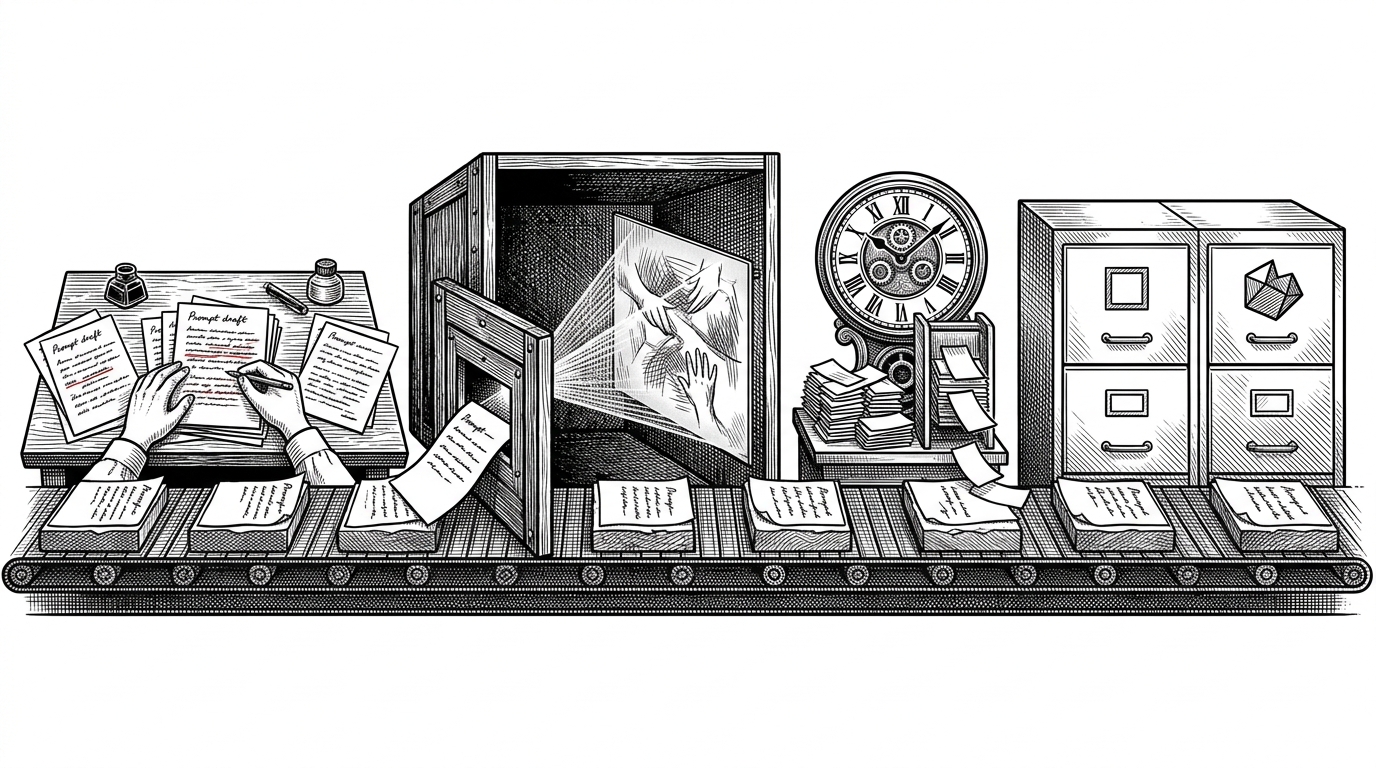
The engine room lives in app/api/generate-logo/route.ts. That route is where user input gets turned into a tightly controlled generation request, and it is where the repo’s taste becomes code.
const styleLookup = {
  minimal: "clean, simple, modern, geometric, minimal branding mark",
  tech: "sleek, futuristic, precise, digital, geometric logo",
  flashy: "bold, vibrant, premium, high contrast, attention grabbing mark",
};

const prompt = dedent(`
  Create a professional logo for ${companyName}.
  Style: ${styleLookup[selectedStyle]}.
  The logo must be simple, iconic, balanced, and suitable for web and print.
  Avoid mockups, scenes, backgrounds, and text-heavy compositions.
`);
The important part is not any single keyword. It is the repetition of logo-specific constraints. The prompts keep steering the model toward simplicity, balance, and brand readiness. That is how a general image model gets pinned to a narrow output range.
Why the Credit System Lives in Clerk Metadata
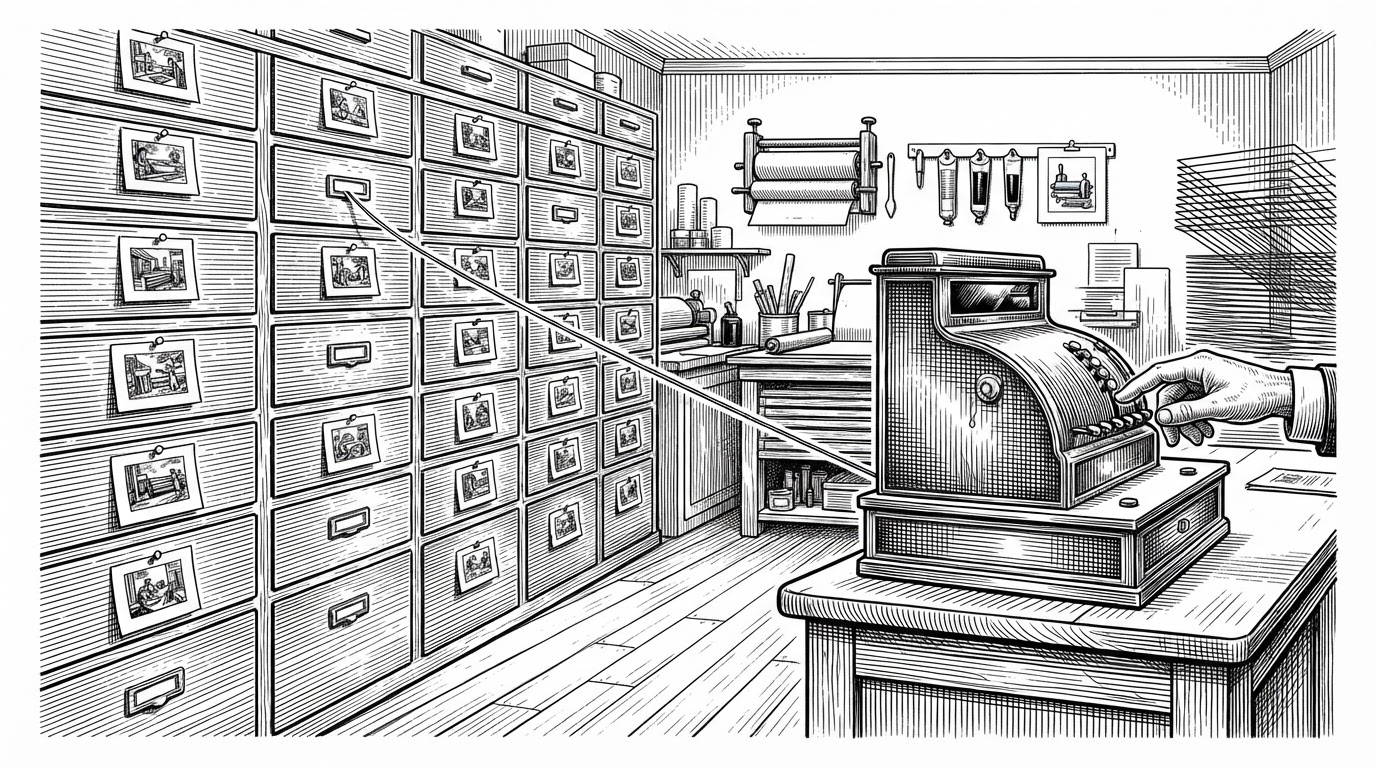
The billing logic is unusually lean. Instead of standing up a separate usage database for everything, the app uses Clerk user metadata as a lightweight state store. That keeps the product small while still supporting free credits, BYOK, and status tracking.
That choice matters because the state is close to the identity layer. The app can decide whether a user has remaining free generations, whether they are using their own Together key, and how to route them without adding much backend surface area.
This is one of those implementation details that quietly defines the product. The app is not just authenticating users. It is also deciding how much generation capacity each user gets access to, and where the cost lands.
| Mode | What the user experiences | Where cost lands | Why it matters |
|---|---|---|---|
| Raw image model | Open prompt box, wide creative freedom | Usually the app or the user, depending on setup | Powerful, but the user must do the prompt engineering |
| logocreator | Style choices, credits, and logo-shaped constraints | Free credits first, then BYOK | Turns a generic model into a focused product |
| Traditional logo maker | Preset workflows and fixed templates | Typically bundled into SaaS pricing | Predictable, but less generative and less flexible |
The Edge Gatekeeper: Spam Control Before the API Bill
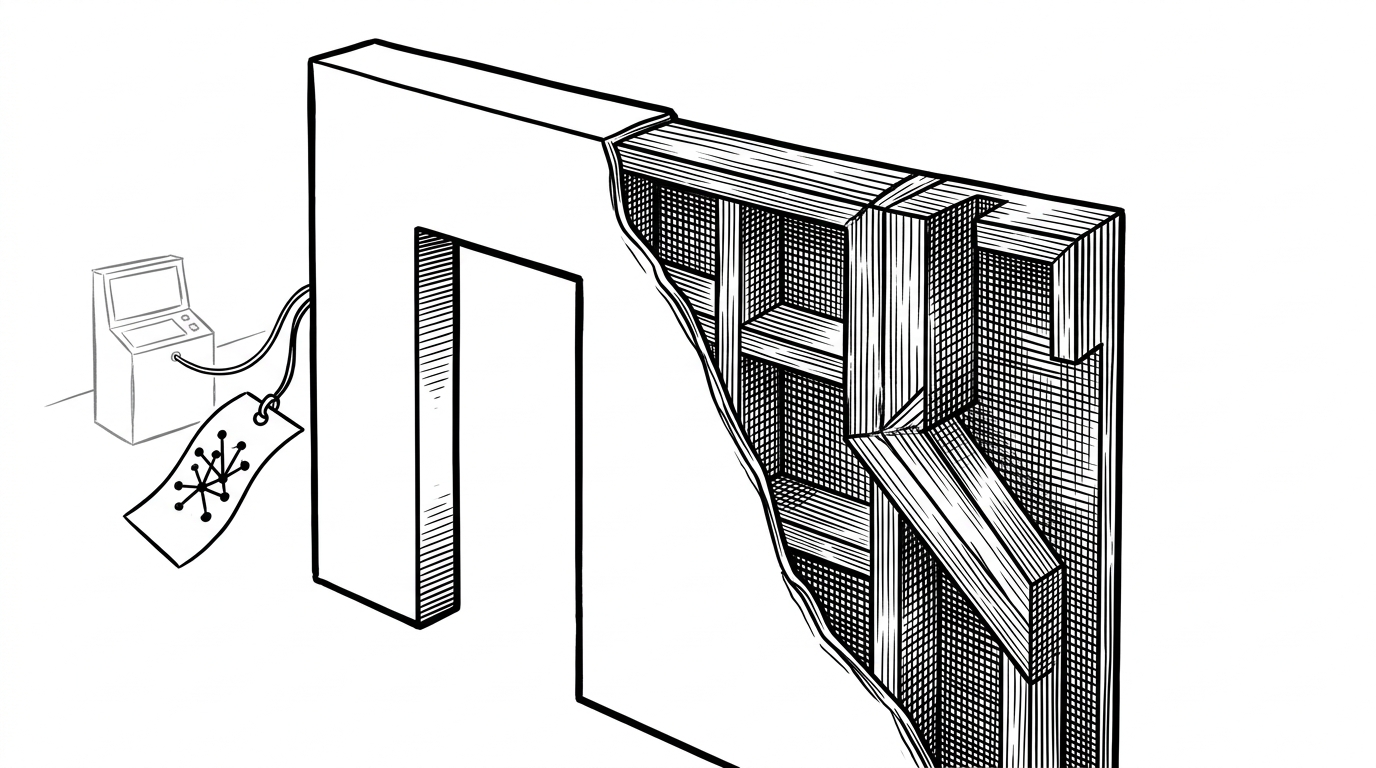
The other quiet product decision sits in middleware.ts. The repo blocks traffic before it reaches the expensive parts of the stack, including a hardcoded region check for RU. That is not just security theater. It is cost control, abuse control, and latency control in one move.
if (country === "RU") {
  return new NextResponse("Access Denied", { status: 403 });
}
Placed at the edge, the check prevents bad requests from ever touching the API route, Clerk, or Together. That keeps the experience snappy for legitimate users and lowers the chance that a public demo gets hammered into a bill.
What the Product Tries to Protect Users From
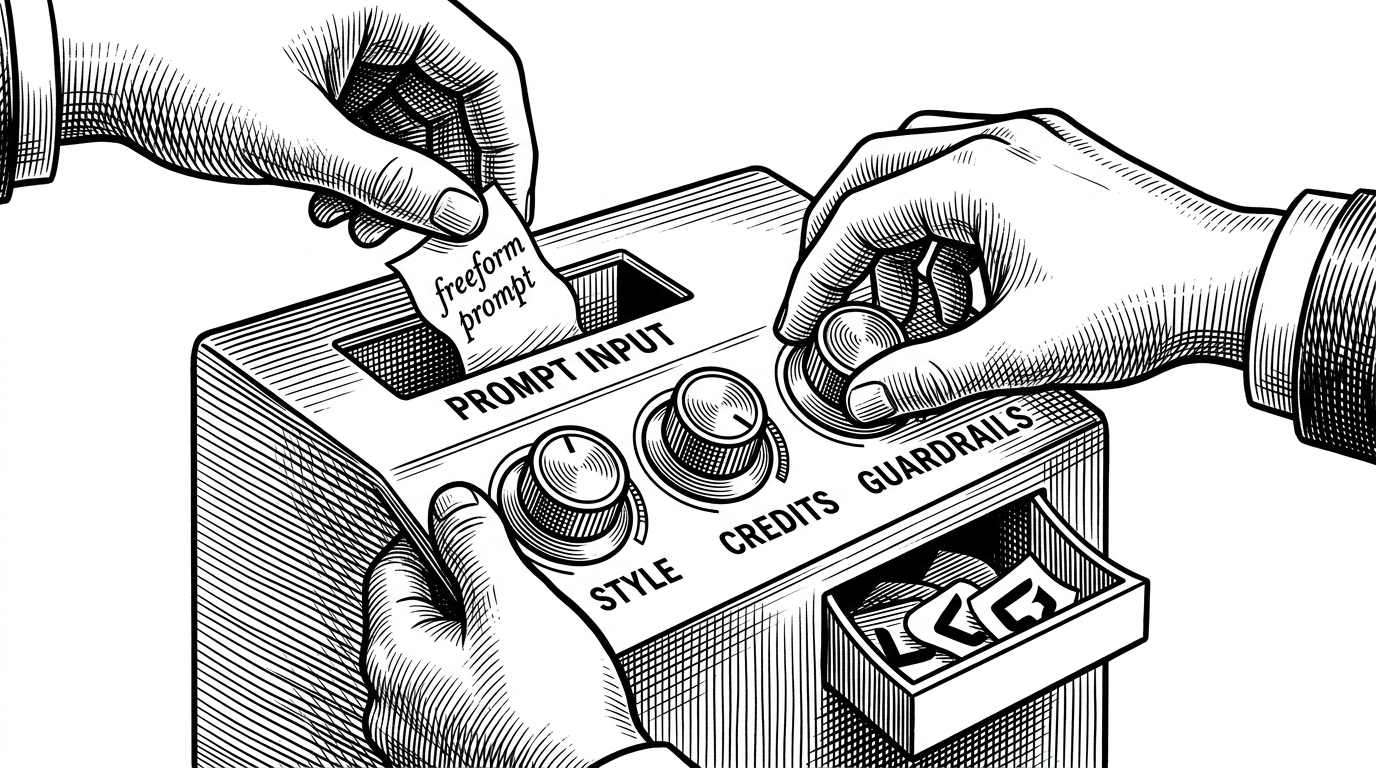
The narrow interface is not accidental. It protects users from prompt drift, from outputs that look impressive but unusable, and from the paralysis that comes with too many choices.
That is why the styles are limited. That is why the prompts are pre-shaped. That is why the model is asked to produce a logo instead of a general illustration. The repo is trying to remove judgment calls that do not help the user finish the job.
Why This Beats a Generic Image API for Logos
The strongest comparison is not with one rival repo. It is with three different ways of thinking about logos.
| Approach | Strength | Weakness | Best use |
|---|---|---|---|
| Raw FLUX access | Maximum flexibility | Requires skill and iteration | Exploration |
| logocreator | Opinionated and fast | Less open-ended | Fast logo generation |
| Classic logo tools | Structured and familiar | Less generative | Template-driven branding |
logocreator does not try to out-flex a general image API. It wins by making one model useful faster, with less prompting skill and fewer wrong turns. That is the whole game.
The Small-Team Operating Model Hidden in the Repo
There are a few maturity signals hiding in plain sight. The stack is compact. Observability is present through Helicone. The runtime is edge-friendly. The backend surface area stays small enough that a tiny team can reason about it.
That makes the repo interesting beyond logos. It is a pattern for shipping open-source AI products without building a giant platform first. Put the opinion in the prompt pipeline. Put the state in the auth layer. Put the abuse checks at the edge. Then let the model do the narrow job you actually want.
That is why the project feels polished. It is not because it knows everything about image generation. It is because it knows exactly what it wants the model to do.