awesome-gpt-image-2: When Image Prompts Become Code
A reverse-engineered template library that treats GPT Image 2 like a structured rendering engine, with JSON schemas, anti-pitfall rules, and gallery cases that behave like tests.
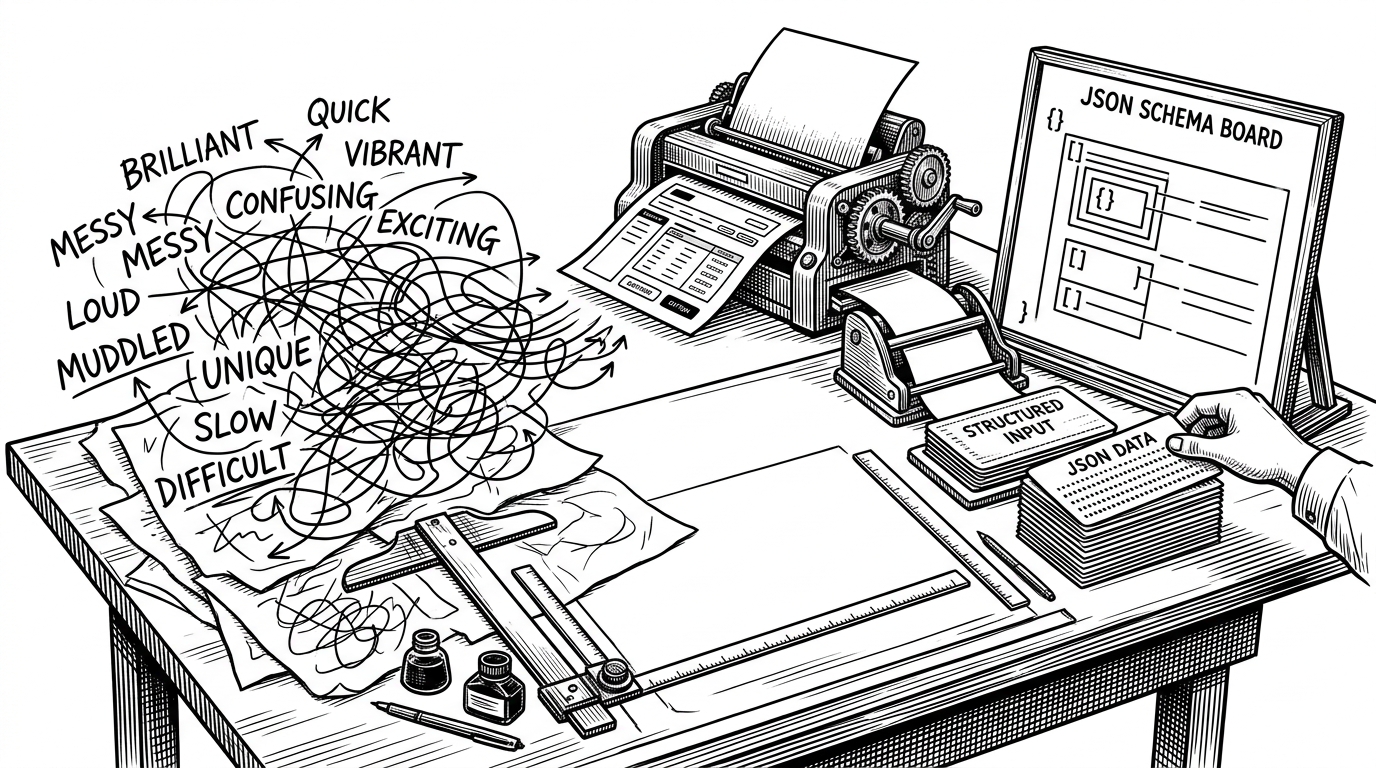
- This repo treats image prompting as a structured interface, not a poetic request.
- Its real innovation is the move from prose to schema, where constraints narrow the model's output space.
- The gallery examples function like regression tests, extracting repeatable patterns from successful generations.
- The anti-pitfall guidance is defensive programming for visuals, designed to stop default tropes before they start.
The striking thing about freestylefly/awesome-gpt-image-2 is not that it collects prompts. Plenty of repos do that. The useful shift is harder to miss once you see it: image prompting starts to look like software engineering, with schemas, constraints, and reusable patterns instead of aesthetic improvisation.
That matters because prose prompts are good at intent and bad at control. They can say "make it premium" or "clean it up," but they rarely define what must stay fixed, what must never appear, and what structure the model should preserve. This repo is built around the opposite instinct.
The end of vibes-based prompting
The repo's README frames the project as a curated collection of GPT Image 2 prompts and examples. The deeper reading is more interesting: it tries to make image generation legible to developers and agents by turning visual intent into structured inputs.
That is a meaningful change in mental model. Instead of treating a prompt like a spell, you treat it like an interface contract. The contract may still produce surprises, but the room for randomness gets smaller.
A curated collection of the best GPT Image 2 prompts and examples. Your go-to resource for mastering prompt engineering and exploring the creative potential of OpenAI's GPT Image 2 model.
Prompt-as-code is the real product
The conceptual center of the repo is its template layer in docs/templates.md. That is where visual output gets broken into atomic pieces, then reassembled as structured prompt logic. The goal is not just better prompts. It is reusable prompt architecture.
{
  "platform": "web",
  "layout": "single-column editorial",
  "style": {
    "background": "pure white",
    "lines": "black ink",
    "density": "moderate"
  },
  "content": {
    "headline": "UI mockup",
    "modules": ["chart", "card", "metric"]
  },
  "constraints": [
    "no gradients",
    "no decorative clutter",
    "preserve hierarchy"
  ]
}
That shape is easy to miss if you only skim the file names. But it is the core move: the repo formalizes the prompt the way a product team formalizes a component API. Inputs become named, constraints become explicit, and the output is expected to respect both.
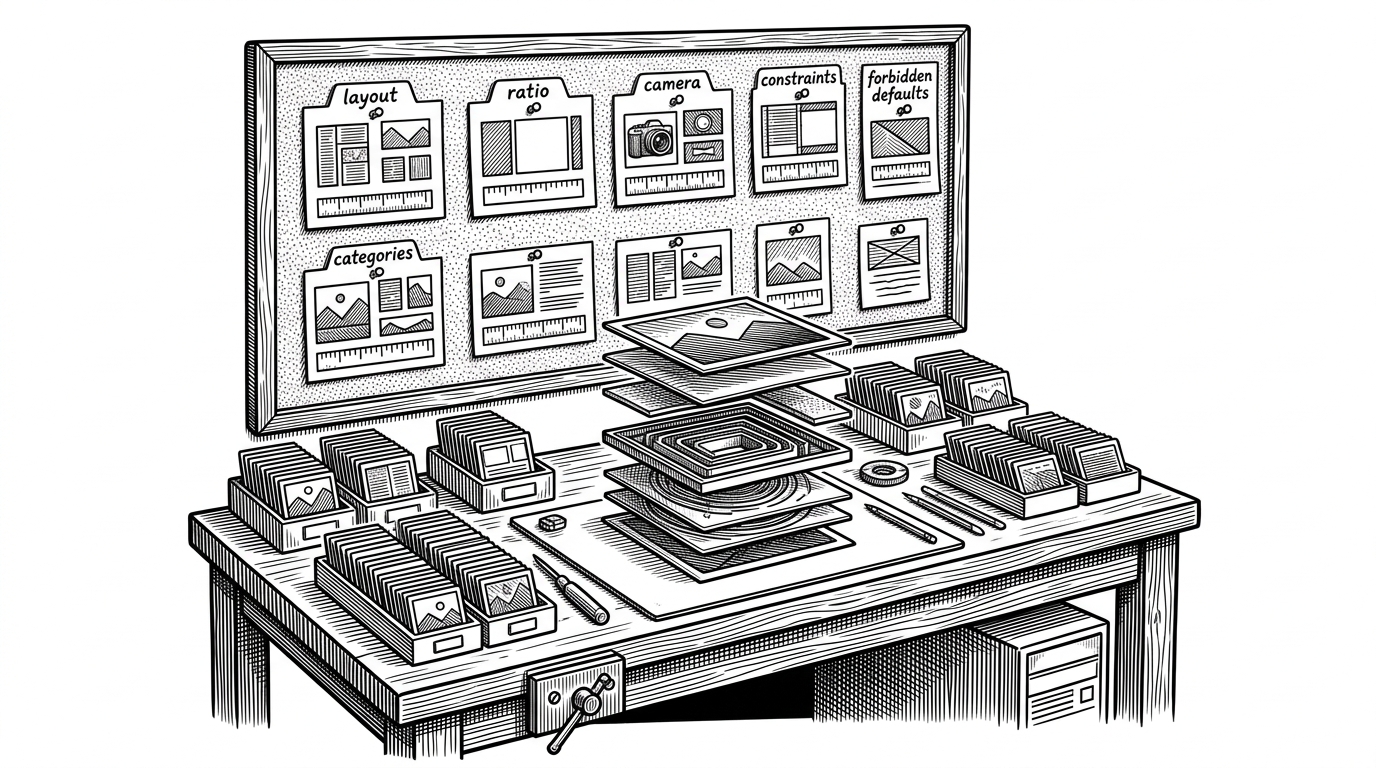
The gallery is a test suite, not a scrapbook
The gallery sections in docs/gallery-part-1.md and docs/gallery-part-2.md do more than showcase outputs. They reverse engineer them. A case is not just an example of success. It is evidence that a pattern survived contact with the model.
One strong pattern in the repo is the use of layered constraints. A vertical format, a specific camera angle, a fixed number of panels, or a particular compositional structure all function as guardrails. The prompt does not ask for a mood and hope for the best. It narrows the shape of the answer.
| Approach | What it optimizes | What breaks first |
|---|---|---|
| Conventional prose prompt | Mood, taste, and fast ideation | Layout consistency and repeatability |
| Structured template | Reusability, control, and automation | Speed of writing and token budget |
| Gallery-driven prompt library | Pattern extraction from real outputs | Freshness if reused without adaptation |
Anti-pitfall rules are defensive programming for images
The repo's anti-pitfall guidance is where the software analogy becomes concrete. It does not merely say what a good output should resemble. It also says what the model must avoid, which is the prompting equivalent of validating inputs before they reach production.
That matters because image models drift toward familiar defaults. They may overuse cyberpunk lighting, collapse structure, or decorate away the intended hierarchy. The templates push back by naming forbidden modes explicitly, which is exactly what defensive programming does in code.
| Layer | Conventional prompt | Structured template | Anti-pitfall rule |
|---|---|---|---|
| Intent | "Make it look premium" | Named visual role and hierarchy | Ban vague style drift |
| Structure | Implied | Explicit sections and objects | Preserve composition rules |
| Failure control | Reactive | Partly constrained | Prevents known defaults |
| Automation | Manual reuse | Batch-friendly | Safer for pipelines |
The practical upside is obvious for teams. UI mockups, infographics, packaging concepts, and brand visuals benefit from repeatability. If the output needs to slot into a workflow, a structured prompt is easier to version, audit, and reuse than a loose paragraph of adjectives.
What this repo is really competing with
This project is not competing with Midjourney, Firefly, Flux, or Gemini on raw aesthetics alone. It competes on control. That is a different market position.
Generic prompt libraries mostly help you copy a style. This repo tries to help you specify a system. That makes it feel less like a gallery of tricks and more like a toolkit for people who need consistent outputs at scale.
| Option | Strength | Weakness |
|---|---|---|
| Prompt libraries | Fast inspiration | Hard to operationalize |
| Model-first tools | High visual polish | Less explicit control |
| Prompt-as-code templates | Repeatability and structure | Higher setup cost |
| Manual art direction | Taste and nuance | Slow and expensive to scale |
The tradeoff is real. More control costs more tokens and more attention. You need a model that follows instructions well, and you need to be willing to specify details that a looser prompt would leave to chance.
The bigger shift
What makes this repo interesting is not only the prompt craft. It is the fact that image generation is becoming understandable to software teams in the same way APIs and components are understandable. Once that happens, the work changes. Visual generation stops being a one-off creative act and starts becoming an engineering surface.
That is the real thesis here. awesome-gpt-image-2 is not just a pile of examples. It is a bridge between design intent and machine-executable structure.