ComfyUI-Grok-SmartVAE: The Node That Turns Video Decode Into a Streaming System
A custom ComfyUI suite that sidesteps VRAM limits, stitches long videos in chunks, and recovers from bad latents without collapsing the workflow.

- ComfyUI-Grok-SmartVAE treats long-video decode as a streaming systems problem, not a bigger VAE problem.
- Its core advantage is bounded memory, with small decode batches, queued handoff, and disk output that keep the workflow alive on consumer GPUs.
- The repo adds failure-aware recovery for NaNs, OOMs, and partial corruption, so a bad batch does not have to kill the whole render.
- Its anti-flicker stitching shows the project is about continuity as much as throughput, which is what long video actually needs.
The VRAM Wall Was the Real Problem
Long video is where the usual ComfyUI story breaks. A decode path that feels fine on a short clip can buckle when the frame count climbs into the thousands, because the problem stops being model quality and becomes memory pressure. At that point, the question is not whether the VAE is good enough. It is whether the workflow can survive the batch at all.
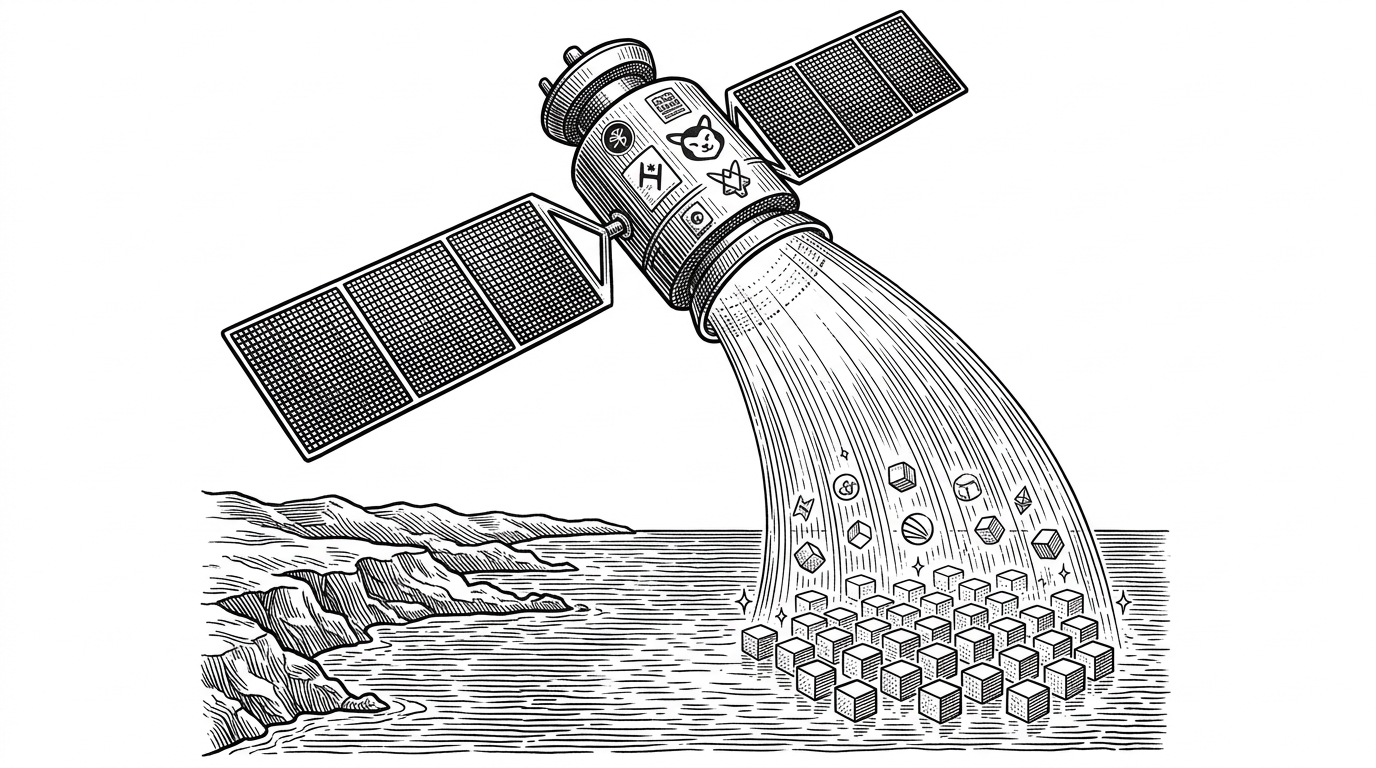
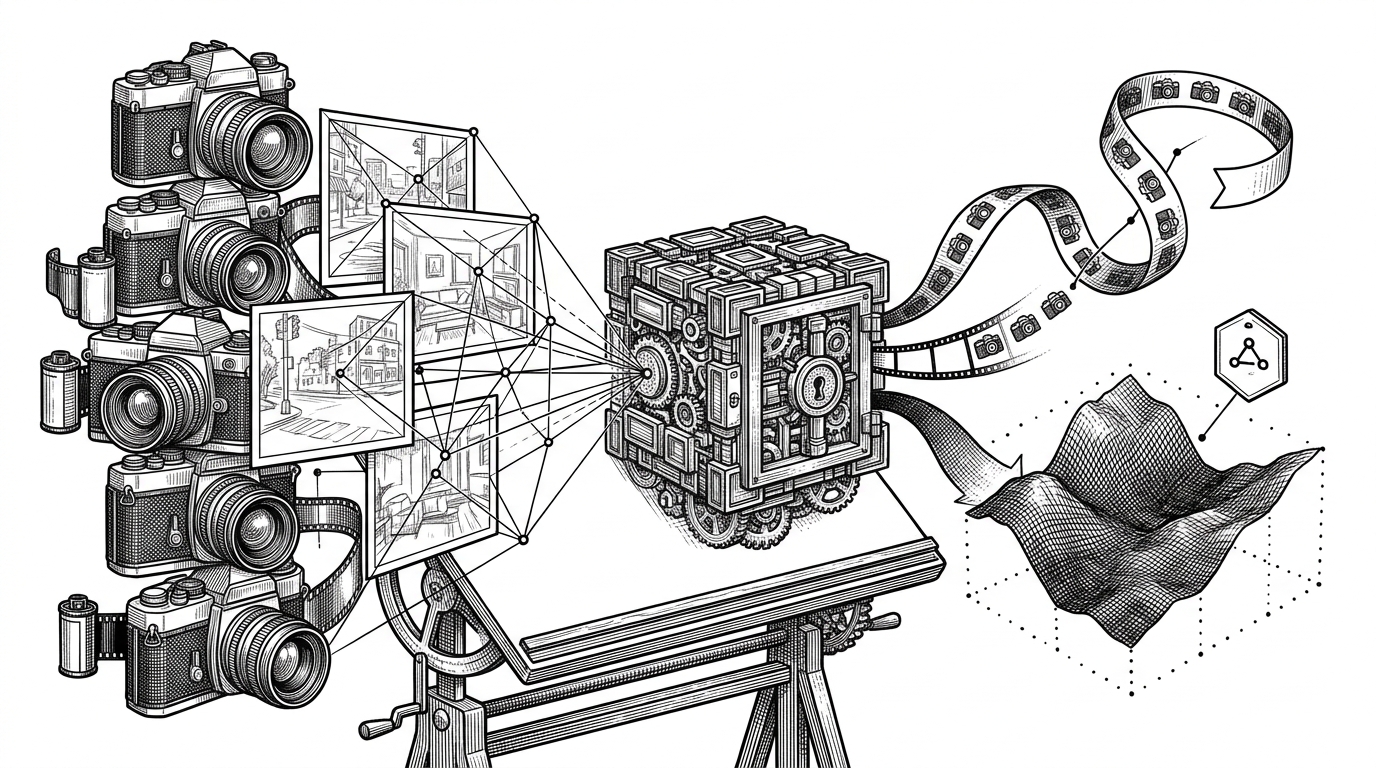
That is where ComfyUI-Grok-SmartVAE earns its name. It is built around a simple but useful inversion: do not treat video decode like one giant tensor to be finished in RAM. Treat it like a stream that can be staged, checkpointed, and handed off as it moves.
The Core Idea: Decode Like a Pipeline, Not a Blob
| Standard ComfyUI VAE decode | ComfyUI-Grok-SmartVAE |
|---|---|
| Tries to finish the whole decode in memory | Stages decode through small batches and queueing |
| Fails hard when VRAM spikes | Caps peak memory with bounded flow |
| Treats errors as terminal | Retries, shrinks batch size, or offloads to disk |
| Fine for short clips | Built for long-form video |
| Focuses on output | Focuses on survival |
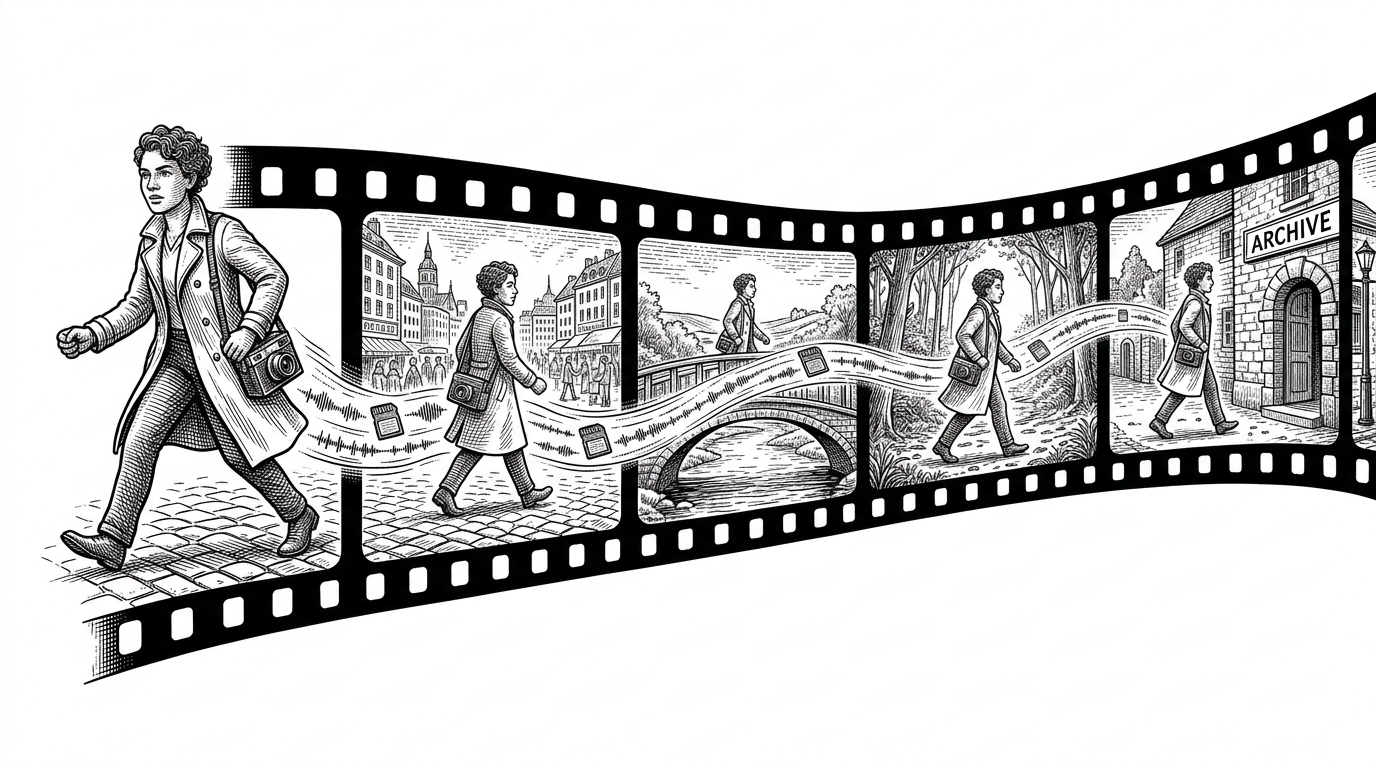
The implementation details matter because they are what turn the idea into something usable. The repo’s streaming writer pushes decoded frames into a queue and hands them straight to FFmpeg through a pipe, which means decode and encode can proceed asynchronously instead of waiting on each other. That is the difference between a fragile in-memory blob and a controlled conveyor belt.
It also explains why the project feels practical instead of theoretical. The point is not elegance for its own sake. The point is to keep the GPU doing useful work while the system quietly absorbs the messiness of long video, slow I/O, and imperfect latents.
Why Long Video Breaks: Boundaries, Drift, and Corruption
该功能专为长视频输出设计,是目前将大型视频潜变量解码到文件的内存效率最高的方式,尤其适合显存/内存有限的设备
Long sequences expose failure modes that do not show up in small tests. Chunk boundaries can shimmer. Colors can drift. A sampler can throw NaNs. A single OOM can leave you with an almost-finished result and no clean way to salvage it.
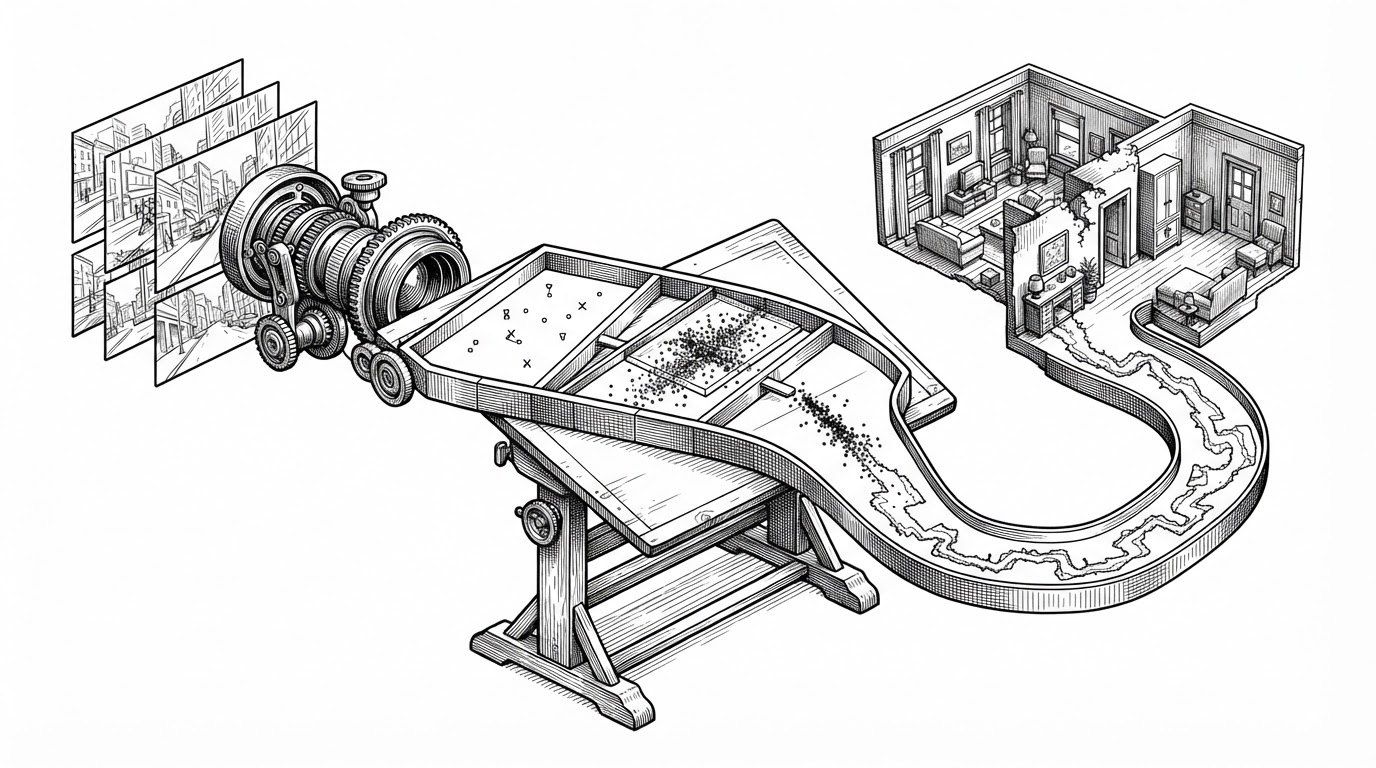
SmartVAE responds by assuming things will go wrong and then narrowing the blast radius. Batch sizes can shrink after an OOM. Warnings can be ignored to keep partially damaged frames moving. Metadata checkpoints let the workflow resume instead of starting over. That is not just robustness. It is respect for the user’s time.
The Anti-Flicker Trick

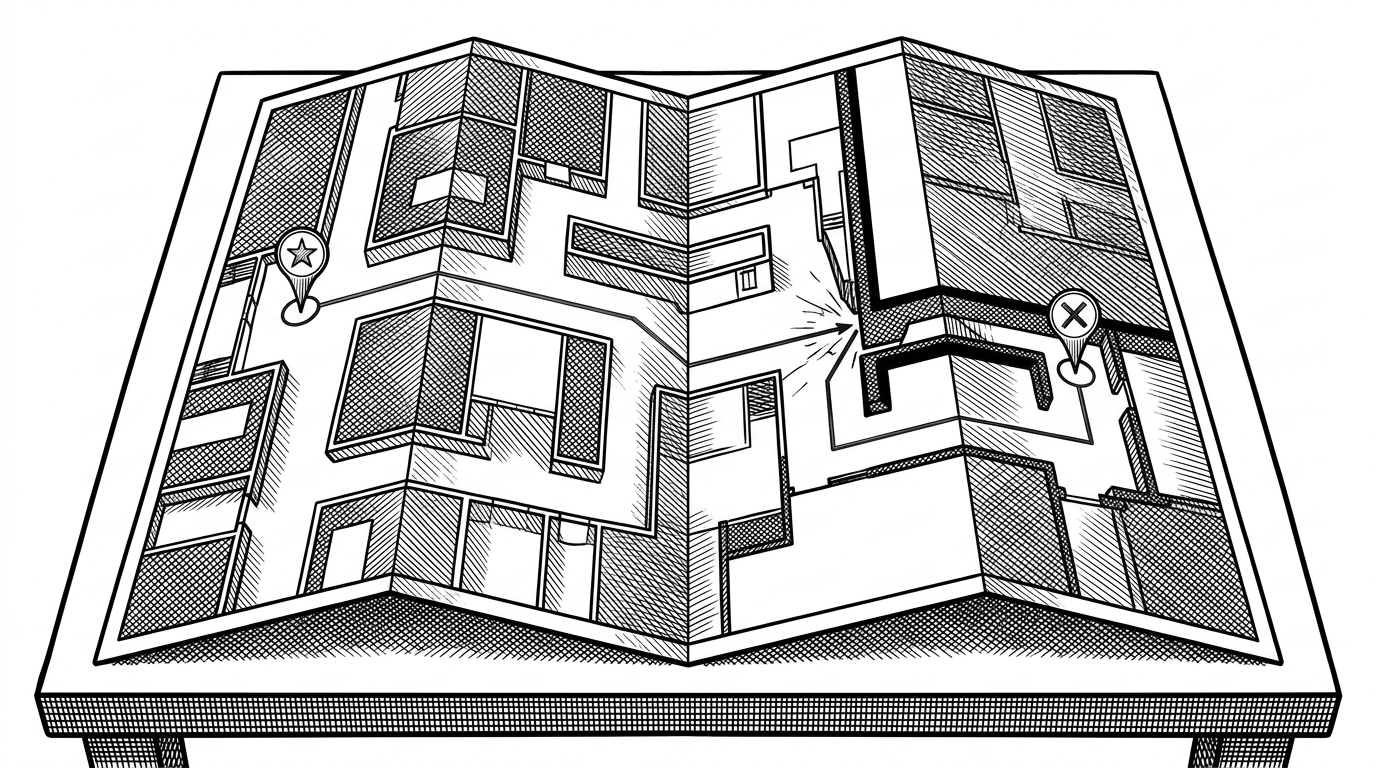
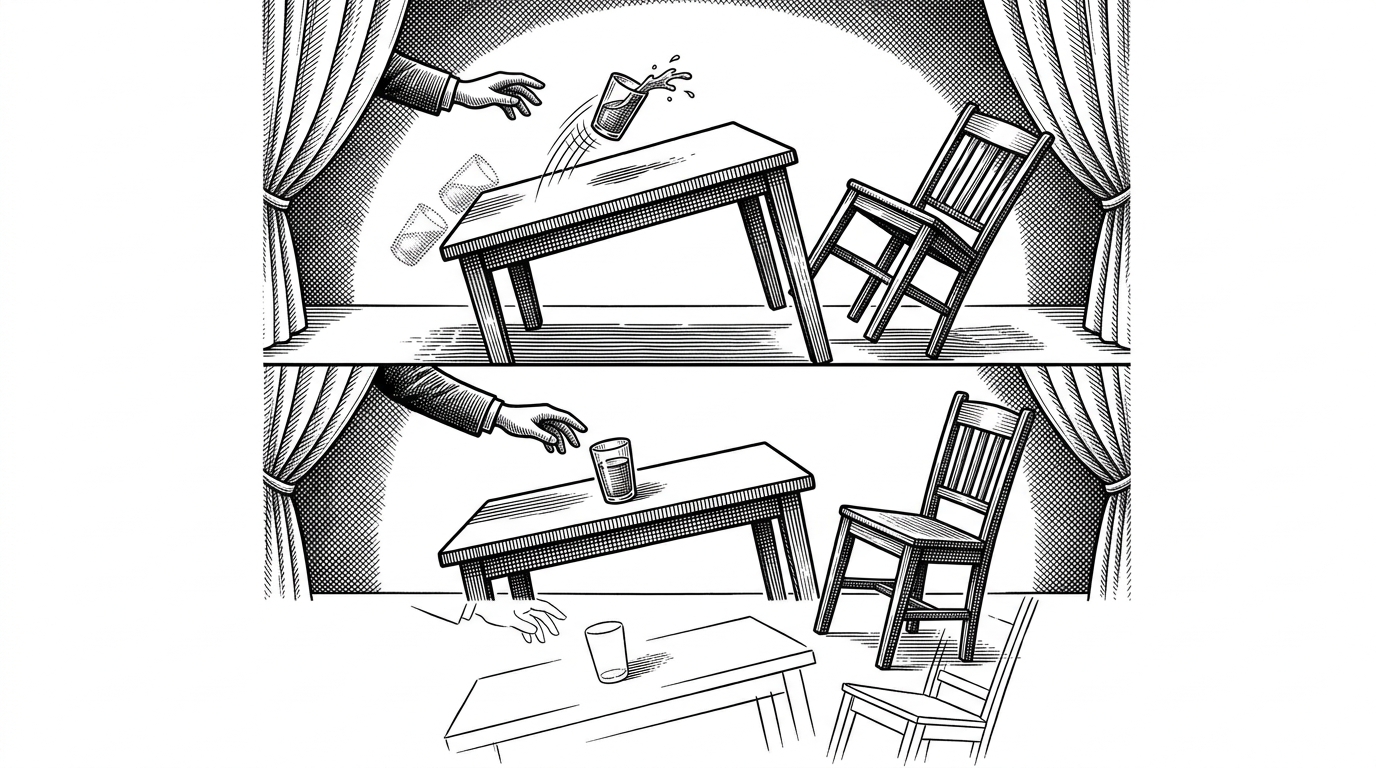
This is where the repo stops being a performance hack and becomes a continuity tool. In ltx_video_decoder.py and utils/color_utils.py, the project uses temporal overlap and color alignment to keep neighboring chunks from looking like they were decoded by different machines. The idea is simple: give the next chunk enough context to inherit the visual tone of the last one.
That matters because video artifacts are rarely dramatic. They are usually small, cumulative, and annoying. A barely visible seam is still a failure if it repeats every few dozen frames.
When the Workflow Fails Gracefully
if has_nan(latents):
    if ignore_warnings:
        mark_corrupt_frames_black()
    else:
        raise ValueError('NaN detected in latent batch')

try:
    decode_batch(frames_per_batch)
except OutOfMemoryError:
    frames_per_batch = max(1, frames_per_batch // 2)
    retry_with_smaller_batch()
The most compelling part of the resilience layer is not that it catches errors. It is that it tries to preserve work already completed. A failed batch can be retried with a smaller footprint. Corrupt frames can be quarantined instead of forcing a total stop. The node behaves less like a brittle filter and more like a production system with a tolerance for partial failure.
| Failure mode | Typical node behavior | SmartVAE behavior |
|---|---|---|
| NaN latents | Crash or cryptic error | Detect, warn, and optionally continue |
| OOM mid-run | Abort the workflow | Halve batch size and retry |
| Bad frames | Lose the whole output | Black out corrupted frames when allowed |
| Long jobs | High risk of restart | Resume from checkpointed metadata |
That design choice changes the economics of experimentation. When failures are cheap to recover from, users can push harder on clip length and resolution without turning every attempt into a gamble.
The AI-Ensemble Origin Story
The development story is unusually explicit about collaboration. The project credits different models for different jobs, which makes it feel less like a single-author script and more like an assembled toolchain. That is not just a novelty. It is a clue about how this codebase was shaped: by repeated passes, specialized fixes, and a bias toward whichever model solved a specific bottleneck best.

That matters because a lot of AI-assisted software is vague about authorship. This repo is the opposite. It is opinionated about the problem, explicit about the machinery, and unusually transparent about how the final shape emerged.
Why This Beats Standard ComfyUI VAE Nodes
| Dimension | Standard VAE nodes | ComfyUI-Grok-SmartVAE |
|---|---|---|
| Memory model | All-at-once decode | Bounded streaming pipeline |
| Long-video fit | Fragile | Purpose-built |
| Boundary handling | Minimal | Temporal overlap plus color correction |
| Error recovery | Limited | NaN handling, OOM retries, resume support |
| User tradeoff | Simple | More complex, far more survivable |
The tradeoff is clear. SmartVAE asks for more moving parts. In return, it gives long-video creators a way to work on hardware that would otherwise fall off the cliff. That is why the project matters. It is not another VAE flavor. It is a different contract between the user and the machine.