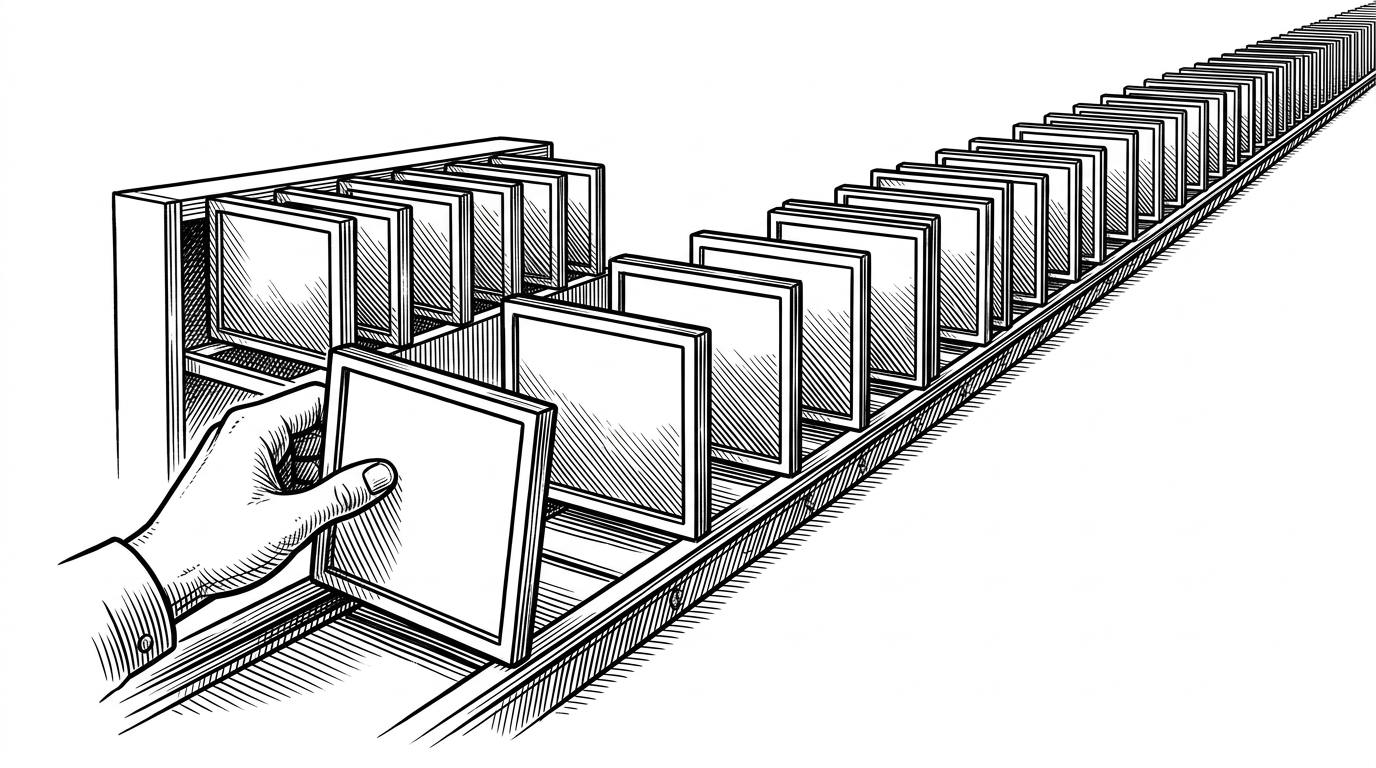
JoyAI-Echo: The Video Model That Remembers the Story
A look at the memory bank, distilled inference, and audio-visual anchoring system that lets a single prompt grow into a coherent multi-shot sequence.
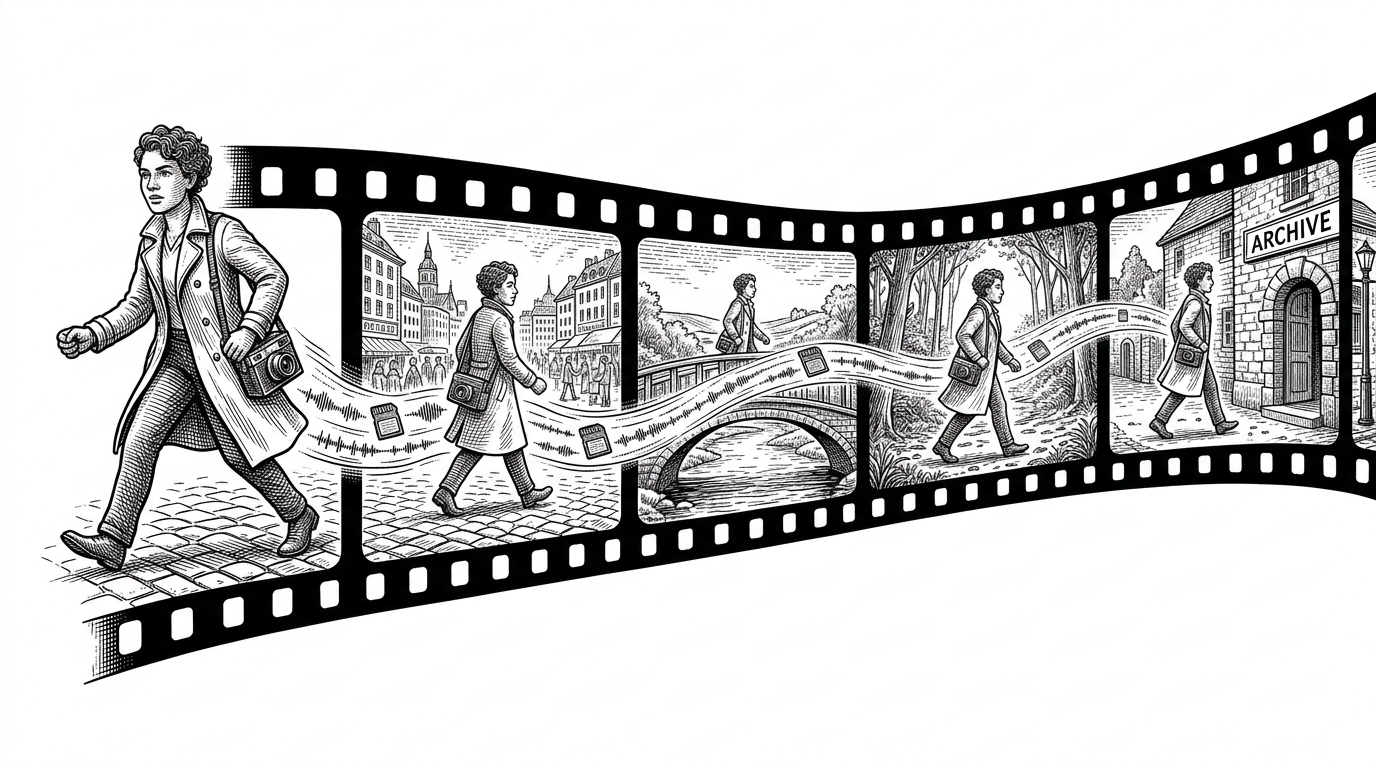
- JoyAI-Echo’s real leap is not faster video generation, but a memory system that preserves identity across shots.
- The model treats audio and video as paired signals, which makes continuity feel designed rather than patched in later.
- Distribution Matching Distillation turns that continuity idea into something practical by shrinking the number of inference steps.
- The project sits in a narrow but important niche: long-form, multi-shot, open-source video generation with strict consistency goals.
Why AI video forgets itself
Most AI video systems can sell you a shot. Much fewer can keep a character, a voice, and a visual style intact once the prompt becomes a sequence. That is the real problem JoyAI-Echo is solving: not making moving images, but preventing the story from dissolving between frames.
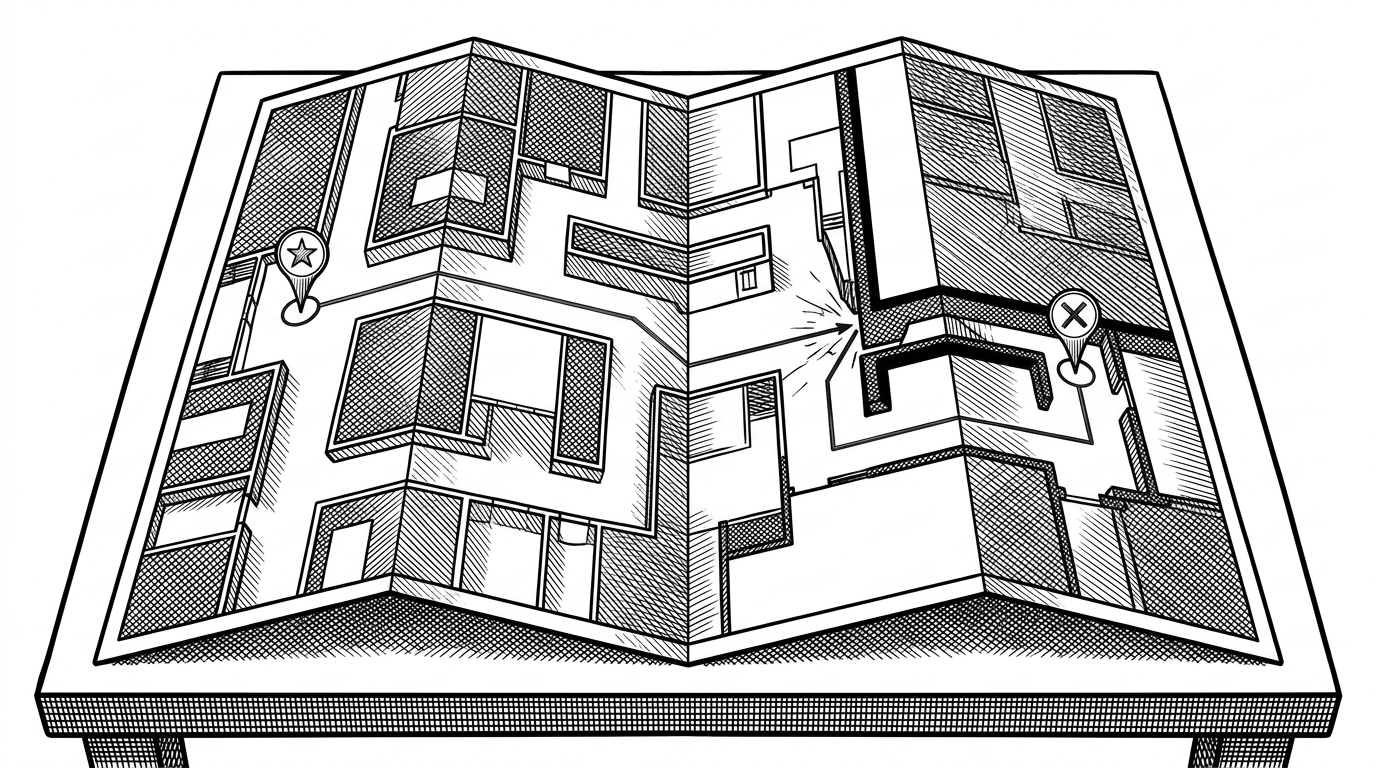
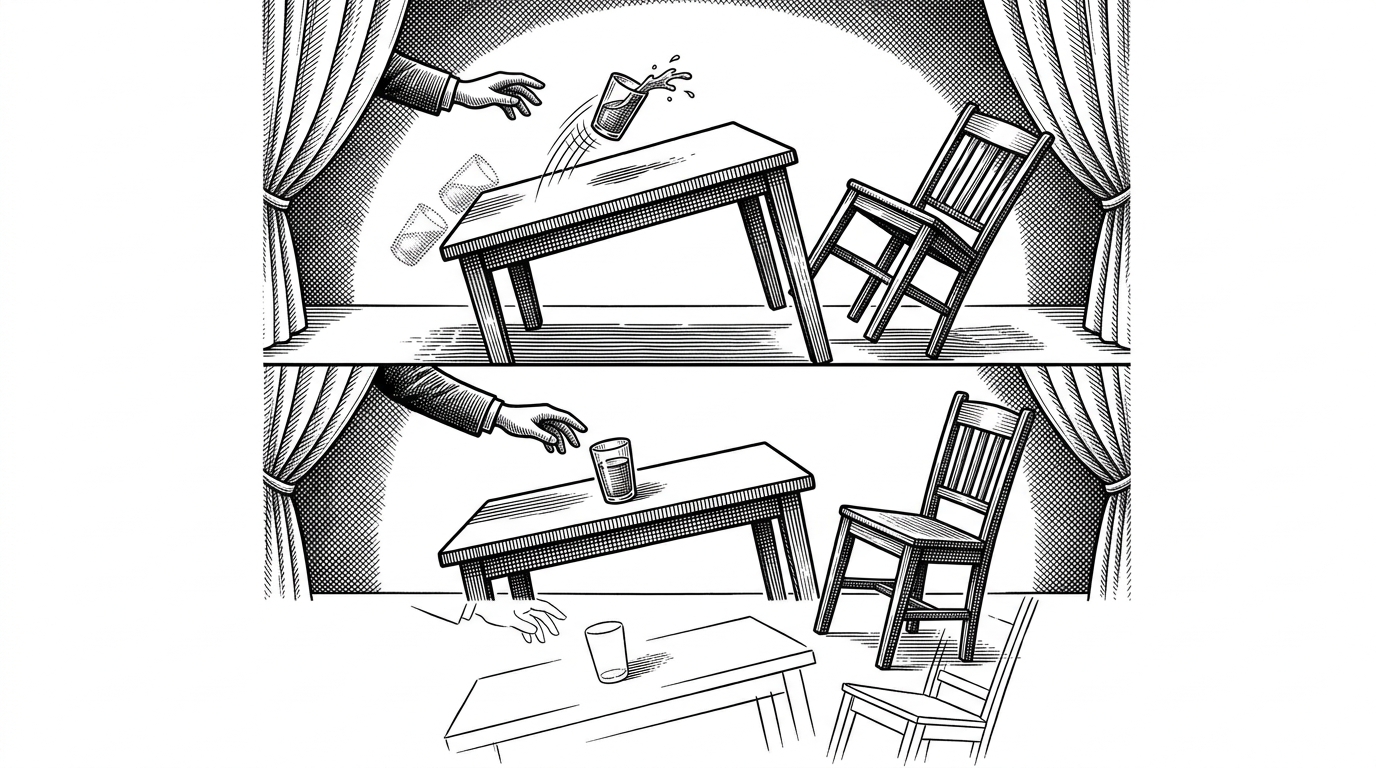
That distinction matters. A clip can look good and still fail as narrative continuity. If the face drifts, the tone shifts, or the audio stops matching the body language, the system has already lost the plot.
Echo-LongVideo (a.k.a. JoyAI-Echo) is a long-form, multi-shot, audio-video generation model. A cross-modal audio-visual memory bank preserves character appearance and voice timbre consistently across up to five-minute videos, and a post-training pipeline combining memory-based reinforcement learning with distribution matching distillation (DMD) delivers a 7.5× inference speedup without sacrificing quality.
JoyAI-Echo’s answer: memory, not just generation
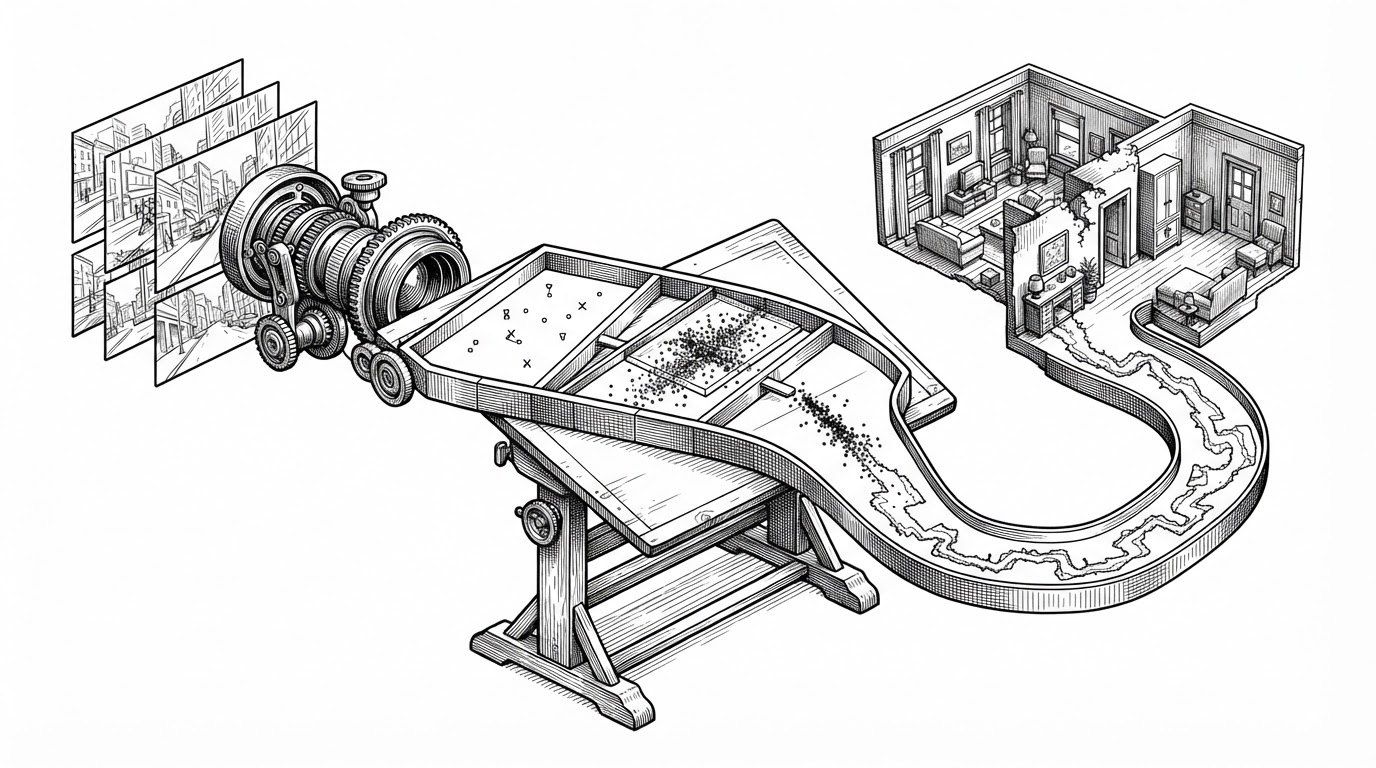
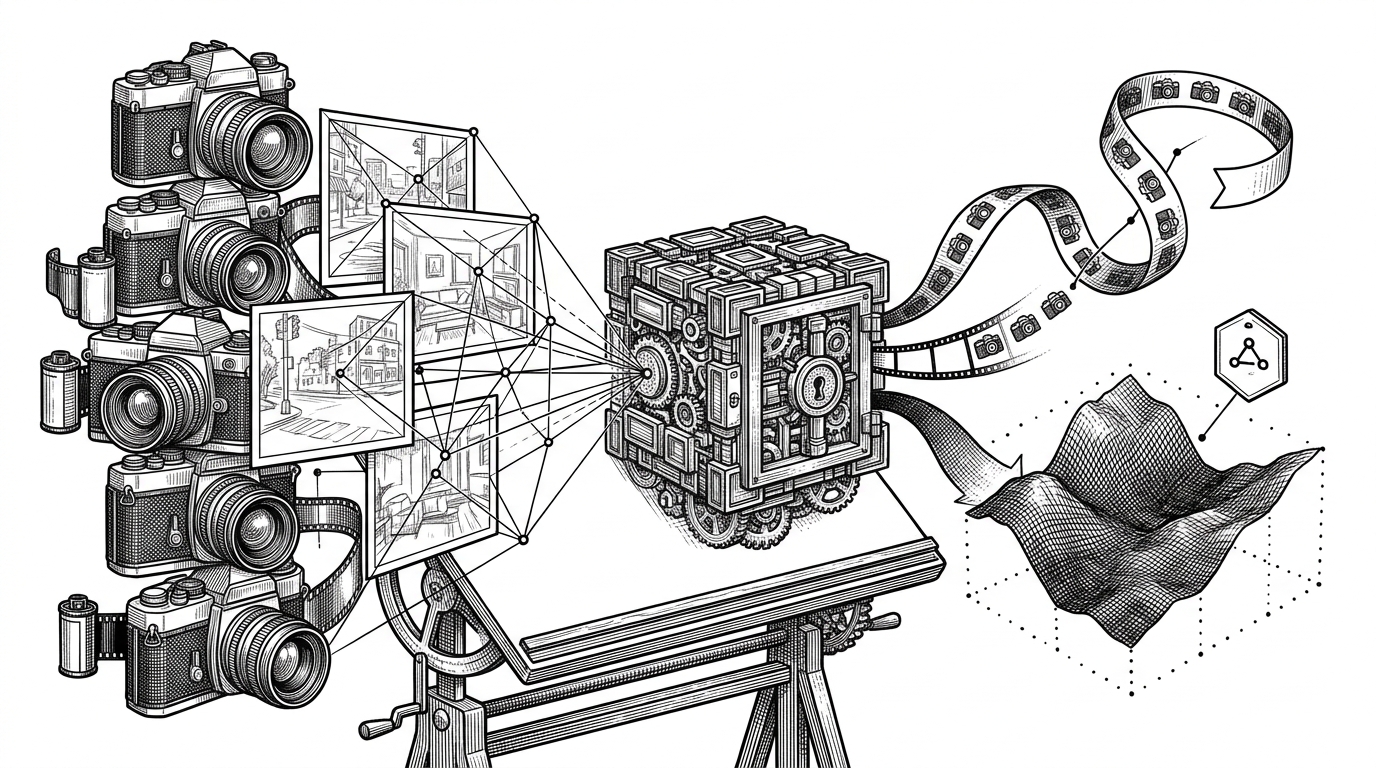
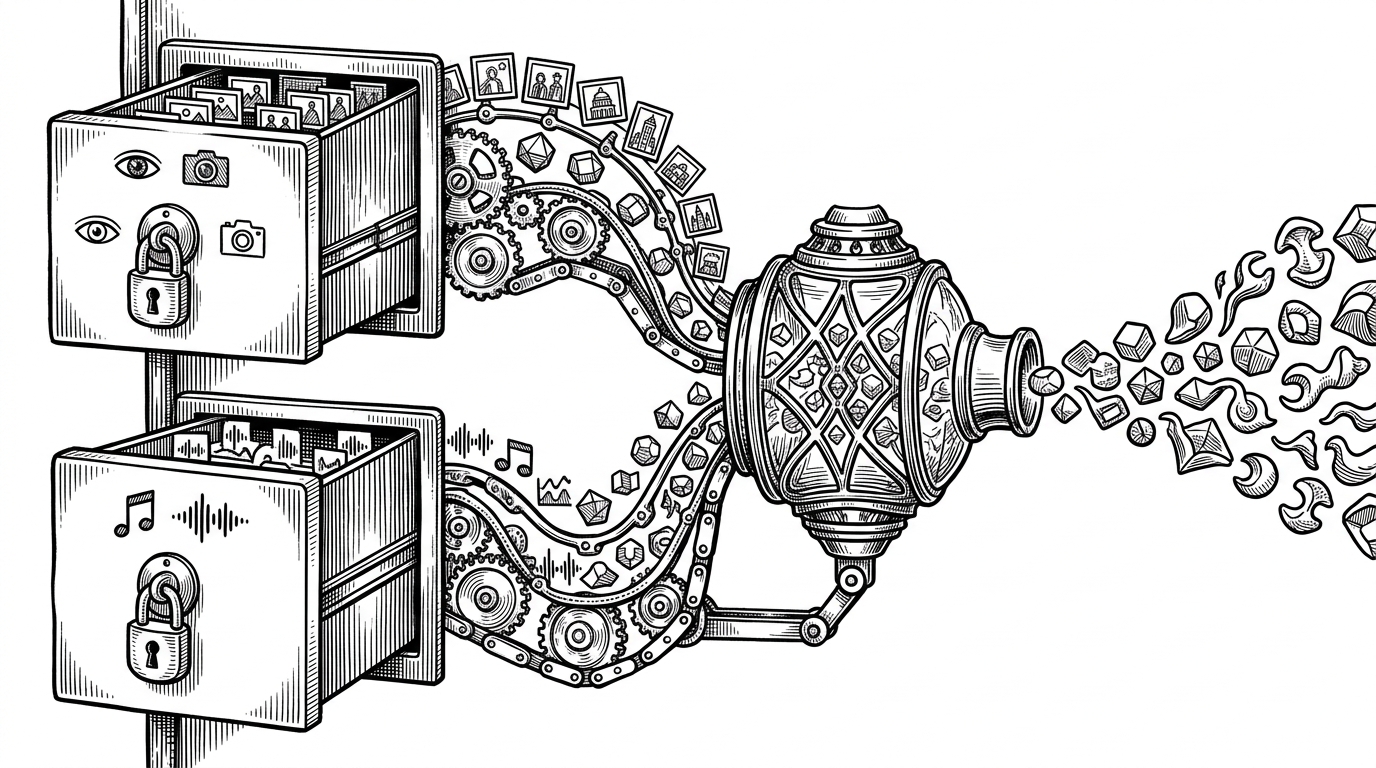
The repo’s central idea is simple to say and hard to build: store the important parts of one shot, then feed them into the next shot so identity survives the handoff. In practice, that means paired visual and audio anchors, not just a pile of cached frames.
This changes the unit of generation. JoyAI-Echo is not optimizing for a single perfect moment. It is optimizing for the connective tissue between moments, which is where most long-video systems fall apart.
Inside the memory bank
The implementation lives in PairedAudioVideoMemoryBank and MemoryEntry objects. That naming is the clue. This is not a dumb buffer of old outputs. It is a curated archive of identity-bearing pieces, chosen because they are useful for the next shot, not because they happen to be available.
class PairedAudioVideoMemoryBank:
    def __init__(self, save_mode: str):
        self.save_mode = save_mode
        self.entries = []

    def save(self, video_latents, audio_latents, metadata):
        anchor_frames = select_anchor_frames(video_latents, mode=self.save_mode)
        anchor_audio = select_max_response_audio_window_with_bounds(audio_latents)
        self.entries.append(
            MemoryEntry(
                visual_anchors=anchor_frames,
                audio_anchors=anchor_audio,
                metadata=metadata,
            )
        )

    def retrieve(self, shot_index: int):
        return curate_for_next_shot(self.entries, shot_index)
The important detail is the save strategy. A mode like random_every_shot_frame is not random in the casual sense. It is a policy for picking representative anchors that preserve identity without overfitting the model to one frozen pose.
Why audio matters as much as video
JoyAI-Echo does not treat audio as a decorative layer. The audio window selection logic tries to find informative segments, which helps the model preserve timbre, cadence, and timing alongside appearance. That is crucial, because a voice mismatch can break the illusion faster than a bad background.
This is where the project feels more like a director than a renderer. It is choosing the moments that best describe a character, then carrying those moments across shots so the next scene feels like a continuation instead of a reset.
window = select_max_response_audio_window_with_bounds(
    audio_latents,
    min_seconds=1.0,
    max_seconds=4.0,
)

# The goal is not just synchronization.
# The goal is to preserve the most informative audio slice
# so the next shot inherits timing, energy, and voice character.
How DMD turns a heavy model into a usable one
The other half of the story is speed. JoyAI-Echo uses Distribution Matching Distillation to compress a diffusion-style process into fewer inference steps. That matters because memory only helps if you can actually use it without waiting forever for each shot.
The practical effect is straightforward. Instead of a long denoising run for every segment, the distilled pipeline can generate in roughly 8 to 16 steps, which is what makes the whole story-level workflow feel usable rather than academic.
| Pipeline | Typical feel | Inference shape | Why it matters |
|---|---|---|---|
| Traditional long diffusion | High quality, slow turnaround | Many denoising steps | Hard to iterate shot by shot |
| JoyAI-Echo with DMD | Still heavy, but practical | Few-step distilled generation | Makes continuity workflows feasible |
| Short-video specialist | Fast, polished clip output | Optimized for one-off scenes | Good for moments, weaker for stories |
The speedup is not just a benchmark trophy. It is the thing that lets memory, audio anchoring, and multi-shot prompting become a product pattern instead of a demo trick.
What JoyAI-Echo is really competing with
JoyAI-Echo lives in a narrower lane than many video models. It is not trying to win only on short, flashy clips. It is trying to hold identity across longer sequences, while keeping audio native and the workflow open enough for research and creator tooling.
| Model | Duration focus | Identity consistency | Audio support | Open-source access |
|---|---|---|---|---|
| JoyAI-Echo | Up to 5 minutes, multi-shot | Strong, paired memory bank | Native audio-video generation | Yes, non-commercial |
| LongCat-Video-Avatar 1.5 | Long-form avatar video | Strong for talking heads | Audio-driven | Yes, with its own constraints |
| Kling VIDEO 3.0 Omni | Short clips, storyboard control | Good within short scenes | Native multimodal output | No, closed commercial access |
That comparison clarifies the niche. JoyAI-Echo is not a universal winner. It is a serious attempt to own the awkward middle ground where a single clip is not enough, but a full production pipeline is still too expensive.
The trade-offs: power, hardware, and license
The repo is honest about its costs. It wants serious hardware, it is inference-only, and it is released under a non-commercial license. That combination matters because it shapes who can actually adopt it and how far the community can push it.
For a lab, research team, or platform group, that is manageable. For a casual local user, it is a wall. The project is ambitious enough to need that hardware, but constrained enough that the practical audience is still fairly small.
For the first time, JoyAI-Echo concurrently achieves long-range cross-modal consistency, real-time inference for minute-scale videos, conversational interactivity, and high-resolution output-without compromise-heralding a new paradigm of interactive video generation.
That quote captures the project’s ambition. The code shows the harder truth behind it: the ambition only works if memory selection, audio anchoring, and distilled inference all pull in the same direction.