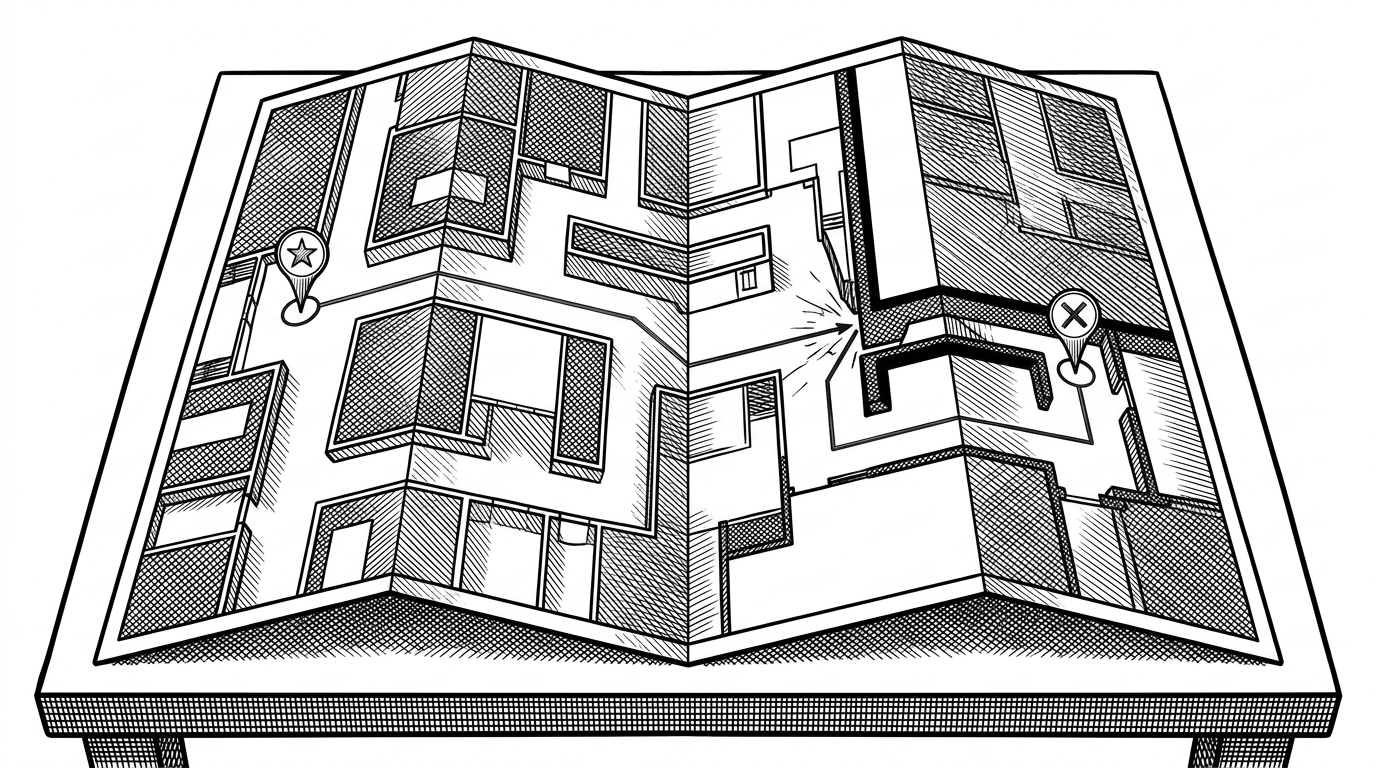
LingBot-Map: The 3D Mapper That Replaces Bundle Adjustment with Memory
A deep dive into the Geometric Context Transformer, the memory tricks that keep long video streams stable, and why this repo feels less like SLAM software and more like a geometric operating system.
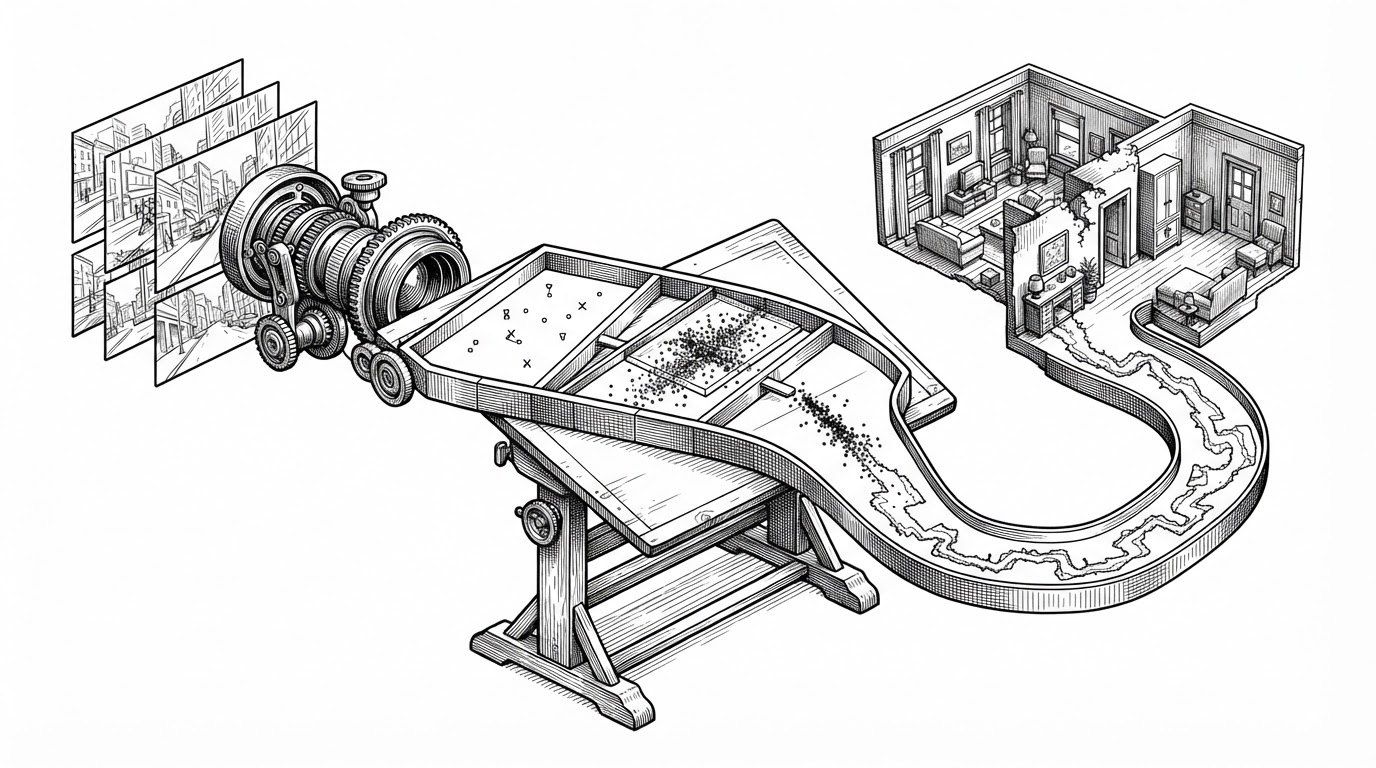
- LingBot-Map reframes long-horizon 3D reconstruction as a streaming memory design problem instead of a scene-by-scene optimization problem.
- Its Geometric Context Transformer divides context into anchor, local pose reference, and trajectory memory so the model can stay grounded while video keeps arriving.
- The repo is more than a model release because its benchmark system and CUDA renderer suggest an attempt to build infrastructure for the whole 3D pipeline.
- The technical bet is simple and ambitious: learned memory policy may be a cleaner path to real-time geometric consistency than classical post-hoc solvers.
The Hard Problem Isn’t Vision. It’s Long-Term Geometric Memory.
Most 3D reconstruction systems are good until the sequence gets long. Then drift accumulates, memory grows, and the model needs some kind of global correction to keep the map from sagging. LingBot-Map starts from that failure mode and makes it the whole design problem.
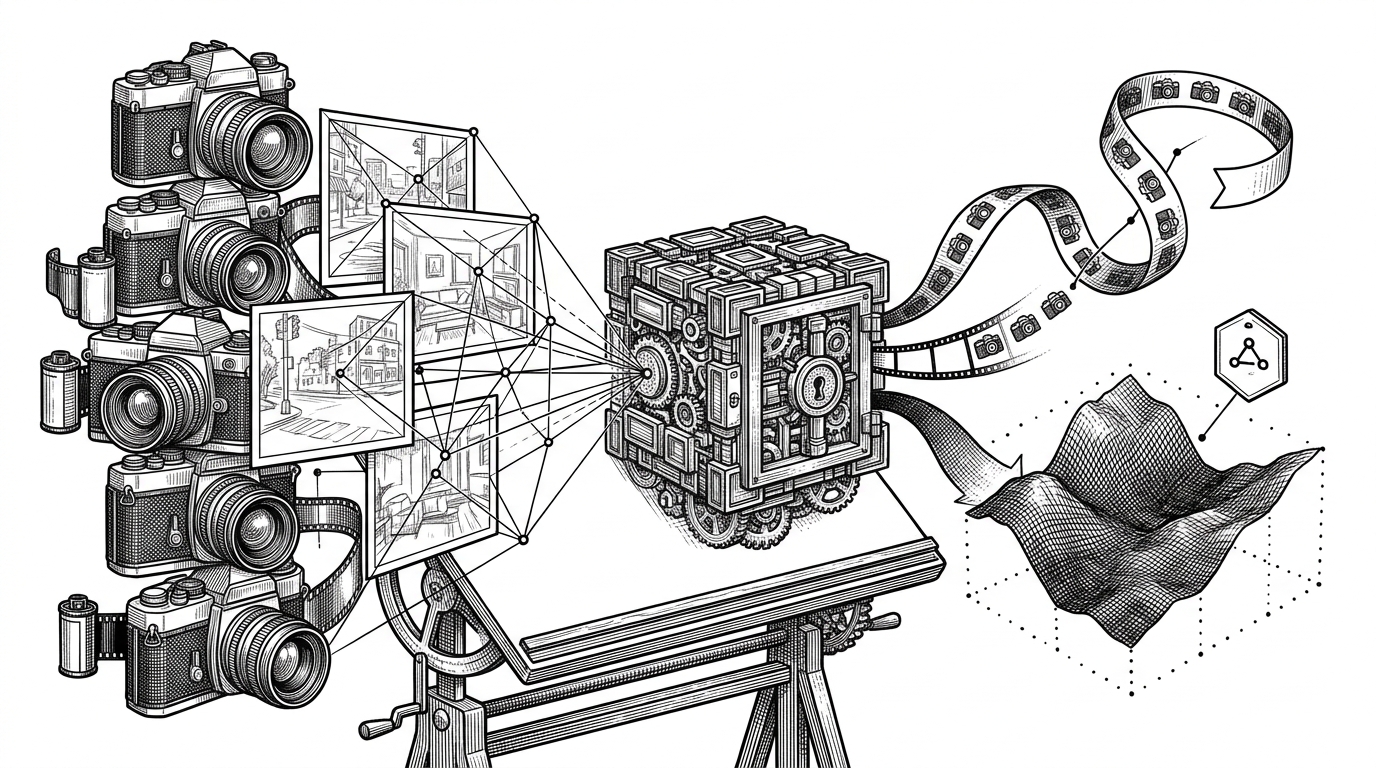
That is the interesting move here. Instead of spending the model’s intelligence on repeated refinement after the fact, LingBot-Map tries to keep geometry coherent while inference is happening. The result reads less like a classic SLAM stack and more like a live reasoning system with a carefully managed memory budget.
LingBot-Map in One Sentence
LingBot-Map is a purely feed-forward streaming model that requires no test-time training or post-optimization, achieving real-time inference through a compact geometric context design.
That sentence matters because it tells you what the repo is trying not to be. It is not a pipeline that reconstructs a scene by repeatedly solving for a better answer. It is a feed-forward system that tries to carry enough state forward to avoid needing that kind of rescue.
The Trick: Three Kinds of Context, One Streaming Model

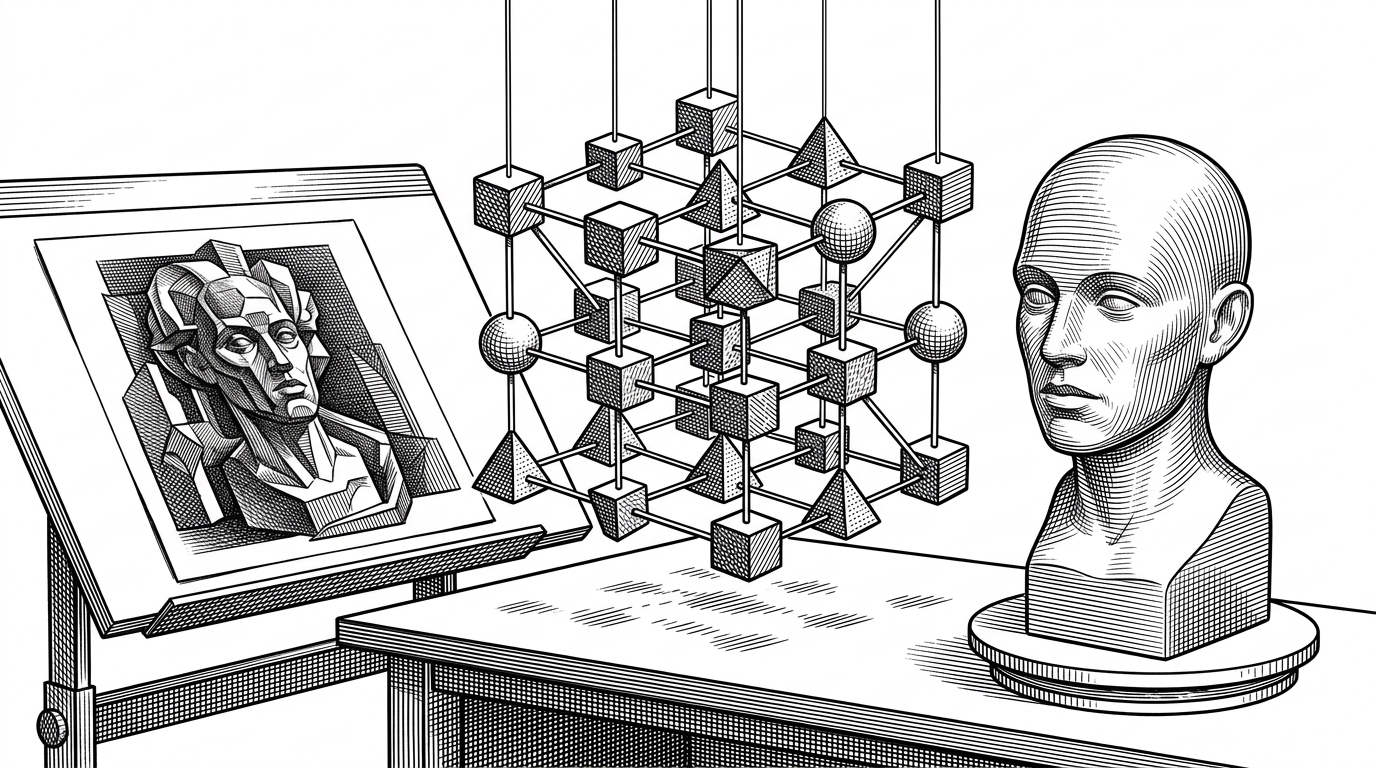
The core differentiator is the Geometric Context Transformer. Its attention design is not generic memory. It splits context into three jobs: anchor context for coordinate grounding, a pose-reference window for local geometry, and trajectory memory for long-range drift correction.
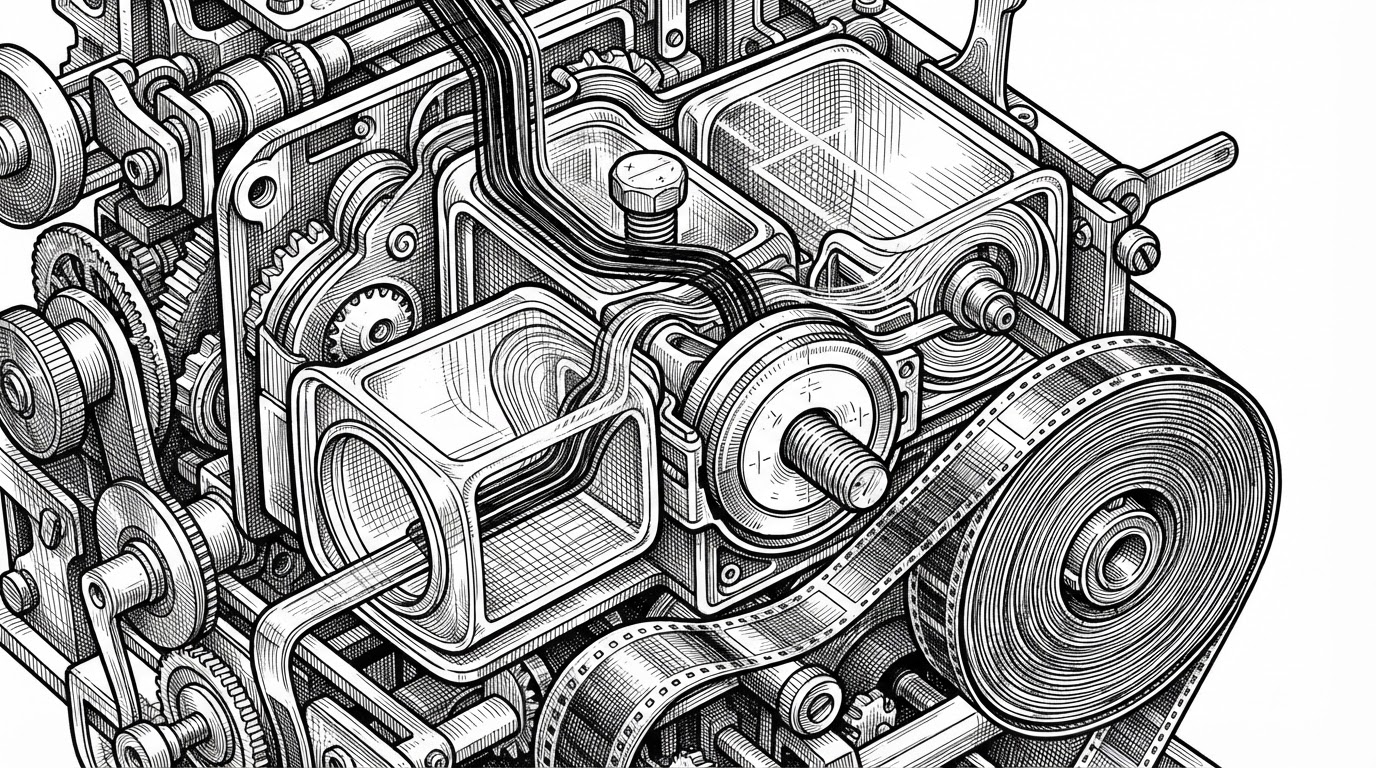
That split is the conceptual unlock. The anchor keeps the model from losing its frame of reference. The local window gives it near-term geometric coherence. The trajectory memory is where the system spends its long-range correction budget when drift starts to creep in.
Why This Is Not Just Another SLAM Pipeline
| System | Input style | Core mechanism | Memory strategy | Long-sequence behavior | Real-time suitability |
|---|---|---|---|---|---|
| Classical SLAM / COLMAP-style optimization | Video or images | Iterative global optimization and bundle adjustment | Explicit map state plus repeated refinement | Strong when optimization converges, fragile when drift and scale grow | Usually not real-time for dense reconstruction |
| DUSt3R / MUSt3R | Image pairs or multi-view streams | Transformer-based dense geometric prediction | Limited or learned context reuse | Good geometry priors, but often still oriented around reconstruction passes | Better than classical pipelines, but not the same streaming bet |
| STream3R | Streaming video | Causal transformer reconstruction | KV cache and causal context | Designed for online operation, but still general-purpose streaming attention | Yes, but memory policy is the challenge |
| LingBot-Map | Streaming video | Geometric Context Transformer | Anchor, pose-reference window, trajectory memory | Targets stability over very long sequences without post-optimization | Yes, with explicit engineering for long runs |
The comparison that matters is not speed alone. LingBot-Map is structurally different because it treats geometric consistency as a learned streaming memory problem. That is a separate category from systems that recover structure by repeatedly optimizing a global objective.
What Happens When Frames Start Piling Up
# benchmark/methods/lingbot_map.py
# Conceptual flow in the repo
sequence = load_video_frames()
keyframe_interval = resolve_keyframe_interval(len(sequence))
state = init_gct_stream(keyframe_interval=keyframe_interval)

for frame in sequence:
    outputs = state.step(frame)
    pose = outputs['pose']
    depth = outputs['depth']
    confidence = outputs['confidence']
    update_memory(pose, depth, confidence)
The engineering details are what keep the thesis from floating away. The repo uses paged KV cache support through FlashInfer, and it also leans on expandable CUDA memory behavior to avoid fragmentation during long runs. In plain terms, it is trying to make transformer memory behave more like a well-managed system resource than a pile of allocations.
The benchmark wrapper adds another useful clue. It adjusts the keyframe interval as sequences get longer, which is exactly the sort of policy you need if the model is supposed to stay stable over thousands of frames instead of only looking good on short clips.
The Benchmarks Are Part of the Product
This is not just a model directory with a few scripts around it. The benchmark layer defines a BSS format, dataset adapters, evaluation hooks, and output schemas for pose, depth, intrinsics, and trajectory metrics. That says the maintainers are building a reproducible test surface, not just a demo.
The Renderer Tells You How Serious the Repo Is
A lot of research repos stop at a forward pass and a metrics table. LingBot-Map also ships a CUDA rendering path with frustum culling and Morton-coded voxel management. That tells you the project is trying to support inspection, visualization, and output quality as first-class concerns.
The rendering pipeline matters because 3D systems are judged by what you can actually look at. If the model is supposed to help robots or AR devices act in the world, a dedicated renderer is not decoration. It is part of the product.
The New Category: Real-Time 3D as a Memory System
LingBot-Map is interesting because it points toward a cleaner category than traditional SLAM. The system does not ask, “How do we solve the map after we see the world?” It asks, “How do we maintain geometric context while the world keeps arriving?”
That is a useful mental shift for embodied AI. If the memory policy is good enough, the model may not need a heavy global fixer at the end. It can stay usable in motion, which is the environment that matters for robots, headsets, and other live systems.