lingbot-world-v2: LingBot-World-Infinity: The Open-Source World Model That Refuses to Forget
How Robbyant turns video generation into a live simulation with causal attention, KV-cache sinks, and real-time control.
- LingBot-World-Infinity treats video as a continuing stream, so the model can keep a world coherent instead of restarting from scratch every clip.
- Its real innovation is memory management, where causal attention, sink tokens, and KV-cache eviction preserve identity without blowing up context.
- The repo is not just a generator. It is a control stack that turns prompts, camera motion, and actions into a playable environment.
- The open-source angle matters because it puts long-horizon interactive world modeling into reach for builders who cannot use closed research systems.
Why infinite matters
Most video generators are clip machines. They make a plausible sequence, then run out of memory, lose geometry, and start improvising. LingBot-World-Infinity is interesting because it tries to do something harder: keep a world alive long enough that the user can move through it.
That shift sounds small until you think about the failure mode. In ordinary long video, the model forgets where the walls are, what a doorway looked like, or which object already moved. Once that happens, you are no longer in a simulation. You are watching a drift problem.
LingBot-World-Infinity stands out as the only model to achieve hour-level (infinite) generation duration within a general domain.
The trick: treat video like a causal stream
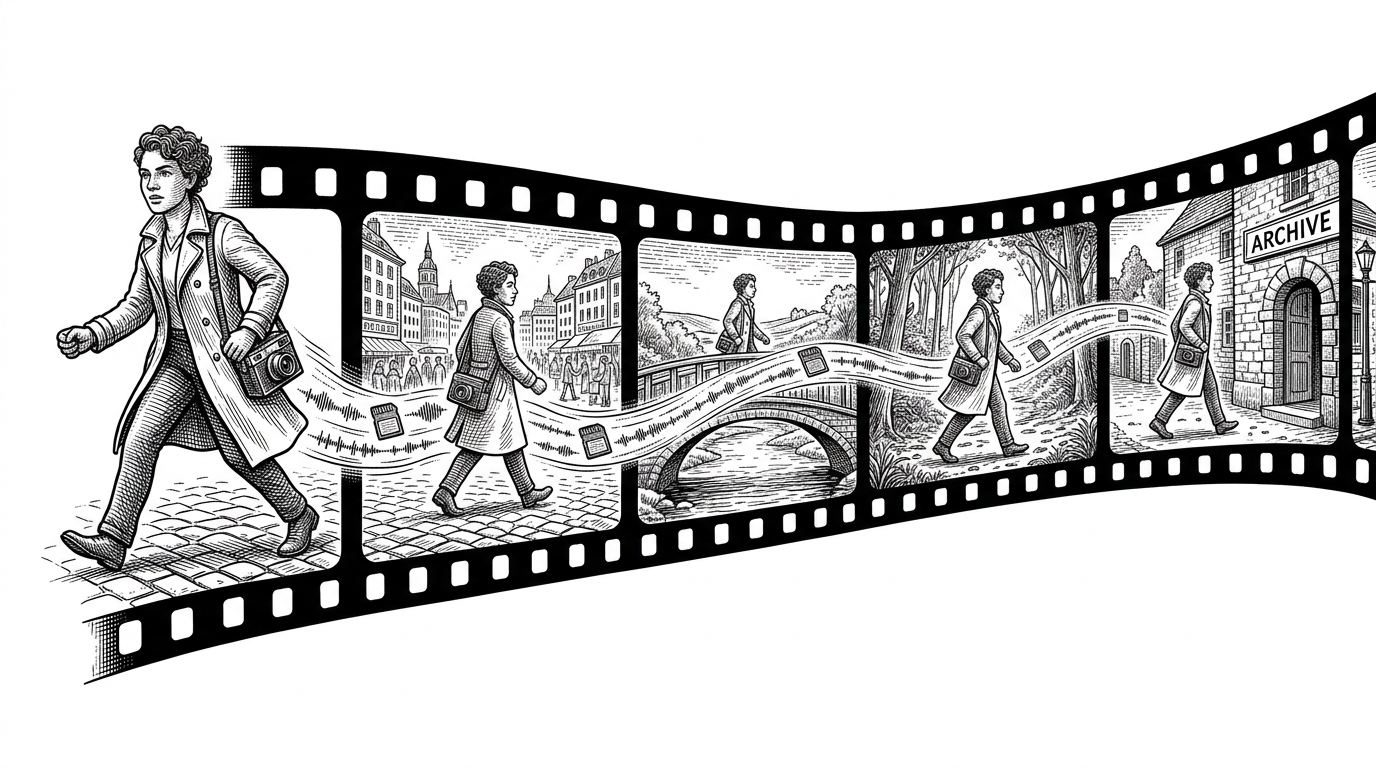
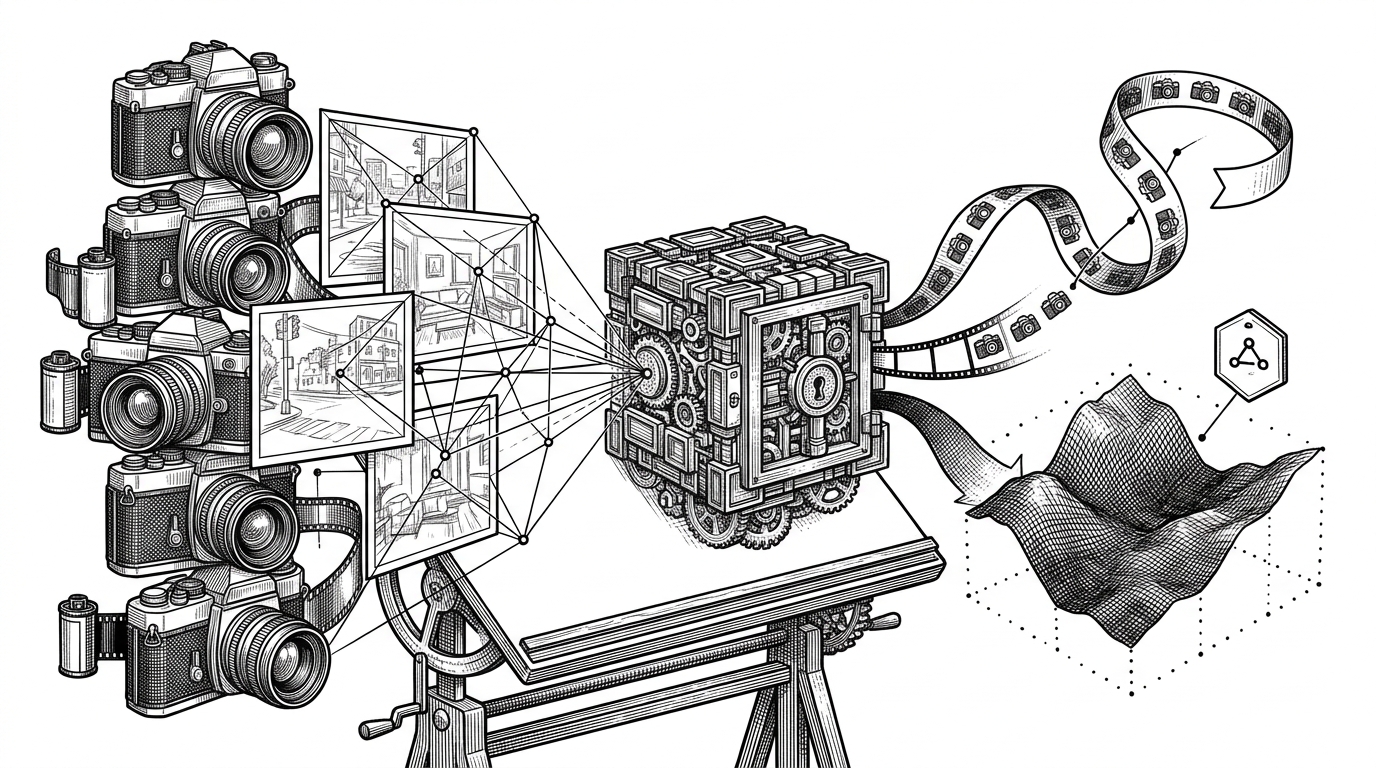
The core move is conceptual. Instead of letting every frame attend to the whole future, the model is trained and deployed causally, so each new step depends on what came before. That turns video from a fixed artifact into a continuation problem.
That is why the repo’s attention machinery matters so much. If you can preserve the first few tokens as stable anchors, let recent context slide forward, and evict old state without destroying scene identity, you get a system that can keep going without collapsing under its own history.
# Simplified mental model
state = anchor_tokens + recent_context
while generating:
    state = evict_old_tokens(state, keep=anchor_tokens)
    next_frame = model.step(state, action, prompt)
    state.append(next_frame)
How the cache keeps the world alive
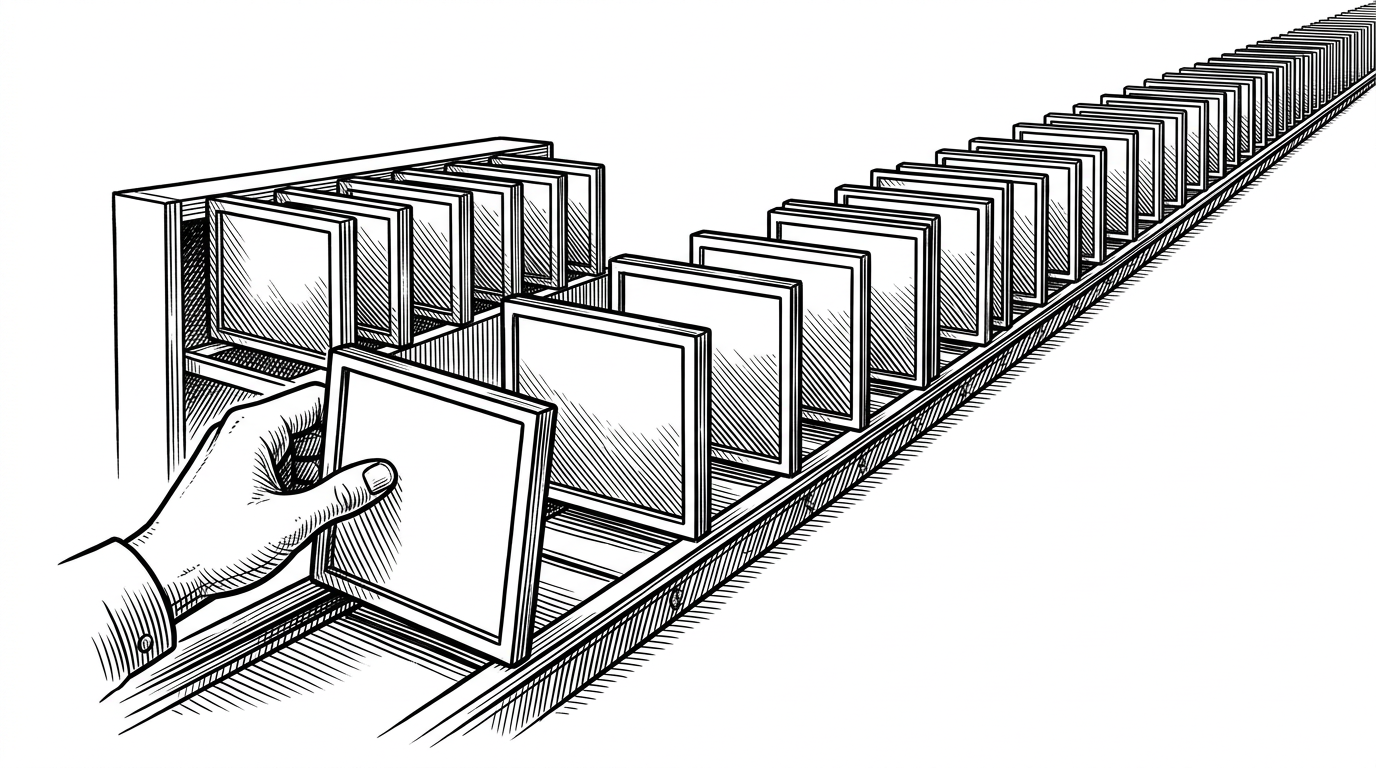
This is where SelfAttention_KVCache becomes the headline feature, not a footnote. The model keeps a sliding key-value cache, preserves sink tokens at the front, and discards old tokens once the active window grows too large. In practice, that is what stops memory from exploding while the scene stays recognizable.
The important detail is what the cache is protecting. It is not just speed. It is continuity. The early frames carry global context, while the newer frames carry the immediate state of motion, position, and appearance. The model keeps both without pretending it can remember everything forever.
From text prompt to playable scene
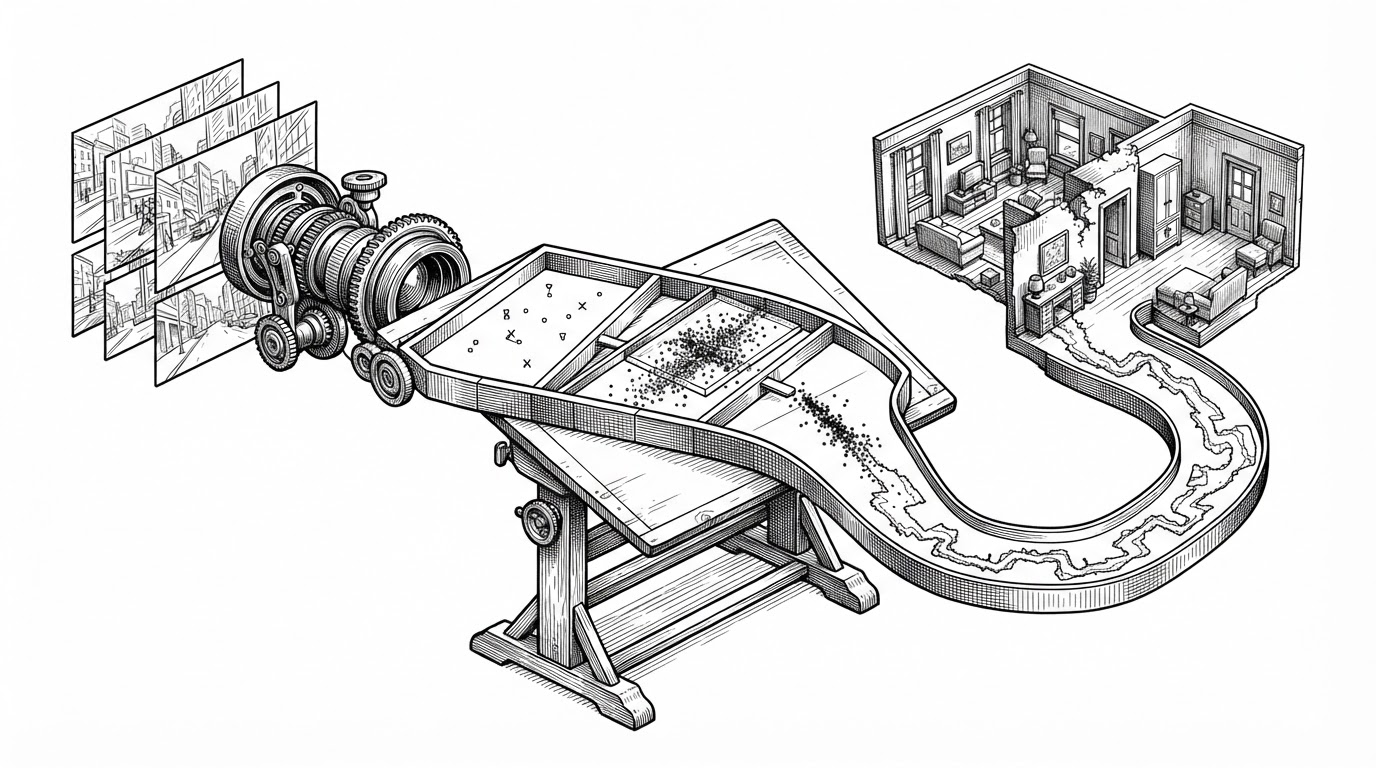
The orchestration layer matters because the model is not just a video backbone. The repo wires together a T5 encoder, a VAE, and a DiT-based generator through WanI2VCausal. That is the difference between a latent video toy and a controllable environment.
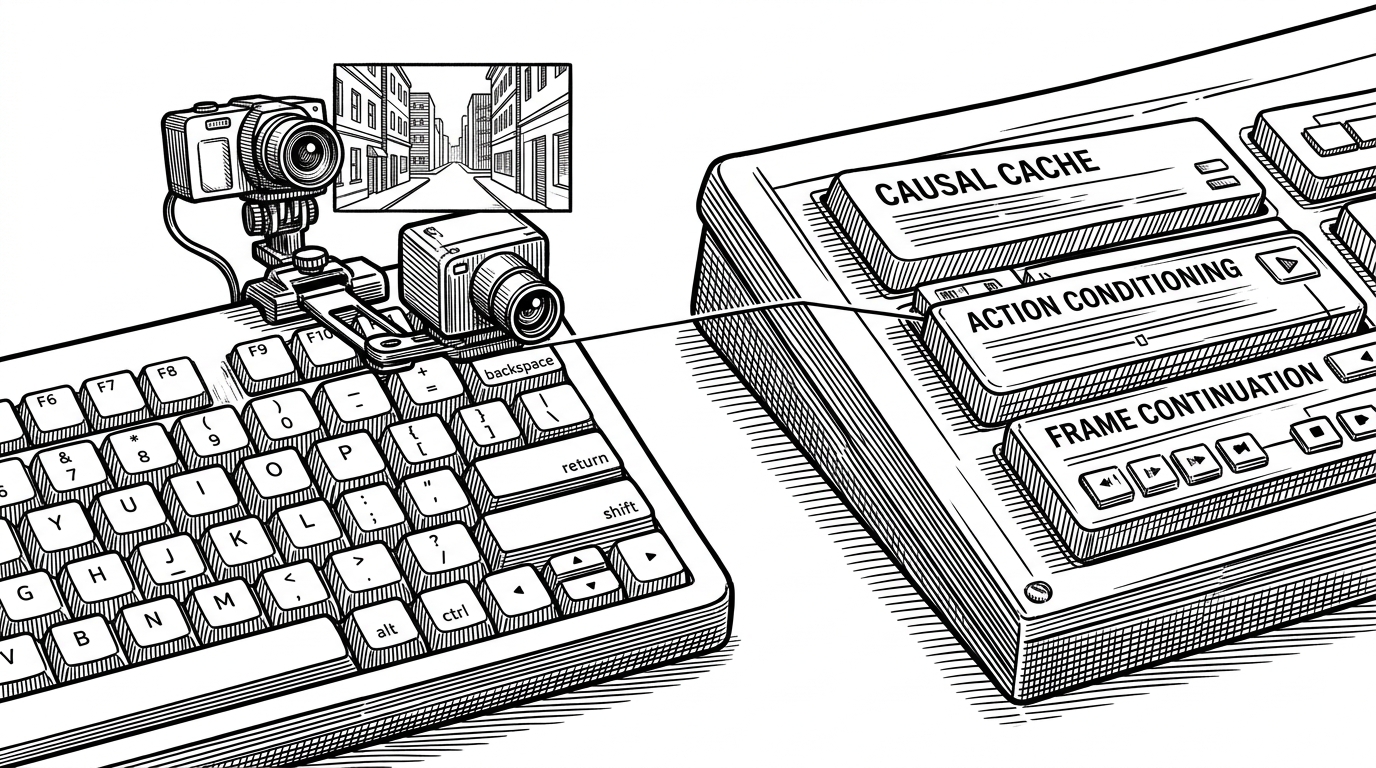
The examples make the intent obvious. Camera poses, actions, and other structured inputs are treated as first-class signals. That means the generated world can respond to motion, not just language. In other words, the scene can be driven, not merely described.
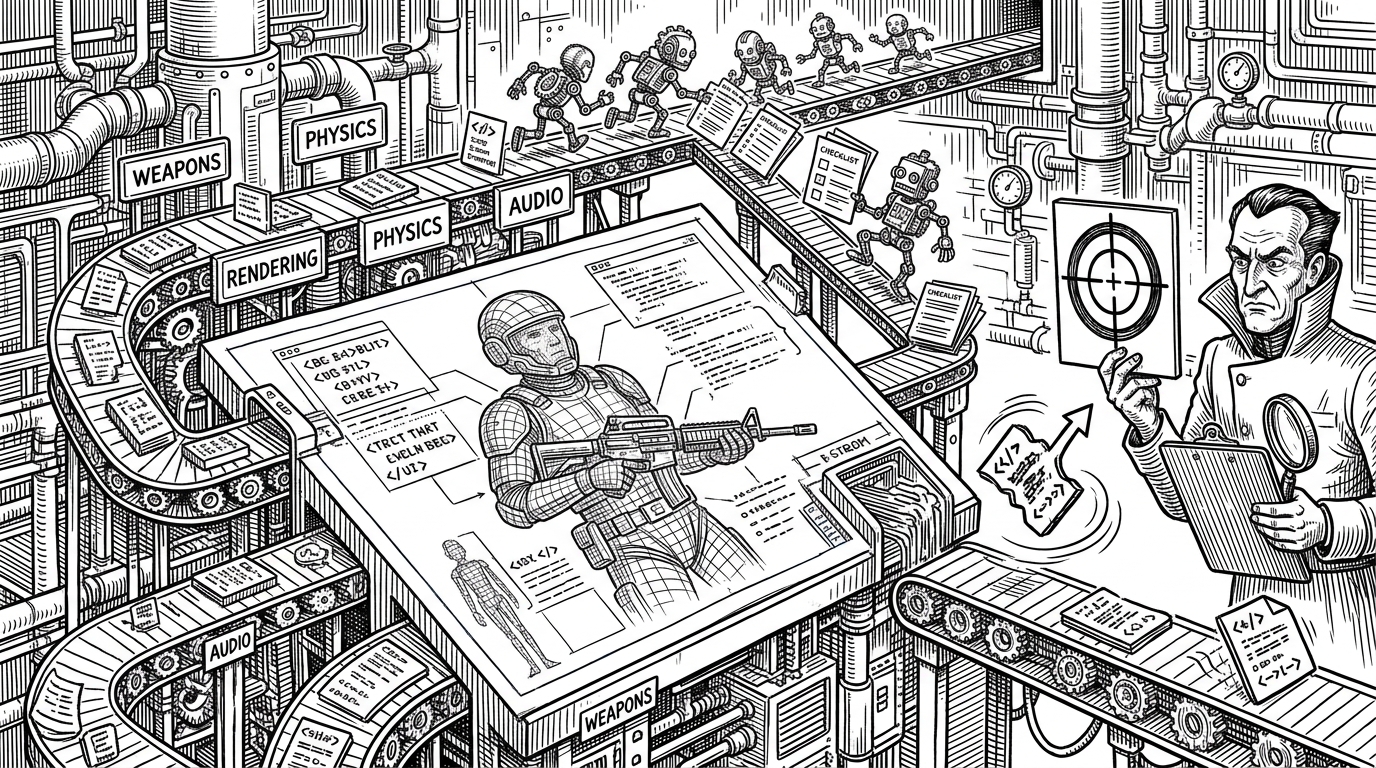
We pioneer the integration of an agentic harness within the domain of world modeling, wherein a pilot agent is tasked with planning and executing character behaviors, while a director agent is responsible for synthesizing novel environmental elements as the scene progresses.
Why the fast path matters
The fast variant is not a side quest. It is the practical bridge between a heavyweight 14B model and something people can actually interact with. The repo’s infer_mode="causal_fast" path distills the model and cuts sampling steps dramatically, which is how the system moves toward real-time responsiveness.
That trade-off is the usual one, but the framing is better here. The question is not whether speed is useful. It is whether the model can keep enough coherence when the step budget shrinks. LingBot’s answer is to defend continuity at the memory layer first, then optimize sampling around it.
| Mode | Sampling behavior | Strength | Trade-off |
|---|---|---|---|
| Causal pretrain | Fuller sampling path | Best fidelity and temporal stability | Heavier and slower |
| Causal fast | Distilled few-step path | Lower latency and more responsive control | Less detail than the full model |
Where it fits in the world-model race
The competitive frame is straightforward. Genie 3 is the benchmark many readers will know, but it is closed. Matrix-Game 3.0 is fast and open, GameGen-X is game-minded, and Oasis shows how far domain-specific real-time simulation can go. LingBot-World-Infinity sits in the middle of those strengths with an unusually sharp claim: open weights, causal continuity, action conditioning, and real-time usability in one package.
| Project | Open source | Real-time interactivity | Long-horizon continuity | Action conditioning | Main trade-off |
|---|---|---|---|---|---|
| LingBot-World-Infinity | Yes | Yes | Yes, designed for long horizons | Yes, including character actions | Heavy compute and young ecosystem |
| Genie 3 | No | Yes | Yes, but closed preview | Limited public detail | Not open to builders |
| Matrix-Game 3.0 | Yes | Yes | Strong streaming focus | Yes | Less emphasis on agentic harness |
| GameGen-X | Yes | Partial | Good game asset consistency | Yes | More game-specific than general |
| Oasis | Yes | Yes | Strong in targeted domains | Domain-specific | Narrower scope than general world modeling |
What the repo reveals about the team
This is packaged like infrastructure, not a demo. The codebase is organized around model variants, distributed training, camera utilities, and inference entry points. That points to a team that expects to scale the system, not just show a one-off result.
The larger signal is maturity. There is a clear separation between standard, causal, and fast implementations, plus support for distributed execution and structured inputs. The repo reads like something meant to be used by other engineers, not just admired by them.