RhinoHealth/agent-skills: The Empty Repo Hinting at Healthcare Agents With Hands
A first look at how Rhino Health is positioning skills as the layer that lets general AI agents plan, execute, and stay inside the rules of federated healthcare workflows.

- RhinoHealth/agent-skills reads less like a finished product and more like a strategic signal about where healthcare AI is heading.
- The repo points to a new middle layer between a general agent and a regulated workflow: reusable skills that package safe, domain-specific know-how.
- In federated healthcare, that layer matters because it can turn intent into execution without moving raw data across institutional boundaries.
- The real competition is not only between frameworks, but between different ways of standardizing agent behavior inside constrained environments.
The repo is almost empty. That is exactly why it is interesting. RhinoHealth/agent-skills has the feel of a placeholder, but in a fast-moving category like agent tooling, a placeholder can still be a roadmap.
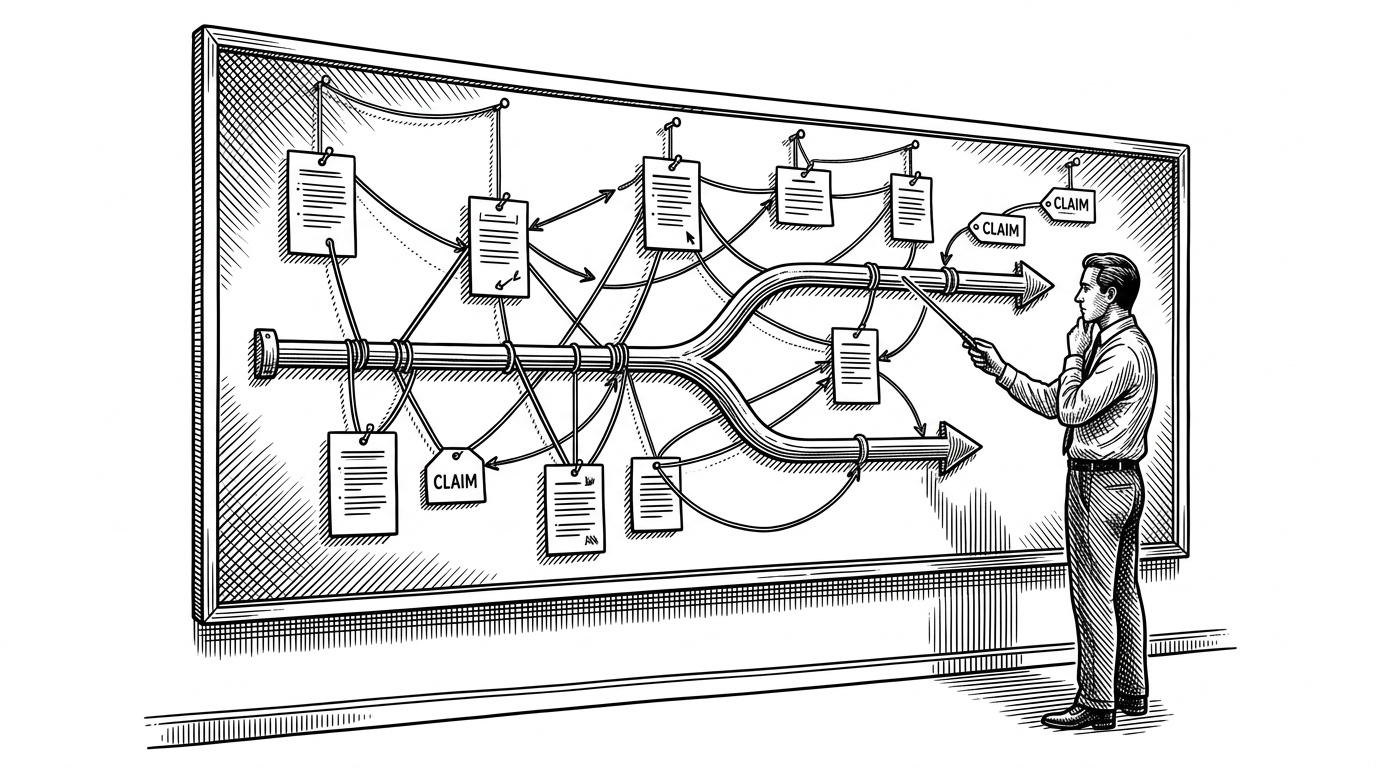
Rhino Health is not trying to win the generic agent race. It is placing a bet on the layer above the agent, where a reusable skill turns vague intent into a bounded procedure that can survive the rules of federated healthcare.
Rhino Health's federated computing solution, powered by NVIDIA FLARE, is enabling open collaboration to facilitate the training of AI models — essential capabilities to drive the advancement of AI innovation within industries, like healthcare, that handle highly sensitive data
Why a nearly empty repo matters
The repository currently contains just a license file, which makes it look unfinished. But the name does more work than the code does. “Agent skills” is one of the most crowded new ideas in AI: a modular package of know-how that an agent can load when it needs to do something specific.
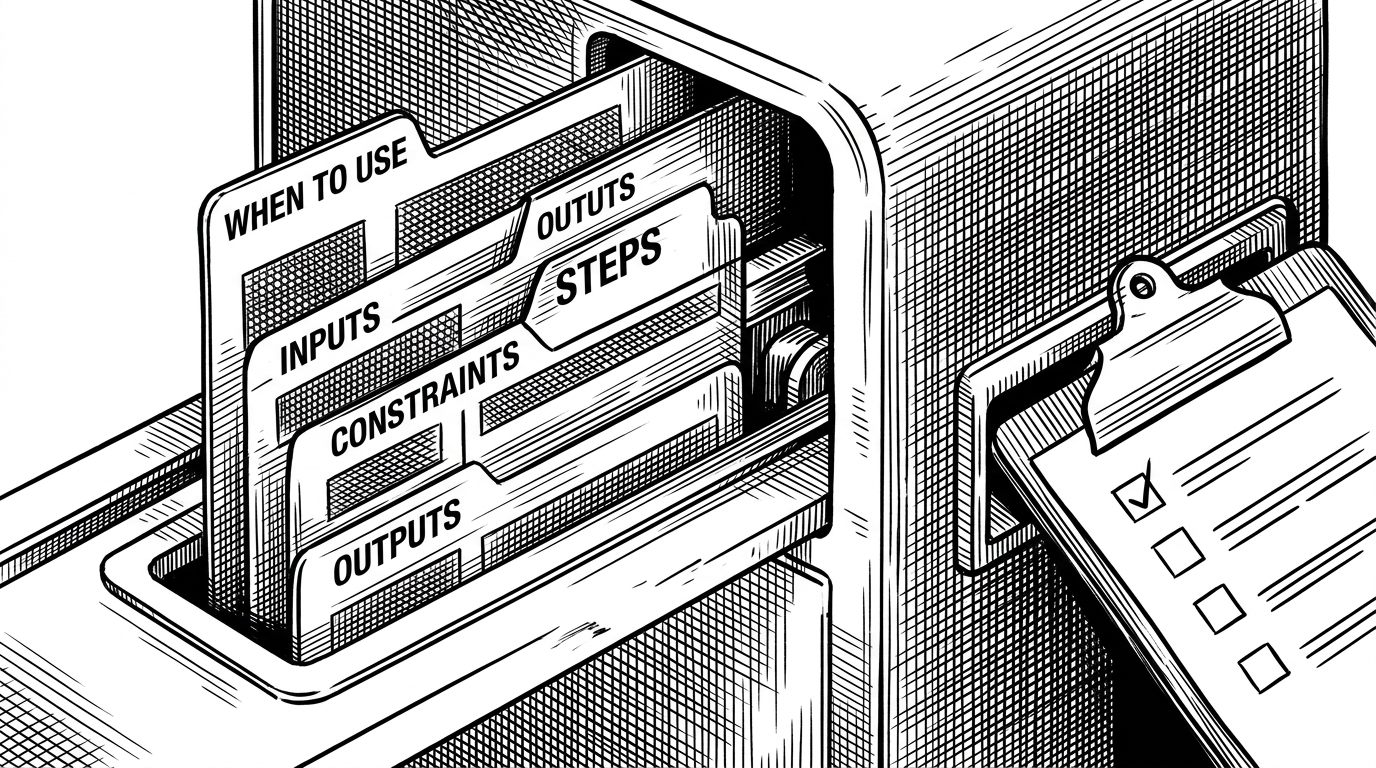
That matters in healthcare because the hard part is rarely the answer. It is the procedure. A hospital workflow is full of constraints: data locality, privacy, auditability, and domain-specific steps that cannot be guessed from a prompt alone.
The layer above the agent
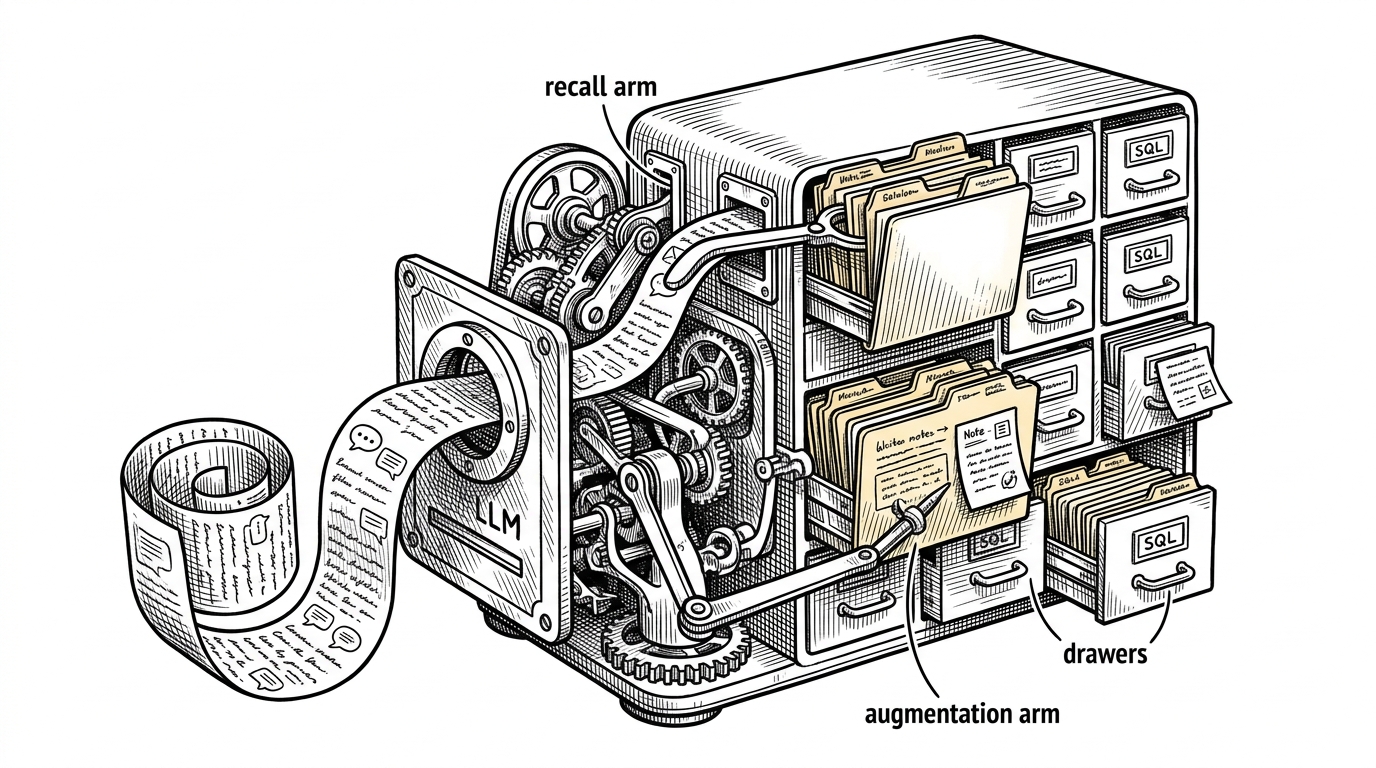
That middle layer is the whole story. The agent decides what to do. The skill defines how to do it. The federated platform decides what is allowed to move, and what must stay local.
Why Rhino Health cares
Rhino Health lives in the part of AI where the data is distributed, sensitive, and governed. That changes the product logic. A generic agent framework wants flexibility. A healthcare workflow wants repeatability, constraints, and a clear chain of custody.
The strongest read on this repo is that Rhino is trying to make its federated stack easier to use through a skill package. The public value is not just convenience. It is adoption. If an agent can call a well-defined skill, then a developer does not need to become fluent in every edge of the underlying federated system first.
| Layer | What it is | What problem it solves | Where it lives | Why it matters in healthcare |
|---|---|---|---|---|
| General agent framework | A planner and orchestrator | Turns user intent into tool use | Reasoning layer | Helps the system decide |
| Domain SDK | A programmatic API for the platform | Exposes concrete platform capabilities | Execution layer | Lets developers talk to the system directly |
| Rhino-style skill package | A reusable procedure with constraints | Packages safe, domain-specific know-how | Behavior layer above the SDK | Lets agents act without improvising inside regulated workflows |
Skills vs. frameworks vs. SDKs
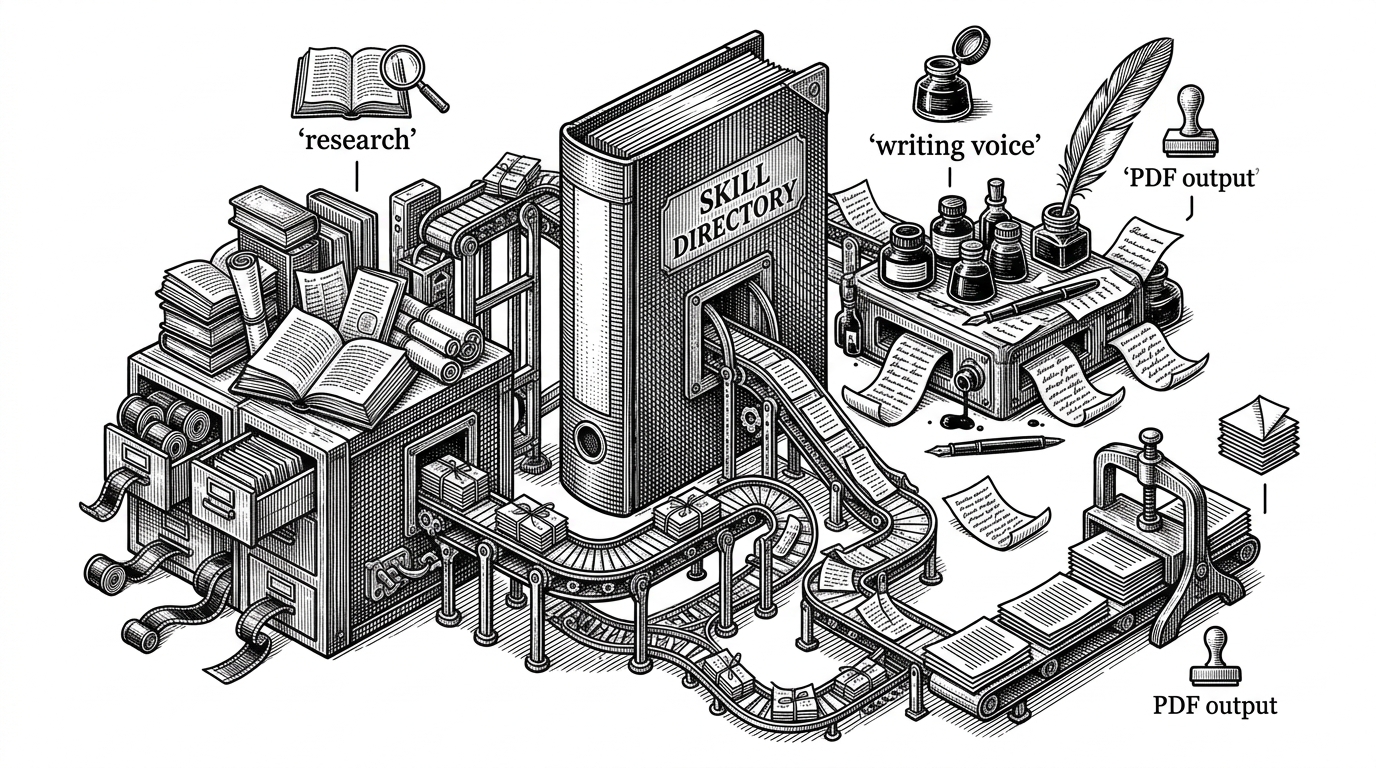
This is where the distinction gets useful. A framework gives an agent a way to reason and route work. An SDK gives a developer the verbs to call the platform. A skill packages the playbook for a specific task so the agent does not have to invent the steps every time.
In practice, that means the skill can sit beside the framework, above the SDK, and in front of the federated workflow. It is not trying to replace any of them. It is trying to make them usable together.
What this repo suggests about the next phase
The emptiness is the clue. RhinoHealth/agent-skills suggests a future where healthcare AI is built from a library of auditable capabilities, not from one giant all-purpose agent. That is a more realistic shape for regulated work, where every step has to be explainable, bounded, and repeatable.
If that bet holds, the winning products will not just be models or chat interfaces. They will be the skills that let agents do something valuable without crossing the lines that healthcare cannot afford to blur.