SakanaAI/neuroevolution-for-ai: The README That Tries to Organize a Research Field
A curated Markdown map of labs, libraries, benchmarks, and learning resources shows how neuroevolution becomes usable when someone turns a field into a commons.

- SakanaAI/neuroevolution-for-ai turns a plain README into infrastructure for a fragmented research field.
- Its real product is the template, because consistent metadata makes a link list readable, comparable, and reusable.
- The taxonomy shows neuroevolution as a modern stack that spans NAS, quality diversity, JAX, PyTorch, and hardware-aware deployment.
- Compared with scraped indexes or loose awesome lists, human curation gives the project the trust and signal a young field needs.
The README that behaves like infrastructure
Most repositories sell code. This one sells orientation. SakanaAI/neuroevolution-for-ai turns a scattered research area into something you can scan in one sitting: labs, libraries, benchmarks, and learning resources arranged like a field map. That sounds modest. It is actually infrastructure.
The interesting part is not the list itself. It is the claim hidden inside it: neuroevolution is legible enough to be curated, and valuable enough that the curation matters. When a field is still fragmented, the first useful product is often not software. It is a shared way to read the space.
Why Sakana AI is curating neuroevolution at all
That makes sense for Sakana AI. The company is built around nature-inspired intelligence, so the repo works as both community work and strategic signaling. It tells newcomers where the movement is, and it tells the outside world where Sakana sees momentum.
The repository metadata points to a single primary contributor, lerrytang, which fits the shape of a seed commons. One person can still define the frame of a field if the frame is disciplined. The result feels less like a marketing page and more like a public notebook with editorial standards.
The template is the product
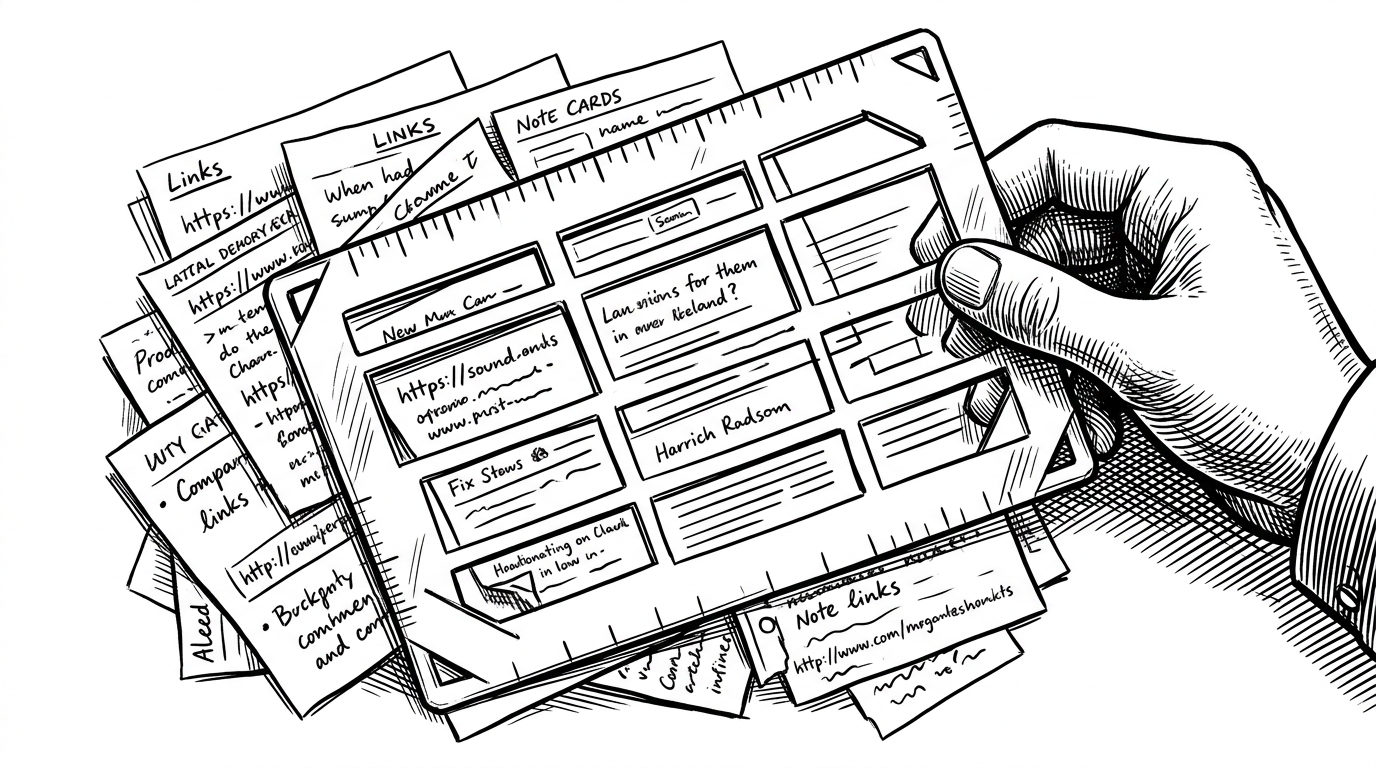
The README behaves like a schema. Entries are expected to be brief, neutral, and structured. Software items carry metadata like Language and License. Research groups, benchmarks, and educational resources sit in their own lanes. That is the real product, a repeatable form that turns links into comparable records.
What the taxonomy says about modern neuroevolution
The categories say a lot about the field. This is not a nostalgia project about old genetic algorithms. The repo points to neural architecture search, quality diversity, JAX and PyTorch implementations, Brax, and hardware-aware deployment. That is a modern stack, not a museum.
That stack also hints at a shift in emphasis. The conversation is no longer just about finding one best model. It is about finding diverse, deployable solutions that can survive real constraints. A library like QDax sits beside a simulator like Brax, and suddenly neuroevolution looks less theoretical and more operational.
Curated commons beats a scraped directory
| Aspect | This repo | Generic awesome list | Scraper-driven index |
|---|---|---|---|
| Signal quality | High. Every entry follows a template, so readers can scan by category. | Mixed. Entries vary widely in depth and shape. | Broad, but noisy and duplicate-prone. |
| Update model | PR-based and human reviewed. | Maintainer-driven, often inconsistent. | Automatic, but fragile when sites change. |
| Trust and consistency | Editorial judgment is visible and repeatable. | Trust depends on whoever added the link. | Trust comes from volume, not context. |
| Discoverability | Category first, then examples. | Mostly linear browsing. | Searchable, but context is thin. |
| Downstream reuse | Easy to turn into a structured site or dataset. | Hard to normalize later. | Easy to crawl, hard to clean. |
| Maintainer role | A commons curator. | A list keeper. | A crawler operator. |
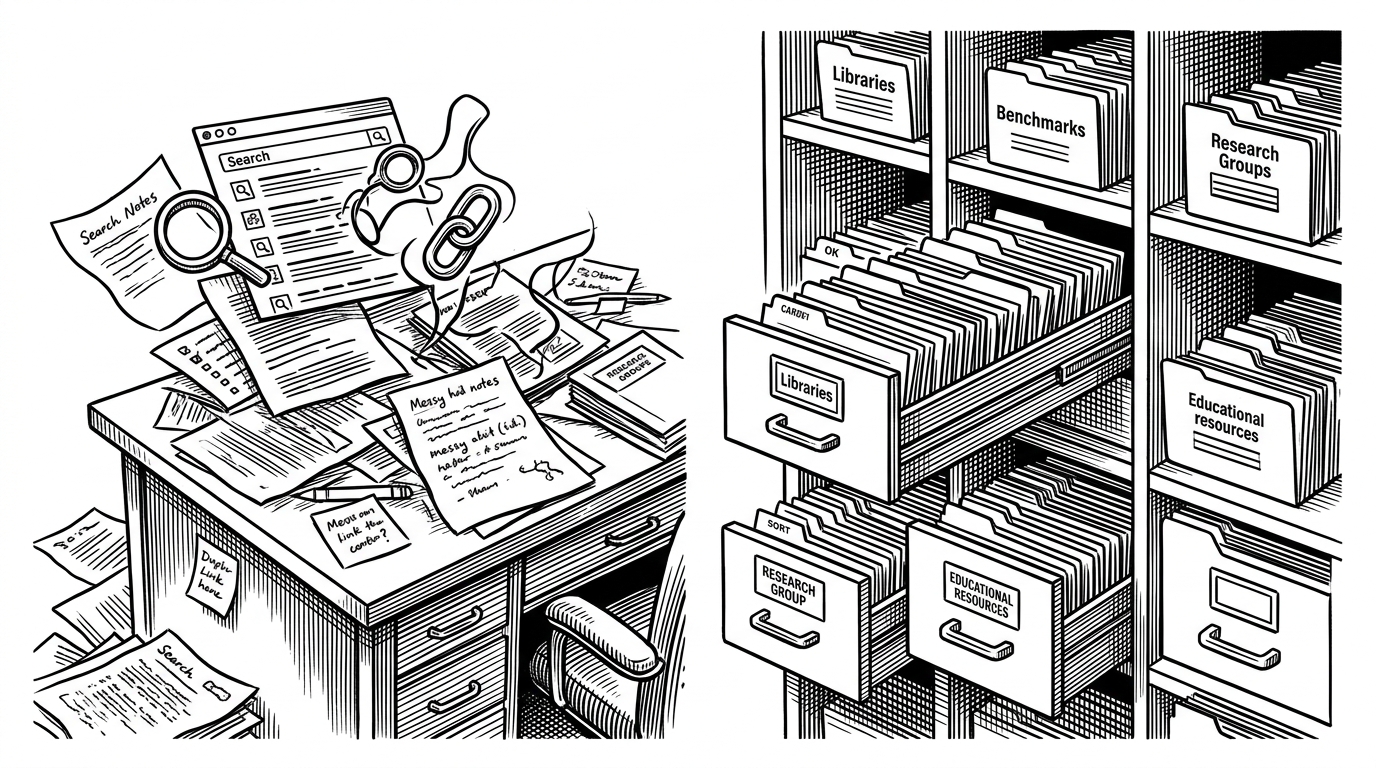
The point is not that automation is bad. It is that automation without taxonomy produces drift, while taxonomy without judgment produces clutter. This repo sits in the useful middle. It uses human editing to make the field easier to navigate, and it keeps the structure clean enough that the work could be reused later.
What this repo could become
If this project keeps maturing, it can become the homepage for a research movement rather than just a convenient bookmark list. The deeper value is not scale. It is legitimacy. A field feels real when someone has done the work of naming it, sorting it, and keeping the sorting honest.
That is the larger thesis here. The repository is a social protocol disguised as a README. It tells contributors how to speak, tells readers how to browse, and tells the field how to see itself.