pi-playwright-extension: Pi Playwright: Giving AI Agents a Persistent Pair of Eyes
How a native extension for the Pi coding agent replaces brittle CSS selectors with a stable, semantic map of the live web.
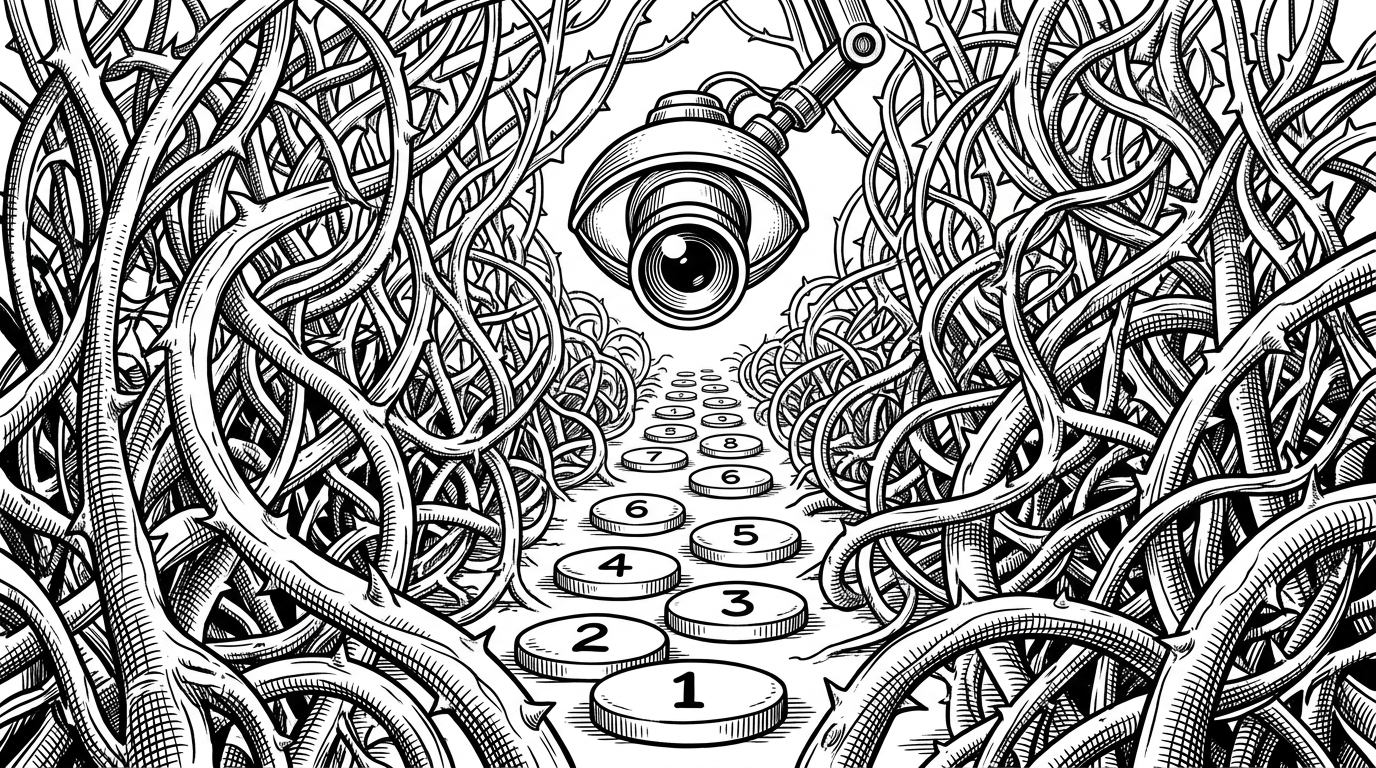
- The extension translates complex HTML into a simplified map of numbered interactive elements to prevent agent hallucination.
- A persistent session engine allows the agent to maintain authentication and state across multiple independent prompts.
- An automated garbage collector manages storage by pruning stale screenshots and video recordings based on custom retention policies.
- The in-process architecture eliminates communication latency between the AI agent and the browser controller.
Beyond the Brittle Selector
Traditional web automation is a war of attrition between developers writing XPath locators and websites constantly changing their structure. When AI agents attempt to navigate the modern web, they frequently hallucinate selectors or fail when dynamic classes shift. The pi-playwright-extension tackles this entirely by abandoning raw HTML parsing.
Instead, the extension acts as a semantic bridge. It translates the chaotic div soup of a page into a stable array of InteractiveElementRef objects. The agent does not see deeply nested spans. It sees a simplified menu of intents. By translating a site into a numbered list of actions, the agent can issue commands like "click ref 12" with absolute certainty.
A Browser with a Memory
Most automation scripts are inherently stateless. They boot up, execute a predetermined path, and terminate. AI agents require a fundamentally different architecture to perform complex, multi-step research. The extension introduces a robust BrowserSession engine designed for persistence.
This session manager maintains cookies, active tabs, and local storage across disparate user prompts. The browser becomes a long-running peripheral. An agent can authenticate into a portal during one turn, read a document in the next, and download a report an hour later, all without losing its authenticated state.
The Artifact Exhaust Pipe
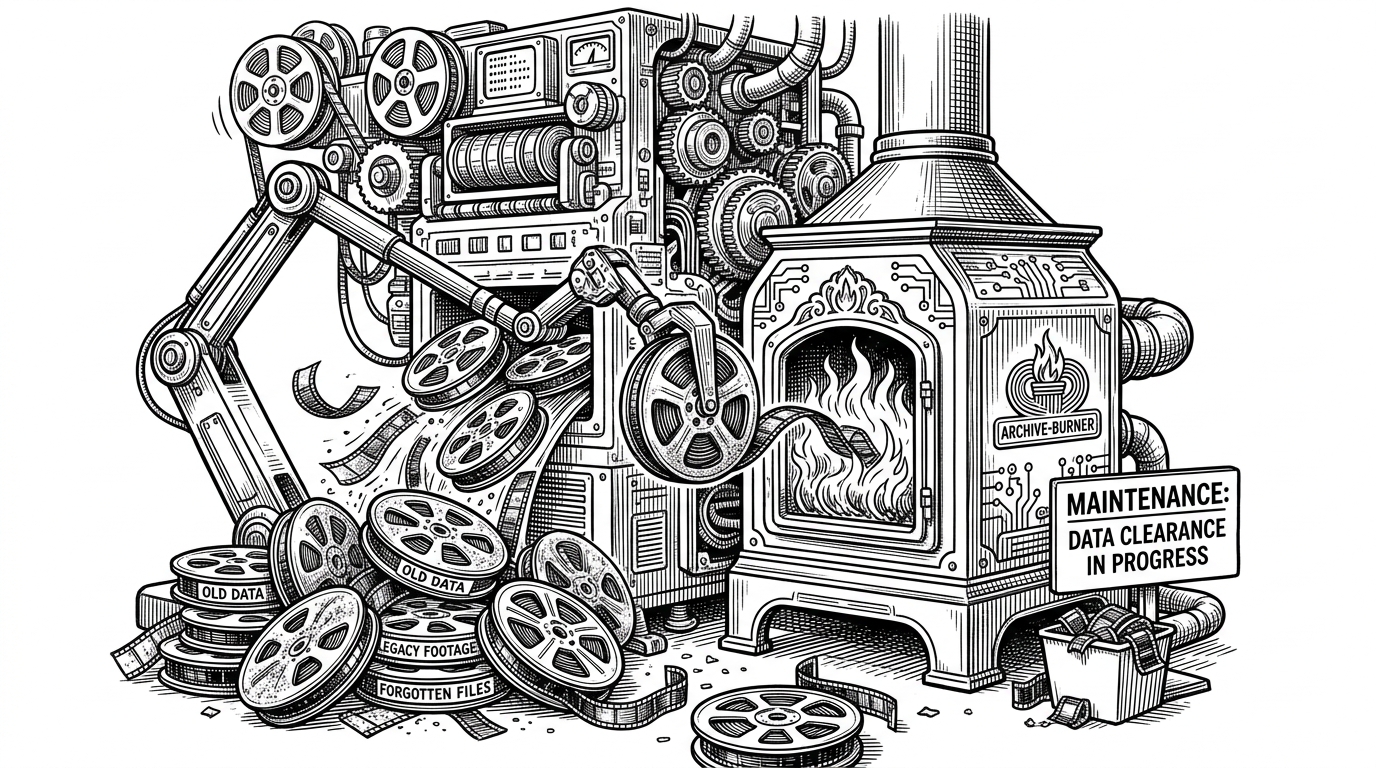
Visual agents generate an immense volume of data. Every navigation step produces screenshots, DOM snapshots, and video recordings. Left unchecked, an autonomous agent will quickly consume all available local storage. The extension treats the agent workspace as a production environment that requires strict lifecycle management.
It includes a built-in garbage collector governed by the pruneArtifacts routine. Users can define retention policies based on byte limits and age thresholds. The system automatically purges stale video reels and network logs, ensuring the backend remains stable even during marathon scraping sessions.
Native vs. Remote: The Latency War
The architectural choice to build a native extension rather than a remote Model Context Protocol (MCP) server is critical. Running the browser automation logic inside the Pi process allows for zero-latency communication between the agent's core and the browser context.
| Feature | Pi Playwright Extension | Generic MCP Browser | Standard Playwright |
|---|---|---|---|
| Architecture | In-Process Extension | Remote Server | Standalone Node Script |
| Element Targeting | Semantic Refs | Raw DOM / Accessibility | CSS / XPath Selectors |
| Session Persistence | Multi-Turn Native | Varies by Server | Stateless per run |
| Auto-Cleanup | Built-in Retention | Manual | Manual |
By bypassing the overhead of external network calls, the extension tightly synchronizes the browser's state with the agent's internal UI. It represents a shift from treating the browser as an external target to treating it as a native internal organ of the AI system.
Sources: Technical details and architectural patterns were synthesized directly from the pi-playwright-extension repository.