Tencent-Hunyuan/Hunyuan3D-2: Translating Pixels to Polygons
How a Flow-Matching Diffusion Transformer and parallel data streams turned days of manual 3D modeling and UV mapping into a sub-10-second inference step.
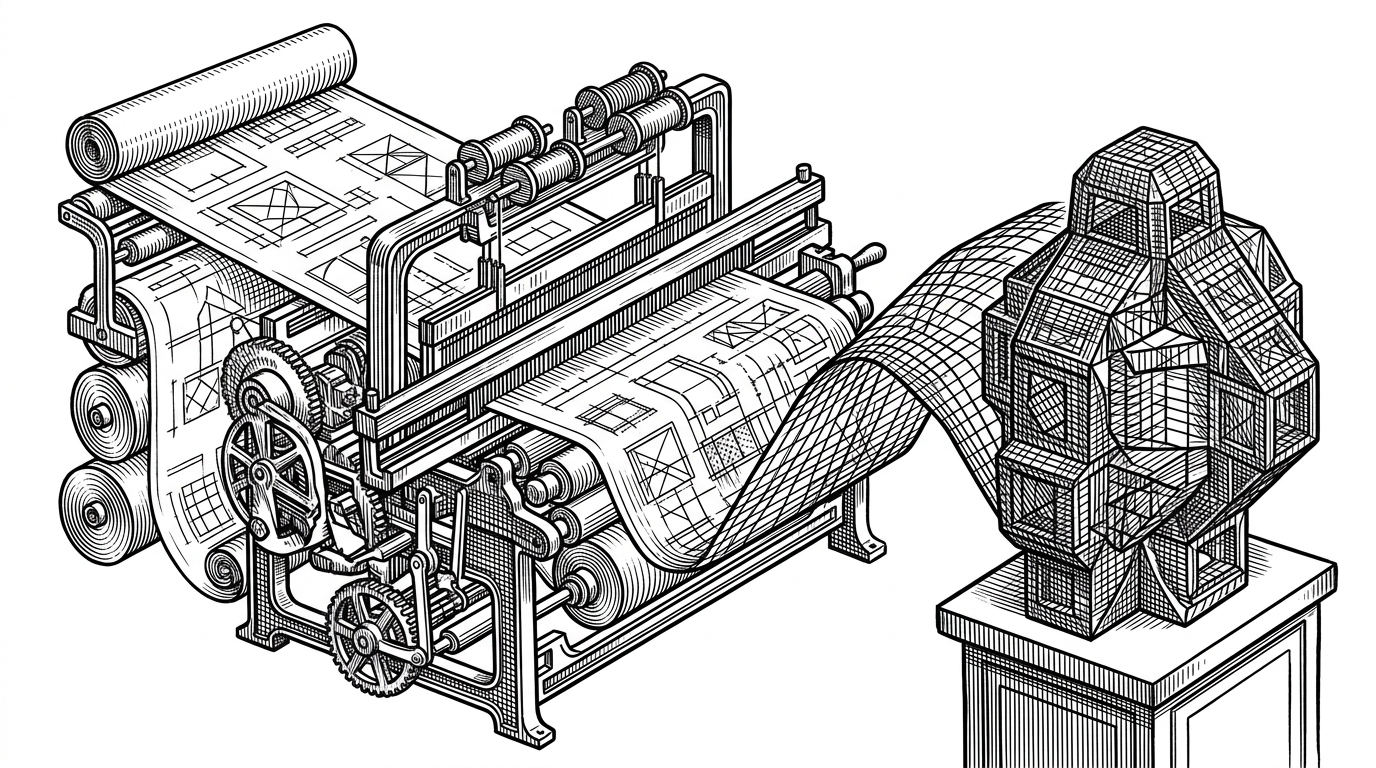
- Hunyuan3D-2 abandons legacy UNet architectures for a Double Stream Diffusion Transformer to maintain strict spatial alignment between 2D prompts and 3D geometry.
- The pipeline replaces blurry vertex coloring with programmatic UV unwrapping via xatlas and dedicated diffusion painting for production-ready PBR textures.
- Tencent utilized distillation techniques to compress a slow multi-step diffusion process into a sub-10-second inference step that runs on consumer GPUs.
The Polygon Problem
For years, AI-generated 3D models looked like melted plastic. Legacy UNet architectures struggled to maintain spatial consistency across three dimensions. They suffered from the Janus problem, where a generated dog might have faces on both the front and back of its head. Textures were equally problematic. Instead of proper material mapping, early models relied on vertex coloring, awkwardly slapping low-resolution pixel data onto bare meshes with baked-in lighting.
Hunyuan3D-2 solves this by fundamentally changing the architecture. It shifts from UNet-based diffusion to a Flow-Matching Diffusion Transformer (DiT). This treats 3D geometry and 2D reference images as parallel data streams, replacing a manual 3D pipeline with a single computational step.
| Feature | Legacy Text-to-3D (UNet) | Hunyuan3D-2 (Flow-Matching DiT) |
|---|---|---|
| Spatial Consistency | Poor (Janus problem, multiple faces) | High (Double Stream alignment) |
| Texturing Method | Vertex coloring (blurry, baked lighting) | PBR textured (UV unwrapped) |
| Generation Time | Minutes to hours | < 10 seconds (FlashVDM) |
| Output Quality | Unusable blobs | Production-ready .glb meshes |
The Double Stream Geometry Engine
The core breakthrough lives inside the hy3dgen/shapegen/ directory. Here, the model utilizes a DoubleStreamBlock within its transformer architecture. Instead of flattening 2D and 3D data into a single context window, it processes image tokens and shape tokens in parallel streams.
This parallel processing allows the model to maintain perfect spatial alignment. Cross-attention mechanisms fire between the 2D squares and 3D cubes. The 3D geometry reshapes itself to match the exact silhouette and features of the 2D reference image from every angle.
The End of Vertex Coloring
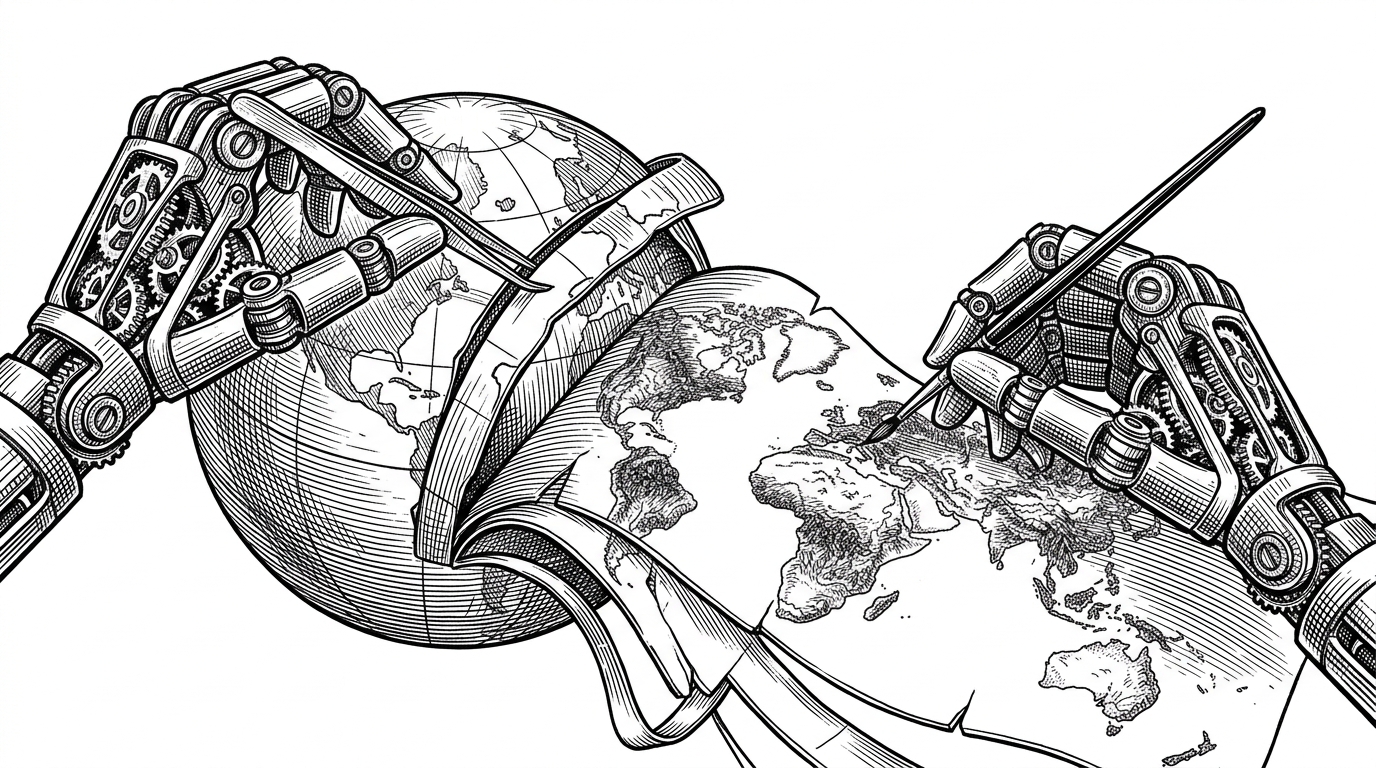
Geometry is only half the battle. A perfect mesh is useless without proper textures. The hy3dgen/texgen/ package handles this by completely avoiding cheap vertex coloring. Instead, it programmatically unwraps the 3D mesh using the xatlas library.
Once the mesh is flattened into a 2D UV map, a dedicated diffusion model takes over. It paints the resulting 2D map with high-resolution details before wrapping it back onto the mesh. This pipeline includes full Physically-Based Rendering (PBR) support, allowing for realistic lighting interactions with metallic surfaces and fabric details.
The 10-Second Distillation
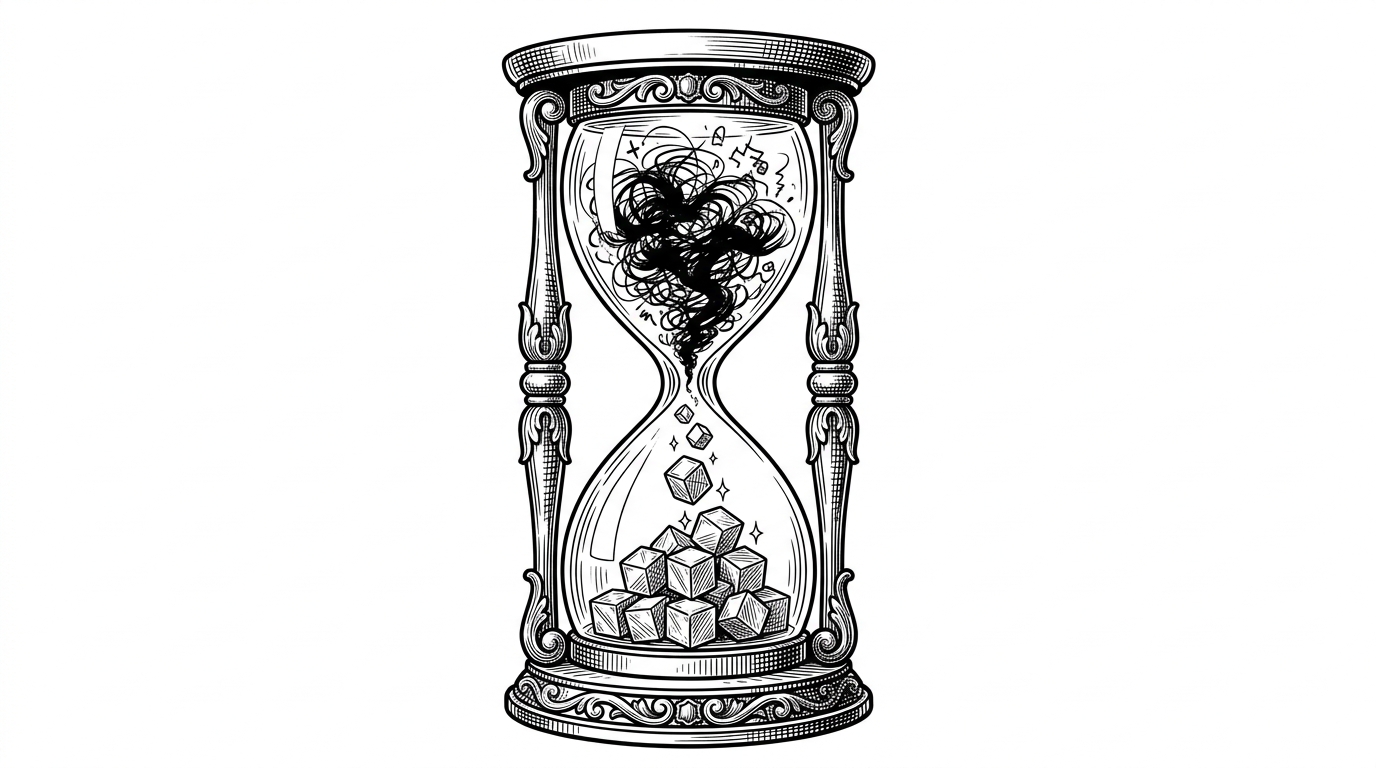
High-quality 3D generation historically required immense compute time. Tencent solved this inference bottleneck through distillation. By utilizing FlashVDM and creating Turbo variants of the model, they compressed a slow, multi-step diffusion process into a rapid generation cycle.
We present Hunyuan3D 2.0, an advanced large-scale 3D synthesis system for generating high-resolution textured 3D assets.
This optimization allows the entire pipeline to run in under ten seconds. It brings professional-grade 3D asset generation to consumer GPUs, drastically altering the economics of game development and spatial computing.
Tencent's Open Source Gambit
Releasing a production-ready system of this caliber under a permissive license is a calculated strategic move. By open-sourcing Hunyuan3D-2, Tencent commoditizes the 3D asset generation layer. It forces competitors to match their baseline while establishing their architecture as the default standard for the community.
The adoption rate reflects the success of this strategy. The community immediately integrated the model into ComfyUI workflows and built native Blender add-ons. By solving the polygon problem in the open, Tencent has drastically accelerated the timeline for scalable, AI-generated spatial computing environments.