ESPionage Firmware: The Pocket Pentest Rig That Turns Your Phone Into the Control Plane
A deep dive into the ESP32-S3 firmware that blends Wi-Fi, BLE, USB, and browser-based telemetry into a truly laptop-free offensive toolkit.
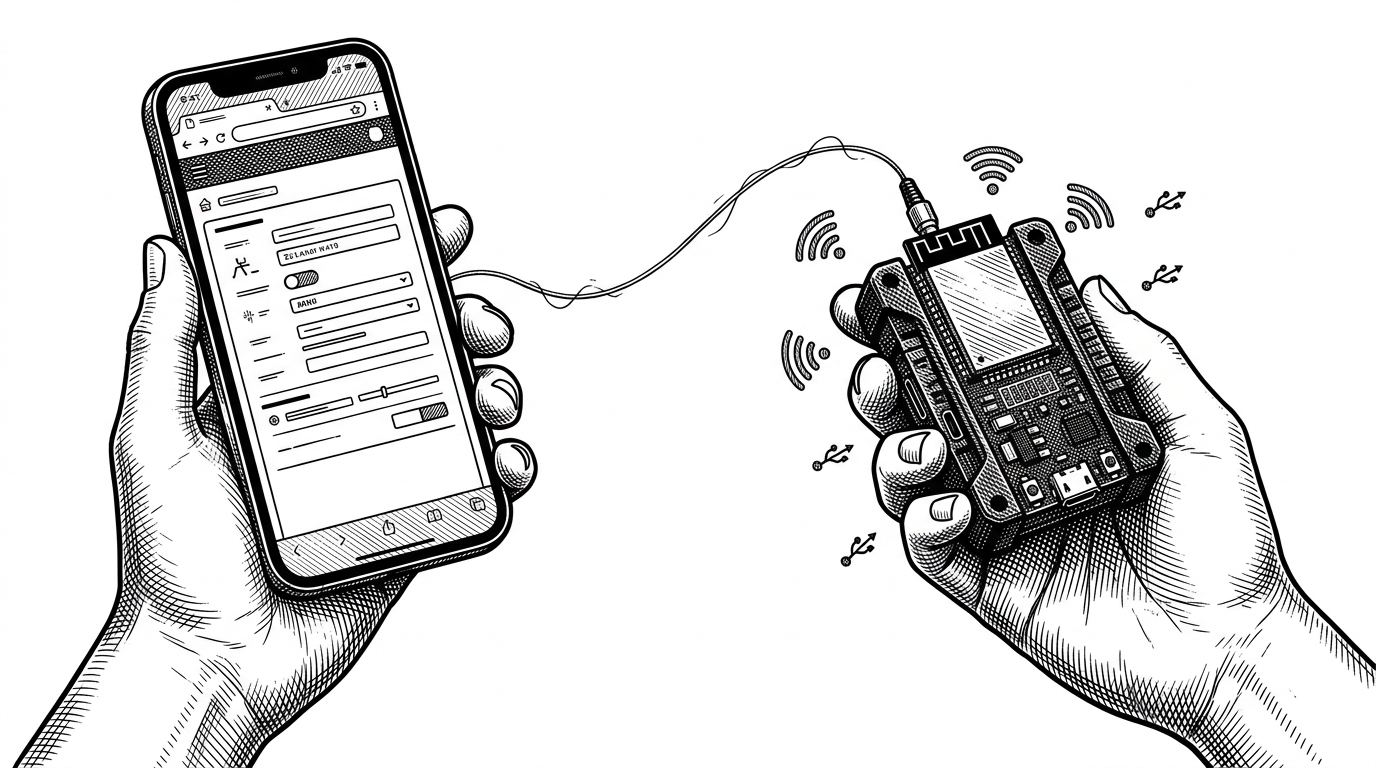
- ESPionage’s main innovation is the operating model, not the attack list, because the phone, browser, and ESP32-S3 behave like one self-contained toolchain.
- The firmware feels stable because it treats radio modes as a state machine, with teardown and handoff logic instead of loose feature toggles.
- Its weirdest and strongest trick is browser-fed GPS and telemetry, which turns a handheld phone into both control surface and sensor.
- The project sits apart from older ESP32 tools by being explicitly mobile-first, laptop-free, and coordinated around constrained hardware.
ESPionage is easiest to miss if you look only at the attack catalog. The more interesting claim is architectural: a cheap ESP32-S3, a phone browser, and a handful of mode switches can behave like a single pocket rig that does not need a laptop at all.
A Pentest Rig That Does Not Need a Laptop
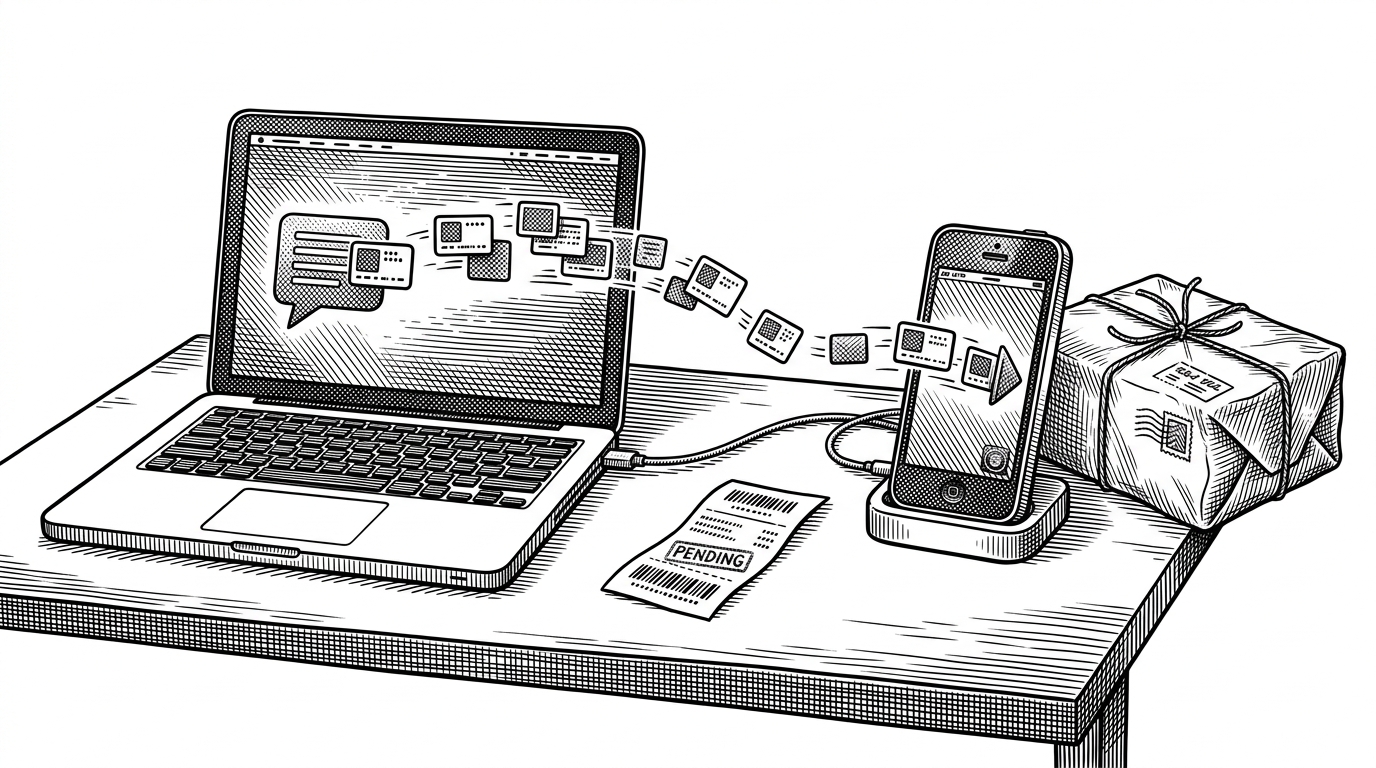
That matters because most field tools still assume a computer nearby. ESPionage pushes the operator into a different posture: the board hosts its own access point, the browser becomes the console, and the phone becomes the thing you already carry for GPS, status, and input.
The result is less like a hobby firmware demo and more like a distributed appliance. The workflow is simple on the surface, but the design pressure underneath is real: constrained memory, one radio budget, and several incompatible modes that need to coexist without chaos.
The Browser Is the Interface, and the Phone Is the Sensor
This is the project’s sharpest idea. The firmware does not just accept remote commands from a browser, it also leans on the handset for geolocation, then posts that data back into the device’s telemetry loop.
That is why the UI matters so much here. It is not a wrapper around firmware features. It is the control plane for a small, mobile, and sensor-augmented offensive stack.
One Firmware, Many Modes
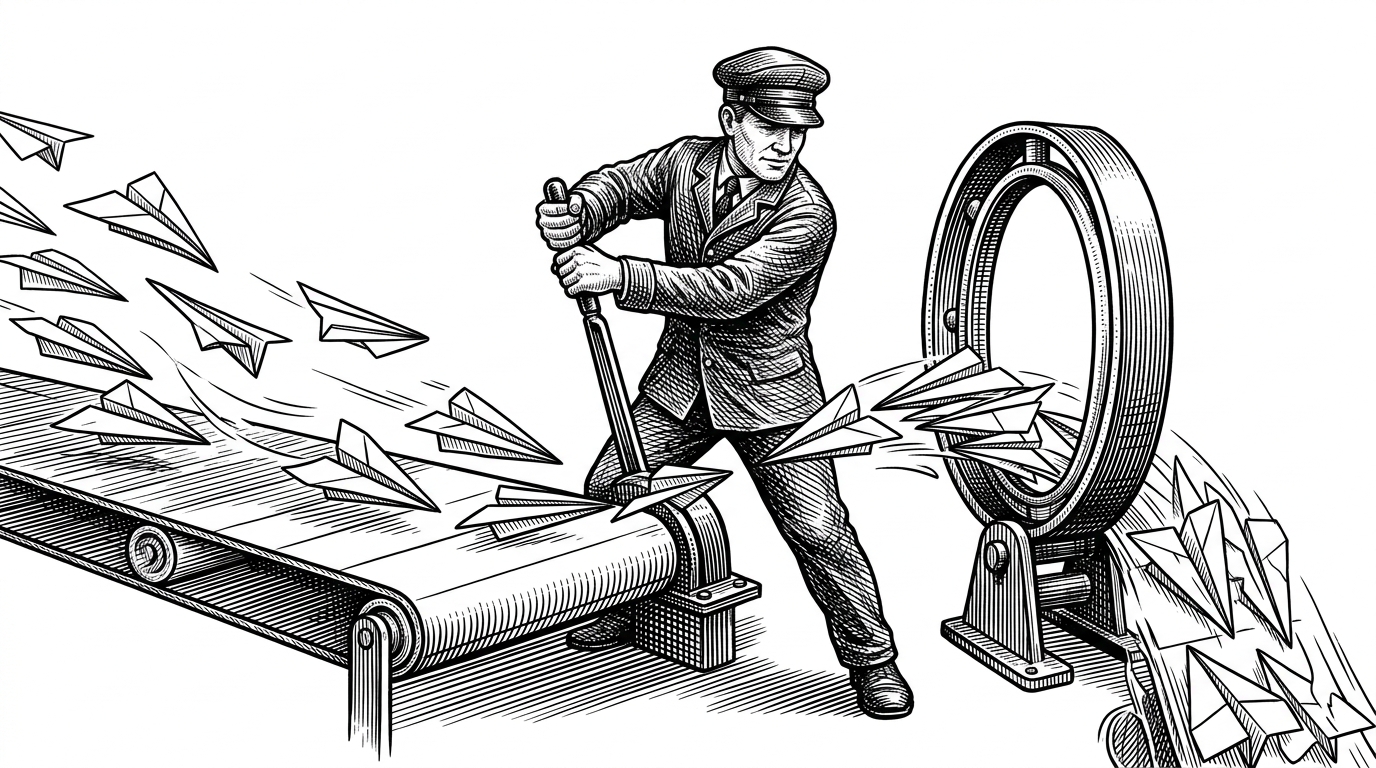
Under the hood, the codebase uses a mode machine to keep the device honest. The key pattern is simple: when the operator switches contexts, the firmware tears down the current mode before starting the next one.
void setMode(Mode newMode) {
  if (currentMode == newMode) return;
  stopCurrentMode();
  currentMode = newMode;
  startMode(newMode);
}

void stopCurrentMode() {
  stopWiFiTasks();
  stopBleTasks();
  stopUsbTasks();
  clearTransientState();
}
That kind of discipline matters on the ESP32-S3 because the platform is doing a lot with little. The firmware is not merely toggling features on and off. It is managing radio contention, transient state, and the kind of cleanup that keeps a compact device from turning flaky after a few mode changes.
Wi-Fi, BLE, and USB: Three Attack Surfaces, One Radio Budget
ESPionage bundles three very different surfaces into one workflow. On Wi-Fi, it can inject raw frames and drive deauth or beacon-style behavior. On BLE, it assembles packet payloads for Apple-targeted proximity and action flows. On USB, it uses the ESP32-S3’s native capabilities for HID-style input and storage impersonation.
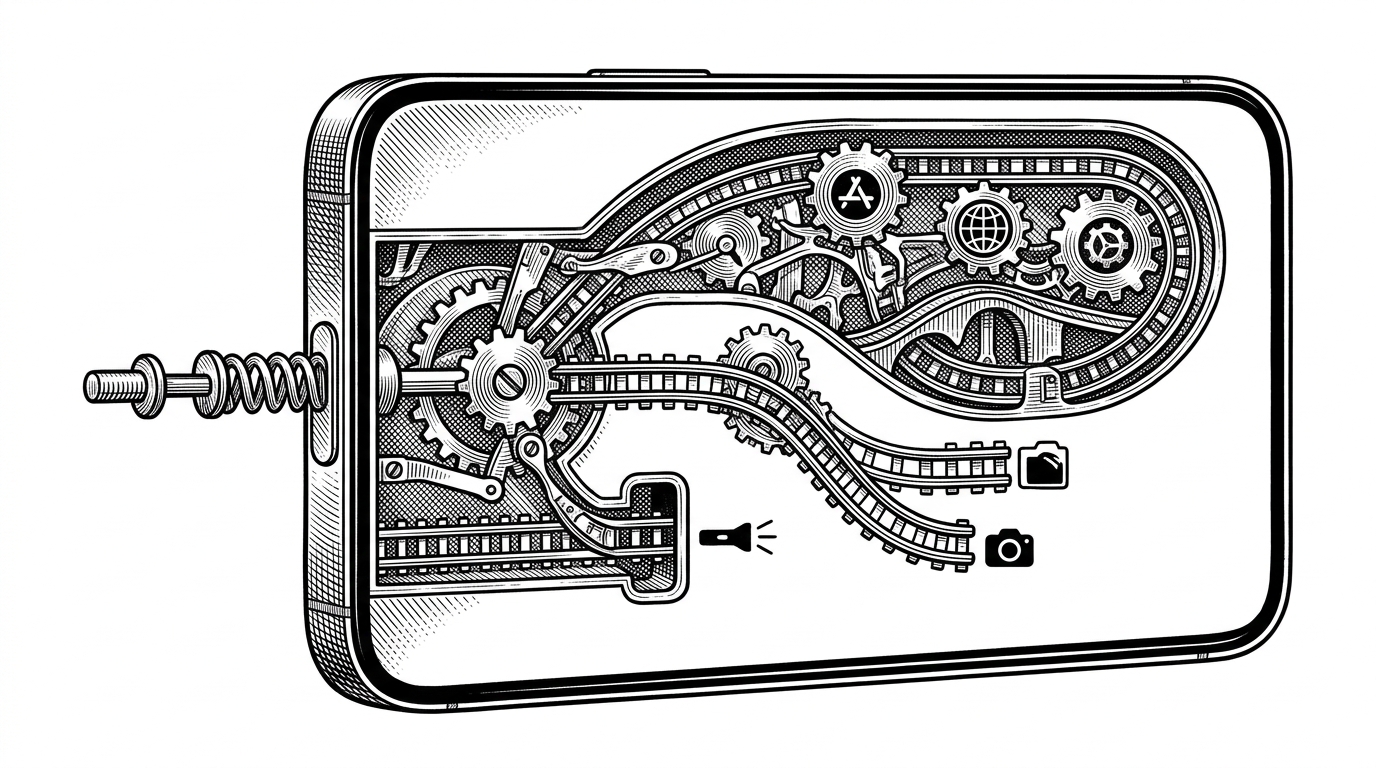
The important part is not that each subsystem exists. It is that the firmware treats them as competing claims on the same tiny platform, then arbitrates those claims instead of pretending they can all run freely at once.
Why the RAM Disk Matters
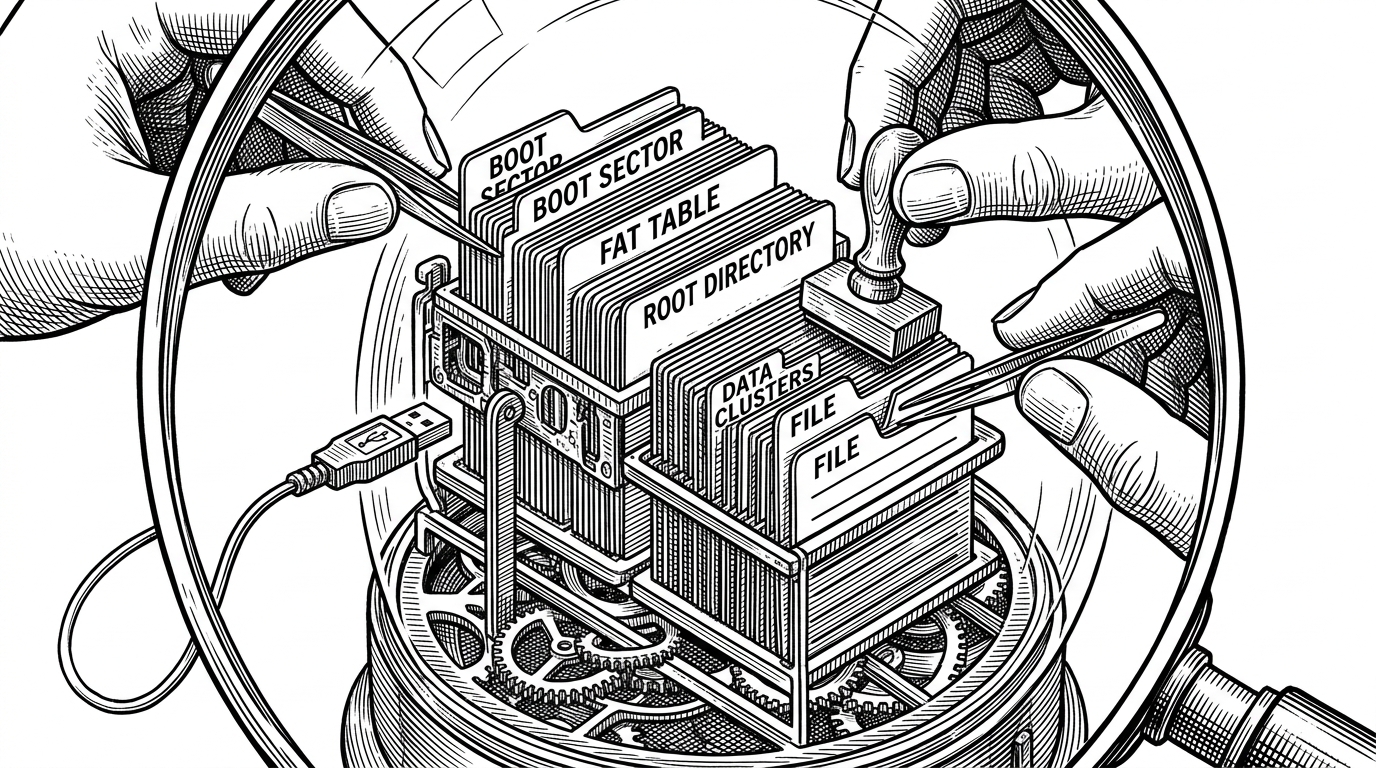
The USB implementation is where the project gets especially bare-metal. Instead of leaning on a convenient filesystem abstraction, the firmware manually constructs a FAT12 filesystem in PSRAM, which is exactly the kind of thing that makes a small repo feel weirdly ambitious.
That choice buys flexibility. It also makes the device feel less like a script and more like an instrument. A volatile RAM disk is not just a gimmick here. It is a practical way to present storage behavior quickly on a board that has to juggle several roles.
How It Stacks Up Against Marauder, ESP32 Deauther, and Flipper Zero
ESPionage is not trying to win by breadth. Marauder is the more established ESP32 toolkit. Deauther is the narrower specialist. Flipper Zero is a broader hardware platform with its own ecosystem. ESPionage’s niche is the most explicit phone-first, browser-driven, laptop-free workflow across Wi-Fi, BLE, and USB.
| Project | Primary interface | Requires laptop? | Scope | Mobile-first UX | Best fit |
|---|---|---|---|---|---|
| ESPionage | Phone browser | No | Wi-Fi, BLE, USB | Yes | Portable, coordinated field use |
| ESP32Marauder | Web, serial, screen | Sometimes | Broad ESP32 radio toolkit | Partial | General ESP32 pentesting |
| ESP32 Deauther | Web UI | Sometimes | Wi-Fi deauth focus | Partial | Focused Wi-Fi disruption |
| Flipper Zero | Device UI | No | Multiple hardware attack surfaces | Yes | Standalone hardware testing |
That framing matters more than raw feature count. ESPionage is a productized workflow built for a constrained board, not a giant catalog of tricks.
A Small Project With Product Thinking
The 3D print files, modular namespaces, and polished mobile UI all point in the same direction. This is not a random pile of firmware experiments. It is a coordinated design around one question: how far can you stretch a low-cost microcontroller if the phone carries the interface burden?
That question is the reason the project feels memorable. ESPionage is not interesting because it has more attacks. It is interesting because it organizes a cheap board, a browser, and a handset into a single offensive workflow that feels coherent enough to carry into the field.