cli: a5c-ai/claude-code-telegram-bot Turns Telegram Into a Remote Control Plane for Claude Code
A mobile wrapper, yes. More interestingly, a persistent session manager that keeps one Claude Code process alive, accepts voice and files, and lets you steer real coding work without sitting at the terminal.

- Telegram is used as a transport layer for a live Claude Code session, not as a chat UI that restarts context.
- The repo's real trick is process persistence, which lets text, voice, files, and replies all feed one long-lived backend.
- Session discovery from Claude history makes the bot feel like a control plane you can resume, not a disposable conversation.
- The project points to a broader interface shift toward stateful agent backends and lightweight surfaces anywhere the user happens to be.
Most Telegram bots are chat surfaces. This one is closer to a remote operator console. It takes a persistent Claude Code session, wraps it in a familiar mobile interface, and lets you keep moving when the laptop is closed. That is the useful inversion, because the value is not the chat thread. It is the live process behind it.
A Telegram bot that bridges your mobile device with Anthropic's Claude Code CLI, enabling remote operation from anywhere. Create sessions, manage multiple projects, and interact with Claude's agentic coding capabilities directly through Telegram.
Telegram Is the Front Door
That framing matters because Telegram is not doing the hard work. The bot uses Telegram's message stream, file delivery, and notification habits as a thin shell around a real coding agent. The codebase is TypeScript-based, but the design instinct is more important than the language choice: keep the backend stateful, keep the client disposable.
The Clever Bit Is One Process Per Session
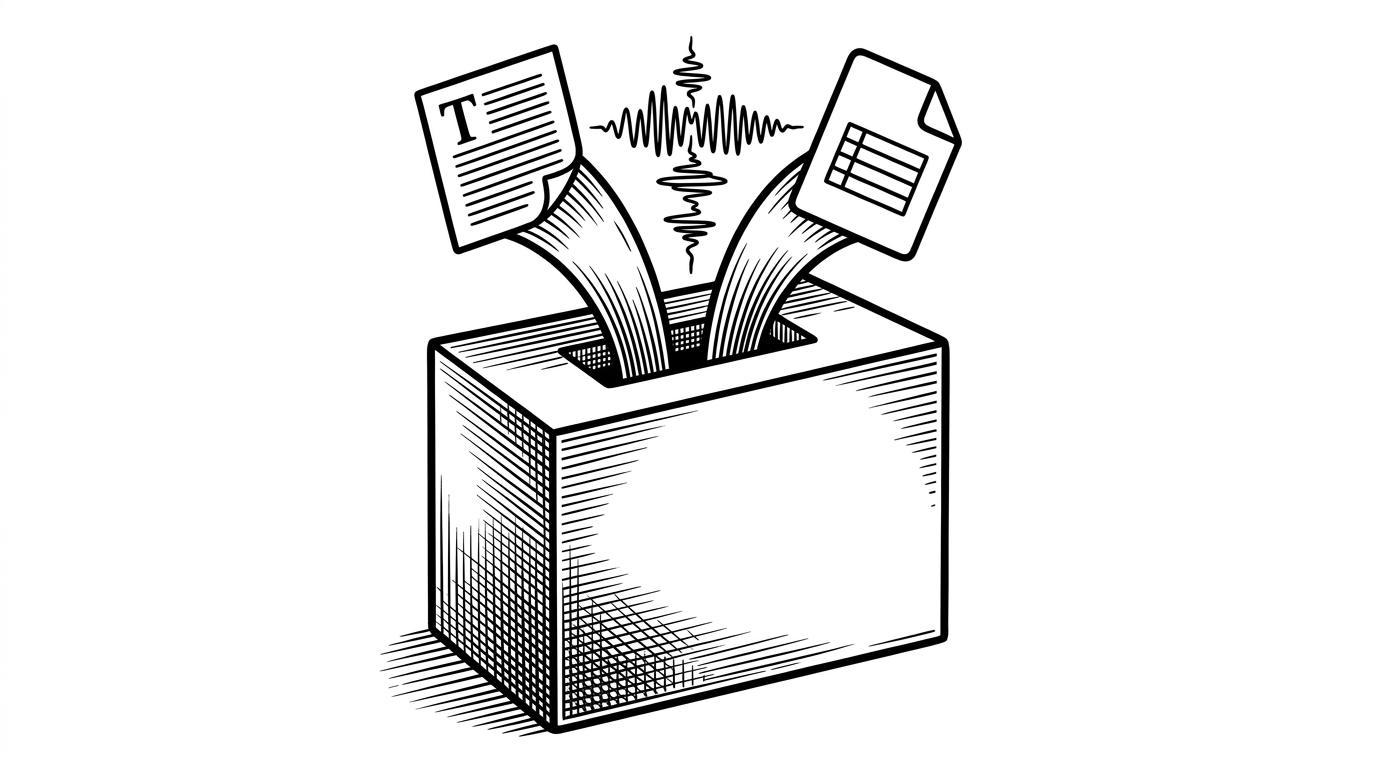
The central design choice is a single long-lived Claude CLI process for each session. Instead of spawning a fresh process for every reply, the bot routes inputs into the same stdin and reads incremental output back through stdout. The README describes bidirectional stdin and stdout streaming JSON communication, which is the difference between a throwaway wrapper and a genuine session controller.
The resume story is just as important. The bot can discover past sessions from ~/.claude/history.jsonl and match partial session IDs, which means it behaves less like a throwaway conversation and more like a workbench you can return to. Add voice notes and file uploads, and the workflow starts to look like mobile triage for actual coding tasks.
Why Telegram Works Better Than It Should
Telegram brings three things at once. It is already on the phone, it handles files without ceremony, and it makes notifications feel native instead of bolted on. That makes it a good transport for an agent session, even though it is not an IDE and does not pretend to be one. The repo is not trying to replace Claude Code's terminal UI. It is trying to make it reachable.
The bot uses a single long-lived Claude CLI process per session with bidirectional stdin/stdout streaming JSON communication.
What It Beats, and What It Does Not
| Surface | Session persistence | Mobile access | Voice and files | Best at | Trade-off |
|---|---|---|---|---|---|
| This repo | Yes, one live process per session | Yes | Yes | Steering real work from a phone | Depends on Telegram and an active Claude Code setup |
| Claude Code in terminal | Yes, while the terminal stays open | No | Manual | Deep local coding sessions | Tied to one desk and one keyboard |
| SSH plus tmux | Yes, but manually managed | Possible, awkward | No native support | Remote shell work | More setup, less friendly input |
| IDE copilots or chat wrappers | Usually chat context, not process continuity | Varies | Usually limited | Inline assistance in the editor | Often better as helpers than as operators |
That is the niche. This project is not trying to win the IDE. It is trying to win the moments when you are away from the terminal and still need to keep an agentic session moving. On that axis, persistence matters more than polish.
The Bigger Pattern
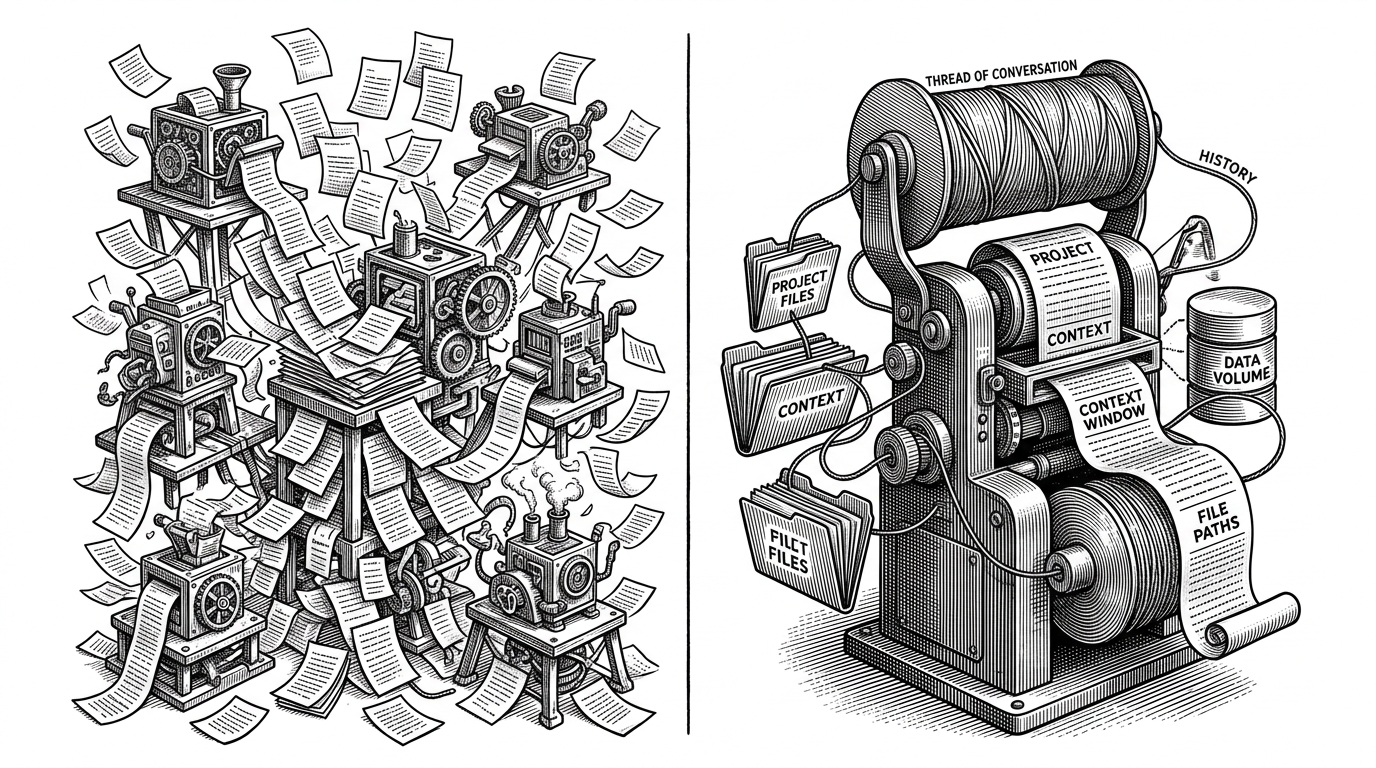
The broader lesson is bigger than Telegram. Useful agent tools are starting to look like control planes: stateful backend, lightweight front end, multimodal input, and a clear path back into the same work. That is a better shape for real work than endless prompt boxes, because the session survives the device that started it. This repo is small, but it points in the right direction.