rtk: The Rust Proxy That Teaches AI Agents to Ignore the Noise
A deep dive into the command wrapper that compresses terminal output, preserves failure states, and turns verbose CLI chatter into usable context for coding agents.
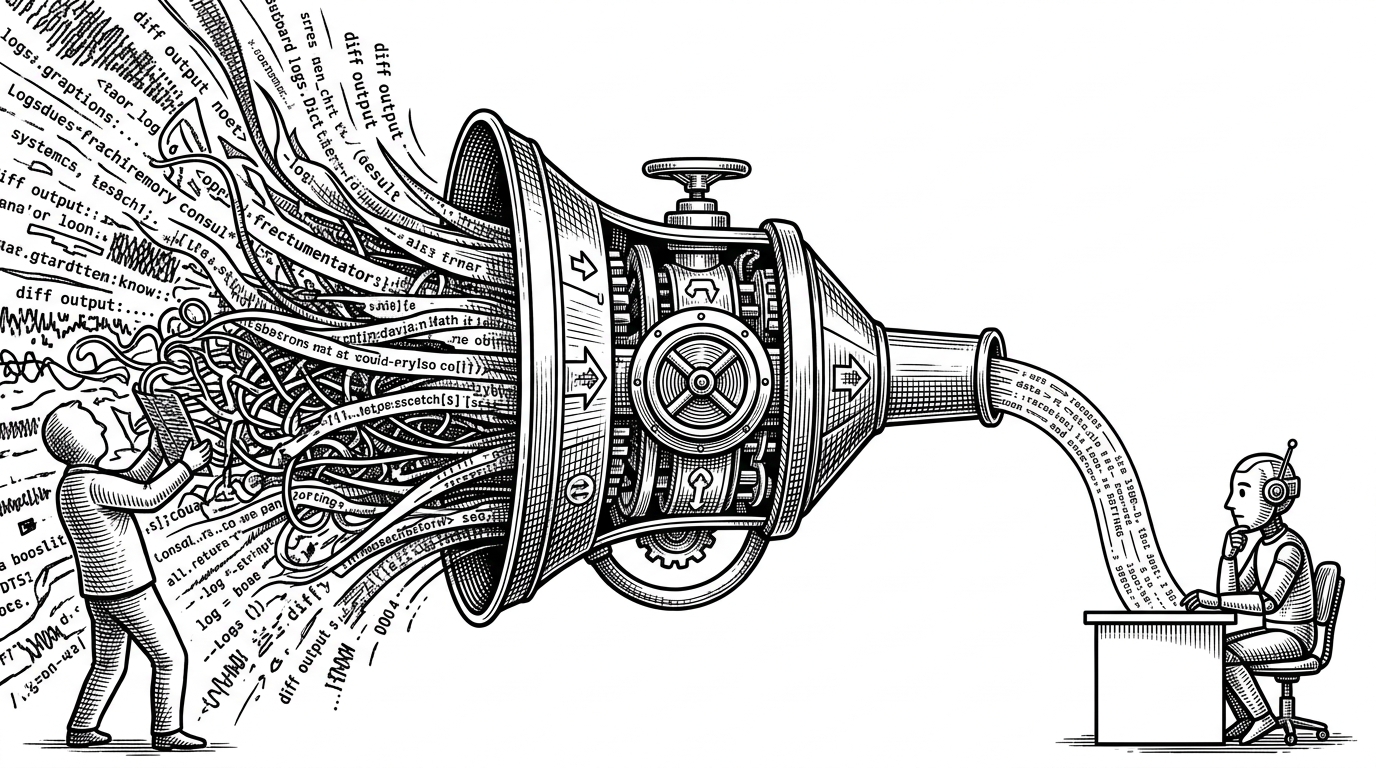
- rtk’s core trick is not summarization after the fact. It is boundary control that decides what the model is allowed to see in the first place.
- The project treats token savings as a systems problem, with command-specific rules, conditional fallbacks, and preserved exit codes.
- Its filter pipeline compresses routine success output aggressively, but it backs off when errors and stack traces matter.
- Local telemetry turns token reduction from a vague promise into measurable ROI.
The terminal has a habit of telling AI agents everything. That sounds good until you watch a model burn context on build logs, repeated status lines, and diff noise it never needed in the first place. rtk is built around a simple inversion: the machine gets smarter when it sees less.
The Terminal Is Too Honest
Humans skim terminal output. Models ingest it. That mismatch is expensive, because a command like git status or cargo test can flood the context window with details that change nothing about the next decision.
That is why rtk matters. It is not a prettier shell wrapper. It is a reality filter for agent workflows, one that compresses terminal chatter into a tighter signal stream before the LLM pays for it.
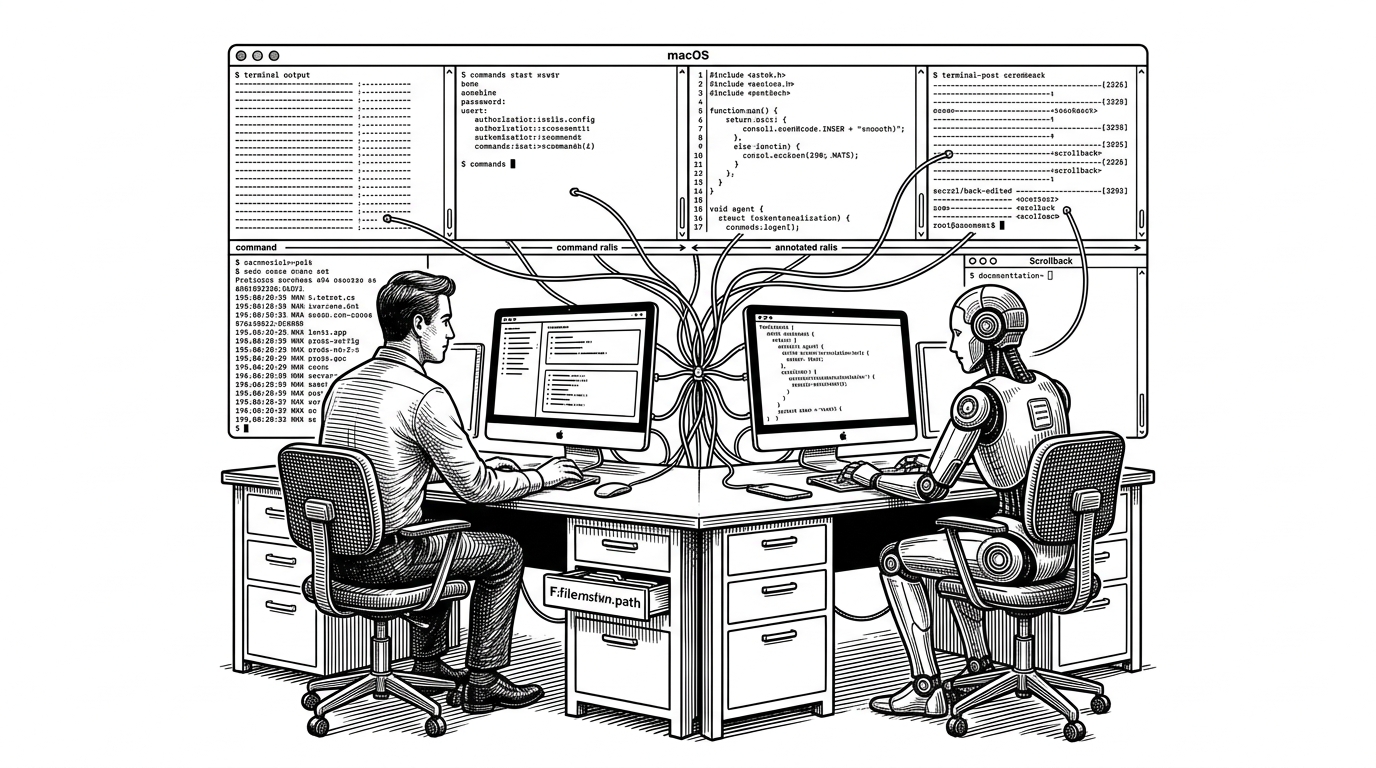
I use Claude Code all day and got tired of watching it eat tokens on noisy CLI output. git status on a big repo, find across a project, cargo test with 200 lines of compilation — none of that noise is useful to the model. So I built RTK.
What rtk Actually Intercepts
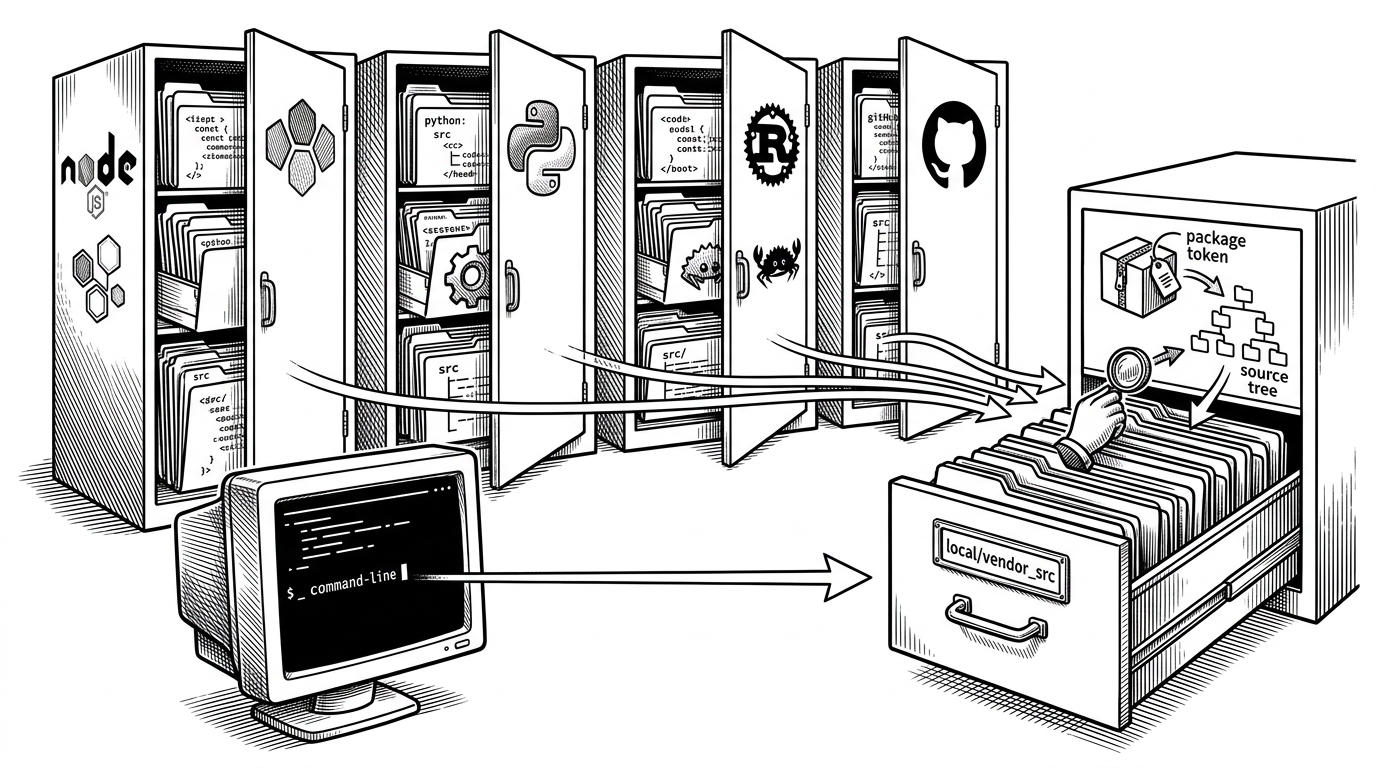
At the center of the repo is a transparent proxy pattern. rtk wraps commands, captures stdout and stderr, preserves exit codes, measures execution time, and then returns a condensed version to the agent. It does not replace the shell. It sits in front of it.
That distinction matters. If the command fails, the agent must know it failed. If the output is huge but unremarkable, the agent does not need the full transcript. rtk lives in that narrow gap between fidelity and usefulness.
Why the Filter Pipeline Matters
The project’s real intelligence lives in its declarative pipeline. Built from TOML rules, it can strip ANSI codes, run regex replacements, short-circuit on matches, filter lines, truncate, select head or tail segments, enforce max-line limits, and handle empty states. The point is not just compression. It is command-aware compression.
[match_output]
match = "Tests passed"
replace = "✓"
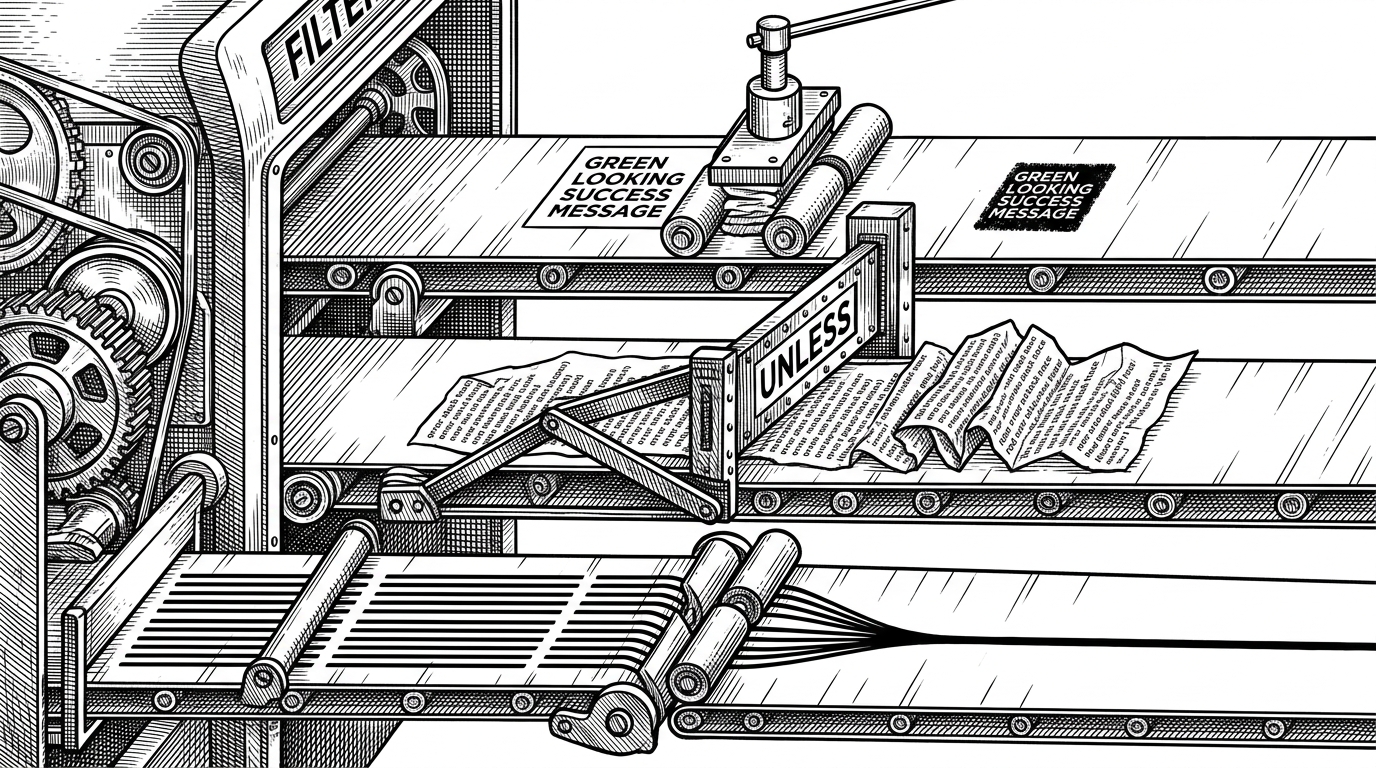
unless = "Error|Stacktrace|FAIL"

[line_filter]
remove = ["^DEBUG:", "^INFO:"]
max_lines = 20
The safety valve is the unless rule. It lets rtk collapse routine success output, but it backs off when the content shifts from boring to important. That is the difference between a blunt truncator and a filter that knows when to stop.
| Approach | What the agent sees | Token cost | Reliability | Failure visibility | Setup effort |
|---|---|---|---|---|---|
| Raw output | Everything the shell prints | High | High fidelity, low efficiency | Perfect | None |
| Manual prompting | Whatever the user remembers to summarize | Medium to high | Inconsistent | Depends on discipline | Low |
| rtk | Compressed, command-aware signal | Low | High | Preserved by design | Moderate |
Compression Without Blindness
rtk’s trust story is simple: it can be aggressive about boring output, but it must stay humble around failures. Exit status survives. Error text survives when it matters. That means agents can reason about the command’s real state instead of mistaking a shorter transcript for a successful run.
hi ! Language support is growing fast — we recently added filters for Python (ruff, pytest, pip), Go (go test, golangci-lint), and Docker Compose. More coming via community PRs.
That broadening language support is a clue to the project’s shape. It is not a one-off hack for a single toolchain. It is becoming a shared compression layer for the places where agents generate the most waste.
Local Telemetry Turns Savings Into Proof
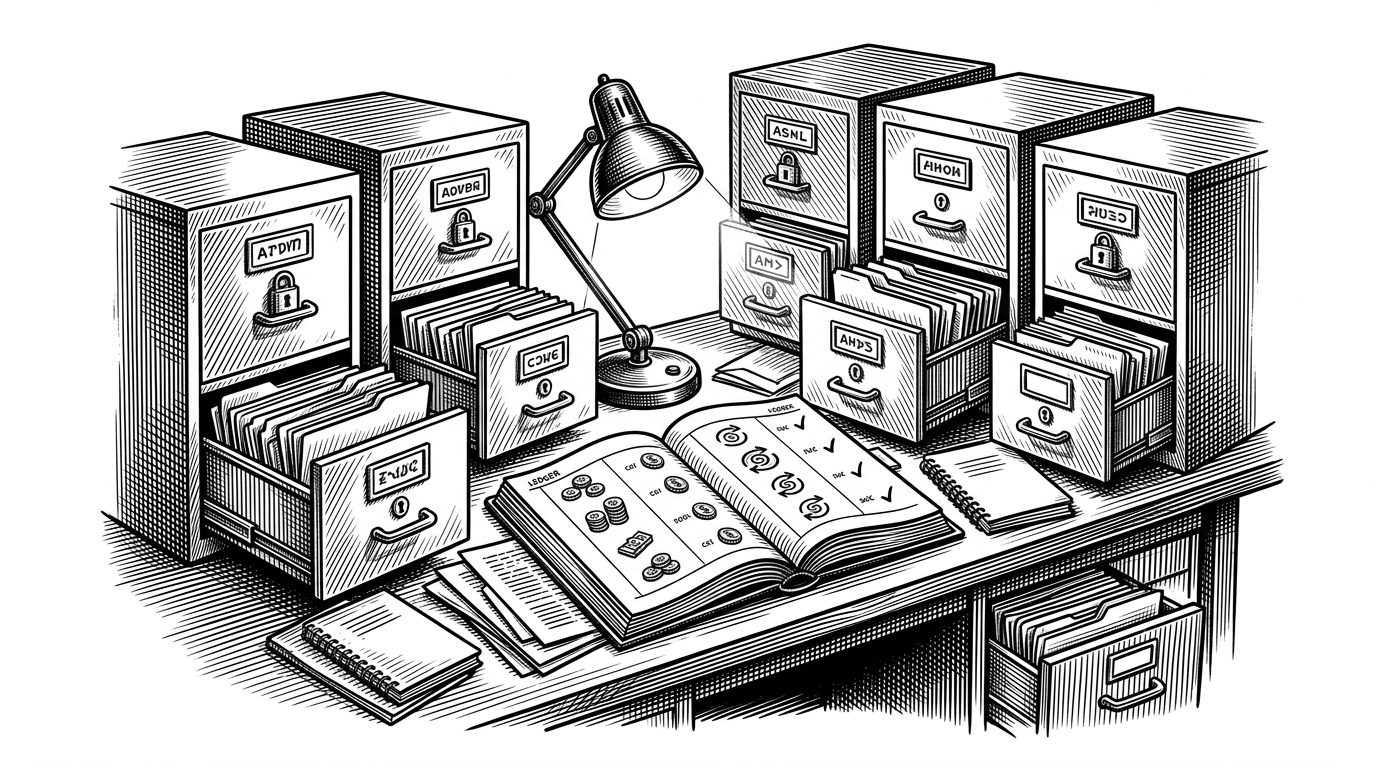
The analytics layer is what keeps the story honest. rtk tracks savings locally in SQLite and exposes them through rtk gain, so the value is not just assumed. It is measured at the project level, where the work actually happens.
That is a strong product move. Once savings become visible, the tool stops feeling like a toy optimization and starts feeling like infrastructure. It gives teams a way to compare repos, commands, and workflows without guessing.
Why Rust Is the Right Glue Here
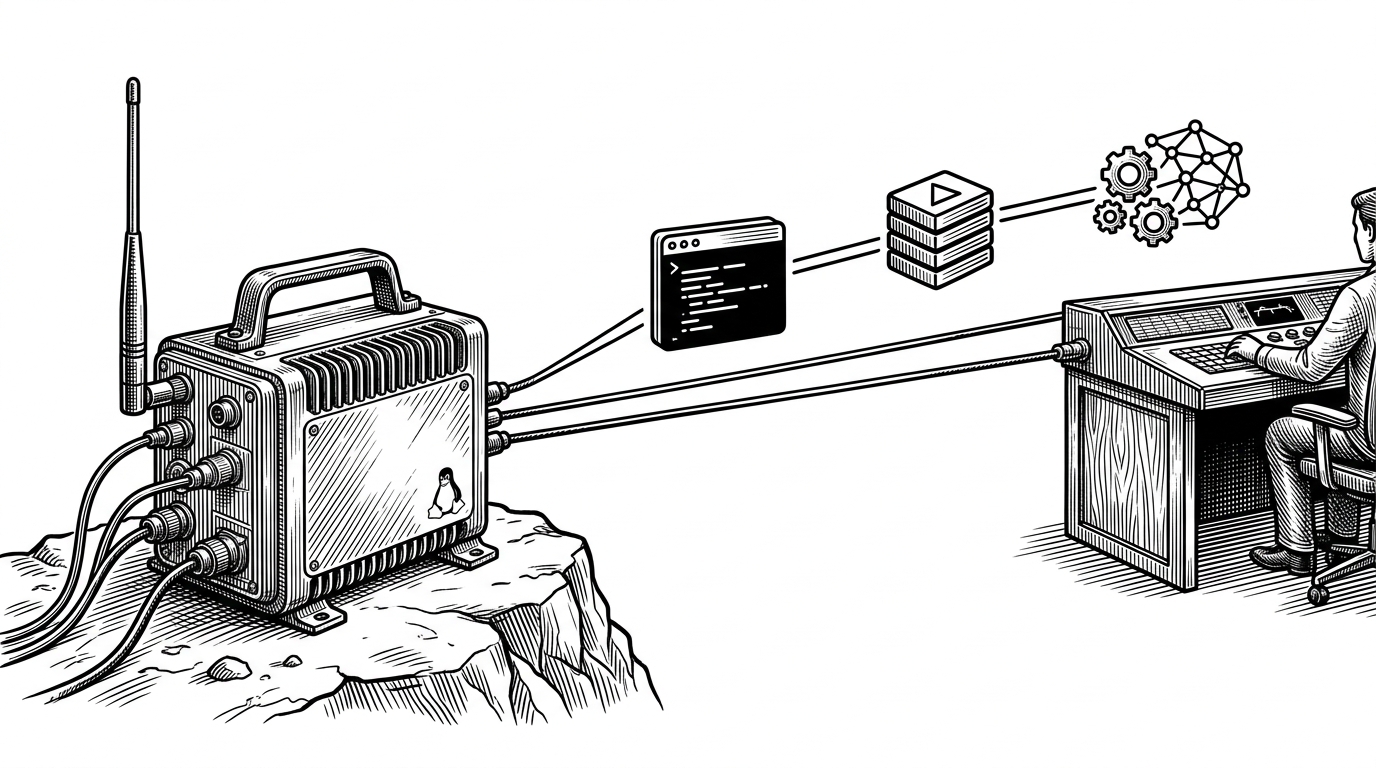
This whole layer works because the overhead is small enough to disappear. Rust gives rtk fast startup, tight binaries, precompiled regexes, and a low-latency interception path that does not get in the way of the developer loop.
That is not incidental. A proxy that slows down every command would be dead on arrival. rtk succeeds because the compression cost is cheap compared with the token cost it removes.
What rtk Suggests About Agent Tools Next
The deeper lesson is bigger than this repo. Tools for agents may need to be designed for LLM legibility, not human legibility. Raw terminal truth is not always the right interface. Sometimes the useful interface is a selective one.
rtk makes that argument with engineering, not theory. Compress the noise. Preserve the meaning. Meter the cost. That is a design pattern with a future.
| Design question | Human-first terminal | Agent-first terminal |
|---|---|---|
| Primary goal | Show everything | Show what matters |
| Success metric | Completeness | Reasoning quality per token |
| Failure handling | Manual inspection | Policy-driven preservation |
| Cost center | Developer attention | Context window |