sctl: The Remote Linux Control Plane Built for AI Agents, Not Humans
A Rust framework that gives models persistent terminals, replayable sessions, playbook-driven tools, and a way through CGNAT.
- sctl reframes remote access as a durable control plane for AI agents, not a human SSH replacement.
- Its core advantage is continuity: terminal state, output replay, and session semantics survive disconnects.
- Playbooks turn operational knowledge into something both a model and a human can inspect and reuse.
- CGNAT and flaky links are first-class constraints, not edge cases, so the architecture is built for unreachable devices.
Most remote access tools assume a person is sitting at the keyboard. `sctl` assumes something stranger and more demanding: an AI agent that needs to keep acting after the socket drops, the link jitters, or the device lives behind CGNAT. That changes everything.
Why a model needs a terminal that survives the drop
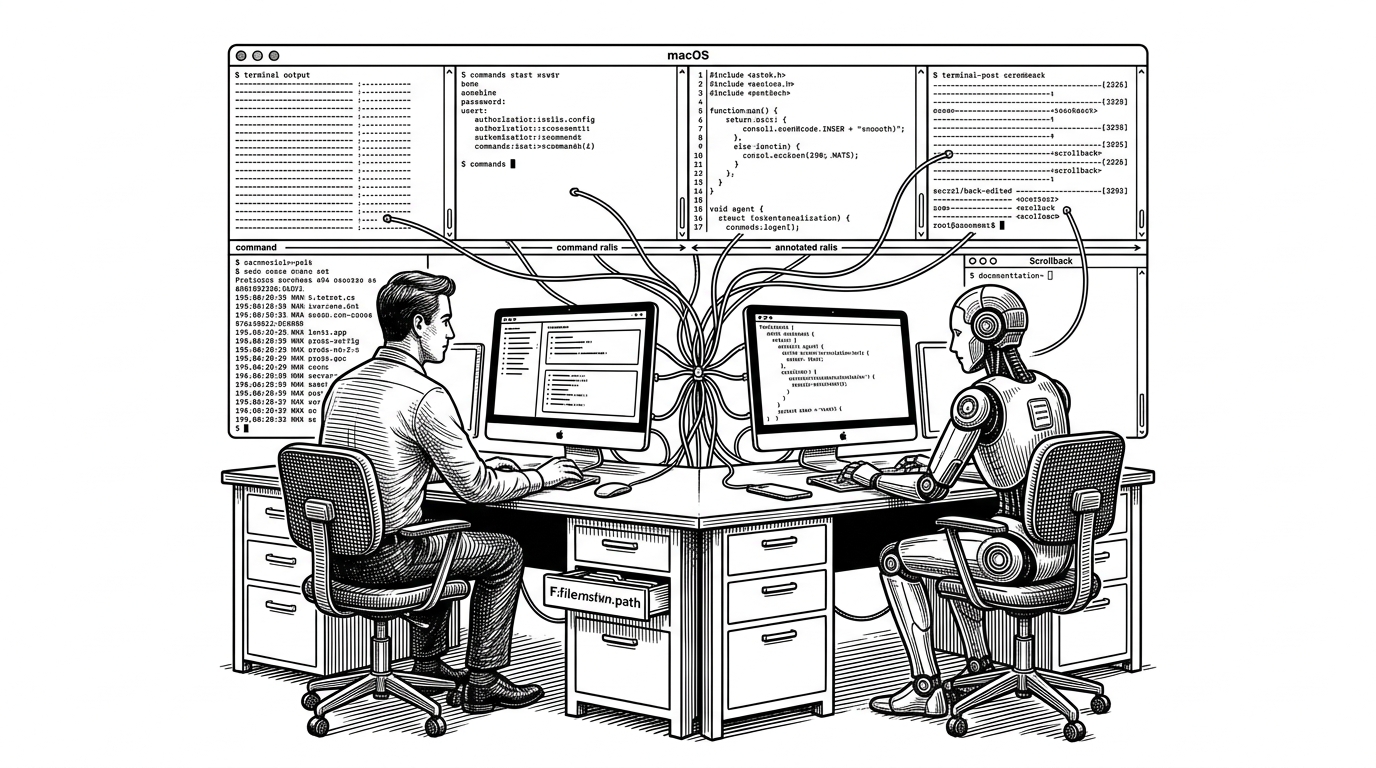
A human can reconnect, scan the screen, and recover context. An agent needs that context to be machine-readable and durable. In `sctl`, the terminal is not just a live stream. It is a stateful surface with memory, replay, and a visible audit trail.
sctl is a two-component system that lets AI agents (Claude, GPT, local models) or any authenticated client remotely operate Linux devices with full terminal access
That framing matters because it shifts the product from remote shell to control plane. The goal is not to make Linux feel remote. The goal is to make remote Linux feel operationally continuous.
The body plan: server, MCP bridge, web UI, playbooks
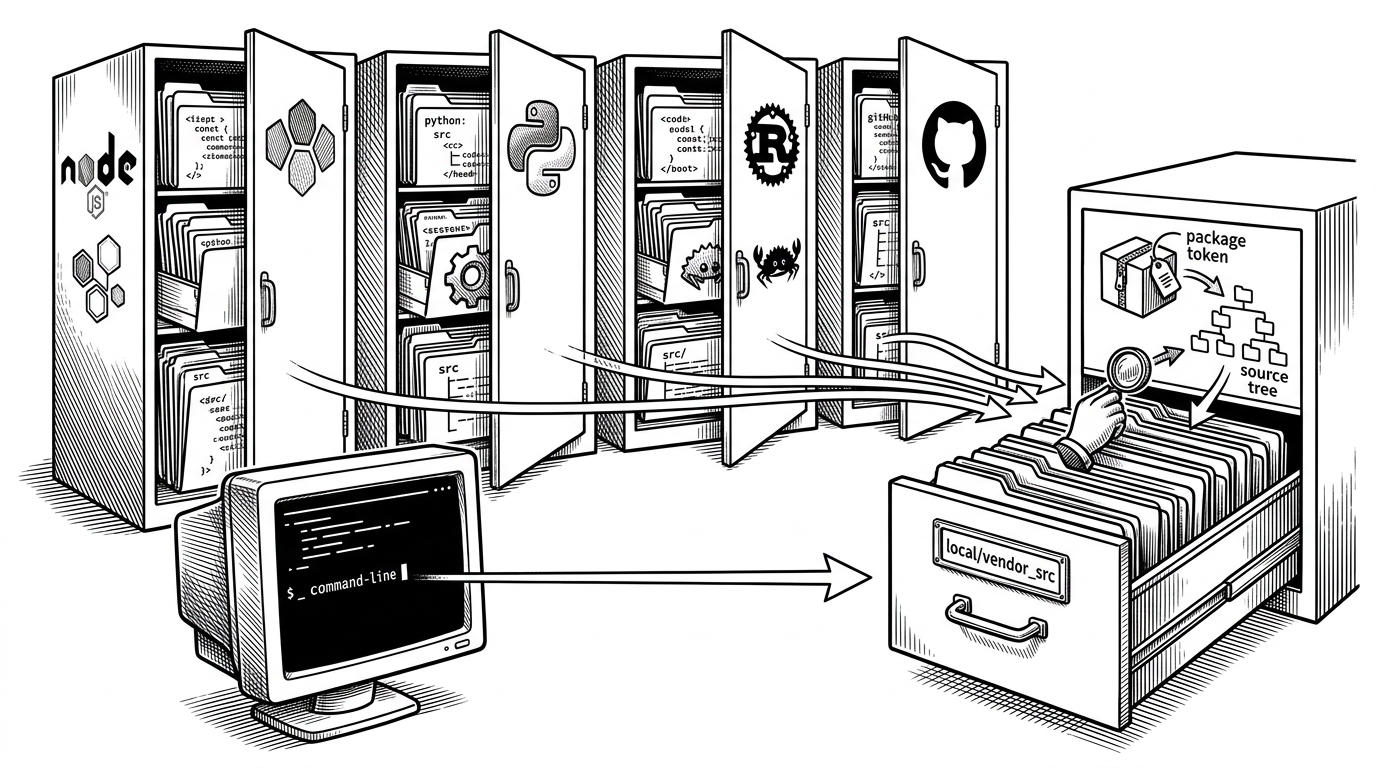
The repo is organized like a real system, not a demo. Rust handles the device side, the MCP layer translates for AI clients, the web app gives humans a live view, and playbooks package repeatable tasks as discoverable capabilities. That separation is why the project feels more like infrastructure than a wrapper.
What lives where
- `server/` runs on the Linux device and owns terminal sessions, file operations, and network access.
- `mcp/` exposes those capabilities to agents through Model Context Protocol.
- `web/` provides a human dashboard with terminal and file browsing.
- `playbooks/` stores reusable operational procedures in markdown and YAML.
The trick that makes it durable: session replay over PTY state
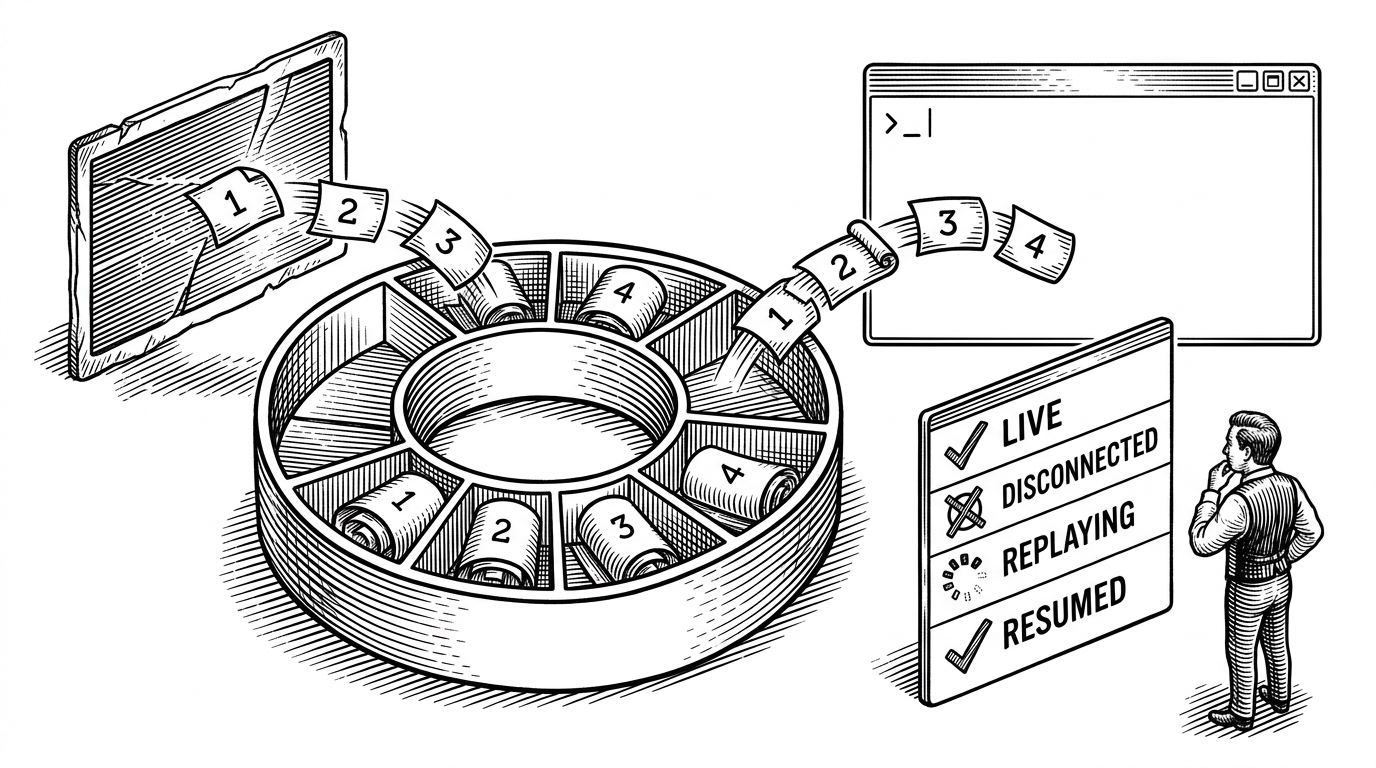
This is the feature that separates `sctl` from ordinary remote shell access. The terminal output is chunked, sequenced, and stored so a reconnecting client can ask for what it missed. That means the session can keep its continuity even if the transport does not.
For an agent, that is not a convenience. It is the difference between making progress and losing state. A live shell is easy. A shell with memory is what lets the system keep working in the real world.
// Conceptual shape of the replay loop
pty_output
    .chunks()
    .with_sequence_numbers()
    .append_to_journal();

if client_disconnects() {
    keep_buffering();
}

if client_reconnects() {
    replay_missing_ranges();
    resume_live_stream();
}
Why playbooks are the real interface
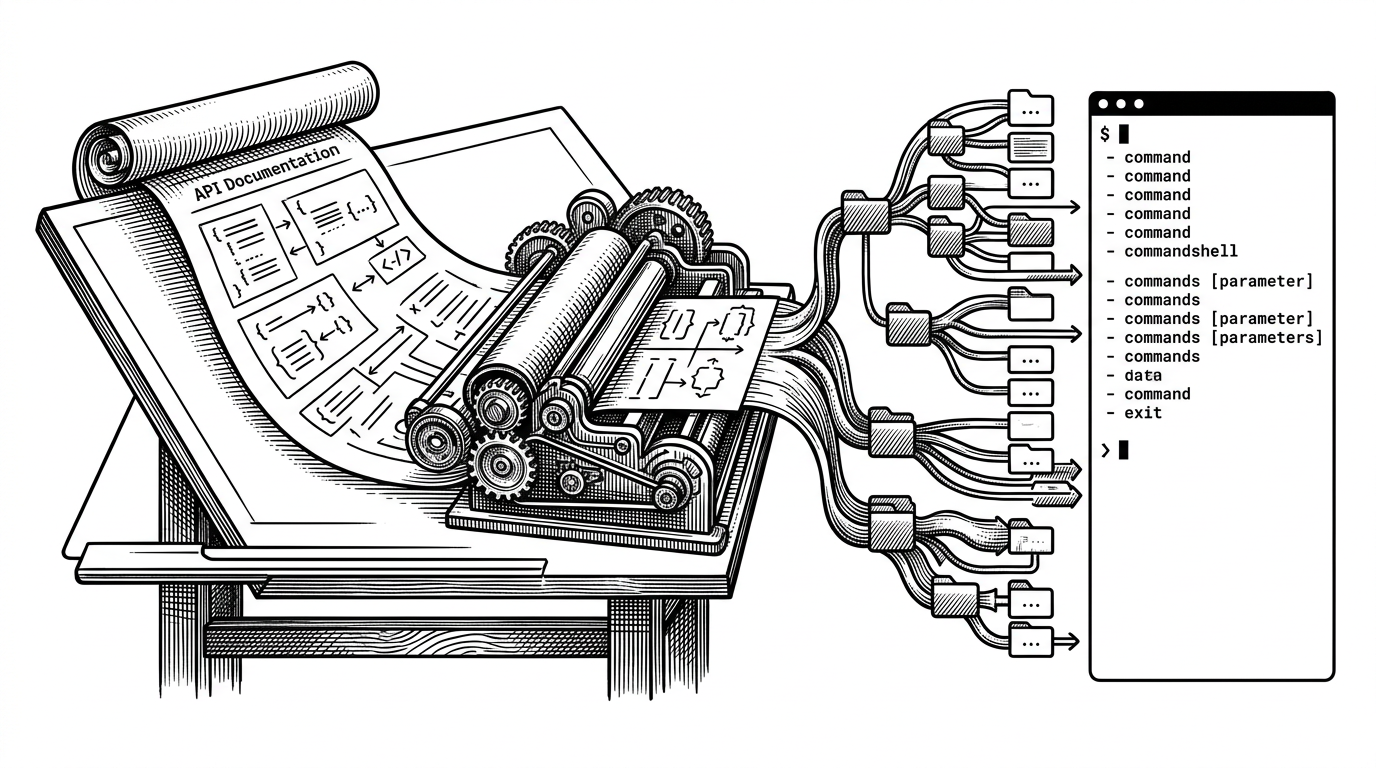
The smartest interface choice here is not the terminal. It is the playbook. Markdown becomes a reusable operational artifact, which means the same file can be documentation, a checklist, and a tool the agent can discover dynamically.
That is a stronger pattern than static command menus. The human can inspect the playbook. The model can read it. The server can turn it into structured tools. Everyone touches the same source of truth.
SCTL IS AN EXTREMELY POWERFUL TOOL AND WITH GREAT POWER COMES GREAT RESPONSIBILITY. THIS TOOL CAN BE DANGEROUS AND CAUSE DESTRUCTION AND TOTAL OBLITERATION IF NOT USED WITH ABSOLUTE DILIGENCE.
That warning is not just theater. It explains the design instinct behind the repo. If the system can act on real devices, then discoverability, inspection, and deliberate workflows matter as much as speed.
How sctl reaches devices that should not be reachable
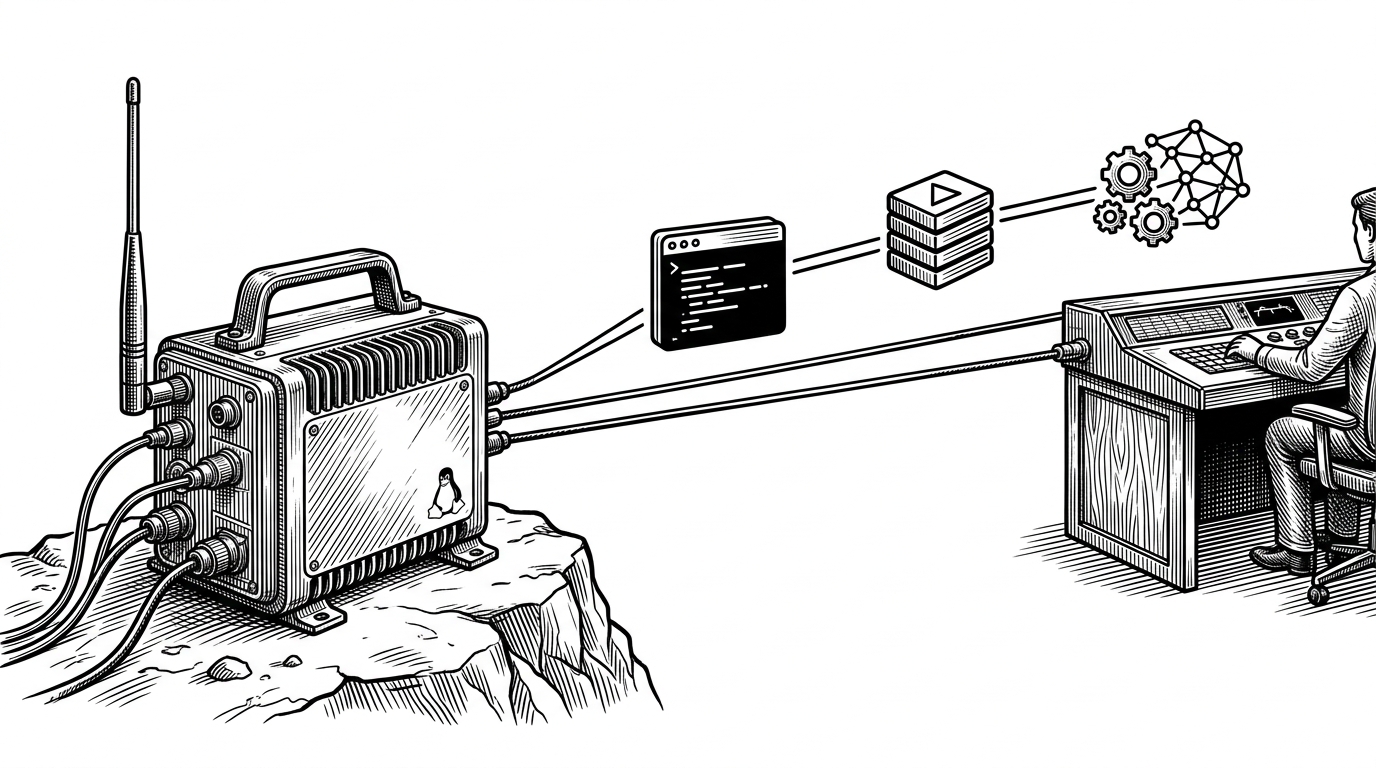
CGNAT is the practical enemy here. Plenty of useful Linux hardware lives on cellular links, inside private networks, or behind firewalls that refuse inbound connections. `sctl` handles that by making the device initiate the connection outward through a relay or reverse tunnel.
That matters because it flips the network assumption. The device does not need to be directly reachable from the outside world. It only needs a reliable outbound path to a relay the control plane can see.
| Capability | SSH | Generic agent framework | sctl |
|---|---|---|---|
| Persistent session state | No | Sometimes | Yes |
| Replay after disconnect | No | Rare | Yes |
| AI-native tools | No | Sometimes | Yes |
| Designed for CGNAT | Manual setup | Usually external | Built in |
| Device-level PTY control | Yes | Not central | Yes |
| Human-observable audit path | Limited | Varies | Yes |
The contrast is not that SSH is obsolete. SSH is the right tool for a human operator with a live connection. `sctl` is built for a different job: an AI that needs continuity, replay, and a path through hostile network conditions.
Why Rust is not incidental here
The language choice lines up with the environment. PTY handling, low-level Linux process control, and edge-device constraints all favor tight control over memory and failure modes. The repo’s Rust posture is not decoration. It is part of the reliability story.
You can see that in the implementation style: strict linting, size-conscious builds, and a preference for explicit system boundaries. This is software that expects to live near real hardware, not only in a developer laptop loop.
The bigger bet
`sctl` looks like remote shell software at first glance. It is closer to an early control plane for agentic fleet operations. The long-term idea is simple: give the model a durable body, a readable memory, and a safe set of tools, then let it operate devices that humans do not want to babysit.
That is a different future for ops. The operator does not disappear, but the interface gets more structured, more replayable, and more inspectable. The machine is not chatting about the work. It is doing the work through a control layer designed for it.