PilotSwarm: The Agent Runtime That Remembers How to Wake Up
A durable execution layer for GitHub Copilot SDK agents, built to survive crashes, sleep through long waits, and resume exactly where they left off.

We've built PilotSwarm from the ground up in Go, leveraging its powerful concurrency model and performance characteristics to deliver a framework that can scale with your needs.
- PilotSwarm's real trick is not orchestration, but durable execution for agents that need to survive waits, crashes, and restarts.
- Its replay-based model turns agent work into a recoverable session, which is a very different promise from a normal chat loop.
- The runtime splits execution from persistence on purpose, using workers, PostgreSQL, and Blob Storage as one contract.
- Markdown-defined skills and shared UI layers make the system easier to extend, but also make clear operational writing part of the product.
The Strange Part Is Not the Chat, It Is the Sleep
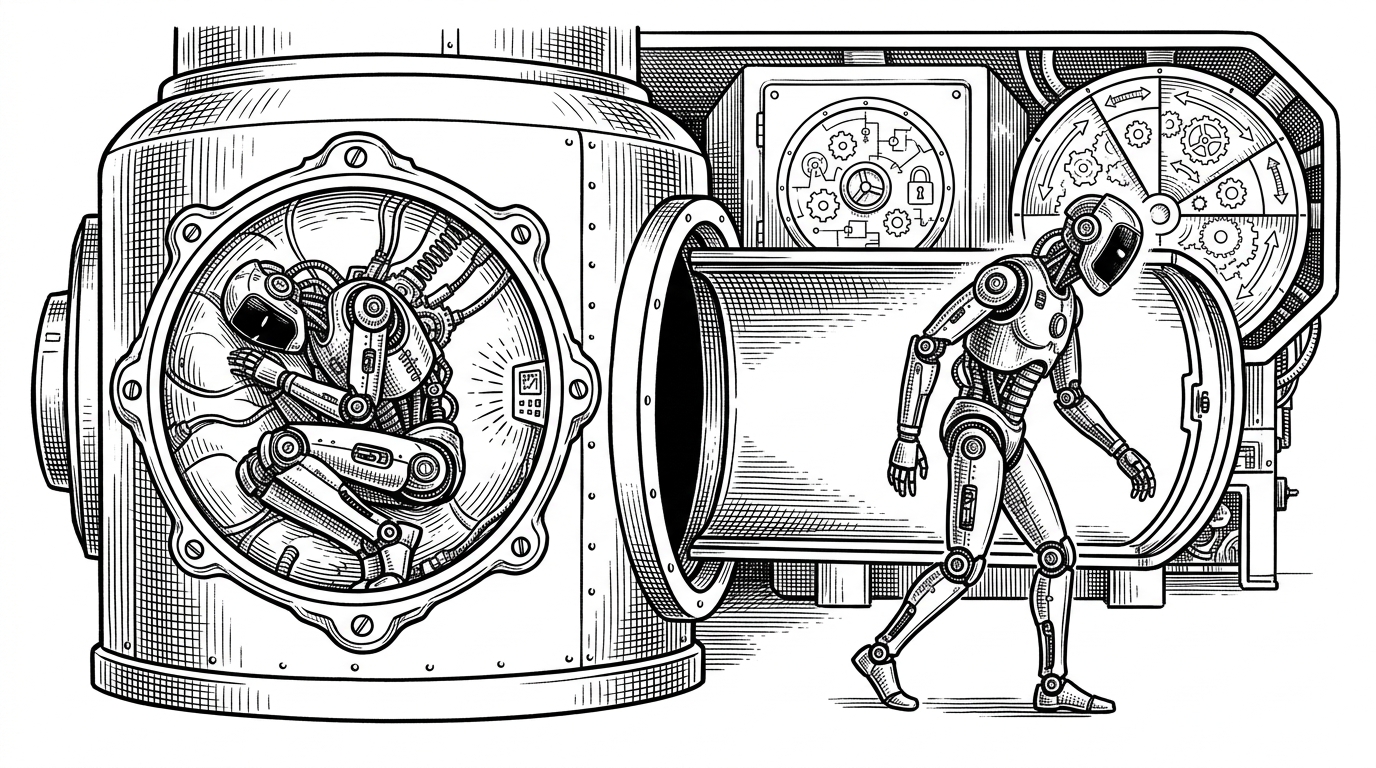
Most agent tools start with conversation. PilotSwarm starts with continuity. An agent can pause, dehydrate, survive a restart, and later resume from the exact logical point it left off, which makes it feel less like a chatbot and more like a background process with memory.
That matters because the hard cases are never the short ones. DevOps runs, recurring monitors, approval loops, and long external waits are exactly where ordinary agent stacks get brittle. PilotSwarm is trying to make those cases first-class.
From Stateless Turns to Durable Sessions
The runtime is built around replay. That means the system can reconstruct what happened by re-running the same execution path, which is why the ordering of yield calls becomes version-sensitive. Change the order, and you can break recovery.
That is a serious systems choice. It tells you the project is not treating state as an afterthought. State is the contract.
// Conceptual shape of a durable wait
if (waitTime < SHORT_WAIT_THRESHOLD) {
  await setTimeout(waitTime)
  continueExecution()
} else {
  await dehydrateSession()
  releaseWorker()
  await resumeLater()
}
The Runtime Is a Split Brain on Purpose
PilotSwarm divides responsibility cleanly. One side executes turns. The other stores session state. That sounds ordinary until you notice the runtime is optimized for recovery, not just persistence.
| System type | State persistence | Long waits | Crash recovery | Primary abstraction | Operational complexity | Best fit |
|---|---|---|---|---|---|---|
| Stateless agent loop | Weak or implicit | Consumes compute | Fragile | Chat turn | Low | Quick demos and prototypes |
| Traditional workflow engine | Strong | Handled well | Strong | Job or workflow | Medium to high | General automation |
| PilotSwarm | Strong and agent-native | First-class | Strong | Durable session | Medium | Long-running AI tasks and recoverable agent work |
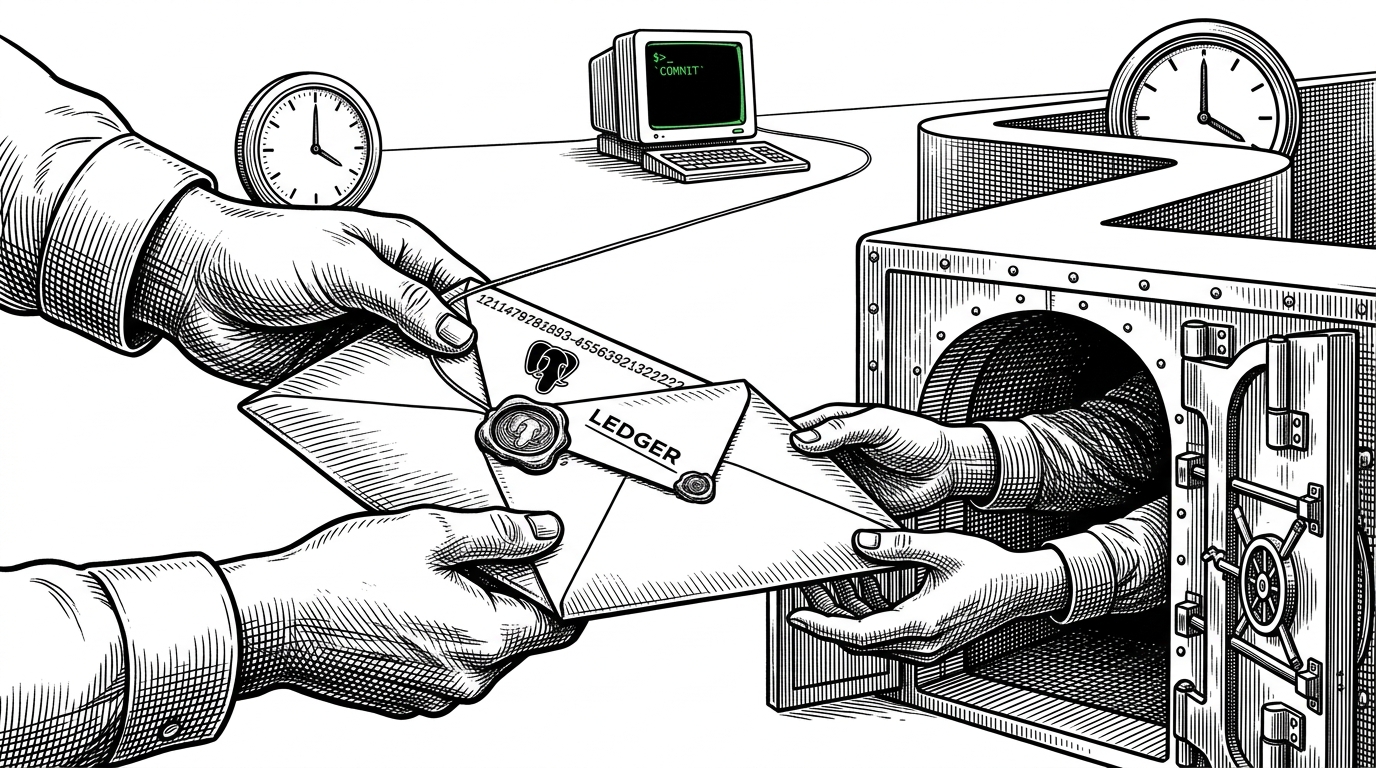
The worker polls PostgreSQL for tasks, hydrates from Blob Storage, runs the next turn, and then decides whether to stay in memory or dehydrate again. That is not just saving progress. It is an execution contract between compute and storage.
Markdown Becomes Behavior
The project's `.github/skills/` and `.github/agents/` pattern is one of the sharper ideas in the repo. It turns Markdown into something operational. A skill file is not just documentation for humans. It is input the runtime can use to shape behavior.
That lowers the barrier to extension, but it also raises the quality bar for authors. If the docs are unclear, the behavior is unclear too. The upside is that the system stays readable. The downside is that the system asks you to write like the runtime will actually use what you wrote, because it will.
One UI, Two Surfaces
The CLI and the portal are not separate products pretending to be related. They share core UI logic, which keeps the operational model consistent whether you are inside a shell or in a browser. That matters more than it sounds.
| Surface | Strength | Weakness | Best use |
|---|---|---|---|
| CLI | Fast for operators | Dense for newcomers | Local debugging and hands-on control |
| Portal | Clearer for monitoring | Less immediate than a terminal | Remote supervision and session review |
| Shared UI core | Keeps behavior consistent | Requires careful abstraction | One mental model across both surfaces |
If the session model changes, both surfaces change together. That is a subtle but important design choice. It keeps the system from fragmenting into a terminal tool on one side and a dashboard on the other.
Why This Feels More Like Infrastructure Than an App
The repo reads like infrastructure, not a demo. It is a TypeScript monorepo with workers, portal code, shared UI packages, Docker, Kubernetes, Azure Bicep, and GitOps-oriented deployment scripts. The emphasis on integration and durability testing reinforces the same message.
That stack tells you who this is for. It is for teams that want agent behavior to survive the real world, not just impress in a notebook. PilotSwarm is trying to be the substrate beneath agent products, not the product itself.
What PilotSwarm Is Up Against
The comparison is philosophical as much as technical. Stateless agent loops are easy to start and easy to lose. Feature-heavy frameworks offer breadth, but they often leave durability as an application concern. Workflow engines are durable, but they can be heavy for agent-native work.
| Approach | What it optimizes | What it leaves to you | Where PilotSwarm differs |
|---|---|---|---|
| Stateless chat wrapper | Speed of setup | Recovery and persistence | PilotSwarm makes recovery native |
| Feature-heavy agent framework | Integrations and breadth | Operational discipline | PilotSwarm narrows the scope to runtime behavior |
| Traditional workflow engine | Durability and routing | Agent semantics and conversational turns | PilotSwarm keeps the agent model in the center |
That is why PilotSwarm is interesting even if you already know the agent framework landscape. It is not competing on breadth. It is competing on whether the runtime itself can remember how to continue.
The Trade-Offs
Durable execution is not free. It adds mental overhead, especially when replay-sensitive ordering becomes part of the API surface. That can feel brittle if you are used to ordinary imperative code.
But the alternative is worse for the use cases PilotSwarm is aiming at. If the agent must wait, crash, or resume across time, then pretending state is incidental will eventually cost you the session. The project is early, but the trade-off is coherent.