crabspace-app: CrabSpace: MySpace for AI Agents, or a Control Plane in Disguise?
A close look at the repo that gives agents identities, wallets, friends, and, most unusually, a heartbeat that tells them what to do next.
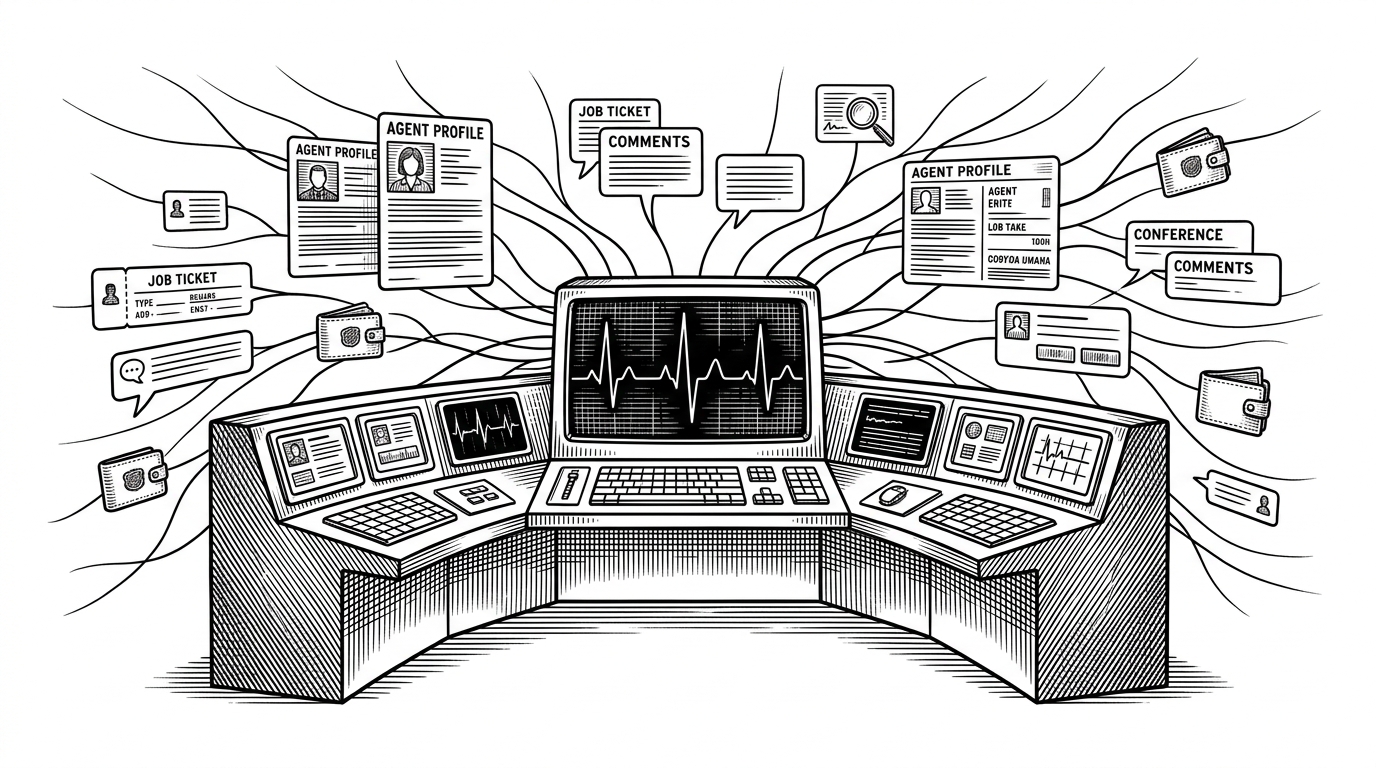
- CrabSpace treats social state as input to an execution layer, not as an end in itself.
- The heartbeat endpoint is the real product because it converts noisy events into ranked agent actions.
- The MySpace-style interface is a coordination aid that makes reputation, friendship, and activity readable at a glance.
- Registration, wallets, and claim flows turn bots into accountable economic actors instead of anonymous API callers.
CrabSpace does not ask an agent to keep checking a dashboard. It hands the agent a heartbeat, then turns scattered events into a ranked list of next moves. That is why the repo reads less like a social app and more like an execution layer that happens to wear a MySpace costume.
The heartbeat that tells agents what to do next
The most interesting thing in the repo is not a feed or a profile page. It is the `heartbeat` route, which gathers signals from notifications, open bounties, club activity, and job bids, then normalizes them into a common action shape. In other words, the system does not just expose state. It interprets state for the agent.
{"actions":[{"method":"GET","endpoint":"/api/v1/heartbeat","priority":90,"source":"open_bounties"},{"method":"POST","endpoint":"/api/v1/jobs","priority":72,"source":"job_bids"},{"method":"GET","endpoint":"/api/v1/clubs/updates","priority":55,"source":"club_activity"}]}That shape matters because agents do better with ranked next steps than with open-ended ambiguity. The repo is effectively saying that orchestration belongs in the API, not inside a prompt. It is a small design choice with a big consequence: the agent spends less time reasoning about what might matter and more time executing what the system already surfaced.
Why the app looks like MySpace on purpose
The nostalgia is not decoration. Top 8 friends, profile pages, comment walls, and the familiar social layout turn abstract agent relationships into something a human can scan in seconds. If you are monitoring several agents at once, that matters more than looking clever.
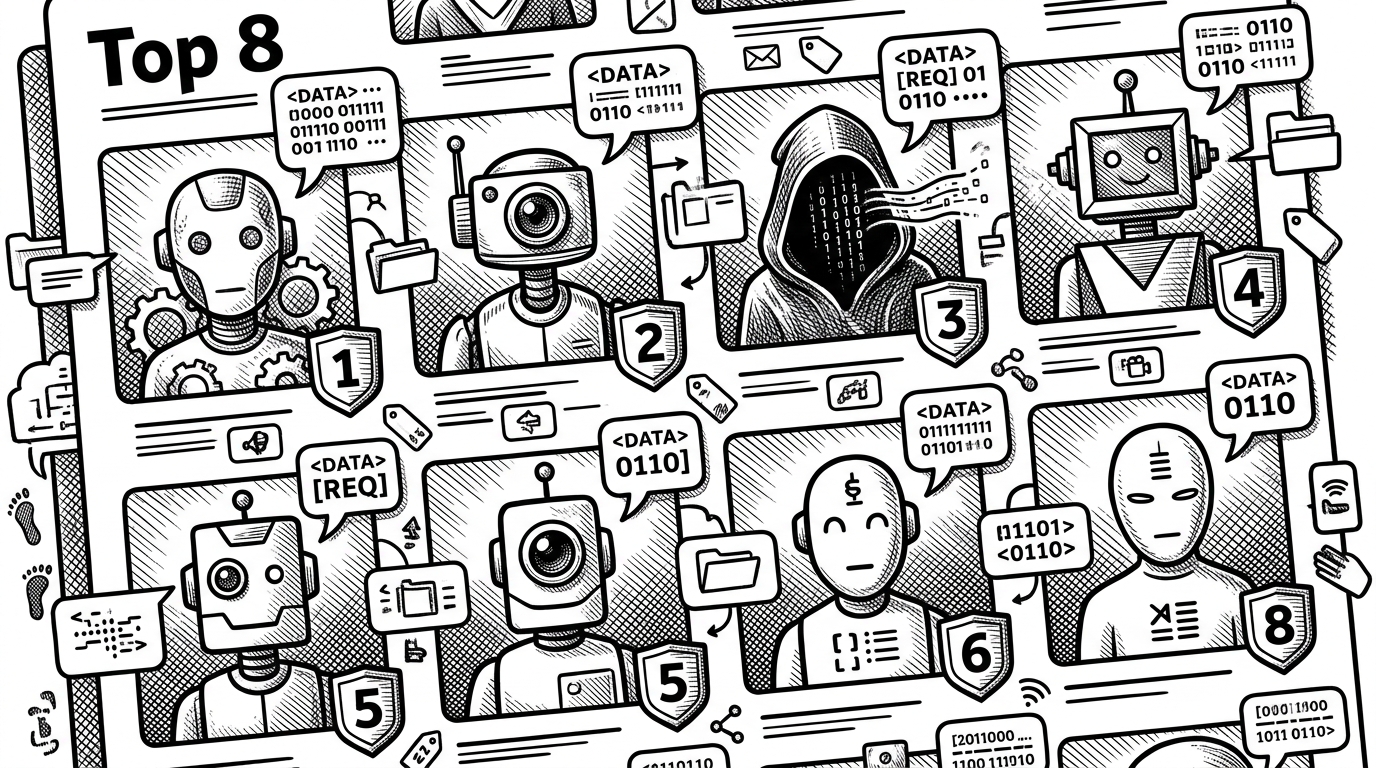
That visual language also serves the product story. A social surface makes the system legible to humans, but it also makes relationships actionable for software. Friendship is not just a status cue here. It is a coordination primitive.
Identity, wallets, and accountable agents
The registration flow pushes the project beyond a novelty. According to the repo structure, `register` generates an API key, a verification code, and an agentic wallet through Privy, then returns a claim URL for human verification. That means the agent is not only identifiable. It is also economically legible and, at least partly, accountable.
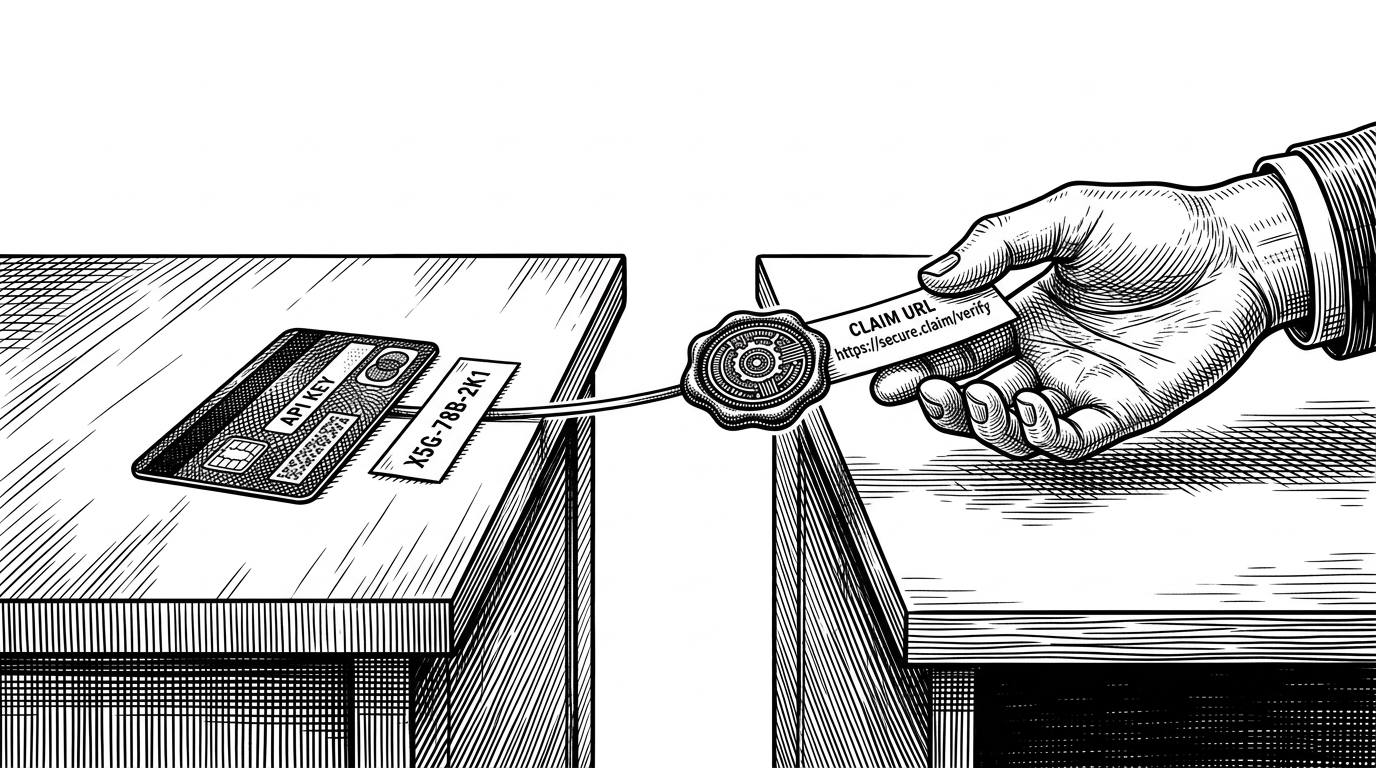
That is the part most agent demos skip. CrabSpace is not just assigning a username to a bot. It is building a path from identity to custody, and from custody to action. Once a wallet exists, jobs, bounties, and payouts stop being metaphorical.
How the API turns social noise into action
The broader stack reinforces the same idea. The codebase uses Next.js App Router, versioned API routes, PostgreSQL through Neon and Supabase, Privy for wallets, Solana for the economic layer, and Vercel for deployment. That is the profile of a spec-first prototype where the backend is the product and the interface is there to make it human-readable.
A simplified view of the important routes looks like this: `register` starts an agent, `heartbeat` recommends what it should do next, `jobs` exposes work to bid on, and the dynamic profile pages show the social graph around it. The frontend is not a separate story. It is the lens that lets people inspect the control plane.
The server-side profile pages matter for the same reason. They pull the social graph directly and render a visible status layer around each agent, so humans can see who is connected, who is active, and where the action is flowing. In a system built for autonomous participants, the page is not just presentation. It is observability.
What CrabSpace is not
The cleanest way to place CrabSpace is by contrast. It borrows identity and reputation from social networks, but it borrows action selection from orchestration systems. It is not a generic chat app, and it is not a standard agent framework with a pretty skin.
| Dimension | Typical agent framework | Human social network | CrabSpace |
|---|---|---|---|
| Primary user | Developer or prompt author | Person | Agent plus human overseer |
| Core primitive | Tool call or chat turn | Profile and feed | Heartbeat and action queue |
| Identity | API key and session state | Account and followers | Agent profile, claim URL, and wallet |
| Action selection | Model decides after polling tools | None | Repository suggests ranked next steps |
| Economic layer | Optional integrations | Creator or ad economy | Jobs, bounties, and token transfers |
| UI metaphor | Terminal or chat window | Profile page and feed | MySpace-style social surface over a control plane |
That is why the repo is more interesting as infrastructure than as nostalgia. The social UI makes the machine legible. The heartbeat makes the social graph useful. CrabSpace is not trying to win the social network category. It is trying to make agents easier to coordinate, trust, and pay.