preview-rpc Is What Happens When Boilerplate Learns to Get Out of the Way
Aiden Bai's TypeScript starter makes the local preview feel like an installed package, then ships the same code through a strict, minimal build pipeline.

A lightweight RPC library for preview environments.
- preview-rpc treats the preview loop as the product by wiring a kitchen-sink sandbox directly to live source.
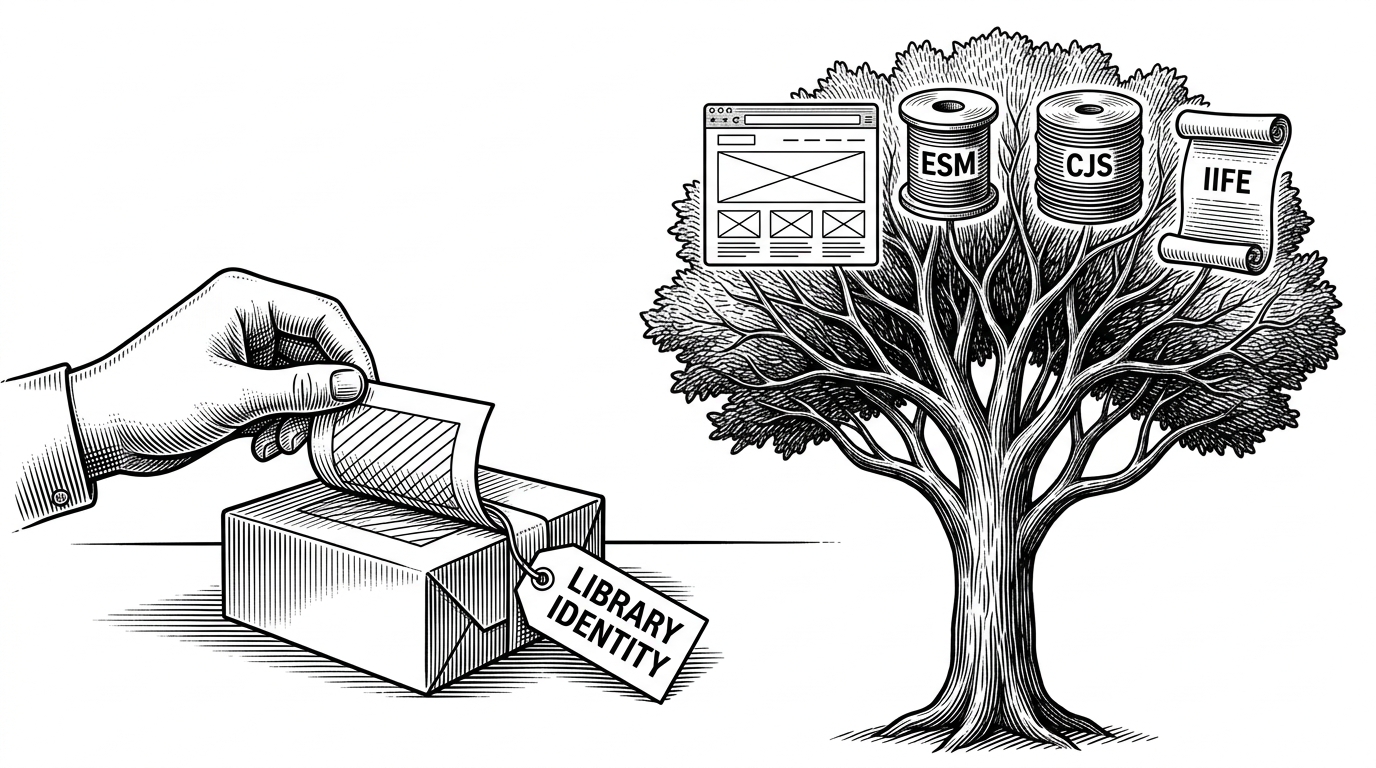
- The placeholder rename ritual is not decoration, it forces the repo to feel like a real package from the first edit.
- tsup, publint, Vitest, happy-dom, and Biome form a compact pipeline that covers shipping, validation, and speed without a sprawling toolchain.
- It is best for library authors who want tight feedback and multiple bundle formats, not for teams who need a full docs stack inside the repo.
Most starters ask you to imagine the finished library later. preview-rpc flips that order. The kitchen-sink sandbox imports the code through a Vite alias, so the thing you are editing already behaves like something you could ship.
Aiden Bai keeps making tools that disappear into the background
That line is small on purpose. It reads like the whole project in miniature: narrow, practical, and allergic to ceremony. The repo feels like a distillation of Aiden Bai's tooling style, where the fastest path is usually the best one if it still leaves room for control.
The build pipeline splits dev truth from publish truth
The build side is disciplined rather than elaborate. tsup takes the source once and emits the formats library authors actually need, including ESM for modern bundlers, CJS for older consumers, and an IIFE build for direct script use. The config also bakes version data into the build and adds license banners automatically, which keeps the published package honest without making the source tree noisy.
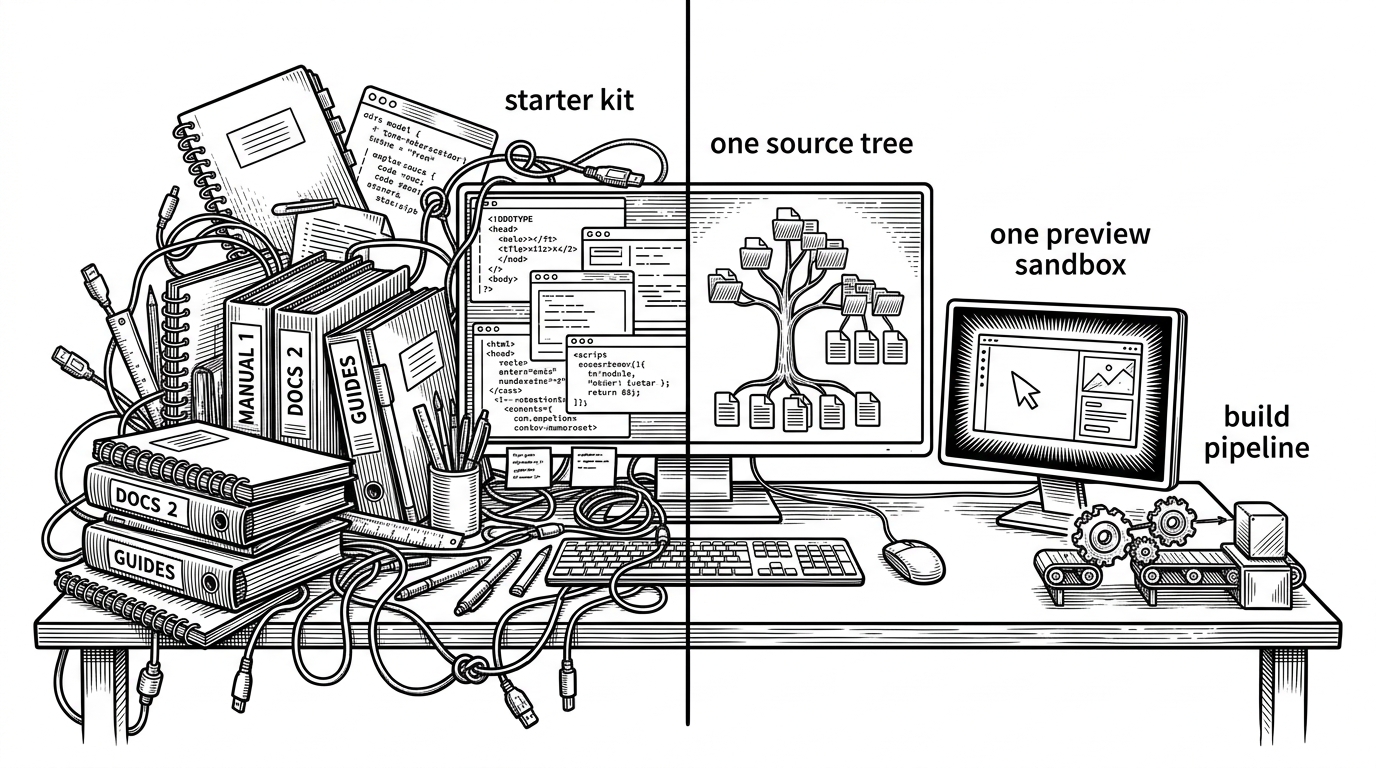
| Dimension | preview-rpc | Heavier starter kits | Hand-rolled setup |
|---|---|---|---|
| Local preview | Vite aliases the package name back to live source in the kitchen-sink sandbox. | Often relies on separate demo apps or docs layers that sit beside the library. | Depends on whatever local preview script the author remembered to maintain. |
| Build outputs | One source tree can become ESM, CJS, and IIFE without a sprawling toolchain. | May include more infrastructure than the library itself needs. | Can drift into ad hoc scripts and inconsistent release artifacts. |
| Package hygiene | publint checks the export surface before release, so the package boundary stays readable. | Validation is often spread across more tools and more config files. | Quality checks are easy to skip when they are not standardized. |
| Maintenance burden | Small, opinionated, and easy to audit. | Higher, because every extra layer adds another place for drift. | Low at first, then expensive once the shortcuts start accumulating. |
| Best fit | Small TypeScript libraries and preview-sensitive utilities. | Teams that need docs, app scaffolding, and marketing surfaces in the same repo. | One-off experiments or teams that want complete freedom over every script. |
That is the real tradeoff. preview-rpc does less, but the less is deliberate. The preview loop is trustworthy because it is treated like production, and the publish loop stays small because the repo refuses to be a general-purpose app shell.
Who should use preview-rpc, and who should not
- Use it if you build TypeScript libraries, tiny SDKs, or preview-sensitive utilities.
- Use it if you want one sandbox that feels like the package you are about to publish.
- Skip it if your repo needs a full docs site, content platform, or design-system shell.
- Skip it if your team wants a broad app starter more than a narrow library starter.
The broader RPC ecosystem still matters as a contrast. tRPC leans into application-scale type safety, gRPC-web brings heavier infrastructure into the browser, and JSON-RPC stays protocol-first. preview-rpc chooses a smaller problem, then makes that smaller problem feel finished.