naval-skill: Installing Naval Ravikant as a Claude Code Decision Engine
A prompt system, validation layer, and style DNA file turn a public thinker’s playbook into a runnable skill for analysis, reframing, and leverage-first advice.

Naval Ravikant的认知操作系统。不是语录合集,是可运行的思维框架。
- naval-skill is less a Naval chatbot than a decision engine that rewrites the question before it answers.
- Its real innovation is cognitive distillation, because it encodes leverage-seeking and redefinition as a workflow, not a quote search.
- The repository feels engineered because its style DNA and validation files act like guardrails for behavior, not just prompt clutter.
- Compared with retrieval-first Naval apps, this skill tries to reproduce the reasoning posture behind the words, not merely the words themselves.
The smartest trick in alchaincyf/naval-skill is also the simplest to miss. It does not begin by answering your question. It begins by deciding whether your question is even the right shape.
That is why this repo is interesting. It is not a Naval quote machine. It is an attempt to distill a public intellectual into an executable decision pattern, so the model does not just sound informed. It learns to reframe before it speaks.
The Question Gets Rewritten Before It Gets Answered
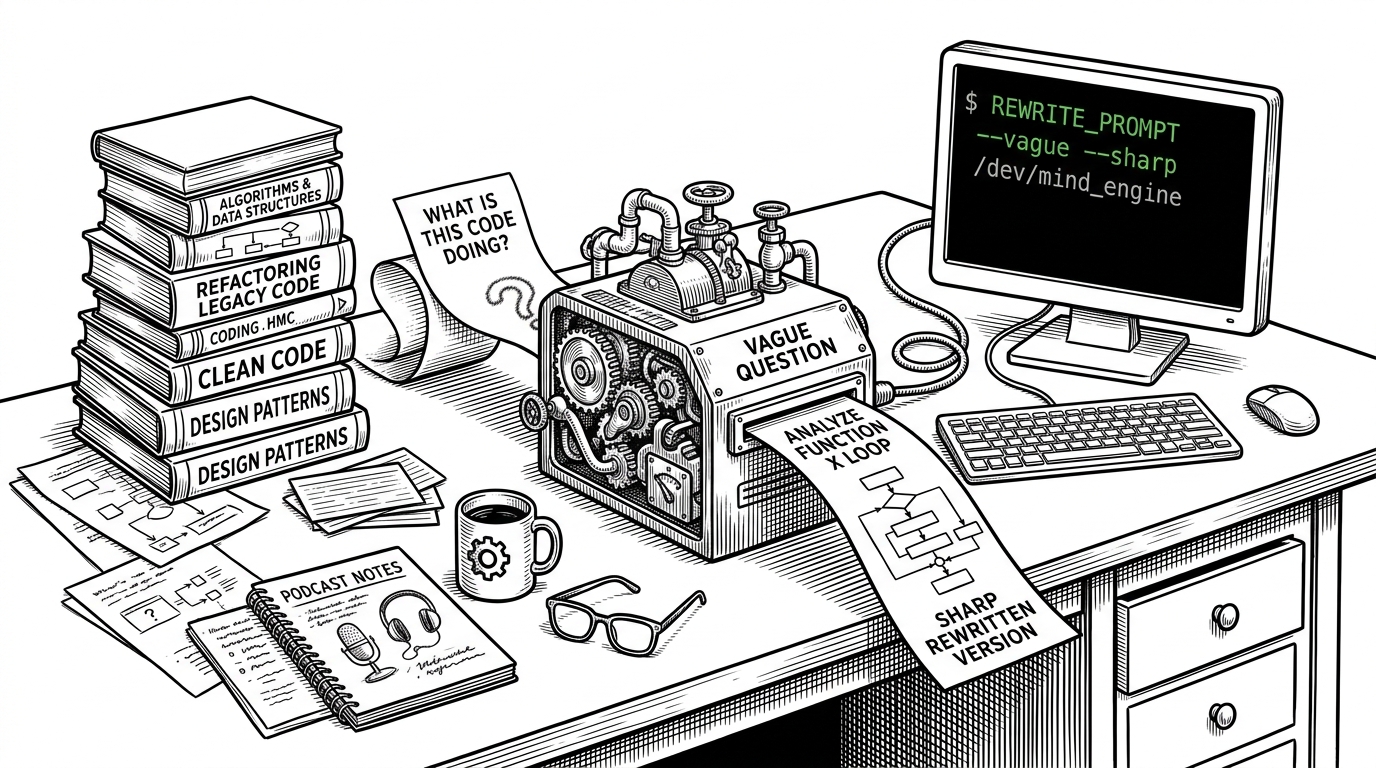
The repo’s signature move is a first-pass reframing step. A vague prompt gets classified, leverage points get searched, and the original question gets rewritten into something tighter, more actionable, and more Naval-like.
That matters because Naval’s appeal is not only what he says. It is the recurring move behind what he says. He compresses, redefines, and strips away false trade-offs until the answer feels inevitable.
What This Repository Actually Ships
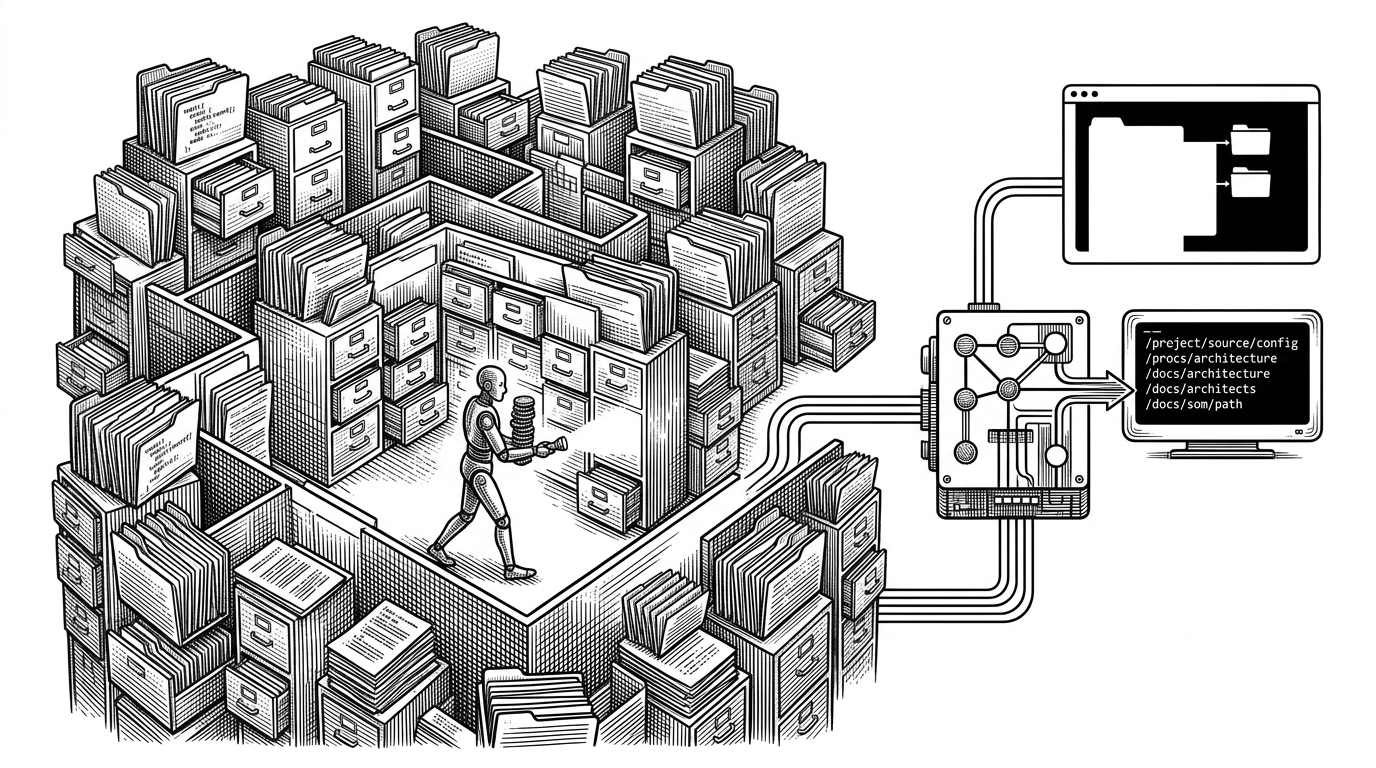
This is packaged as a Claude Code skill, which means the unit of value is not a web app. It is a local capability you install and invoke in your terminal. The repository’s job is to make a particular mode of thinking available on demand.
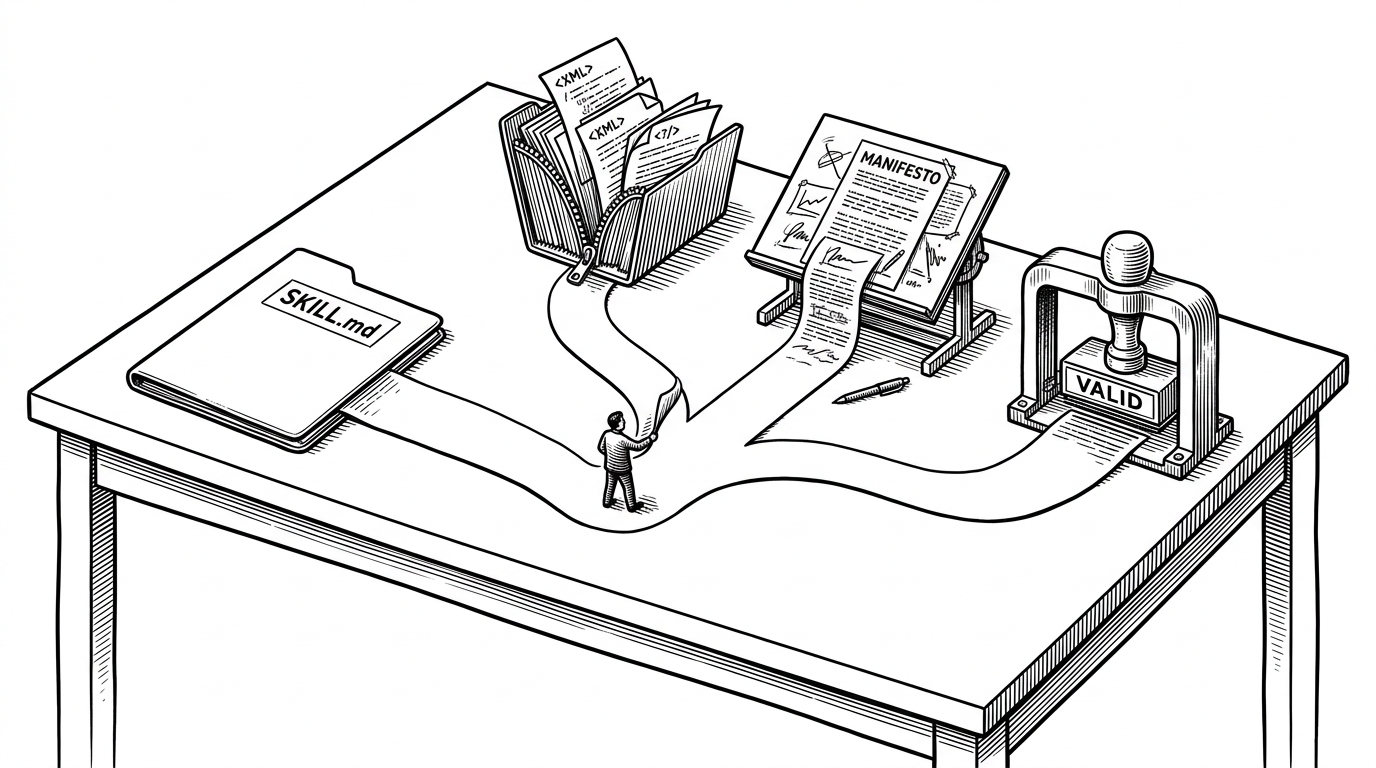
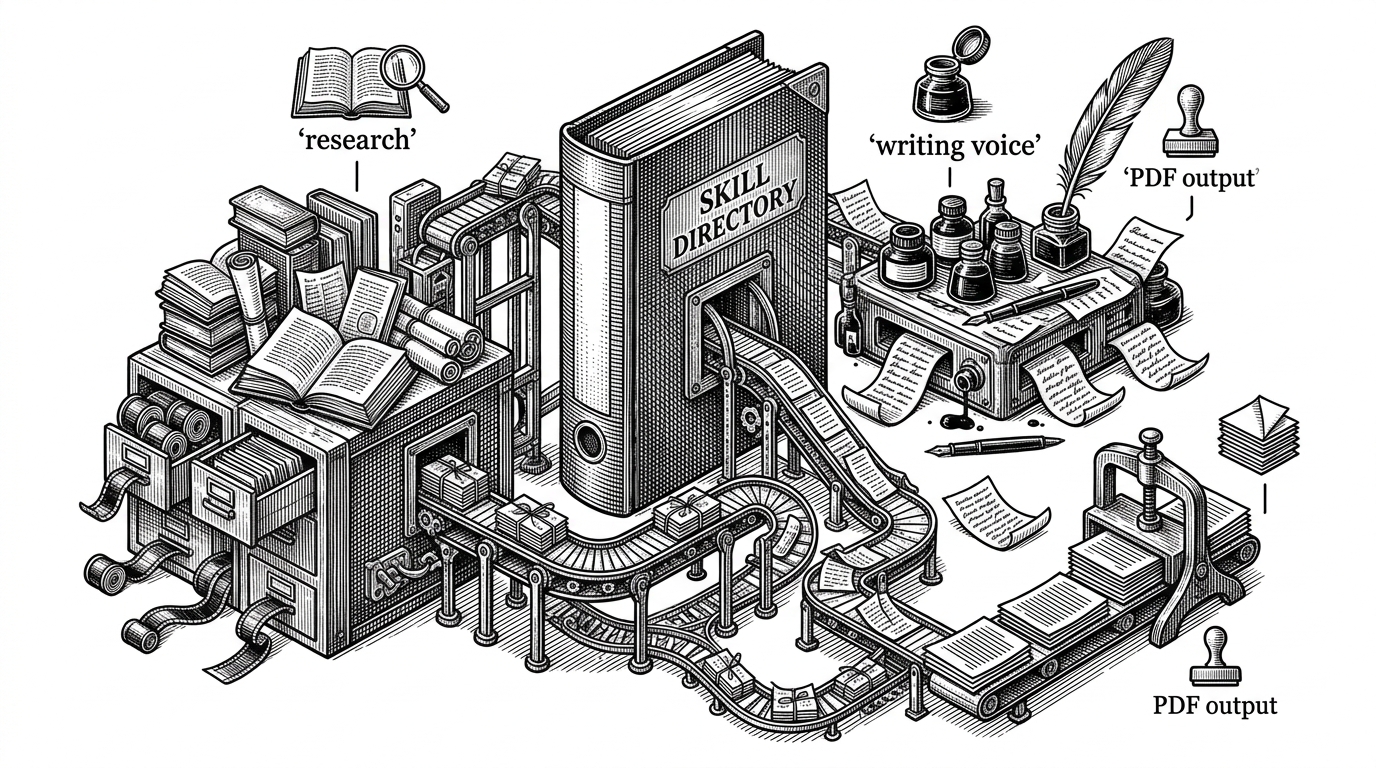
The structure is clean and purposeful. SKILL.md holds the executable instructions. references/ acts like memory and style substrate. examples/ gives the system behavioral examples to aim at. That is enough to make the project feel more like a compact operating system than a prompt dump.
Inside the Agentic Protocol
The protocol in SKILL.md reads like a decision loop. First classify the request. Then search for leverage points. Then apply a redefinition layer before producing the answer. Finally, validate the output against style DNA so the result stays inside the intended frame.
1. Classify the request
2. Search for leverage points
3. Redefine the question
4. Answer in Naval style
5. Validate against style DNA
The negative constraints matter too. They prevent the model from becoming a lazy impersonator. The goal is not to say, "Naval would think..." The goal is to make the answer feel like it emerged from the same cognitive posture.
The Style DNA Is the Real Product
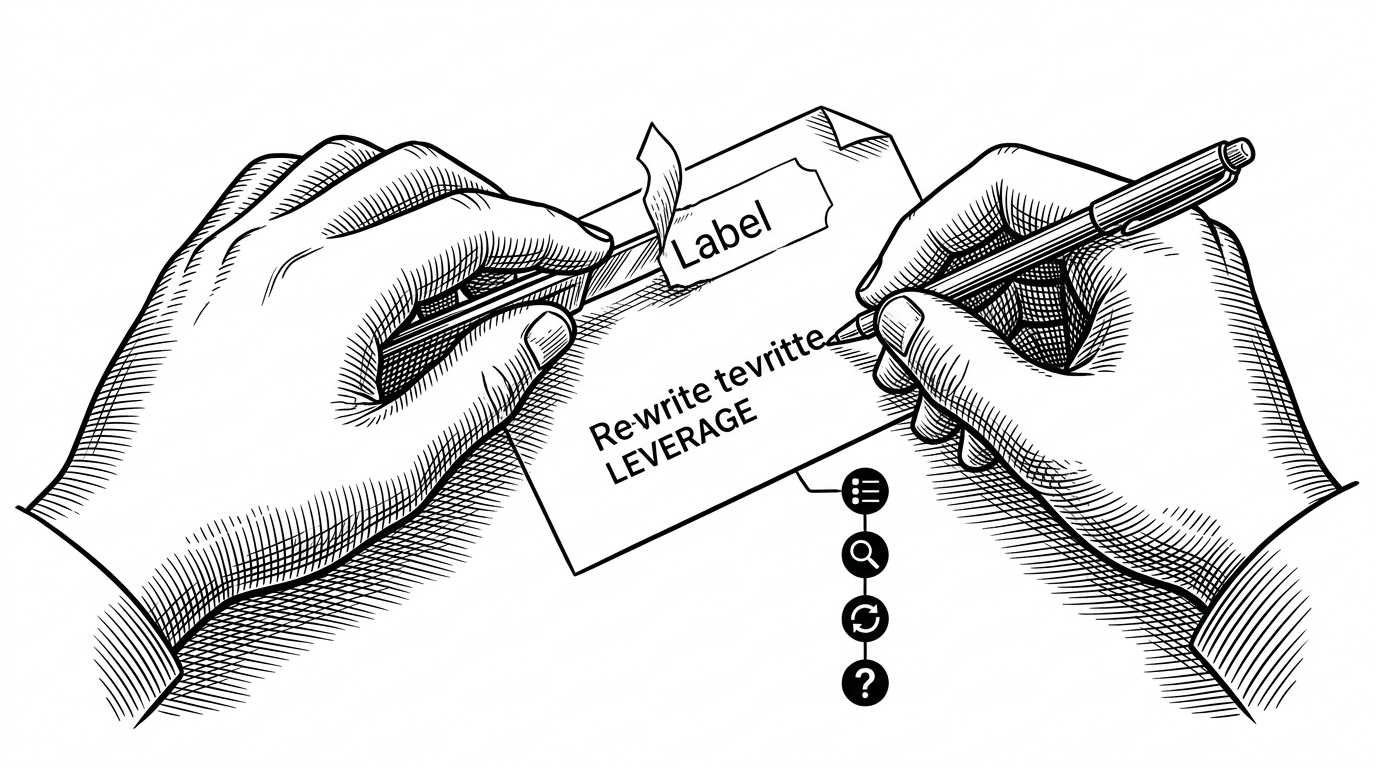
The most revealing file is not the prompt itself but the style DNA reference. It decomposes Naval’s expression into usable traits: short sentences, compression, conclusion first, and a tight vocabulary around leverage, specific knowledge, and permissionless action.
That is the jump from imitation to operational style. The repo is not just trying to quote a thinker. It is trying to encode the rhythm of his reasoning so the model can produce new answers that still feel internally consistent.
Why the Validation File Matters
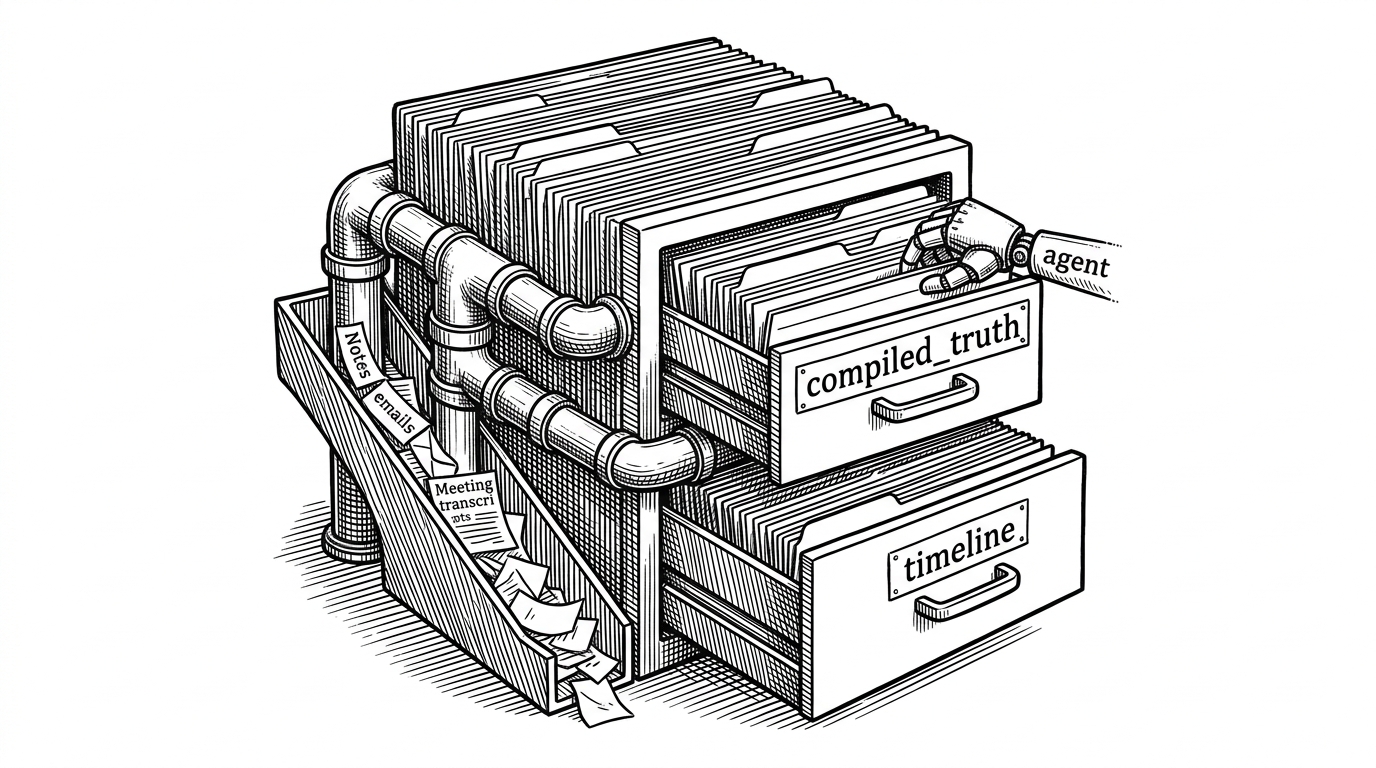
A lot of prompt repos feel like they were written once and never inspected again. This one makes a different bet. The validation file creates a sanity-check culture around style drift, over-quotation, and weak reasoning.
| Layer | What it does | Why it matters |
|---|---|---|
| SKILL.md | Defines the protocol and output rules | Turns the skill into a repeatable process |
| references/naval-agent3-expression-dna.md | Describes sentence rhythm and vocabulary | Keeps the voice inside a narrow band |
| references/quality-validation.md | Records sanity checks and edge cases | Makes the project feel testable, not improvised |
That engineering posture is the real signal. Prompt systems get more credible when they start treating behavior as something you can validate, not just something you can hope for.
Why This Beats a Naval RAG App
The obvious alternative is retrieval-first. Search a corpus, surface passages, and let the model synthesize a response. That works well for navigation and recall. It is weaker when the question is really about judgment.
| Aspect | naval-skill | Naval RAG chatbot |
|---|---|---|
| Primary goal | Reframe and reason | Retrieve and answer |
| Unit of value | A decision protocol | A searchable corpus |
| Core strength | Thinking posture | Source coverage |
| Behavior | Leverage-first, style-constrained | Passage-grounded, retrieval-led |
| Best use case | Analysis and reframing | Lookup and summarization |
That is the key distinction. RAG answers from text. This repo tries to answer from a way of thinking. One retrieves content. The other changes the shape of the problem first.
The Bigger Bet: Wisdom as a Dependency
The install story makes the thesis concrete. If a mindset can be added with a command like npx skills add, then public thought starts to look less like a book you read and more like a dependency you load into your workflow.
That is a bigger shift than the repo’s size suggests. It points toward a future where we do not only ask models for answers. We install frameworks, filters, and thinking styles the way developers already install libraries.