anthropics/healthcare: The Repo That Turns Claude Into a Resumable Workflow Engine
Inside the waypoint system, MCP servers, and deterministic checks that make healthcare AI feel less like chat and more like infrastructure.
- The repo treats Claude as a resumable workflow engine, not a single-turn chatbot.
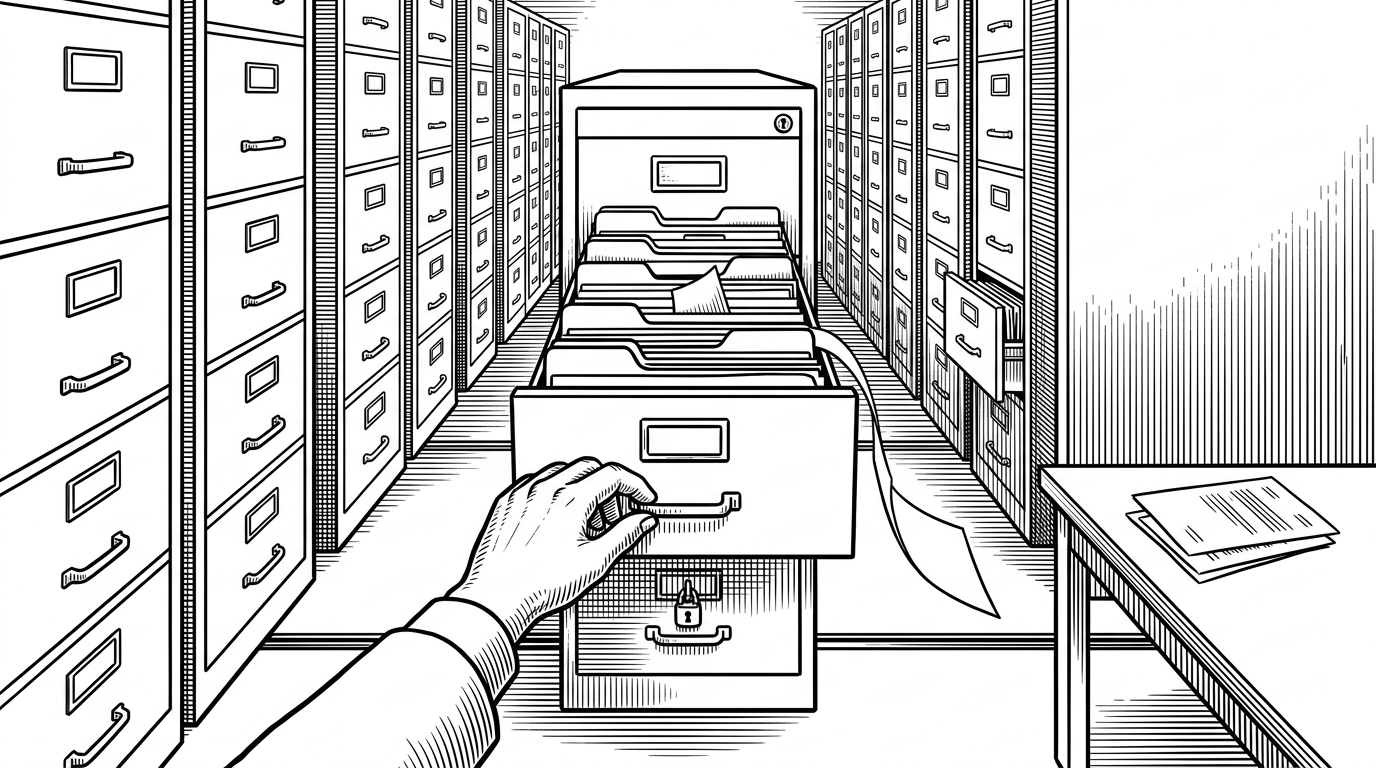
- Waypoints and deferred loading keep long healthcare tasks stateful, smaller, and easier to audit.
- MCP servers move healthcare work from model memory to live, source-backed retrieval.
- Deterministic Python code handles math the model should not guess.
The real product is not a chatbot
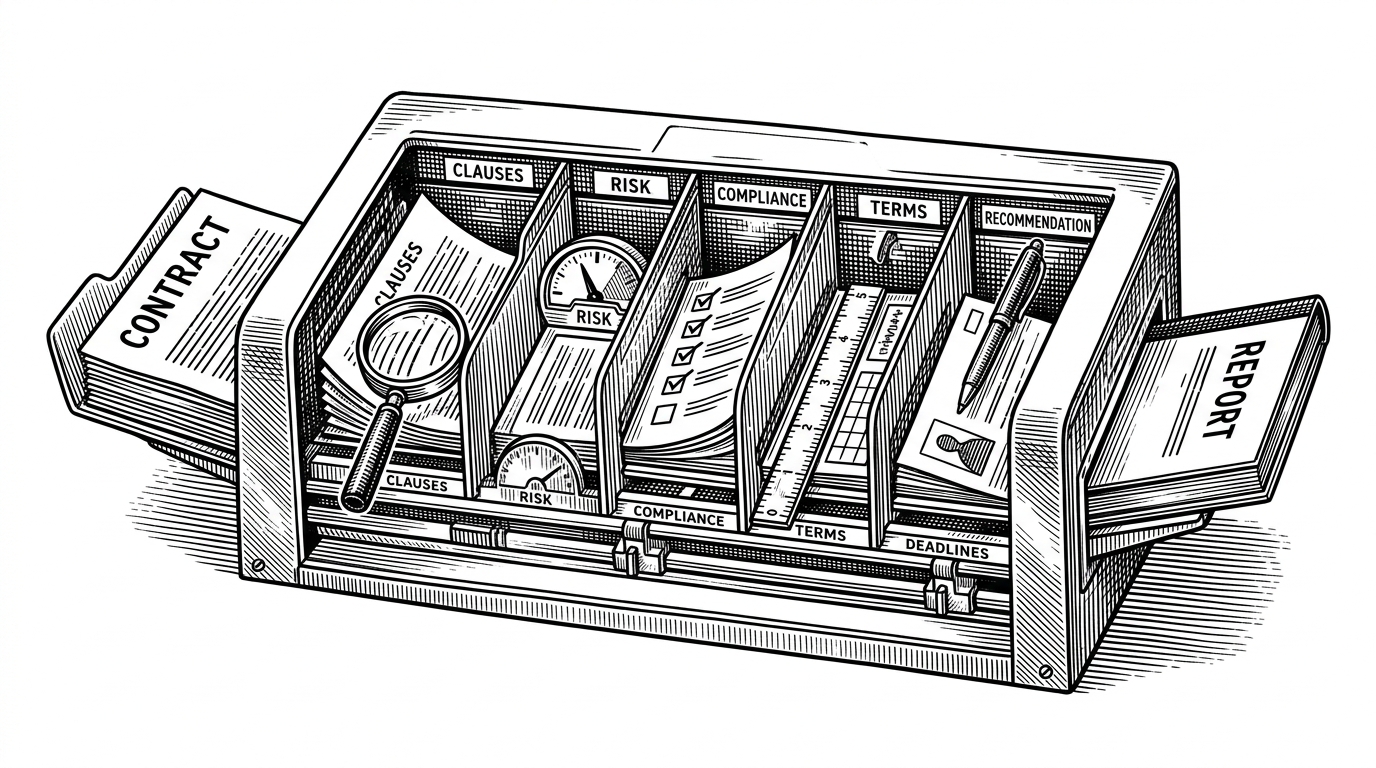
anthropics/healthcare is interesting because it refuses to behave like a giant prompt. The repo turns Claude Code and Claude Desktop into a staged operator that writes state to waypoints, loads only the next instruction set, and hands the parts that need certainty to code and live data.
Why waypoints beat one giant prompt
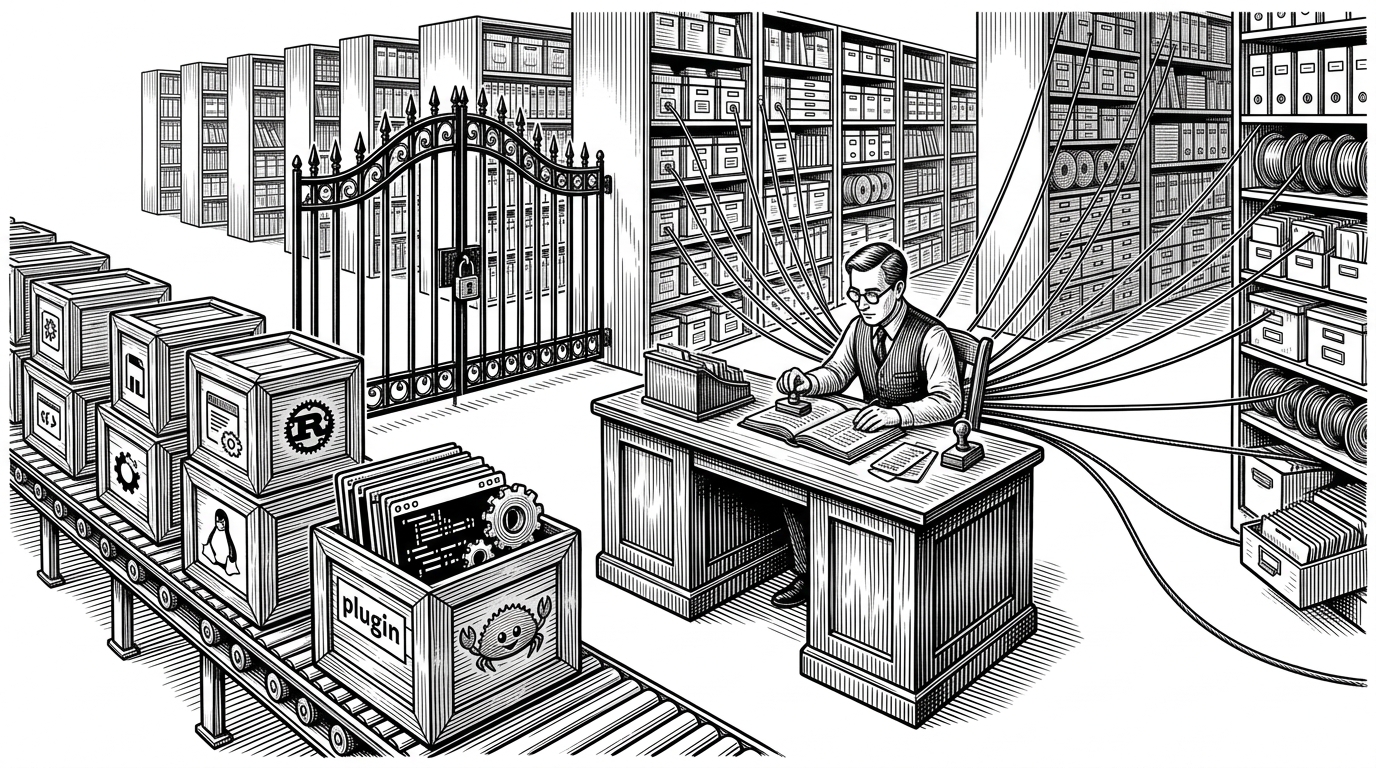
The clever part is not the folder. It is the discipline around loading. The repo tells the model not to pre-read subskill files, then brings each one in only when the current waypoint needs it.

That matters because healthcare work punishes improvisation. A protocol draft, an authorization appeal, or a registry lookup can span multiple passes and multiple sources. If the model is forced to hold all of that in context, every turn becomes a memory test. If the repo writes the state down, the system gets resumability instead of vibes.
How the repo grounds the model in real data
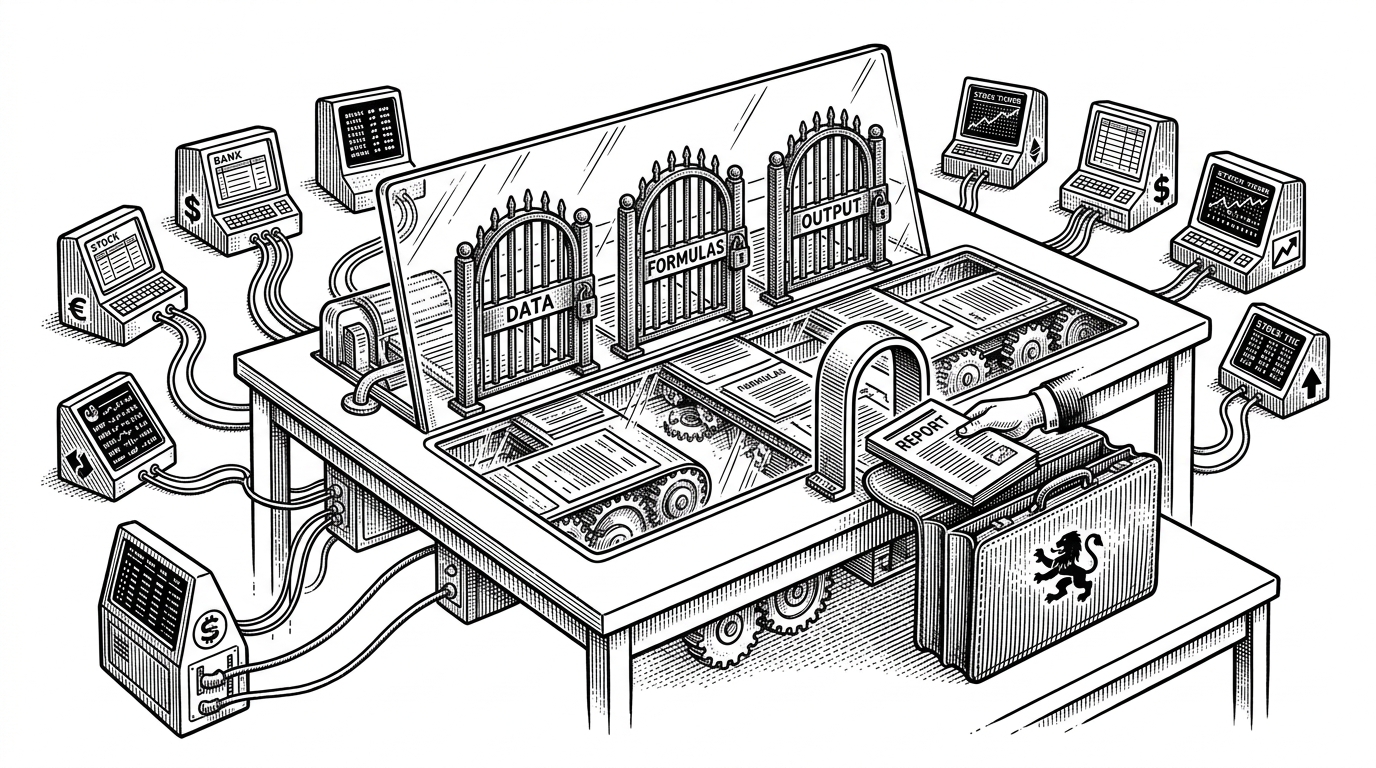
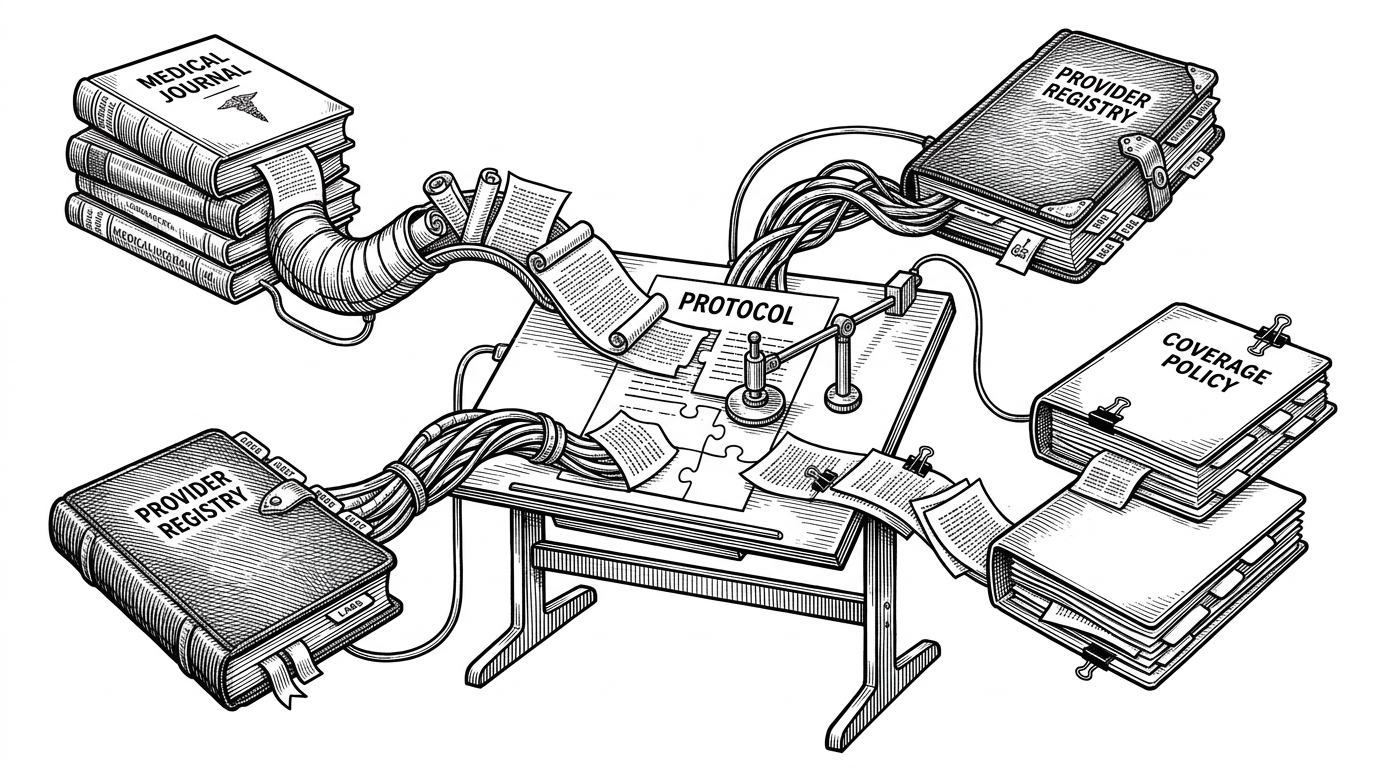
The MCP layer is the other half of the design. PubMed, the NPI Registry, and the CMS Coverage Database are not decorative integrations. They move the system from recall to retrieval, so Claude can assemble an answer from live sources instead of leaning on whatever was nearby in training data.
| Source | Used for | Why it matters |
|---|---|---|
| PubMed | Research retrieval and literature review | Keeps clinical claims tied to citable evidence |
| NPI Registry | Provider identity lookup | Reduces the chance of building workflows on the wrong clinician or organization |
| CMS Coverage Database | Coverage and policy checks | Anchors administrative work in the rules that actually govern it |
clinicians often spend more time on documentation than on patient care.
The deterministic backstop: math the model should not guess
The repo draws a hard line around arithmetic. Its sample_size_calculator.py uses Python, SciPy, and NumPy for continuous sample-size calculations, which is exactly the kind of work you do not want a model improvising. The LLM can orchestrate the request, but the calculation itself should be deterministic.
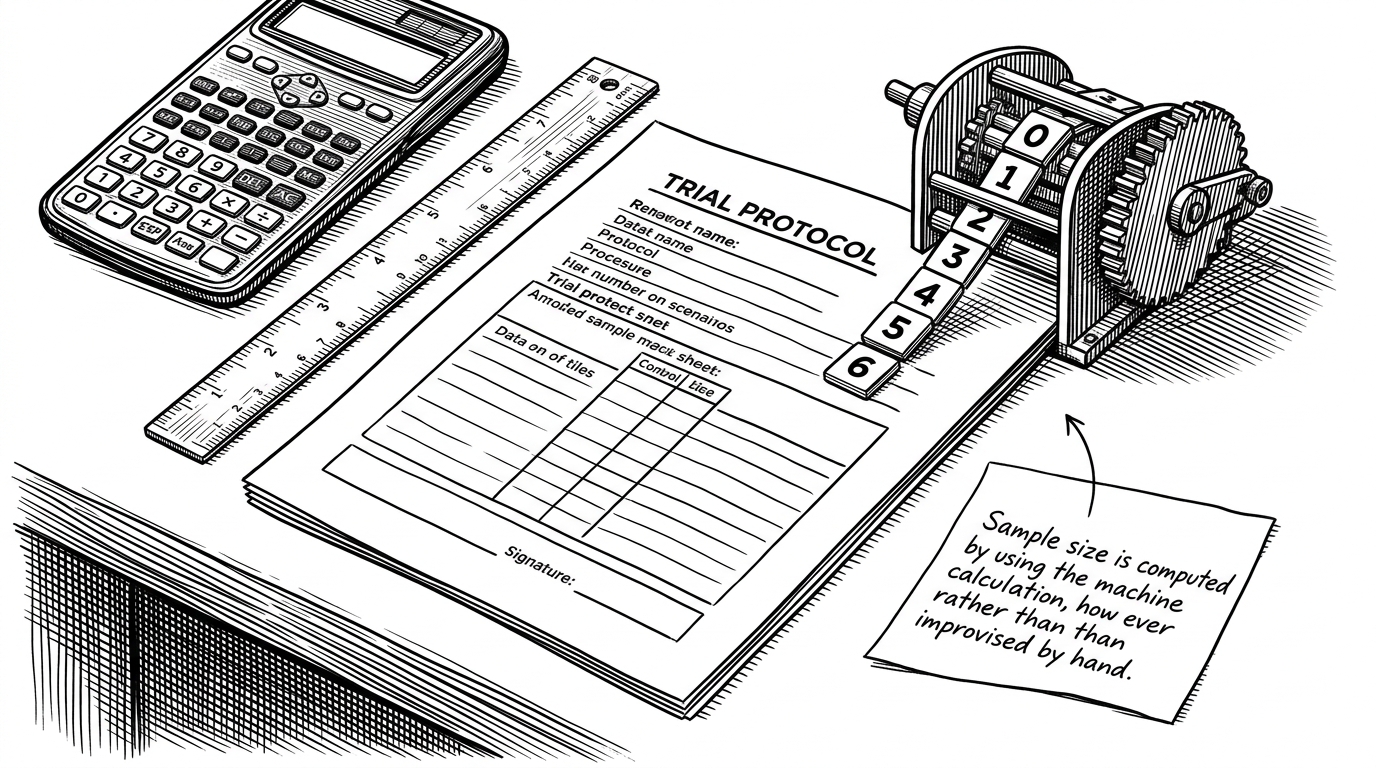
| LLM guess | Python and SciPy | Result |
|---|---|---|
| Estimates numbers from context | Computes alpha, beta, dropout, and allocation ratio | A reproducible sample-size answer |
| Can sound confident while being wrong | Produces a deterministic calculation | A result reviewers can trace |
| Treats math like language | Treats math like math | A safer backstop for regulated work |
What the healthcare workflows actually optimize
Once the architecture clicks, the use cases stop looking random. They all share the same shape: structured inputs, source checks, repeatable outputs. That is why this repo is pointed at work that is expensive to do manually and painful to get wrong.
- Clinical trial protocols need source-backed steps and reproducible calculations.
- Prior authorization workflows need policy lookups and durable evidence trails.
- Claims appeals need structured reasoning that can survive review.
- FHIR-related work needs a clear map from messy data to interoperable output.
How this differs from generic AI assistants
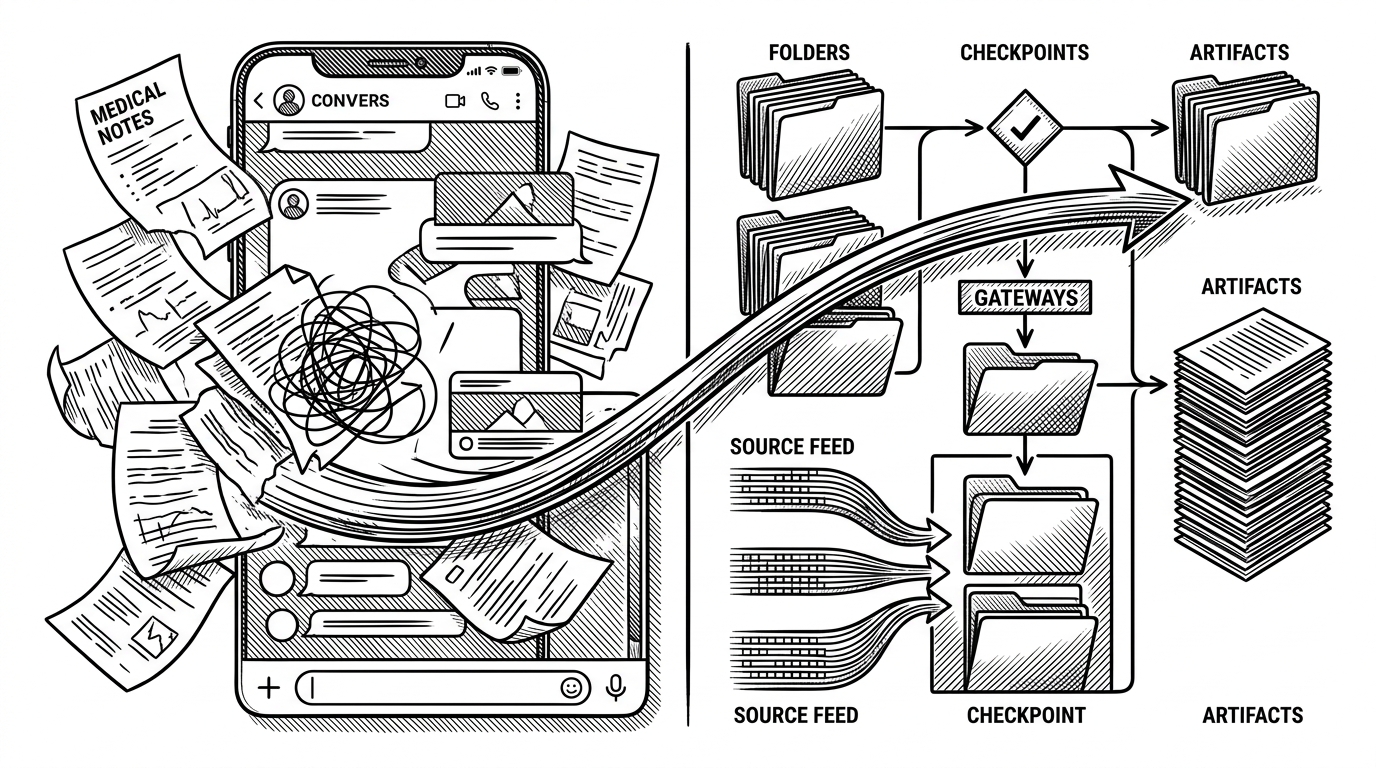
| Generic chat-first assistant | anthropics/healthcare | Why it matters |
|---|---|---|
| Keeps state in conversation context | Writes state to waypoint files | Saved state survives long tasks and handoffs |
| Answers from model memory | Queries PubMed, NPI Registry, and CMS Coverage | Live sources reduce hallucination risk |
| Tries to solve everything in one pass | Breaks work into staged artifacts | Stage boundaries make review and recovery easier |
| Lets the model estimate math | Delegates calculations to Python | Deterministic numbers are safer in regulated work |
| Has one final answer | Leaves an audit trail at each waypoint | Reviewers can inspect the process, not just the output |
| General purpose | Built around healthcare workflows | Domain-specific structure beats generic flexibility |
What to take away from the architecture
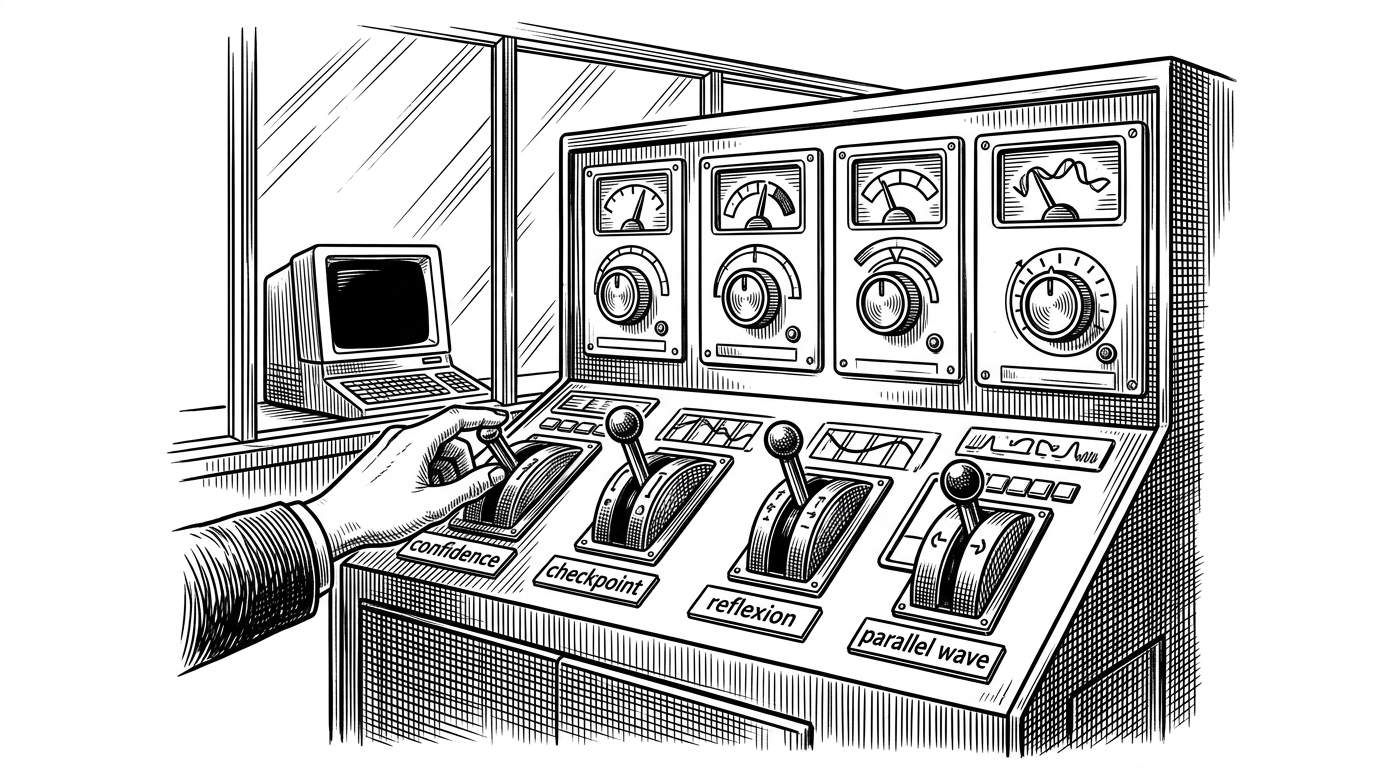
The useful lesson is not that healthcare needs more AI hype. It is that operational work needs explicit process. Checkpoints, selective loading, live sources, and deterministic backstops are what let a language model behave like infrastructure instead of autocomplete.