The Ghost Architecture of arffsaad/git-assg2
How a zero-code repository perfectly encapsulates the modern ritual of version control education.
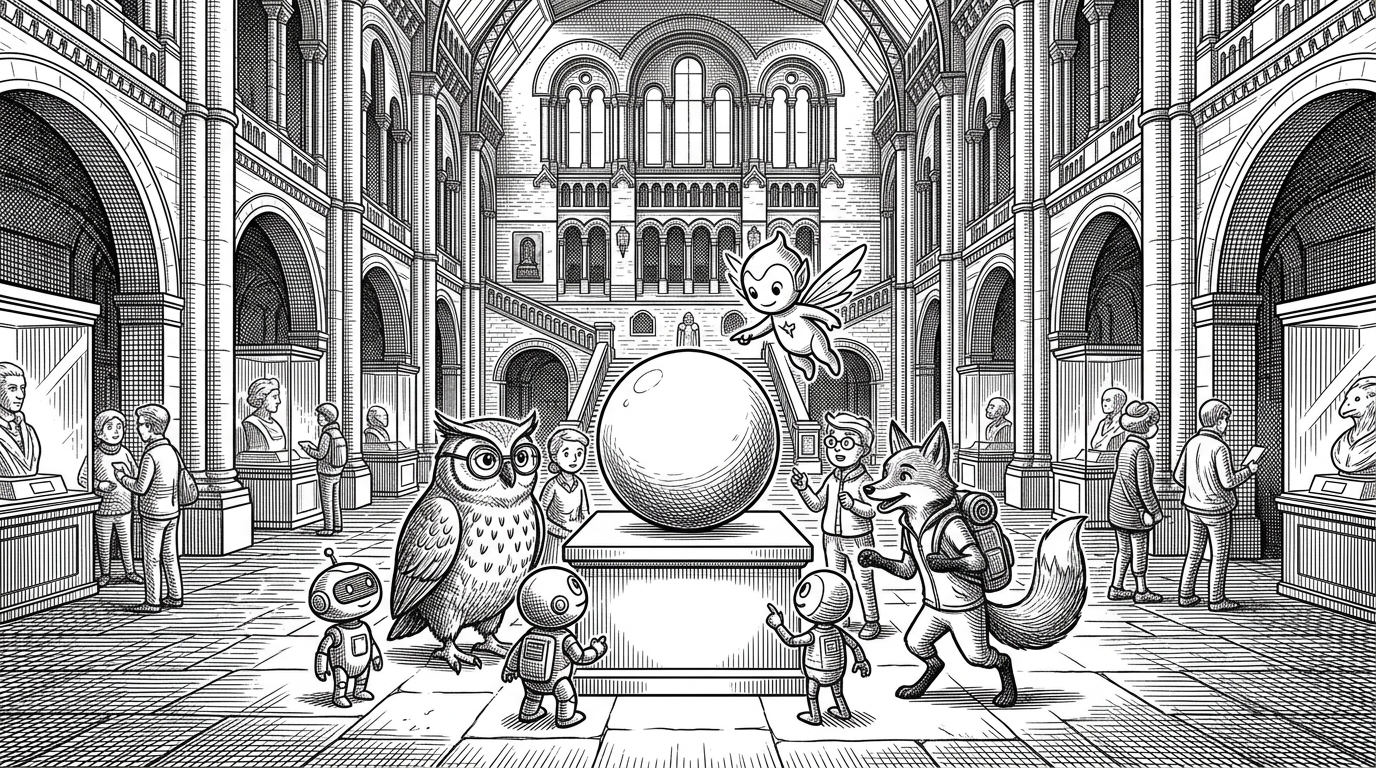
- git-assg2 abandons executable logic entirely to isolate the pure mechanics of state management.
- The flat text files serve as temporal markers proving the successful navigation of parallel branches.
- The repository exemplifies the modern educational shift where global infrastructure replaces localized grading.
The Zero-Code Codebase
We expect software repositories to do things. They compile, they execute, they serve web pages, or they analyze data. The repository arffsaad/git-assg2 does none of these. By stripping away all executable logic and programming languages, the author has isolated the pure mechanics of version control. It is a completely flat, stripped-down file structure where the removal of syntax forces the focus entirely onto the system itself.
This minimalist documentation is not an oversight. It is a manifestation of the repository's core purpose. The existence of the repository is the deliverable itself. It is a digital artifact of the learning process, capturing the exact moment a developer transitions from writing code to managing state.
The Topology of Time Travel
A naive reading of the repository reveals three text files: hello.txt, feat2.txt, and feat3.txt. However, these are not features in a traditional sense. They are temporal markers. They serve as cryptographic proof that the author successfully navigated parallel branches and merge conflict resolution.
The code is not the software. The Git tree is the software. In a standard workflow, these files would have been created in isolation on separate branches before being merged into the main branch. Their simultaneous presence in the root directory indicates a completed merge exercise, a successful manipulation of parallel timelines.

The Global Classroom
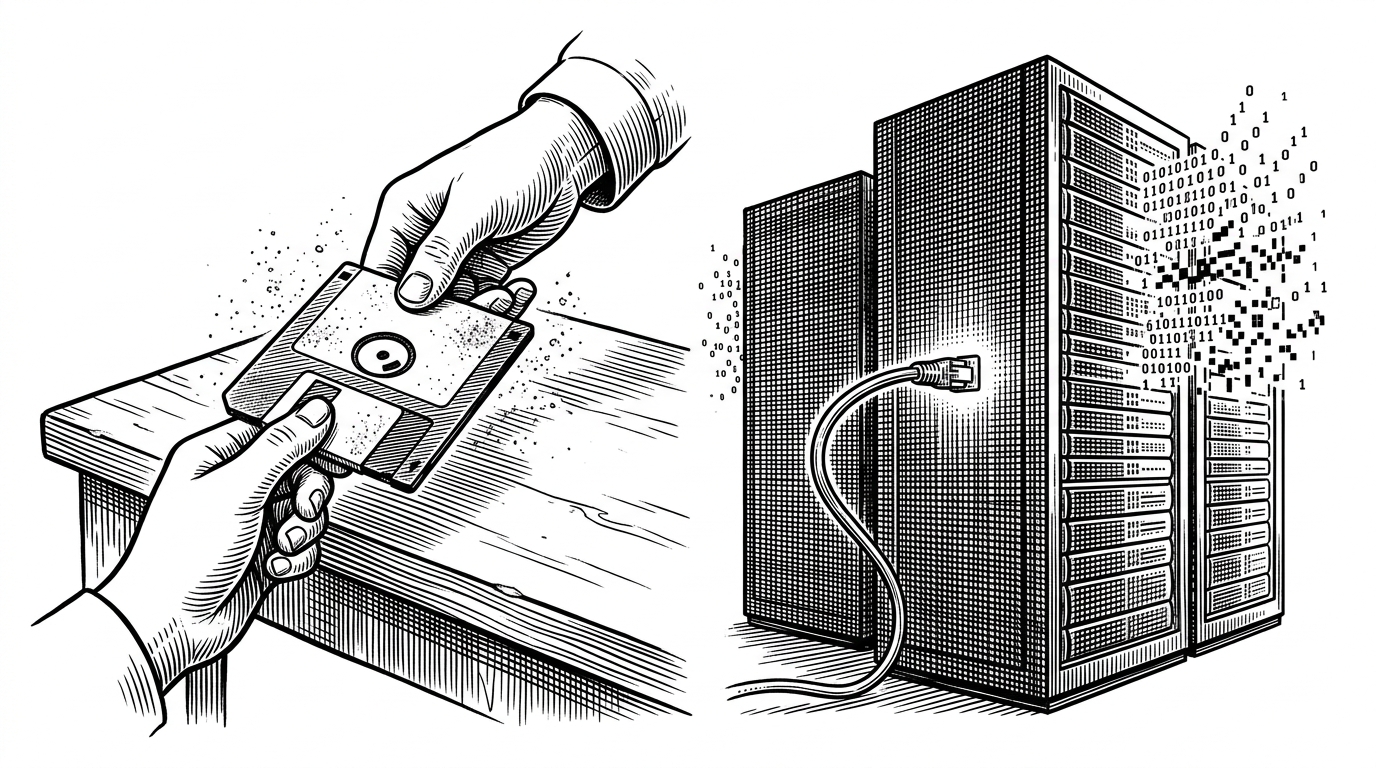
There is a massive subculture on GitHub of assignment repositories. This project is a perfect specimen of the archetype. It highlights how the global open-source grid has entirely replaced local zipped folders and physical media in computer science education.
The Universal Baseline
Every massive, complex system starts with an initial commit and a basic text file. By examining git-assg2, we are looking at the common denominator of all software engineering. It is a pristine artifact that reminds us that before we can build distributed applications, we must first learn how to save our progress.
| Metric | arffsaad/git-assg2 | Enterprise Monolith |
|---|---|---|
| Primary Output | Commits and Merges | Compiled Binaries |
| State Management | Pure Git Tree Topology | Complex Application State |
| Execution Environment | None (Static Repository) | Distributed Cloud Servers |
| Pedagogical Goal | Learn the Tool | Serve the User |