bmad-core-tools: BMAD: The Assembly Line for Autonomous Engineering
Moving beyond the chat box to a multi-agent factory floor where AI personas plan, architect, and execute in lockstep.
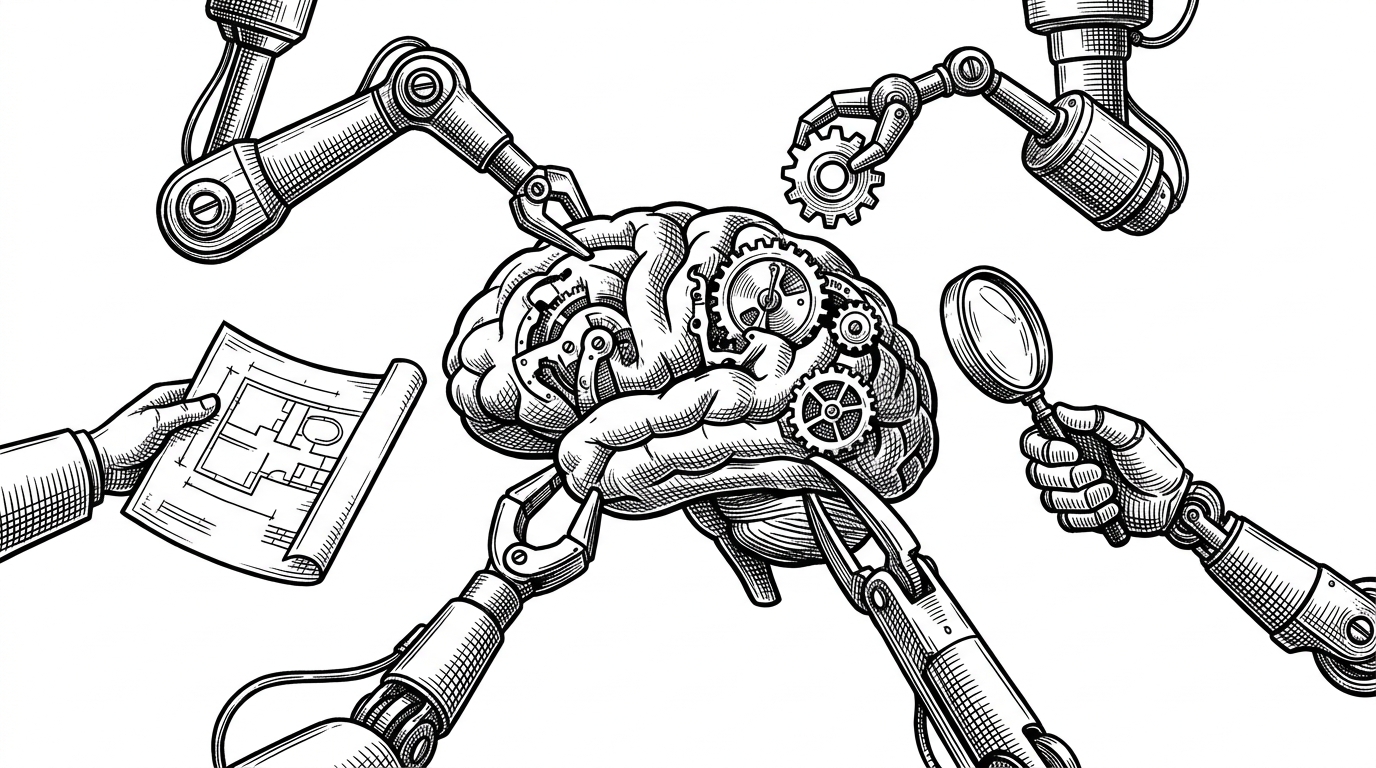

Running AI agents in a real codebase means solving three intertwined problems at once: planning and quality gates (so agents don't drift), observability (so you know what's working), and orchestration (so multiple agents divide work without clobbering each other).
- BMAD transforms AI development from ad-hoc chatting into a structured software manufacturing assembly line.
- The framework uses "Party Mode" to force specialized PM, Architect, and Developer personas to debate solutions before execution.
- A modular compiler prevents context collapse by injecting only specific skills and tools into an agent's active session.
- Physical markdown "Step-Files" serve as immutable memory relays to maintain state across the four-phase engineering lifecycle.
The Virtual War Room
The "AI Engineer" era has moved past simple chat boxes, but most developers are still stuck in a manual labor loop with LLMs—pasting snippets, fixing hallucinations, and wrestling with context windows. BMAD (Build More Architect Dreams) is a major open-source attempt to turn AI from a solo pair-programmer into a structured, multi-role digital department.
This isn't about writing a better prompt. It’s about Software Manufacturing. BMAD introduces "Party Mode," a feature that summons a Product Manager, an Architect, and a Developer into a single session. Before a single line of code is written, these personas are forced to "argue" with each other to find the best solution.
The Death of the Mega-Prompt
Under the hood, bmad-core-tools functions as a compiler for AI context. Instead of relying on a monolithic set of instructions, it breaks intelligence down into specialized "Skills" and "Sidecars." When a specific task is required, the compiler injects only the necessary tools into the active persona's brain.
This modular approach solves the "context collapse" that plagues long-running AI sessions. By treating IDEs (like Cursor or Claude Code) merely as platforms, the core tools enforce a consistent AI methodology regardless of the underlying environment.
Manufacturing State with Step-Files
LLMs have a goldfish memory. BMAD solves this by instituting a rigid four-phase lifecycle: Analysis, Planning, Architecture, and Implementation. Each phase produces a physical markdown file—a "Step-File"—that the next agent reads as its immutable context.
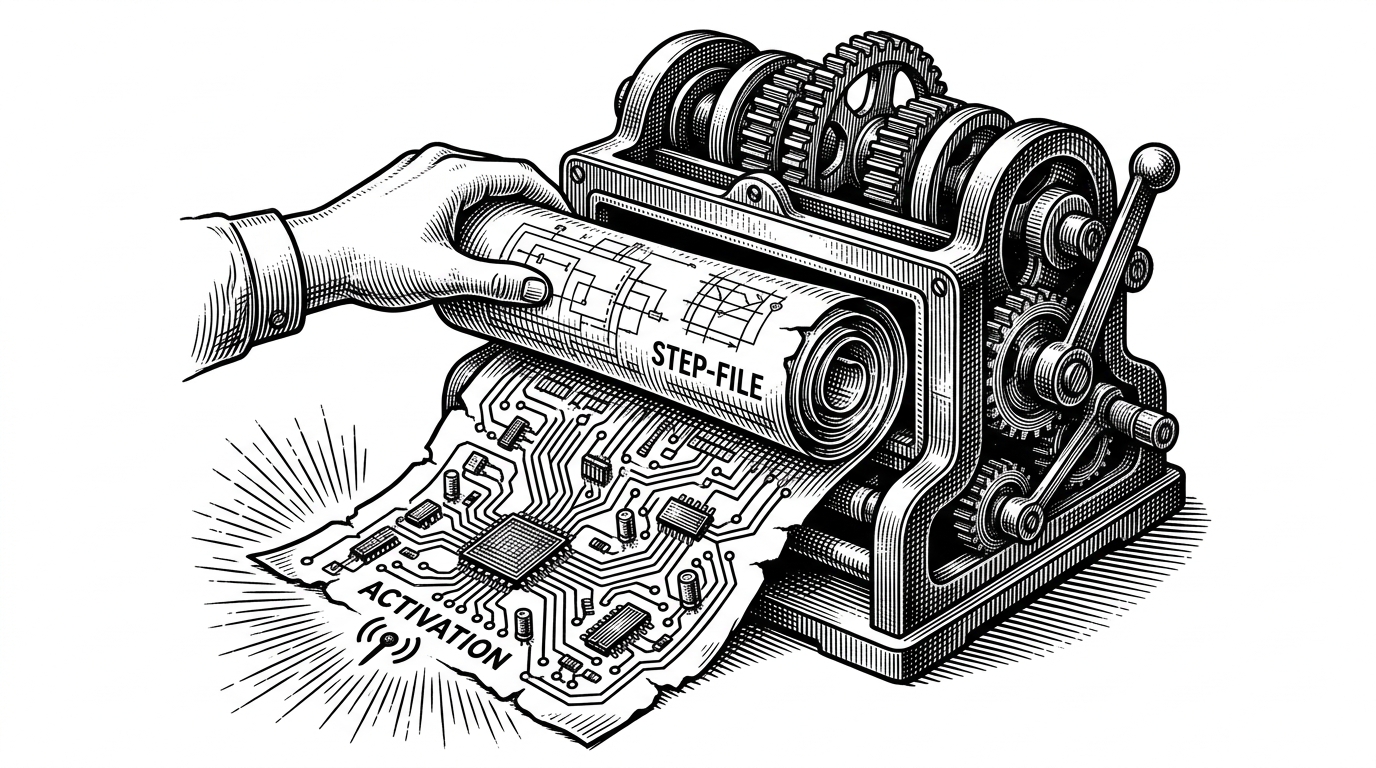
BMAD isn't another plugin or magic prompt but it's a lightweight, team-shaped framework that gives your AI collaboration structure, accountability, and context so outputs become repeatable, readable, and useful.
Engineering the Context Layer
While legacy tools like grep find strings, BMAD’s core tools map symbols and relationships to build a comprehensive "mental map" for the agent. This is the difference between searching a codebase and understanding its architecture.
| Feature | Raw LLM Chat | Basic AI IDEs | BMAD Method |
|---|---|---|---|
| Context | Manual copy-paste | Workspace embeddings | Codified Step-Files |
| Personas | Single generic assistant | Single developer assistant | Multi-agent (PM, Architect, Dev) |
| State Management | Ephemeral session memory | Thread-based history | Immutable Markdown artifacts |
| Workflow | Ad-hoc prompting | Vibe-based planning | Rigid 4-phase agile lifecycle |
By codifying agile practices into machine-readable workflows, BMAD provides a blueprint for the future of software engineering—one where human developers manage a digital department rather than writing every line of code themselves.