bmad-method-wds-expansion: BMad WDS: Coding with the Norse Pantheon
How the Whiteport Design Studio expansion transforms structured Markdown into a high-fidelity orchestration layer for AI agents.
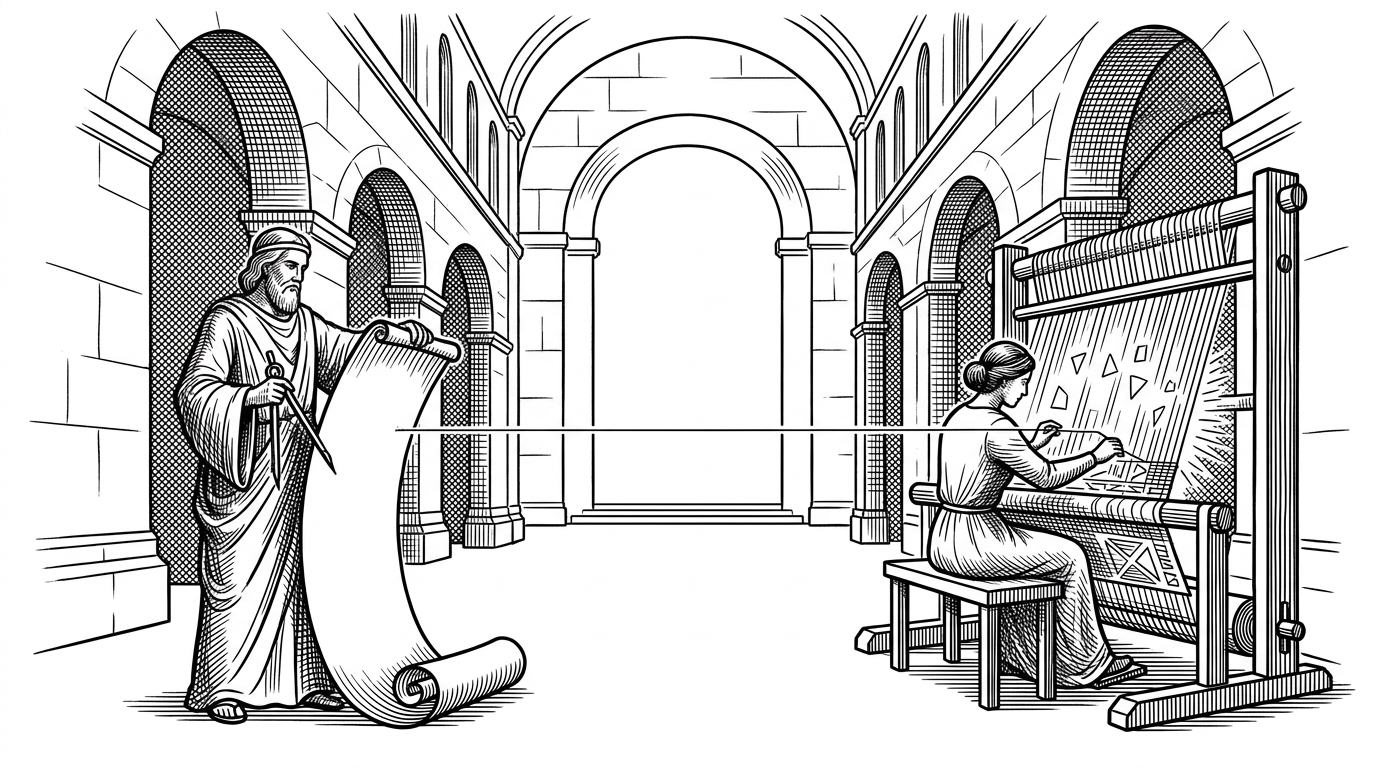
- The WDS expansion prevents context drift by splitting AI responsibilities between specialized Analyst and Designer personas.
- Trigger Maps convert user psychological drivers into traceable technical requirements before development begins.
- Structured Markdown files serve as a machine-readable intermediate representation that replaces traditional visual design handoffs.
- The framework enforces a transparent audit trail through mandatory Design Logs and Object Registries.
The Separation of Divine Concerns
The most profound shift in AI-assisted coding is not about generating code faster. It is about generating the right code. The Whiteport Design Studio expansion for the BMad Method tackles this by treating design as a machine-readable specification.
Instead of relying on a single omniscient AI, WDS introduces a role-based architecture. Saga acts as the Analyst, focusing strictly on business logic and technical constraints. Freya acts as the UX Designer, consuming Saga's strategic output to generate page specifications. This separation prevents the context drift that plagues monolithic AI prompts.
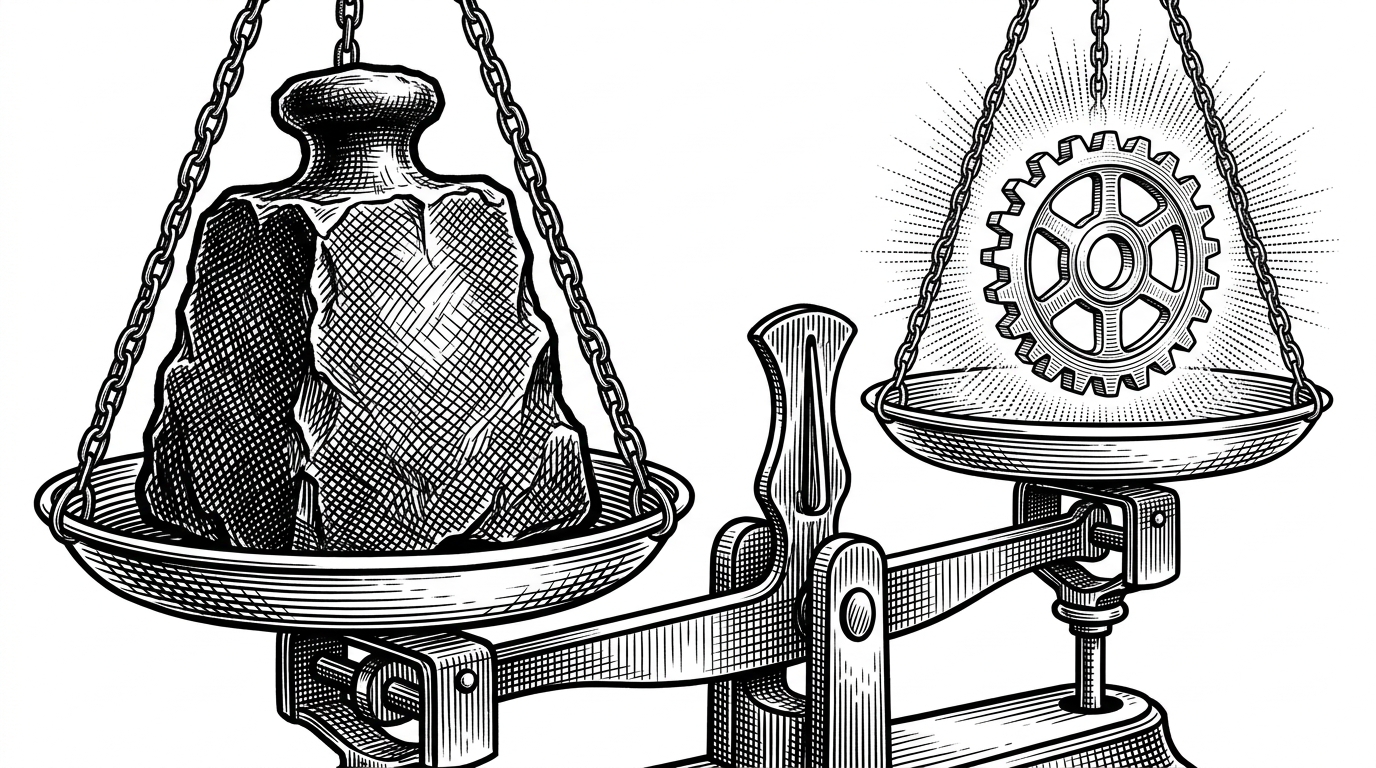
This request causes the entire system to collapse in on itself: an inexperienced or non-technical user does not have the skills to read and understand a complex mountain of code, nor to make architectural decisions about how to solve the problems.
This structural gap is exactly what the Saga and Freya split is designed to solve. By forcing the AI to step through specialized personas, the system prevents the collapse that happens when an LLM tries to be a product manager, architect, and developer all at once.
The Trigger Map: Engineering Empathy
Before a single wireframe is drawn, Saga requires a Trigger Map. This unique strategic abstraction maps human psychology directly to technical features.
In traditional development, features are prioritized by technical ease or stakeholder whim. WDS formalizes negative drivers like user frustration as actionable data points. By mapping a specific user fear directly to a feature, the framework creates a traceable rationale for every line of code.
Design as an Intermediate Representation
In the BMad world, a designer does not hand off a visual artifact. They hand off a structured Object Registry. Design is treated as a hierarchical Markdown file with unique IDs that an LLM can query and update.
This transforms the AI from a black box generator into a transparent collaborator. Before Freya writes a single line of component code, she must commit to a plan and scope in a public Markdown file called a Design Log.
The Competitive Landscape
The AI developer landscape is split between autonomous agents and IDE-integrated workflows. Tools like Aider excel at the tactical level of writing code. Autonomous sandboxes attempt to replace the engineer entirely.
BMad WDS occupies a distinct middle ground. It operates at the strategic level, architecting systems through facilitated collaboration. It is the blueprint for AI-native engineering teams that want enterprise rigor without the overhead.
| Phase | Traditional Workflow | BMad WDS Workflow |
|---|---|---|
| Requirements | Figma wireframes and Jira tickets | Markdown Product Brief and Trigger Map |
| Handoff | Slack messages and meetings | Machine-readable Object Registry |
| Execution | Human developer interprets intent | Freya agent compiles spec to code |