The SQLite Moment for Vector Search: Inside chroma-android
How a raw JNI bridge and a Rust core are bringing privacy-preserving AI memory directly to the mobile edge.
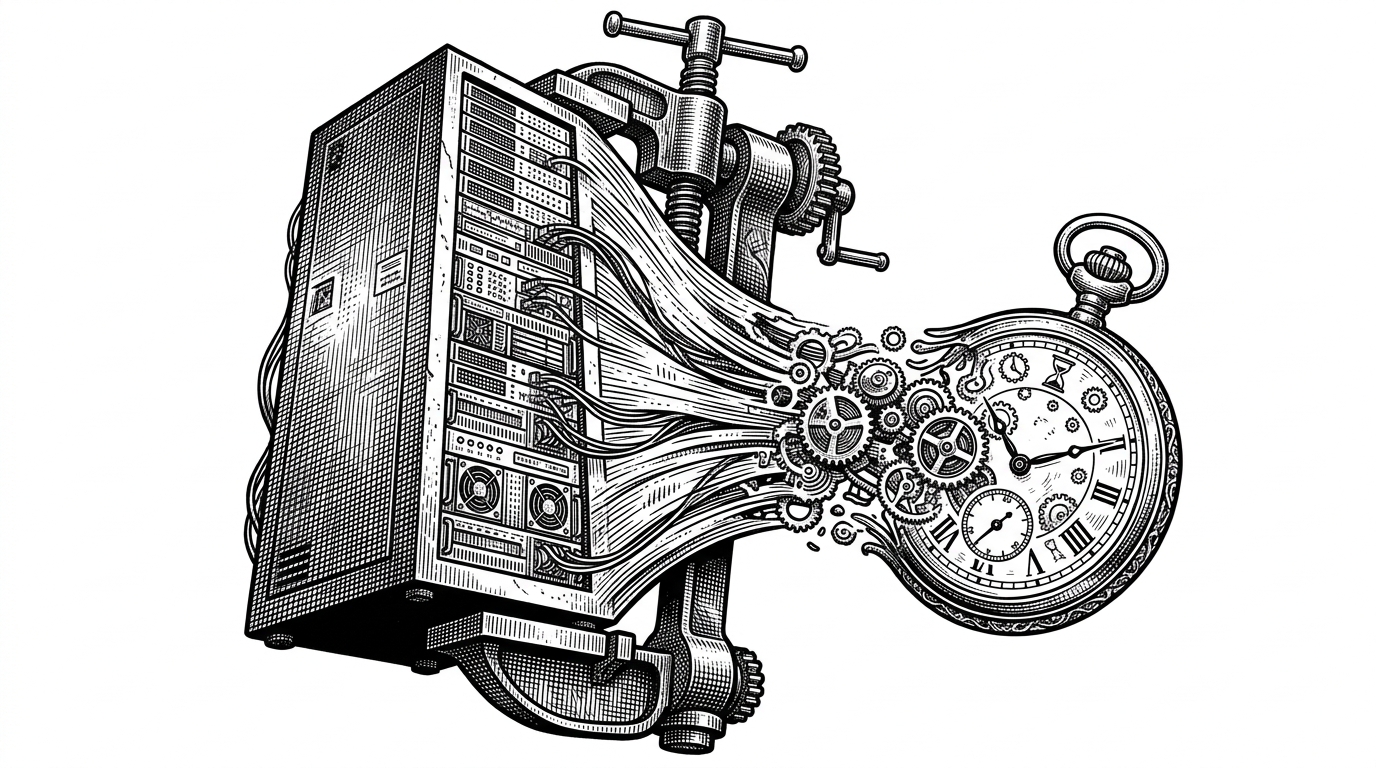
- The library shifts vector search from a cloud-dependent API model to a privacy-preserving, embedded local database.
- A hybrid architecture uses a Java Native Interface (JNI) bridge to pass raw memory pointers between a high-level Java wrapper and a performant Rust core.
- By enforcing strict resource management in Java, the API hides the complexity and danger of manual memory allocation from Android developers.
- Unlike generalist mobile databases with bolted-on vector extensions, this project acts as a specialized scalpel built entirely for local AI memory.
The End of the Cloud Tether
The current state of mobile AI relies heavily on roundtrips to the cloud. Every semantic search, every retrieval-augmented generation (RAG) query, and every contextual lookup typically requires an API call to a remote server. This architecture breaks offline functionality entirely. Worse, it creates severe privacy bottlenecks for applications that need to read personal texts, emails, or local notes.
Enter chroma-android. It is not merely a client for a remote database. It is an embedded engine that keeps vector embeddings entirely on the device. By treating the vector database as a local library rather than remote infrastructure, it enables true privacy-preserving AI applications where sensitive user data never leaves the phone.
Chroma is an open-source AI application database. ... and the goal of building the memory and storage subsystem for the new computing primitive that AI models represent.
Bridging the JVM and the Borrow Checker
Running a high-performance vector database on a mobile phone requires solving a fundamental impedance mismatch. The Android ecosystem is built on Java and Kotlin, languages that rely on garbage collection. High-dimensional vector math, however, demands the raw speed and deterministic memory management of a systems language. The solution is a dual-language architecture: an 88 percent Java wrapper communicating with a 40,000-line Rust core via the Java Native Interface (JNI).
To maximize performance, the project avoids serializing massive arrays of floating-point numbers across the boundary. Instead, it passes raw memory pointers. The Rust side allocates the database instance and hands a raw long nativePtr back to Java. This is a classic but dangerous pattern.
class PersistentClient extends Client {
    private long nativePtr;

    public PersistentClient(String persistPath) {
        // Pointers are passed directly from the Rust JNI layer
        this.nativePtr = ChromaNative.createClient(persistPath);
    }

    @Override
    public void close() {
        // Manual memory management is required to prevent leaks
        ChromaNative.freeClient(this.nativePtr);
    }
}
The Illusion of Simplicity
Despite the complex, cross-compiled reality under the hood, the library presents a radically simple API to the Android developer. Because native memory is not managed by the JVM garbage collector, the API enforces safe memory cleanup using the standard try-with-resources pattern. When the Java object is closed, a signal is sent back across the bridge to dissolve the Rust memory block.
This illusion of simplicity extends to data serialization. To prevent bloating the final .aar binary with heavy dependencies like Gson or Jackson, the library handles metadata filtering via manual JSON construction. Developers simply pass Java objects, and the library flattens them into native arrays.
Chroma Android is currently in Beta. This means that the core APIs work well - but we are still gaining full confidence over all possible edge cases.
The Specialized Scalpel
Developers building local-first AI face a choice. They can use mature, generalist mobile databases like ObjectBox or SQLite fitted with vector extensions like sqlite-vss. Alternatively, they can adopt a specialized, ground-up vector engine.
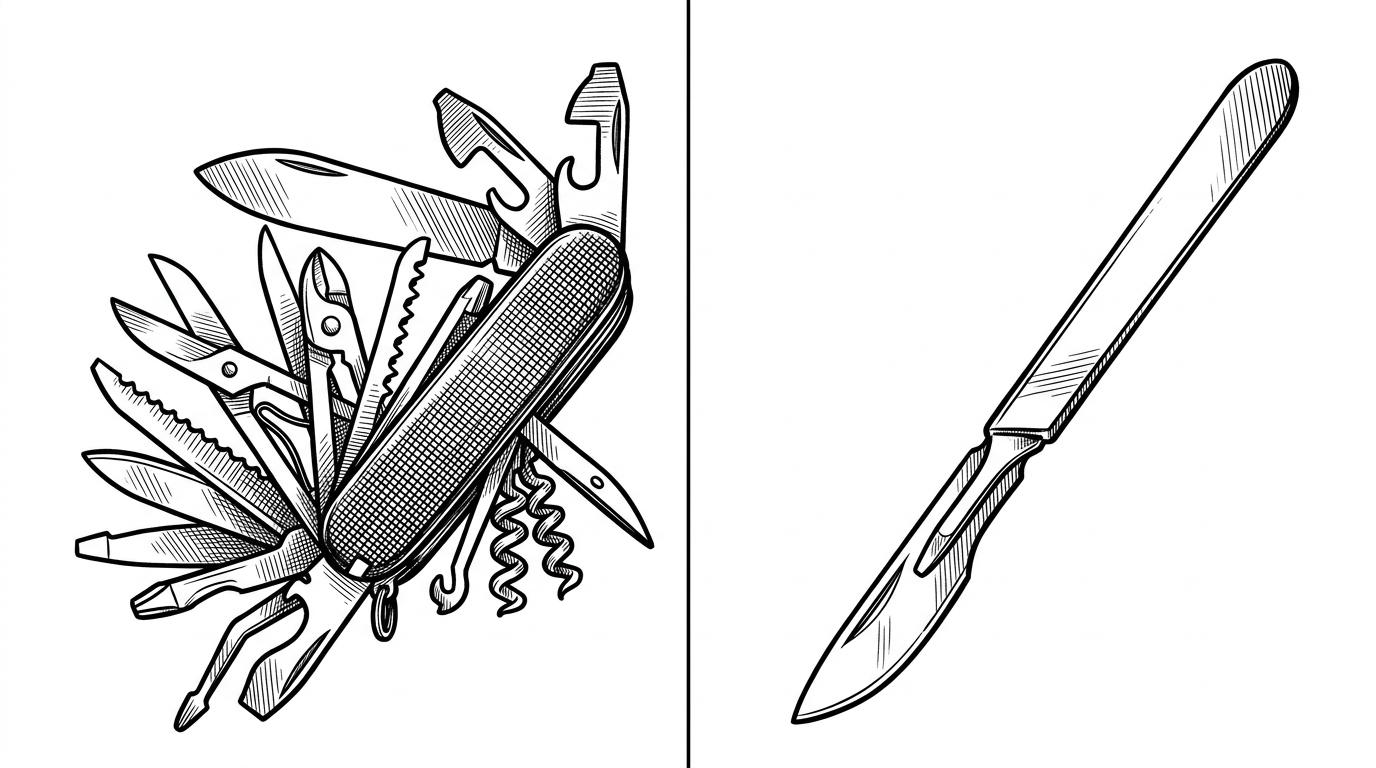
While generalist databases offer robust ecosystems, a dedicated engine minimizes overhead by focusing strictly on high-dimensional similarity math. For developers already using Chroma in their cloud backends, this library provides a unified API surface across the entire application.
| Feature | Chroma Android | ObjectBox | SQLite + sqlite-vss |
|---|---|---|---|
| Architecture | Hybrid Rust/Java | Native C++ | C (Extension) |
| Vector Features | Core Engine | Integrated Feature | Bolted-on Extension |
| Maturity | Beta | Enterprise | Mature (Base) |
| Primary Use Case | Local AI Memory | General NoSQL + AI | Relational + AI |