Deimos-Public: the Marathon tool that treats leaks like a bug
A binary-first archive for artists and archivists, built to surface unreleased game data without normalizing spoilers, panic, or copycat leak culture.
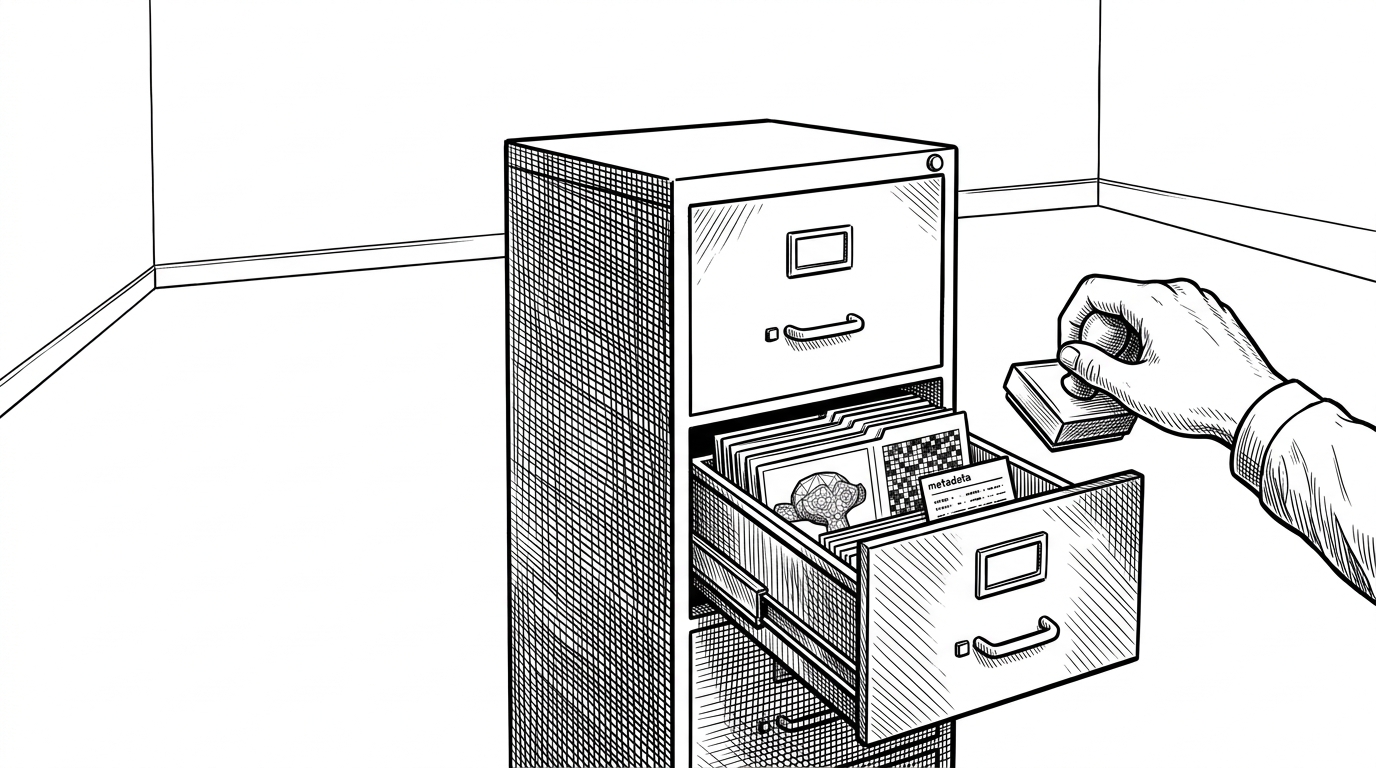
- Deimos-Public stands out because it couples high-access game extraction with an explicit anti-leak contract, and that contract is part of the product.
- The repository reads less like a normal source tree and more like a release vault, so the README and binaries carry much of the project’s meaning.
- Its pipeline matters because it translates proprietary game packages into readable, archival assets rather than merely dumping files.
- Compared with ordinary extractors, Deimos-Public wins by making policy visible instead of pretending tools have no social consequences.
At cohaereo/Deimos-Public, the public surface is the point. Deimos promises a way into Marathon's internal assets, then immediately narrows the moral frame around that access. It is a tool for artists and archivists that treats leak culture as a failure mode, not a feature.
The tool that opens the vault and posts a warning
That contradiction is why Deimos-Public stands out. Most extraction tools are judged on how much they can dump. Deimos is judged on whether it can expose enough to be useful without becoming a shortcut for spoilers.
Don't expect everything to work yet Deimos - The Marathon tool that does everything [!CAUTION] ð For your eyes only Please keep in mind that this tool is meant for artists and archival purposes only.
The README is not decorative. It is the product's first UX layer, and it tells the reader that the tool is meant for archival work, not for content sniping.

What Deimos-Public actually is
This repository does not behave like a conventional open-source codebase. The public tree is a release hub and documentation layer, while the useful bits live in compiled downloads and assets. That structure changes how you read the project: the README, the release artifacts, and the policy language are doing the work of a product page.
That matters because the maintainer is not pretending the project is neutral. The binary-first distribution and the warning language are both part of the same design choice: make the tool usable, but keep the public contract visible.
The anti-leak contract
Using Deimos to leak content will reduce the likelihood of future public releases, and I may stop its development altogether at any time if misuse continues.
The strongest policy language is blunt enough to be actionable. Deimos does not frame misuse as an abstract community concern. It names the consequence.
That is more than a moral stance. It is a product constraint. When a tool is built around a fragile release cadence, the social layer becomes part of the architecture.
How the pipeline turns a black box into something readable
The likely pipeline is straightforward in concept, even if the implementation is not public: a proprietary package gets parsed, unpacked, normalized, previewed, and exported. The important twist is that the policy gate rides alongside the data path, so the system can support archival use without pretending downstream behavior is someone else's problem.
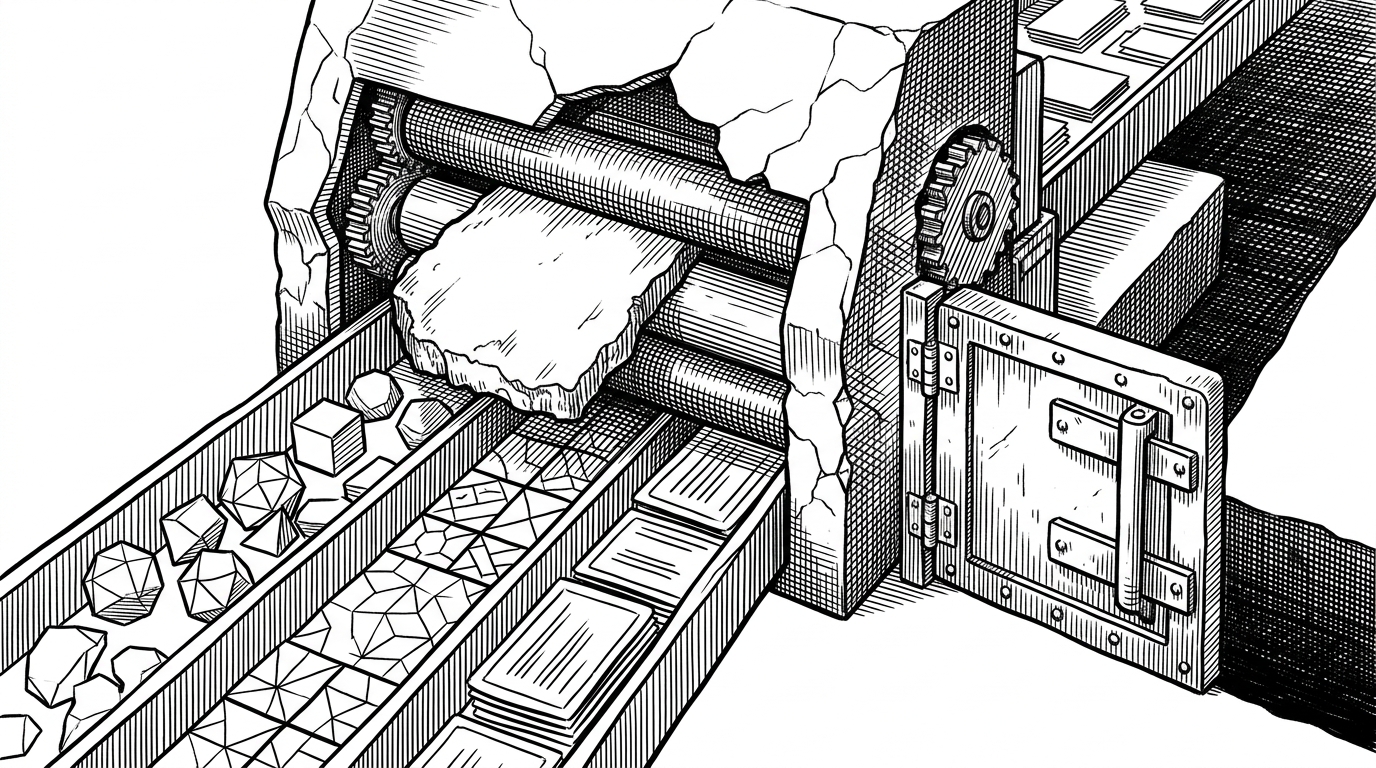
That is the useful mental model. Deimos is not just an extractor. It is a translator that turns a hostile container into readable assets, then draws a line around what that readability is for.
Why this is different from ordinary extractors
| Tool type | Primary goal | What it exposes | Policy posture | Best fit |
|---|---|---|---|---|
| Deimos-Public | Inspect and archive Marathon assets | Parsed packages, previews, and exports, plus a visible warning boundary | Makes misuse explicit and threatens to pull back if the community abuses it | Artists, archivists, and careful reverse engineers |
| Ordinary game asset extractors | Get raw files out of a package | Whatever the format can be unpacked into | Usually neutral or silent on downstream use | Modders who want breadth more than curation |
| Pure archive viewers or browsers | Let people browse without changing much | Metadata and previews, sometimes not full exports | Lower risk, but also less power | Researchers who need inspection, not full extraction |
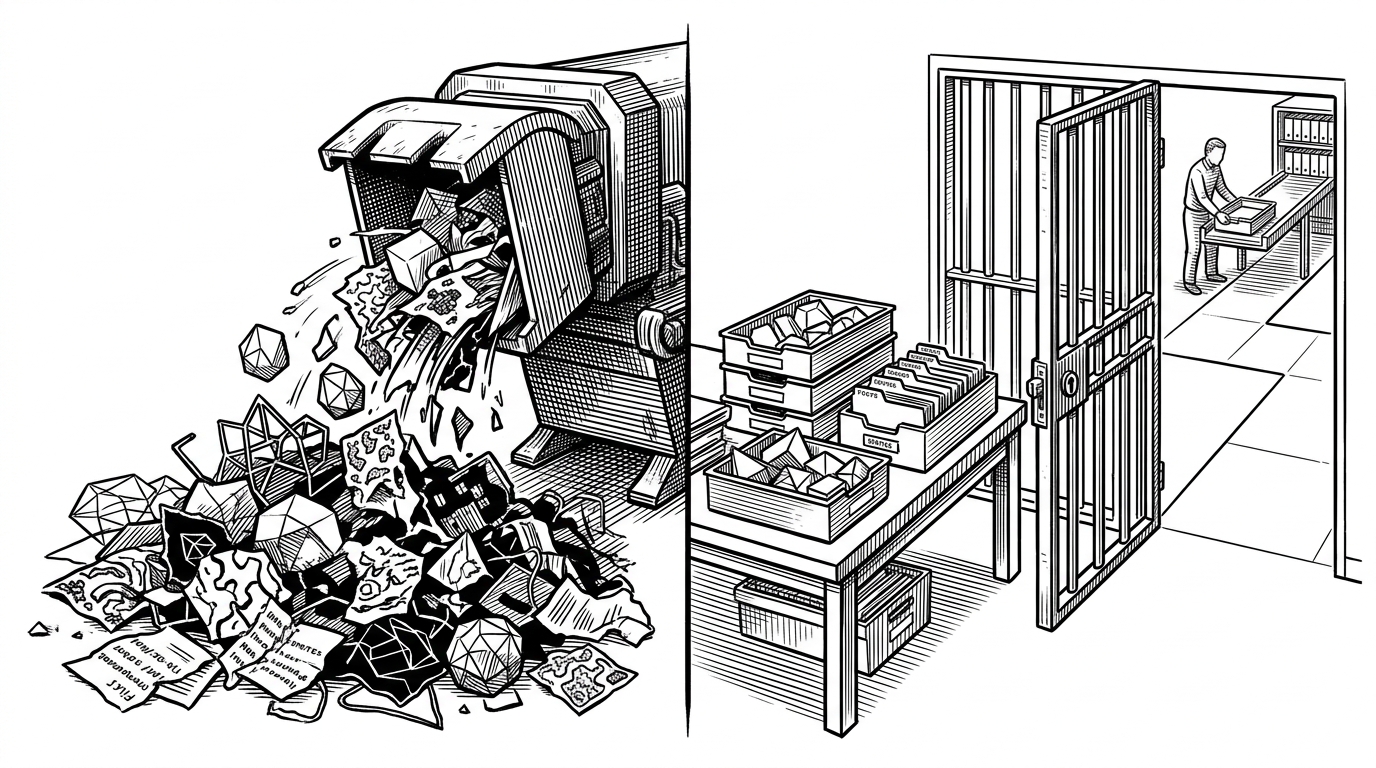
Most tools in this category optimize for raw access. Deimos optimizes for access plus framing. That makes it less like a bulk dumping utility and more like a curated interface for preservation work.
What this repo says about preservation work in messy places
Preservation is rarely clean. The people building the tools often have to navigate spoilers, fandom pressure, and the fact that every capability can be pointed in the wrong direction. Deimos-Public is interesting because it makes that tension explicit instead of hiding behind generic open-source language.