Word Atlas Is a Content Factory With a Flashcard App Attached
One developer generated 7,298 illustrated, narrated IELTS words. The app's best idea is that only your first answer counts.
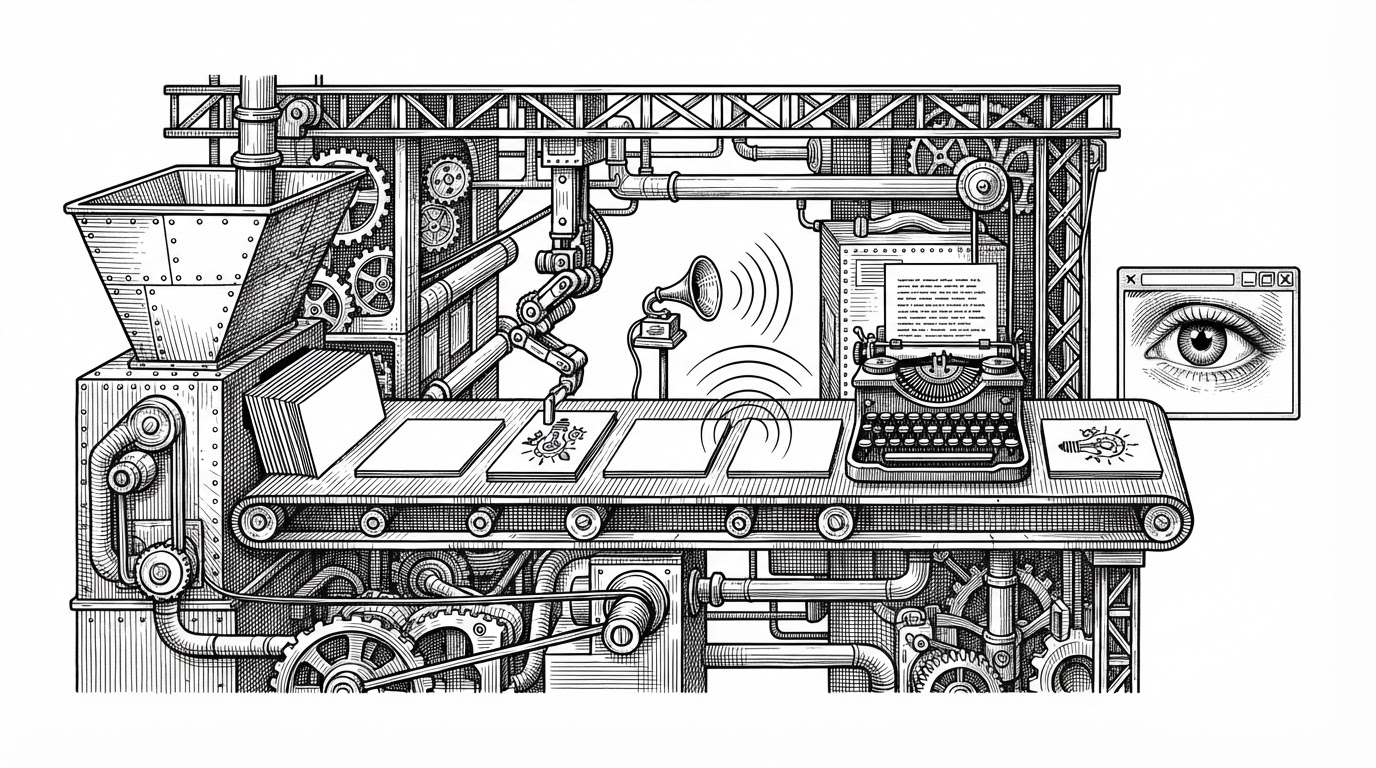
- Word Atlas is a content factory with a viewer attached: 7,298 headwords, 7,298 original illustrations, and 22,905 recordings, all emitted by a Python pipeline.
- Only the first answer in a session updates the FSRS memory model, so retries reinforce recall without polluting the signal.
- Mastery is defined as FSRS stability of at least 21 days, not a count of correct answers.
- The maintainer states plainly that automated checks verify structure, fields, order, and files, not semantic correctness.
A Factory, Not an App
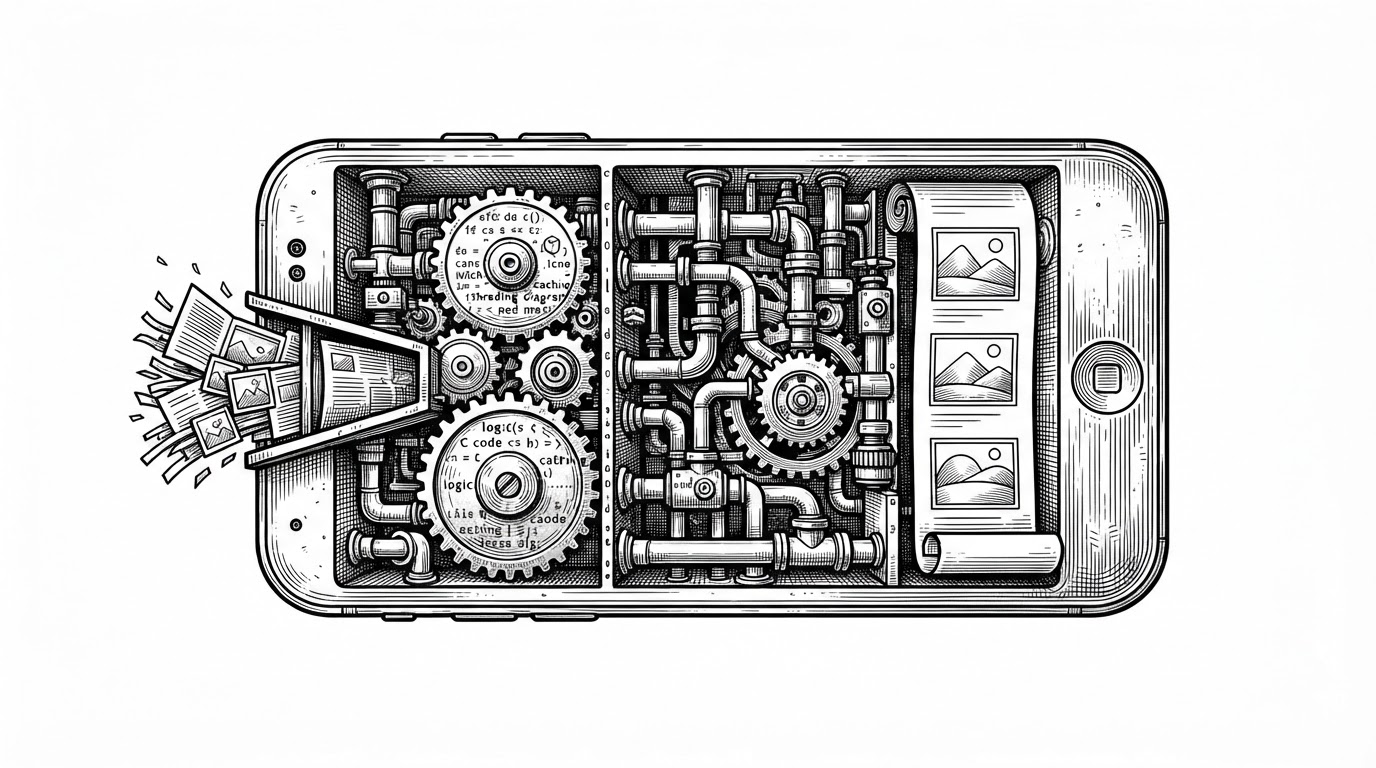
Open the Word Atlas repository and the first thing you notice is the app: a React 19 interface, a WebGL2 map of your vocabulary rendered as a galaxy, a settings panel. Then look at the language breakdown. TypeScript is 219 KB. Python is 49 KB. The Python is where the project actually lives.
The inventory explains the gap. Every one of the 7,298 headwords ships with a kit:
- An original illustration
- UK and US IPA plus audio for each
- Audio for one example sentence
- Bilingual senses (Chinese and English definitions)
- Two example sentences, one everyday and one IELTS-register
- Collocations, word family, synonyms, and antonyms
- A usage tip, a CEFR level, and one of 19 topics
That adds up to roughly 7,298 illustrations and 22,905 recordings, all manufactured before the app ever runs. The dataset is not filler around the code. It is the thing the code exists to display.
Which makes the app the smaller half. It is a viewer with a genuinely interesting scheduler bolted on. The product is the factory.
One Developer, One Launch Post
Word Atlas is built by Boxin Yang, who goes by @designfuchen on GitHub. He announced it on V2EX, a Chinese developer forum, to a Chinese-speaking IELTS audience. The documentation is Chinese-first, with a complete English README for everyone else.
The pitch in the launch post is not modest.
我做了一个我自认为全世界最好的雅思背词网站,完全免费,完全开源。🔥🔥🔥🔥🔥 7,298 个雅思词,每个词一幅原创插画,英音、美音、例句全都有接近真人的配音。
There is no company behind this. One maintainer, twelve commits, and a content pipeline that ran long enough to produce a quarter of a million lines of generated output. The thread below the post is a working feedback channel: users praised the illustrations, then asked for a hide-the-Chinese button, global pronunciation selection, better font legibility, and a fix for an illustration where a person is drawn looking at the back of a screen.
Seven Stages, Resumable
The content is not hand-written. It is assembled by a seven-stage Python pipeline, and the design of that pipeline is the most underrated part of the repo.
- A headword list in a git-ignored
.local/forge/headwords.json gen_text.pygenerates senses, examples, collocations, and tips in batches of ten, under a written style guidegen_images.pyturns a per-word scene description into an illustration, following the learning route ordergen_word_audio.pysynthesizes UK and US pronunciation with ElevenLabs voicesgen_sentence_audio.pynarrates the first example sentencebuild_atlas.pycleans, sorts, chunks, and emits the runtime datasetnpm run check:atlasverifies structure, ordering, references, and file existence
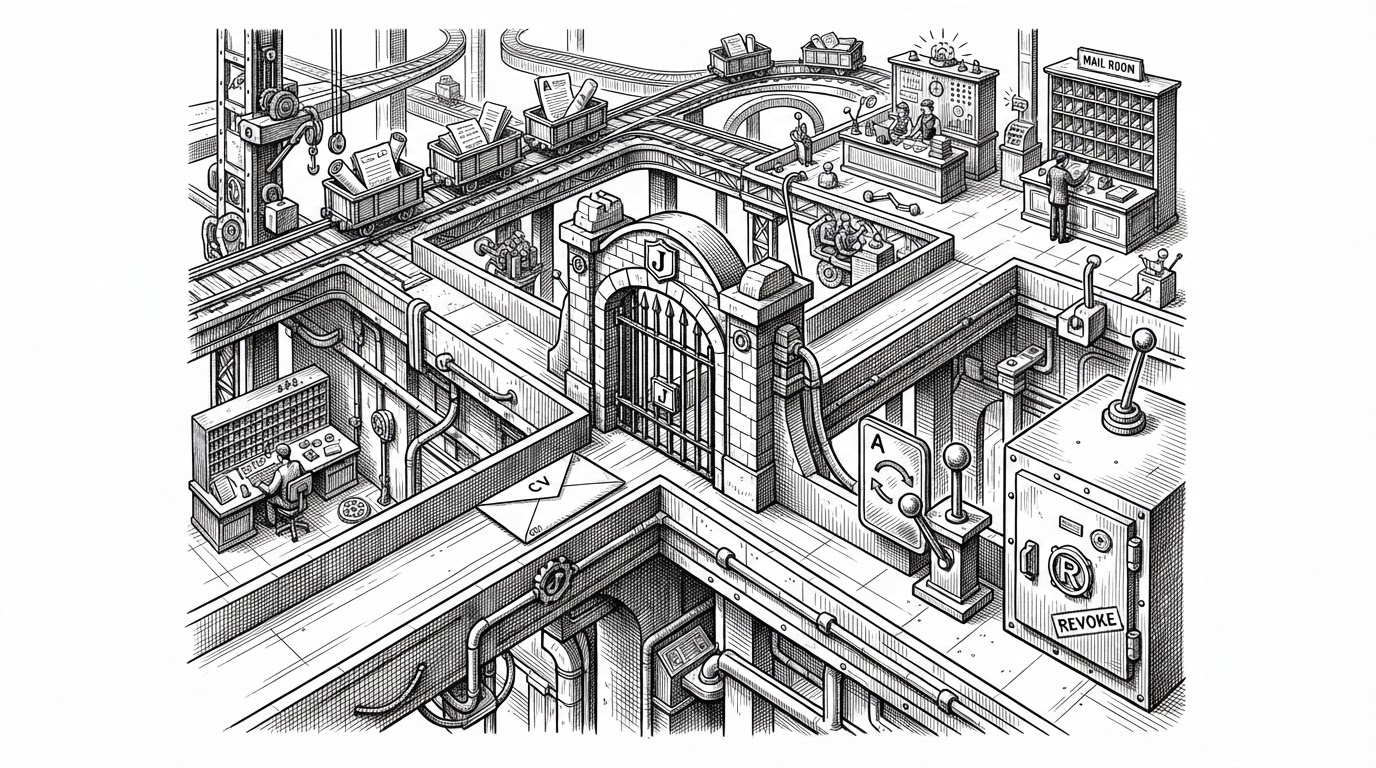
Each stage writes checkpoints to .local/forge/, which stays out of git. That makes the whole thing resumable and idempotent: rerun a stage and it skips what is already done. When you are generating thousands of images and tens of thousands of audio files through paid APIs, resumability is not a nicety. It is the difference between a pipeline you can afford to run and one you cannot.
The Index That Doesn't Probe
To browse 7,298 words on a static site without a backend, the client needs to know what each word has before it fetches anything. Word Atlas solves this with a compact index row that describes a word in a single line:
[id, word, zh, ipa, cefrIndex, topicIndex, media]

// "media" is a bitmask:
//   1 = illustration
//   2 = UK audio
//   4 = US audio
//   8 = example-sentence audio

["day-off", "day off", "休息日", "ˌdeɪ ˈɒf", 3, 7, 15]   // 15 = all four assets
["principle", "principle", "原则", "ˈprɪnsəpl", 5, 2, 3]  // 3 = illustration + UK audio only
One integer tells the interface which controls to render. No HEAD requests, no missing-file errors, no guessing. The docs make the rule explicit: media coverage is determined by the index bitmask, and you must not assume every word has every file.
The entries themselves are chunked at 100 per file, and the chunk number is arithmetic from the index row: row 250 lives in chunk 2. Lookup is a division, not a search. The cost is rigidity, since re-sorting the word list renumbers every chunk, but for a fixed learning route that is a fine trade.
Only the First Answer Counts
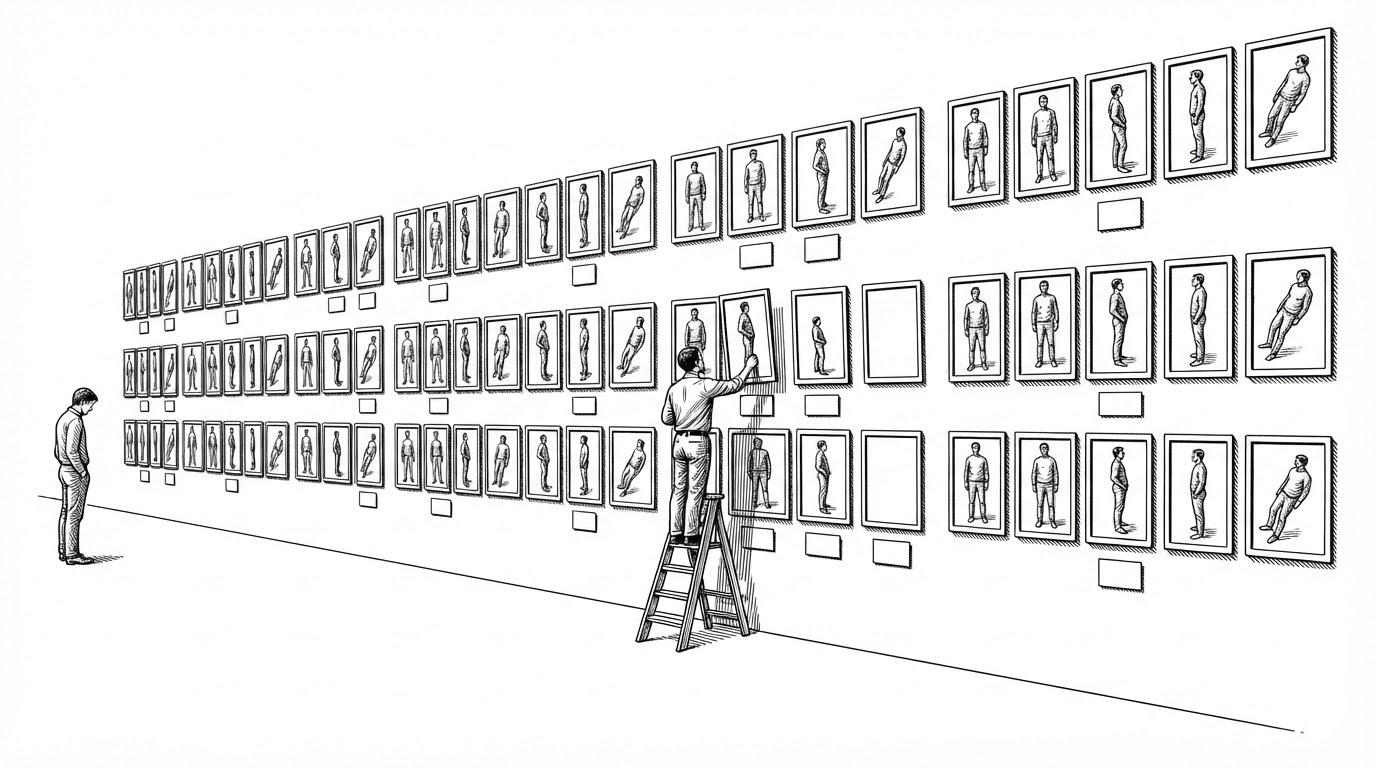
Here is the idea worth stealing. Word Atlas runs four question types: meaning-to-word, illustrated cloze, listening recognition, and spelling. When you get one right, it feels good. When you get one wrong, the word comes back a few questions later in a different question type, up to twice.
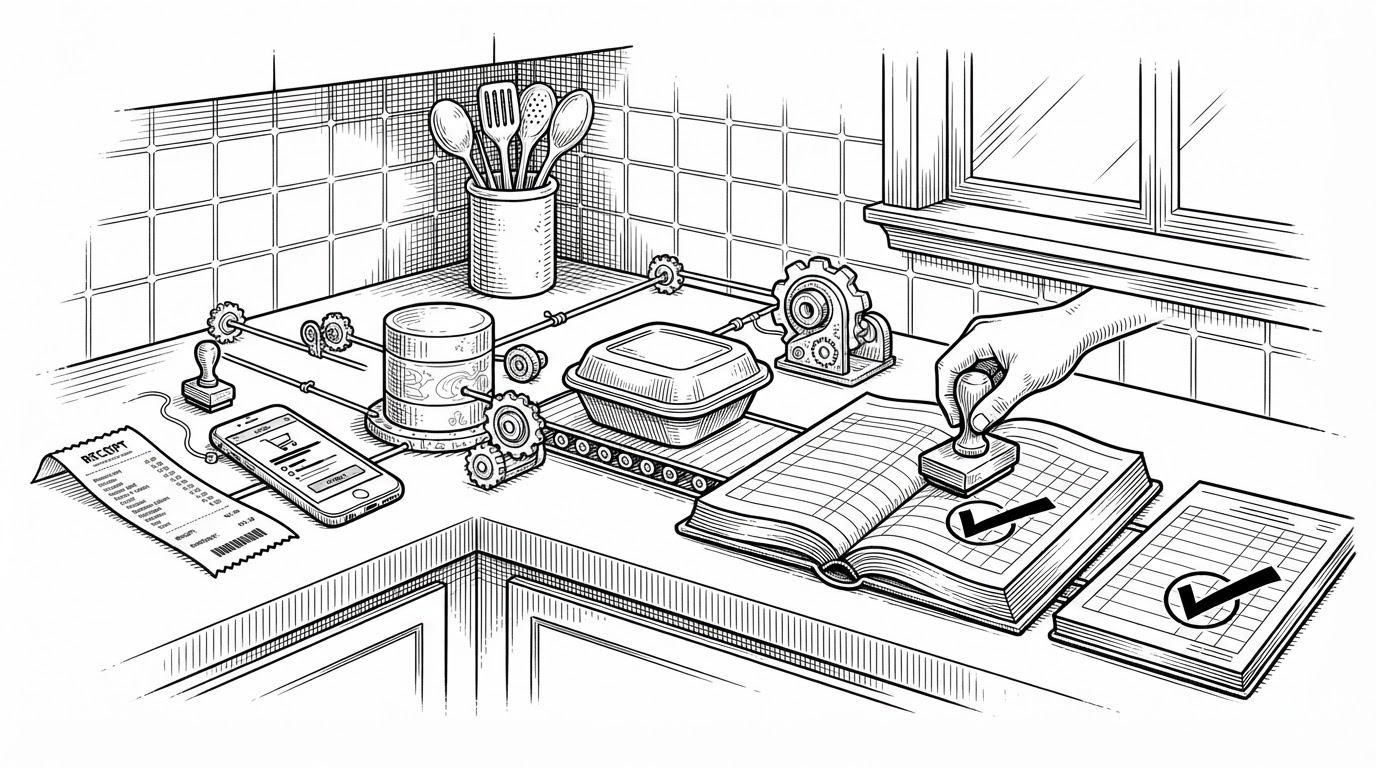
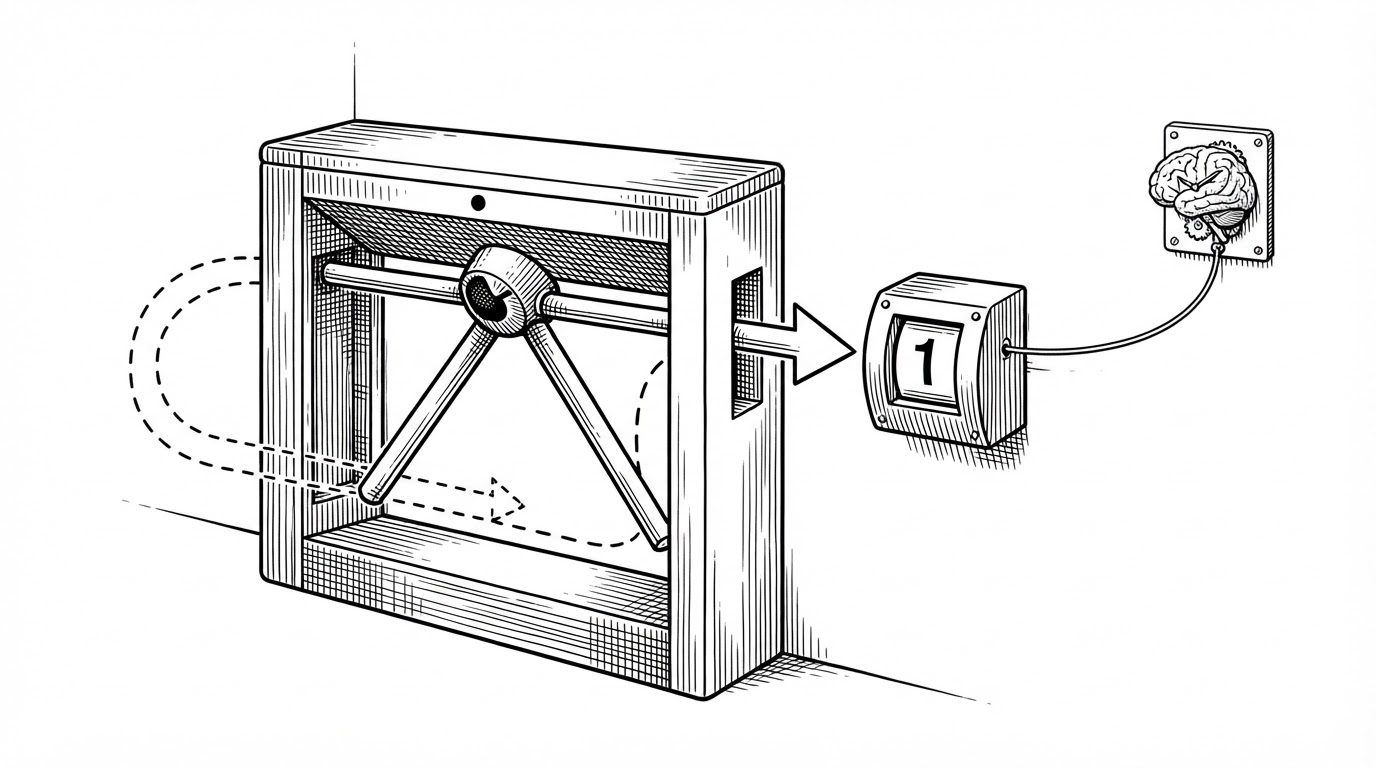
That retry is deliberately dead. It is not graded. It does not count toward accuracy. It never touches the memory model. Only the first answer in a session updates the FSRS scheduler, because otherwise a user could grind a question until it stuck and teach the scheduler a lie.
How you answer matters as much as whether you did. Correctness sets the floor, but speed and hint use set the ceiling.
| What you did | Grade | Updates FSRS? |
|---|---|---|
| Answered wrong | Again | Yes |
| Correct but slow, or used a hint | Hard | Yes |
| Correct | Good | Yes |
| Fast and correct spelling | Easy | Yes |
| Retried after a wrong answer | Not graded | No |
And mastery is not a tally of correct answers. A word is mastered when its FSRS stability reaches at least 21 days. The UI label is tied directly to the scheduler's own variable, which means the badge means something the user cannot fake by repetition.
Typing practice sits outside all of this on purpose. It trains output, a different skill, and mixing it into the memory model would distort the signal. Most apps conflate recall with eventual success. This one keeps them apart.
What the Pipeline Can't Check
After all that engineering, the maintainer does something most AI-generated content projects avoid. He says what the machine did not do.
The pipeline docs state that automated checks cover structure, fields, order, and files, not semantic correctness. The README repeats it: the entire collection has not been manually reviewed. So a generated sentence could be subtly wrong, an illustration could misread the word, and the validator would happily pass it. One V2EX commenter pointed out exactly this kind of miss, an illustration for the word "typing" that shows a person looking at the back of the screen.
The licensing is careful in the same spirit. Code is MIT. Text, illustrations, and recordings are CC BY 4.0, but only "to the extent of the rights the maintainers can grant." The content license carves out two things most datasets ignore: the project claims no exclusive rights over English words or the bare headword list, and the audio license covers the finished files only, not the underlying voice identities, and implies no endorsement. It also states plainly that this is not an official IELTS list.
That is what shipping generated content at scale looks like when you are honest about it. Not a claim of editorial review, but a precise statement of what was verified and what was not.
Against Anki and the Hosted Giants
The obvious comparison is Anki, and it is the right one. Anki is a general-purpose flashcard engine with a mature scheduling ecosystem, and it can run FSRS too. The difference is what you bring to it. With Anki, the learner sources or builds the IELTS deck and its media. Word Atlas ships the deck already made, one illustration and two audio clips per word.
| Project | Content | Scheduling | Hosting |
|---|---|---|---|
| Word Atlas | 7,298 illustrated IELTS words with audio and examples, open dataset | FSRS, first-answer-only grading | Static, local-first, no account |
| Anki | User-supplied decks and media | FSRS supported, mature ecosystem | Desktop and mobile clients |
| Quizlet | User-generated study sets | Basic review modes | Hosted service |
| Memrise | Commercial multi-language courses | Proprietary review | Hosted service |
| Mochi | Markdown flashcards you author | Spaced repetition | Hosted, with a local option |
Against the hosted services, the trade is privacy and cost for convenience. No account means progress stays on your device, and it also means progress dies with your device unless you export it. The docs are upfront about the last constraint too: the media totals several hundred megabytes, so a full self-host needs a CDN or a trimmed build that ships only thumbnails and partial audio.
One Maintainer, 524 Forks
Forks outnumber stars by roughly a quarter, which is unusual. In a content-heavy repo, that ratio usually means people are cloning the dataset or the app for their own use rather than contributing code back. The issue templates confirm the maintainer expects exactly that kind of traffic: the word-correction template asks for an entry ID, the affected content type, and a reference source.
But there is a real fragility here. Community corrections can be made directly in the public JSON files, and the build step regenerates those files from the pipeline's internal state. Unless a fix is also applied upstream in the git-ignored forge directory that contributors cannot reach, the next rebuild overwrites it. The repo has a bus factor of one, and the honest caveat about unverified semantics means that one person is the only thing standing between a good dataset and a drifting one.
The maintainer's stated reason for building it is simpler than any of that.
希望每个人都能考过雅思。学会英语,去接触更广阔的天地,获取更多的知识。
A factory, a viewer, and a clear-eyed note about what the machine cannot check. The app is the part you see. The discipline is the part worth copying.