Rescuing Data from the PDF Trap: Inside Docling
How a hybrid architecture of deterministic parsing and small vision models is fixing the ingestion bottleneck for RAG pipelines.
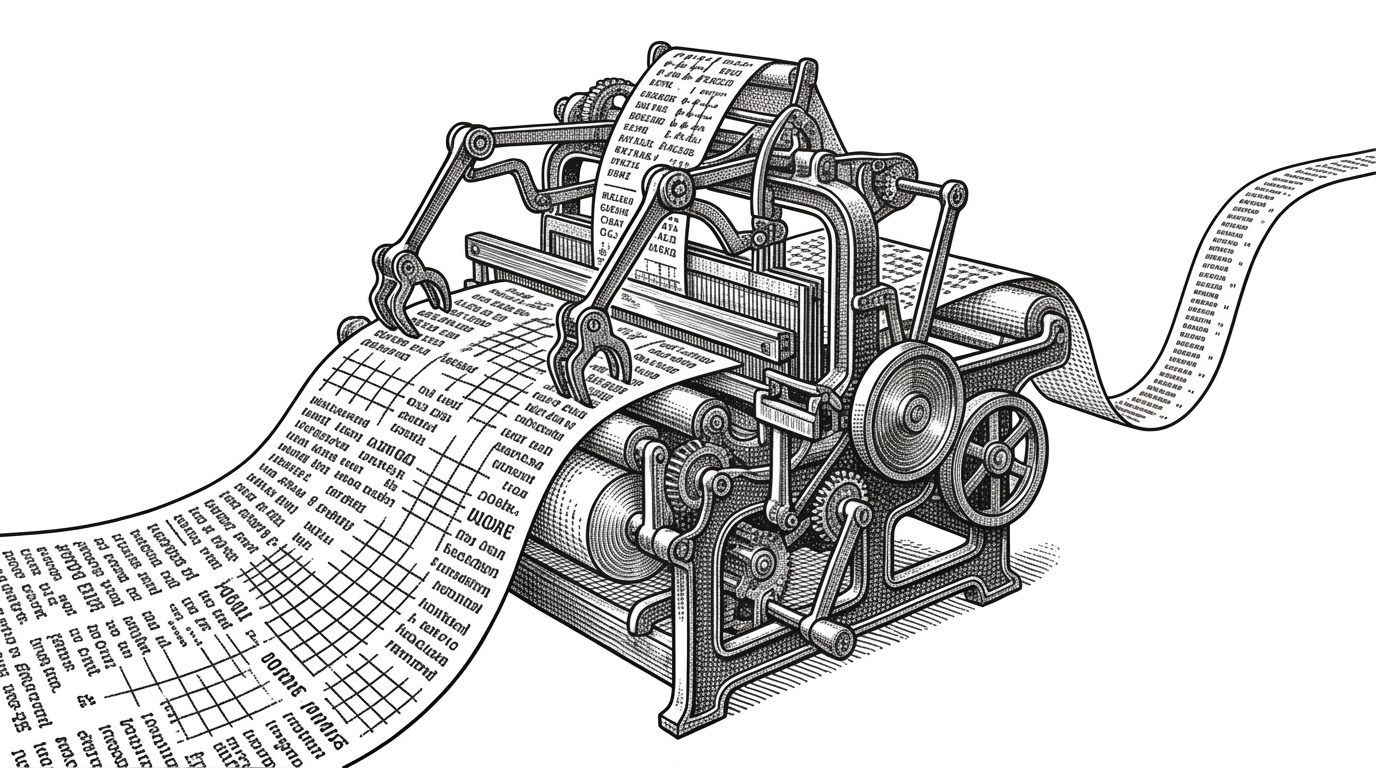
- Docling combines deterministic C++ text extraction with lightweight vision models to prevent text bleed in multi-column layouts.
- The system uses a producer-consumer model with bounded queues to manage memory and apply back-pressure during large-scale document processing.
- Specialized models like TableFormer reconstruct complex data structures into clean semantic formats without requiring massive GPU clusters.
- Hardware-agnostic inference allows teams to process sensitive documents in air-gapped environments using local quantized models.
The Multi-Column Trap
The bottleneck in Retrieval-Augmented Generation (RAG) is no longer the large language model. It is the ingestion layer. Feeding a multi-column PDF or a complex financial table into a naive parser ruins the LLM context window. PDFs are visual formats designed for printers, not semantic formats designed for machines. They lack the structural tags of HTML and only know where characters exist on a rigid coordinate plane.
For years, developers have relied on basic text extractors that blindly read left to right. When these parsers hit a two-column academic paper, they read straight across the gutter. They stitch the end of a sentence in column one to the middle of a sentence in column two. The resulting word soup poisons downstream AI applications.
"Just six months ago, we launched Docling to simplify document processing with advanced AI-powered capabilities. Today, we've hit an incredible 20,000 GitHub stars!"
The story of Docling is how IBM Research Zurich treated document parsing as a hybrid engineering challenge rather than a pure machine learning problem. Instead of relying solely on heavy deep learning models or brittle programmatic parsers, Docling orchestrates a high-performance pipeline that combines deterministic text extraction with small, specialized Vision-Language Models (VLMs) to reconstruct the true semantic intent of a document.
The Hybrid Engine
Docling does not just use a massive AI model to read the whole page. That approach, taken by tools like Meta's Nougat, is accurate but computationally expensive and slow. Conversely, pure programmatic extraction is fast but structurally blind.
Docling splits the difference. It uses fast C++ backends (via `docling-parse`) to extract text strings and their exact X/Y coordinates. Simultaneously, it uses specialized, lightweight layout models to determine reading order and draw bounding boxes around columns, headers, and tables. An internal alignment engine then merges these two streams. The layout model provides the fences, and the deterministic parser provides the precise text.
Production-Grade Plumbing
The architecture of Docling reveals a system built for enterprise scale. The core of this operation lives in the `StandardPdfPipeline`. Converting a 1,000-page document requires careful memory management, especially when routing pages through AI models.
Docling implements a sophisticated producer-consumer model using bounded threaded queues. If the fast C++ PDF parser (the producer) outpaces the vision models (the consumers), the system applies explicit back-pressure. This prevents the pipeline from overwhelming system memory, a common failure mode in naive batch-processing scripts.
# Conceptual representation of Docling's threaded pipeline back-pressure
class ThreadedQueue:
    def put(self, item):
        with self.condition:
            while self.is_full():
                self.condition.wait() # Blocks producer if consumer is slow
            self.queue.append(item)
            self.condition.notify()
The pipeline tracks pages across threads using monotonic run identifiers rather than Python object IDs. This prevents collisions during garbage collection and ensures that a failure on page 842 does not crash the entire extraction job. The system can report partial success and salvage the rest of the document.
Vision Models at the Edge
The most complex elements in any document are tables and charts. Physical PDF cells often conflict with the logical table structures identified by human readers. Docling handles this by dynamically instantiating specialized models like TableFormer.
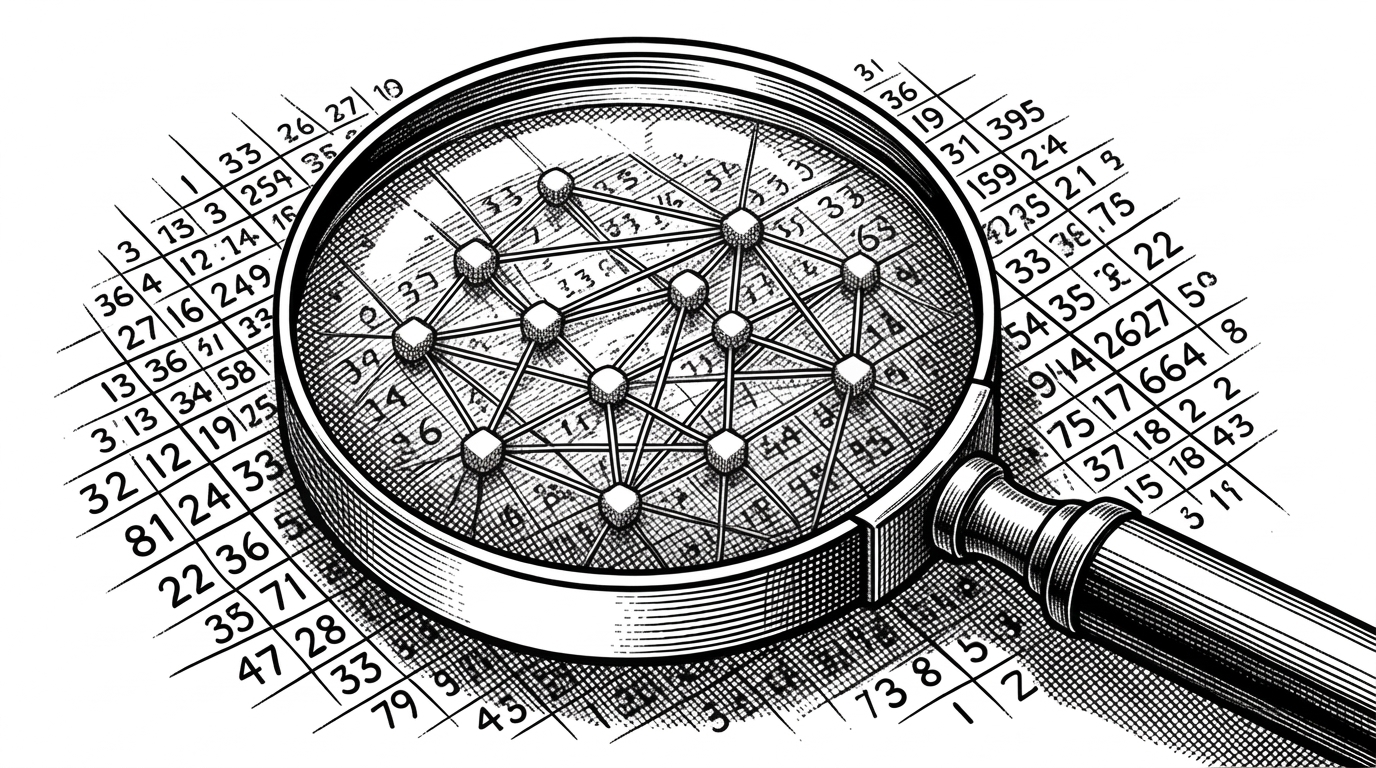
Docling abstracts the inference engine layer. It supports Hugging Face Transformers, vLLM, and Ollama. This design provides hardware agnosticism. Developers can run a quantized model locally on a consumer laptop or route requests to a remote cluster. Because the vision models are small and specialized, they can run entirely air-gapped, allowing enterprises to process sensitive financial reports or medical records without sending data to external APIs.
The Ingestion Landscape
Docling occupies a specific, high-value niche in the document parsing ecosystem. It sits between tools optimized for raw speed and those built for broad enterprise integrations.
| Feature | Docling | Unstructured | Marker |
|---|---|---|---|
| Core Approach | Hybrid Parsing | Brick/Element Partitioning | End-to-End Deep Learning |
| Table Recognition | Specialized TableFormer | Standard OCR | Vision Transformer |
| Execution Environment | Local/Air-gapped optimized | SaaS/API heavy | Local GPU required |
| Output Fidelity | Lossless JSON/Markdown | Chunked Elements | Markdown |
| Best For | Complex layouts/RAG | Enterprise SaaS integrations | Fast academic paper conversion |
Unstructured excels at connecting to dozens of enterprise data sources like S3 and Salesforce. Marker provides excellent speed for straightforward academic papers. Docling hits the sweet spot for complex, layout-heavy documents requiring high semantic fidelity. By solving the multi-column and nested table problem without mandating expensive cloud infrastructure, Docling is turning dark data into the foundational context that AI agents actually need.
Sources: