The Coffee Cup That Outlived Its Maker: Inside Caffeine
A 2006 macOS utility passed through three stewards, survived its original company, and still does its entire job with a single held-open power assertion.
- Caffeine stops a Mac from sleeping by holding one power assertion open, not by flipping a setting.
- The menu-bar cup has outlived its original company through two handoffs and a modern open-source fork.
- Keeping a 2006 app alive in 2026 is mostly unglamorous platform maintenance, not new features.
- Pick a keep-awake tool by the way you work, not by counting features.
The Cup That Outlived Its Maker
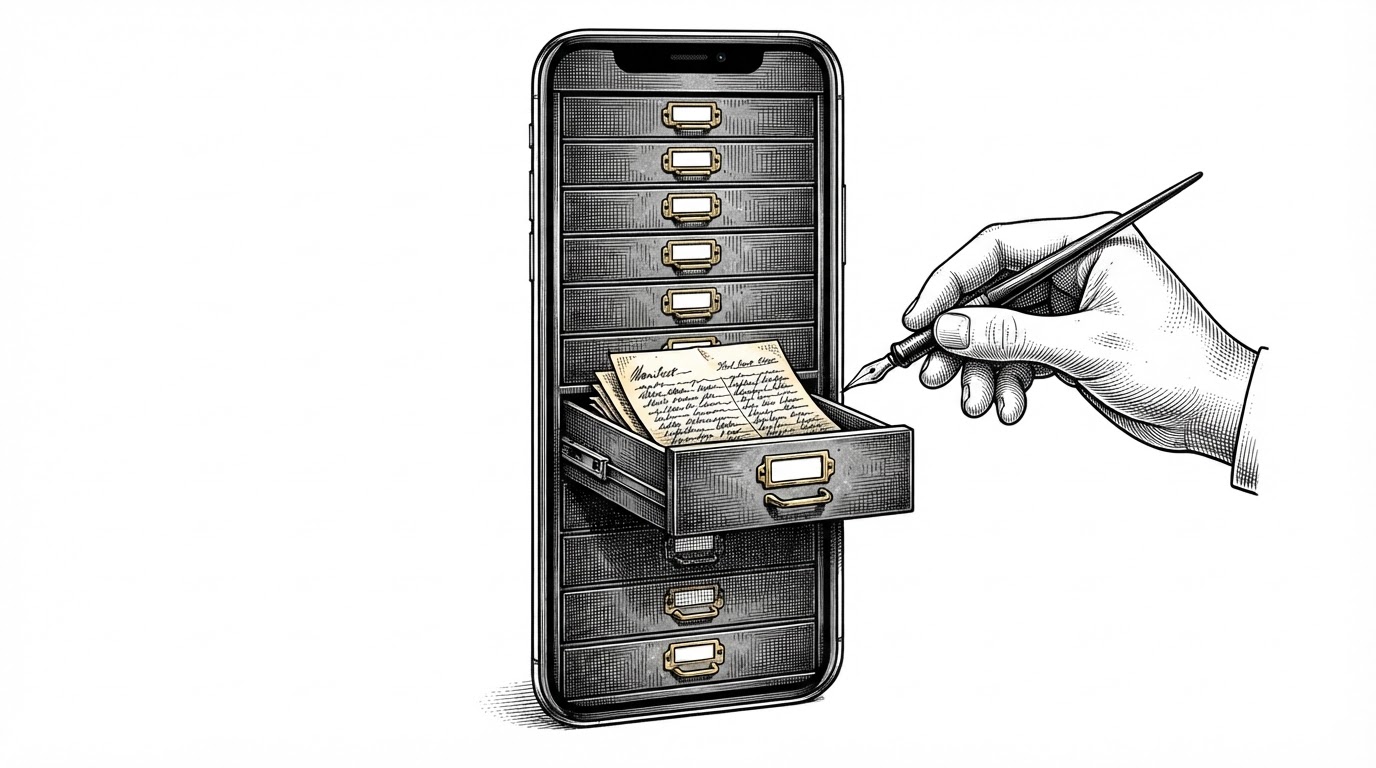
In 2006, Tomas Franzén of Lighthead Software built a tiny menu-bar utility that kept a Mac from falling asleep. He called it Caffeine and gave it a cup for an icon. A full cup meant awake. An empty one meant the usual drift toward dark.
Most utilities like this die young. The developer moves on, the operating system updates, the binary rots in a downloads folder. Caffeine did something else. In 2018, Michael Jones of IntelliScape Computer Solutions obtained permission to continue development under an open-source license. Later a third steward, the GitHub user domzilla, forked it and modernized the build for macOS 11 and Apple Silicon.
Don't let your Mac fall asleep.
The lineage is the story. A small tool, three stewards, two decades. The question worth asking is why this one survived when so many menu-bar toys do not. The answer starts with how little it actually does.
One Assertion, Held Open
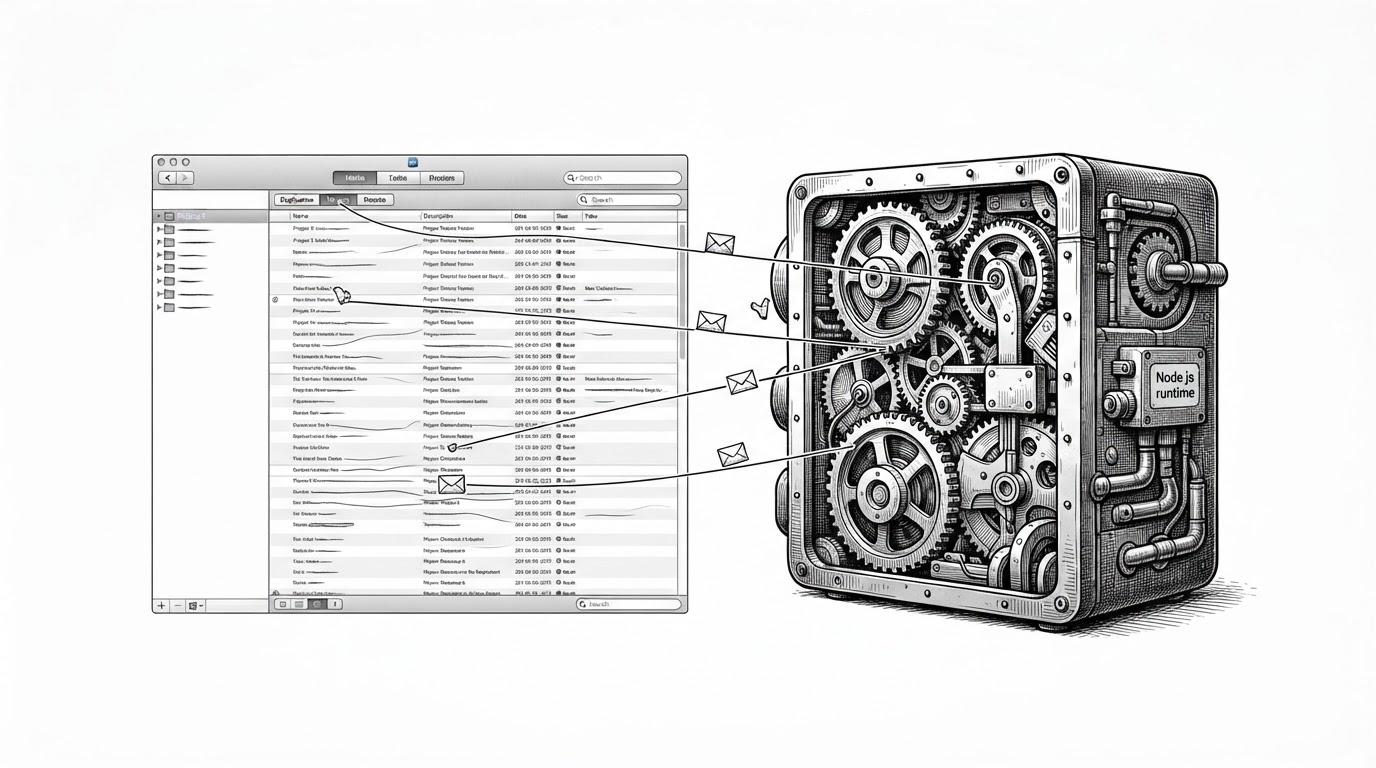
The mental model most people carry is wrong. Sleep is not a setting you flip. It is a live negotiation. macOS watches a ledger of power assertions held by running processes. A backup, a video, a file transfer: each can raise a hand and say "not yet." When no hand is up, the machine drifts toward sleep.
Caffeine's entire job is to keep one hand raised. For as long as it is active, it holds a power assertion open, telling macOS not to idle-sleep the system or dim the display. That is the whole trick. The cup is a stand-in for an open claim.
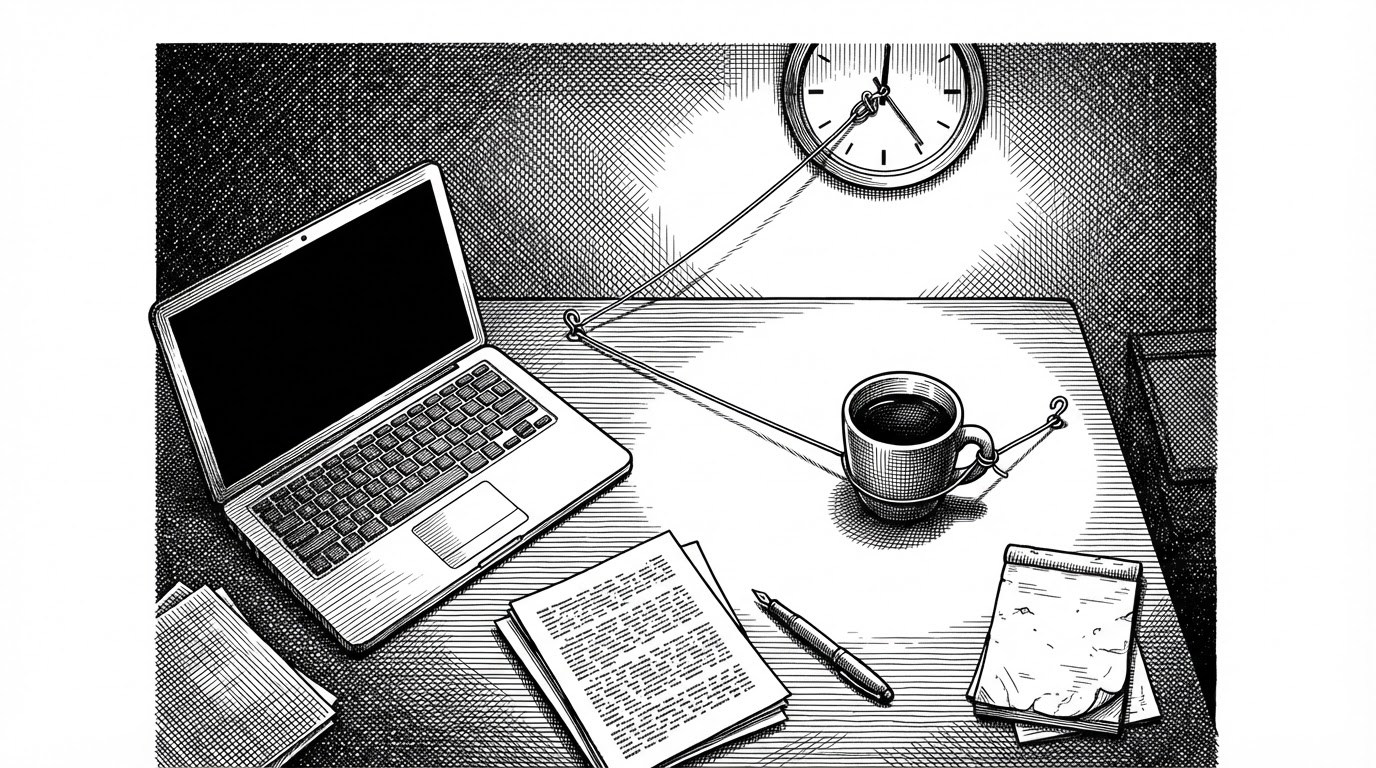
Timed activation is the same claim with a clock attached. You are not scheduling a sleep. You are scheduling the release of the assertion. Preferences, launch-at-login, activation-on-start: all of it is plumbing around that one held hand.
What a New Maintainer Actually Has to Do
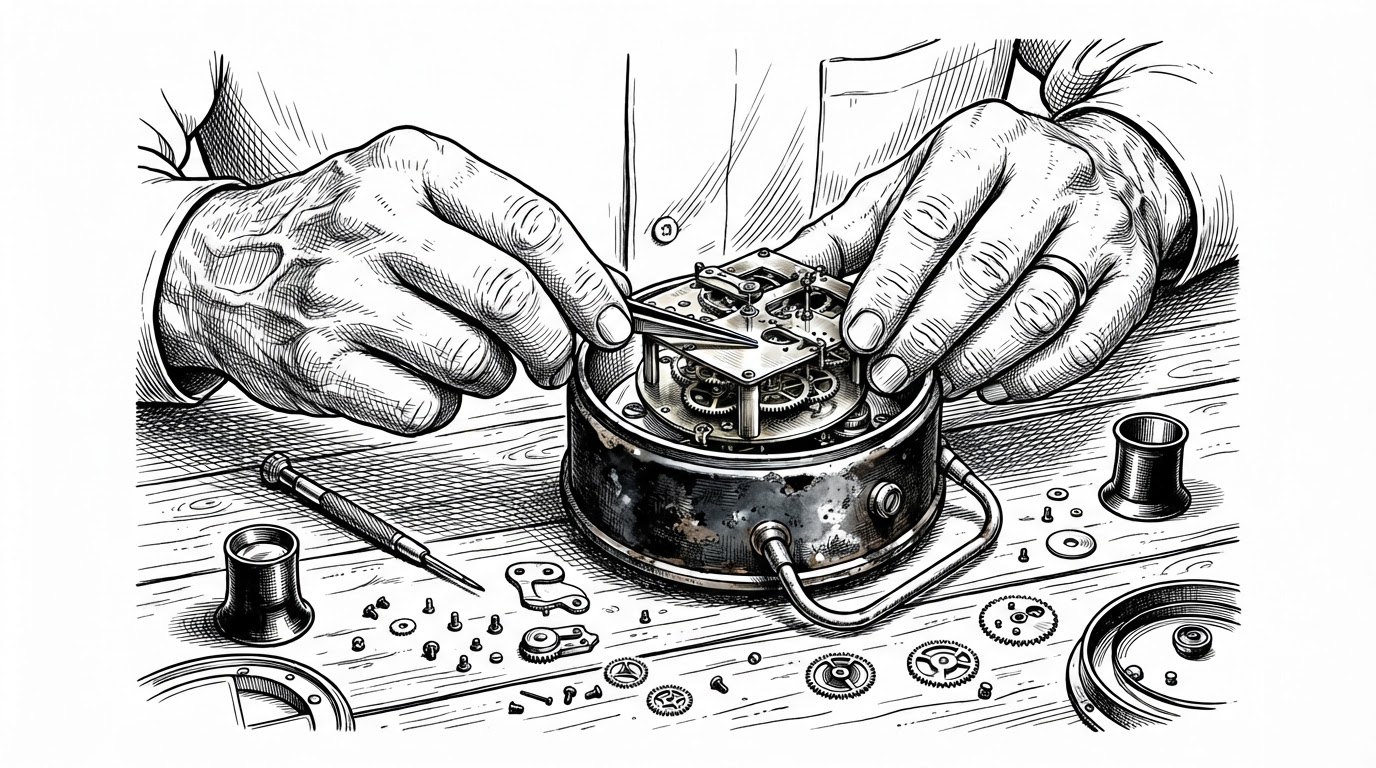
Keeping a 2006 app alive in 2026 is mostly unglamorous. The interesting work is not new features. It is making an old idea compile and run on hardware that did not exist when it was written.
- Rebuild against macOS 11 (Big Sur) or later, the fork's stated requirement.
- Ship a universal binary that runs natively on Apple Silicon.
- Keep the interaction model unchanged: the cup, the menu, the toggle.
The Homebrew Cask pull request that added domzilla-caffeine 1.4.1 in January 2024 made the packaging case plainly.
This is a fork of cask `caffeine` with a universal binary that runs natively on Apple Silicon. Its last commit was about three months ago.
Four Ways to Keep a Mac Awake
Caffeine is not the only option, and its README says so, naming Amphetamine and KeepingYouAwake. Pick by workflow, not by feature count. Where this research could not verify a cell, the table says so rather than guessing.
| Caffeine (domzilla) | Amphetamine | KeepingYouAwake | caffeinate | |
|---|---|---|---|---|
| Distribution | Homebrew Cask | Mac App Store | GitHub | Built into macOS |
| Open source + license | MIT | Not verified | Open source, license not verified | Built-in |
| Interface | Menu bar toggle | Menu bar | Menu bar | Command line |
| Platform support | macOS 11+ | Not verified | Not verified | Built-in |
| Timed activation | Yes | Not verified | Not verified | Not verified |
Why the Small Ones Survive
Tiny, single-purpose tools survive handoffs because their scope is small enough to be fully understood by the next steward. There is no maze of features to reverse-engineer, no roadmap to reconcile. Caffeine does one thing, and that one thing fits in a paragraph. Maintainability by subtraction. The cup outlived its maker because it never grew too big to carry.