paw-agents: PAW Agents: The Operating System That Makes AI Work Like a Governed Machine
A TypeScript framework for autonomous workers, with a six-stage execution pipeline, multi-channel control, and Solana-aware safety rails.
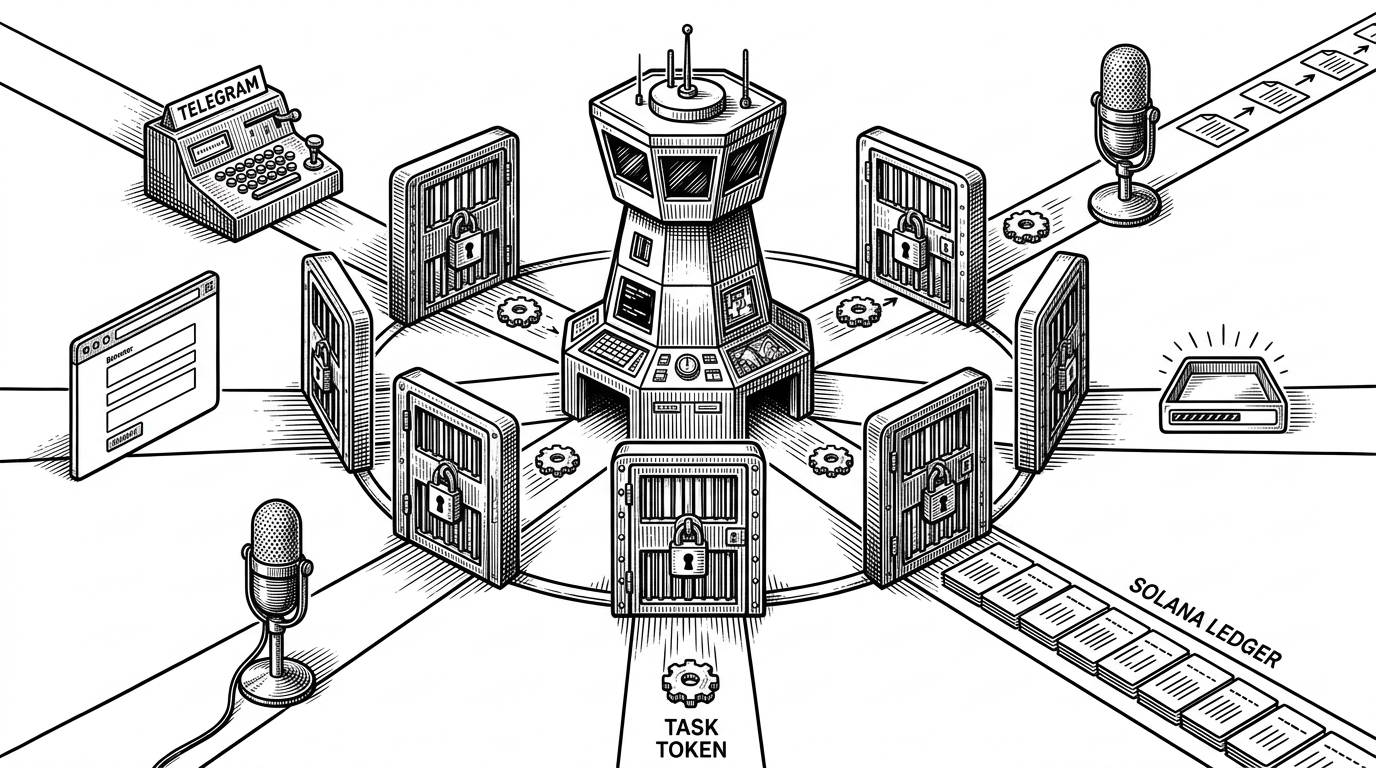

PAW Agents is a production-grade autonomous AI agent framework that converts natural language into safe, validated, traceable actions across APIs, browsers, files, workflows, and external tools.
- PAW’s core idea is that autonomy only becomes useful when every action passes through a governed execution pipeline.
- The repo treats TypeScript types, schema validation, and human confirmation as part of the safety model, not just implementation detail.
- Its real ambition is an operating system for work that stays present across channels instead of living inside a single chat UI.
- Solana support matters because it turns the safety story into something concrete: high-risk actions must be traceable, confirmable, and reversible in practice.
The interesting thing about PAW Agents is not that it can talk to more surfaces. Plenty of agent frameworks can reach Telegram, Discord, a browser, or a wallet. PAW’s claim is sharper: it tries to make autonomy behave like infrastructure, where intent is parsed, checked, confirmed, executed, verified, and logged before the world changes.
The real product is not a chatbot. It is a control loop.
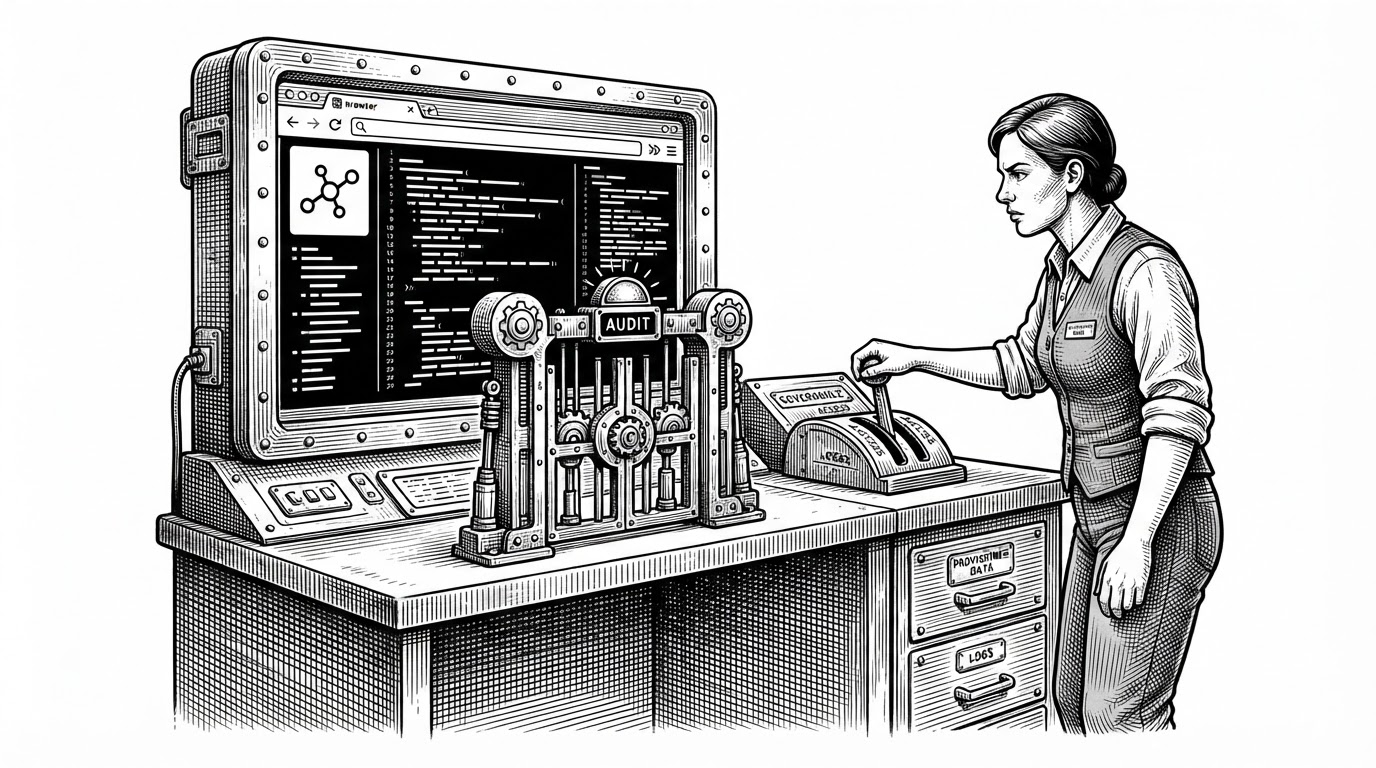
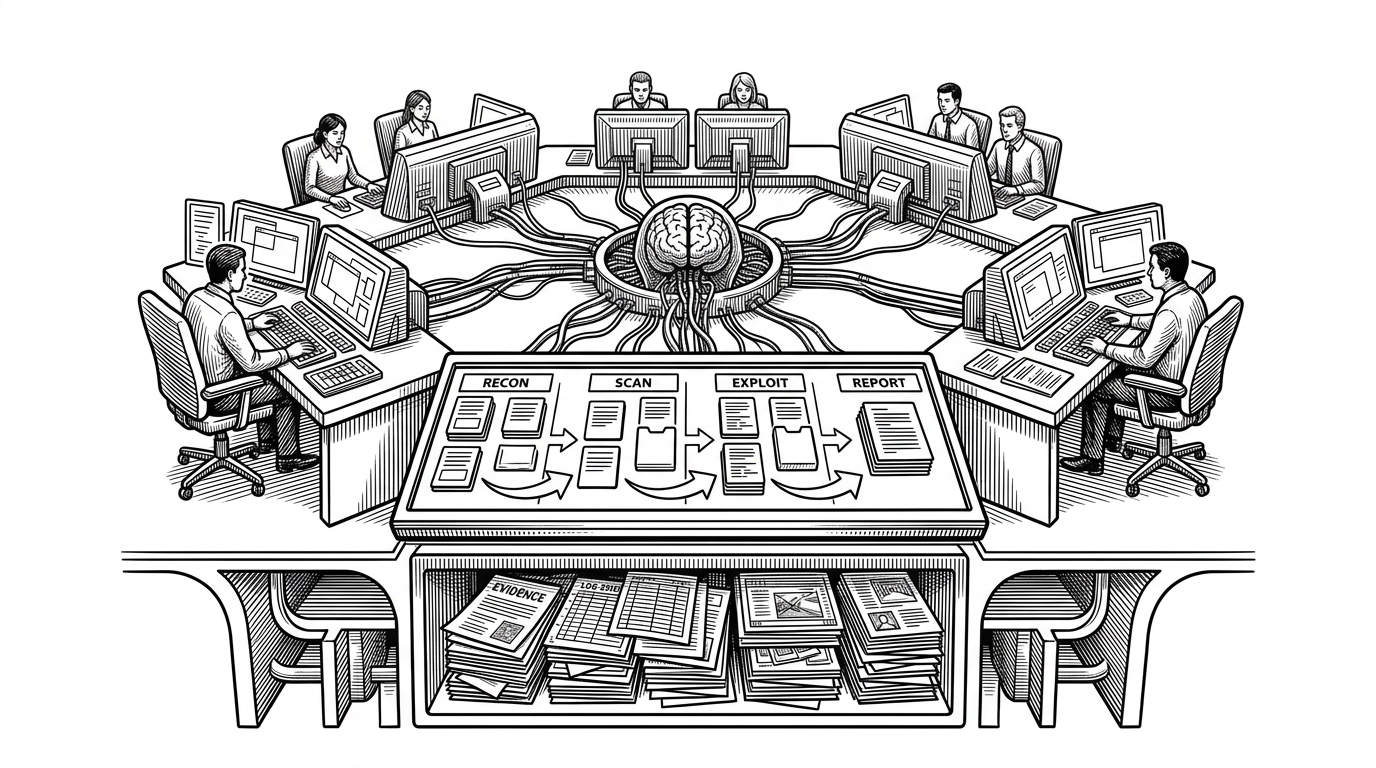
PAW’s six-stage flow is the clearest sign that the repo thinks like a systems team, not a prompt hobbyist. Intake turns a message into intent. Planning turns intent into structure. Validation and confirmation act as brakes. Execution and verification close the loop, then logging leaves a trail.
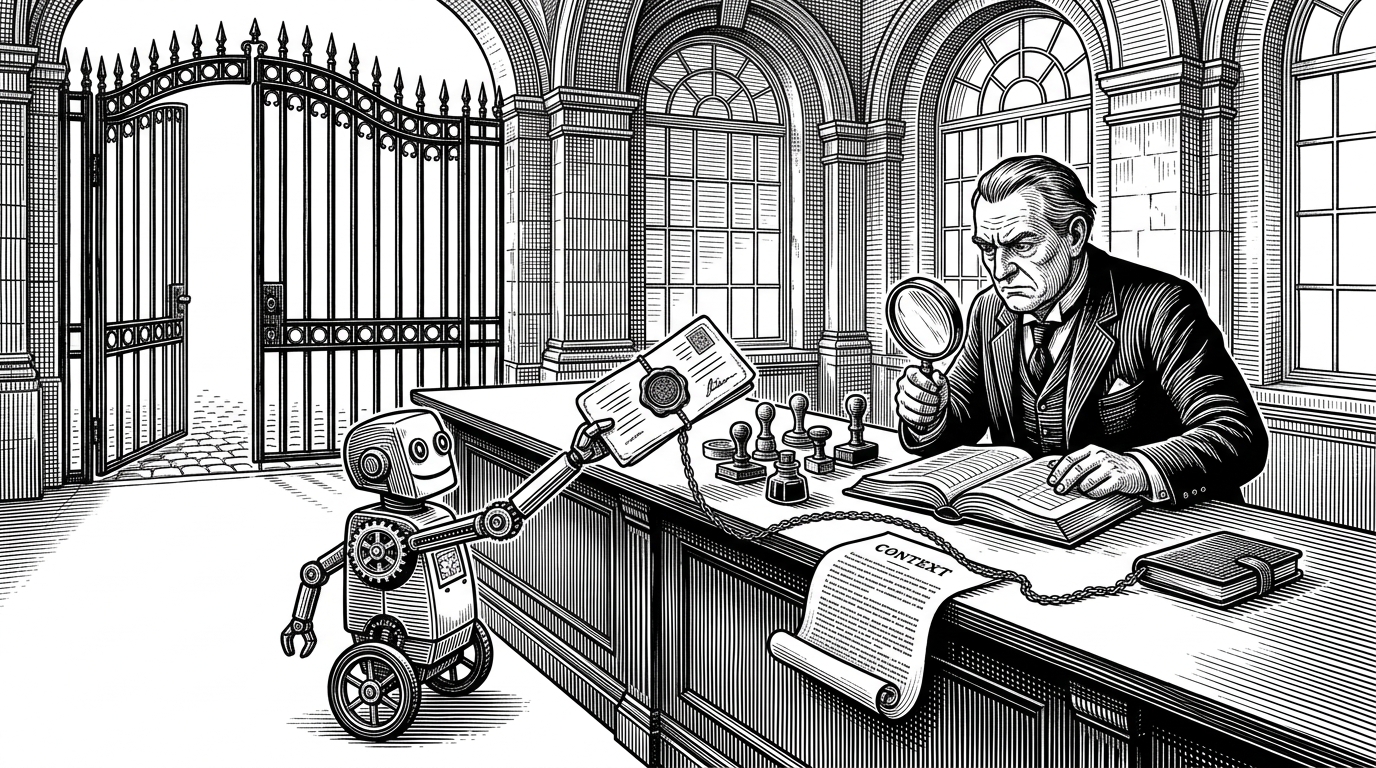
That is what separates it from generic agent demos. The model is not trusted to freestyle its way into the real world. It is forced through a sequence of gates, and every gate has a job: reduce ambiguity, reduce risk, or preserve evidence.
How PAW turns language into a structured plan
type IntentKind = 'conversational' | 'action';

type AgentPlan = {
  kind: IntentKind;
  summary: string;
  steps: Array<{
    name: string;
    mode: 'purp' | 'js' | 'api' | 'system';
    risk: 'low' | 'medium' | 'high';
    requiresConfirmation: boolean;
  }>;
};

class AgentBrain {
  async plan(input: string): Promise<AgentPlan> {
    // The model must emit strict JSON, not loose prose.
    // Blockchain actions are marked for confirmation.
    return {} as AgentPlan;
  }
}
The important design move is the split between conversational intent and action intent. If the request is just talk, the system can stay light. If the request implies a real-world effect, the schema starts carrying risk, mode, and confirmation state.
That matters because the repo is explicit about boundaries. It does not want the model inventing raw code paths or silently slipping into a blockchain action. The structure is there to make the prompt less important than the contract.
The six stages are the product
| Stage | What it does | Failure mode it blocks |
|---|---|---|
| Intake | Captures the user request and classifies the intent. | Ambiguous requests turning into accidental actions. |
| Planning | Converts language into a structured plan and steps. | Free-form model output that cannot be audited. |
| Validation | Checks schema, risk, and preconditions. | Broken or unsafe steps reaching execution. |
| Confirmation | Pauses for explicit human approval on risky work. | High-stakes actions happening without consent. |
| Execution | Runs the approved tools and skills. | Unbounded model improvisation at runtime. |
| Verification | Checks whether the result actually landed. | Silent failures that look successful. |
| Trace Log | Records the sequence for replay and debugging. | No forensic trail when something goes wrong. |
The value of the table is not that each stage is novel. It is that the stages compose into a defensive system. If one layer misses, another can still stop the task. That is how the repo keeps autonomy usable instead of theatrical.
Why the type system matters more than it looks
type ExecutionMode = 'purp' | 'js' | 'api' | 'system';
type RiskLevel = 'low' | 'medium' | 'high';

type SkillDefinition = {
  name: string;
  preconditions: string[];
  postconditions: string[];
  failureModes: string[];
  mode: ExecutionMode;
  risk: RiskLevel;
};
This is where PAW gets quietly interesting. The types are not just for developer comfort. They encode the terms under which the system is allowed to act, which means the compiler becomes part of the safety story.
A skill that declares its preconditions, postconditions, and failure modes is easier to reason about than a blind tool call. That is especially true in a framework that wants to work with browsers, files, APIs, and on-chain actions under one roof.
PAW is built to be present everywhere
PAW’s channel list is the giveaway that this is meant to behave like a daemon, not a tab. Telegram, Discord, Slack, email, browser, desktop, voice, REST, MQTT, and more all point back to the same center. The user meets one agent, but the architecture is built for many surfaces.
| Approach | How it feels | Trade-off |
|---|---|---|
| Single chat bot | A conversation in one window. | You keep reopening the same context. |
| PAW channel mesh | One agent across many surfaces. | More moving parts, but one shared brain and trace layer. |
| Local-only script | Fast and contained. | Useful for one task, but not for an always-on worker. |
That positioning matters. A lot of agent projects are excellent at one interface and weak everywhere else. PAW is trying to be the background layer that follows work wherever it happens.
Solana is not an add-on. It is a stress test.
Every action follows a strict six-stage pipeline: INTENT → PLAN → VALIDATE → EXECUTE → VERIFY → LOG
Blockchain support forces the framework to confront the worst-case version of autonomy: actions that are expensive, irreversible, and easy to misuse. Once a wallet or contract call is in the loop, confirmation is no longer a UX nicety. It is a hard requirement.
That is why the Solana and Purp SCL pieces matter. They are not side quests. They are proof that the safety pipeline is meant to survive high-stakes execution, not just demo it.