Univer: The Headless Office Engine Hiding Behind a Spreadsheet UI
A look at the isomorphic, plugin-first framework that lets developers run the same office logic in the browser and on the server, with a facade API, canvas rendering, and replayable commands.
- Univer is built as an office runtime, so the spreadsheet UI can disappear without taking the logic with it.
- Its facade API is the stable entry point that hides commands, mutations, models, and rendering behind a cleaner contract.
- Strict plugin boundaries are not just code hygiene here, they are what make browser and Node.js execution share the same core.
- The real competition is not other spreadsheet widgets, but full-stack infrastructure for custom office experiences.
The spreadsheet that does not need a spreadsheet
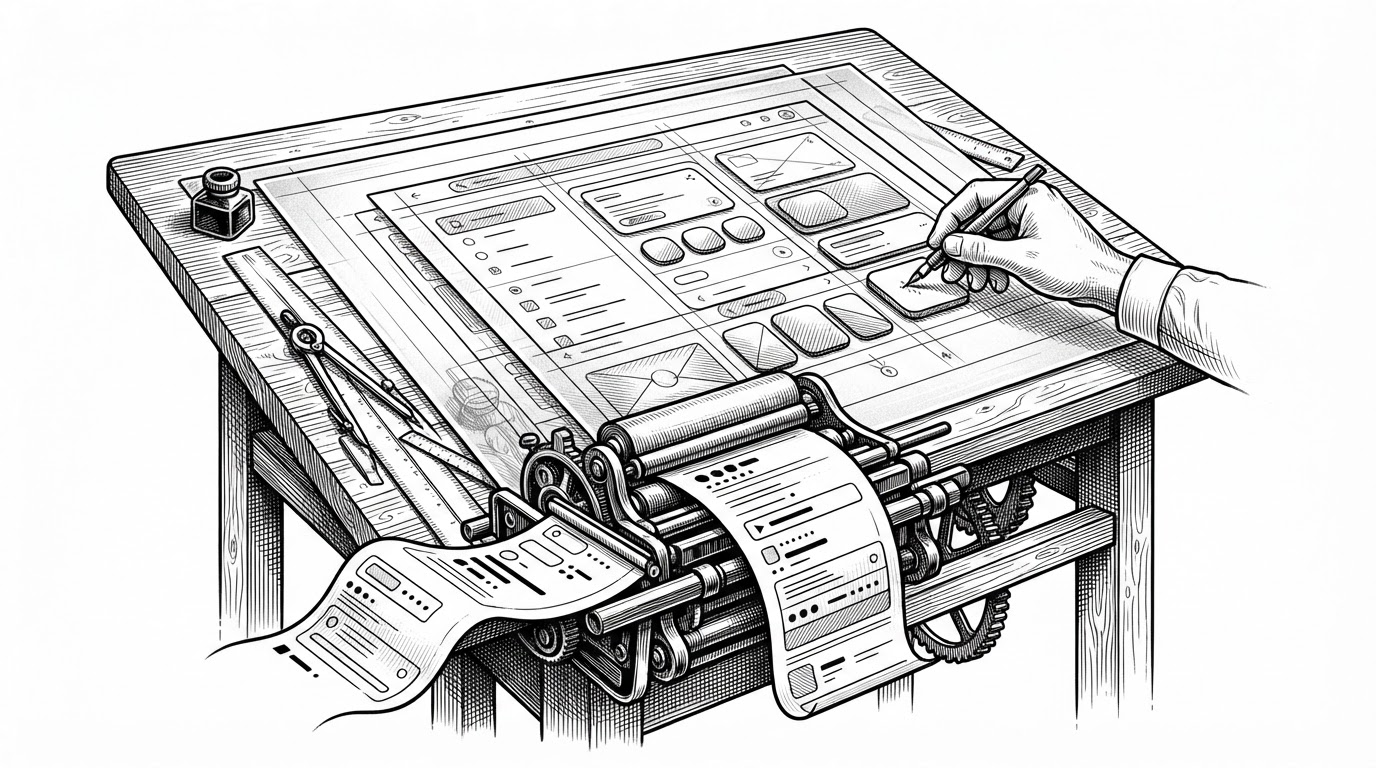
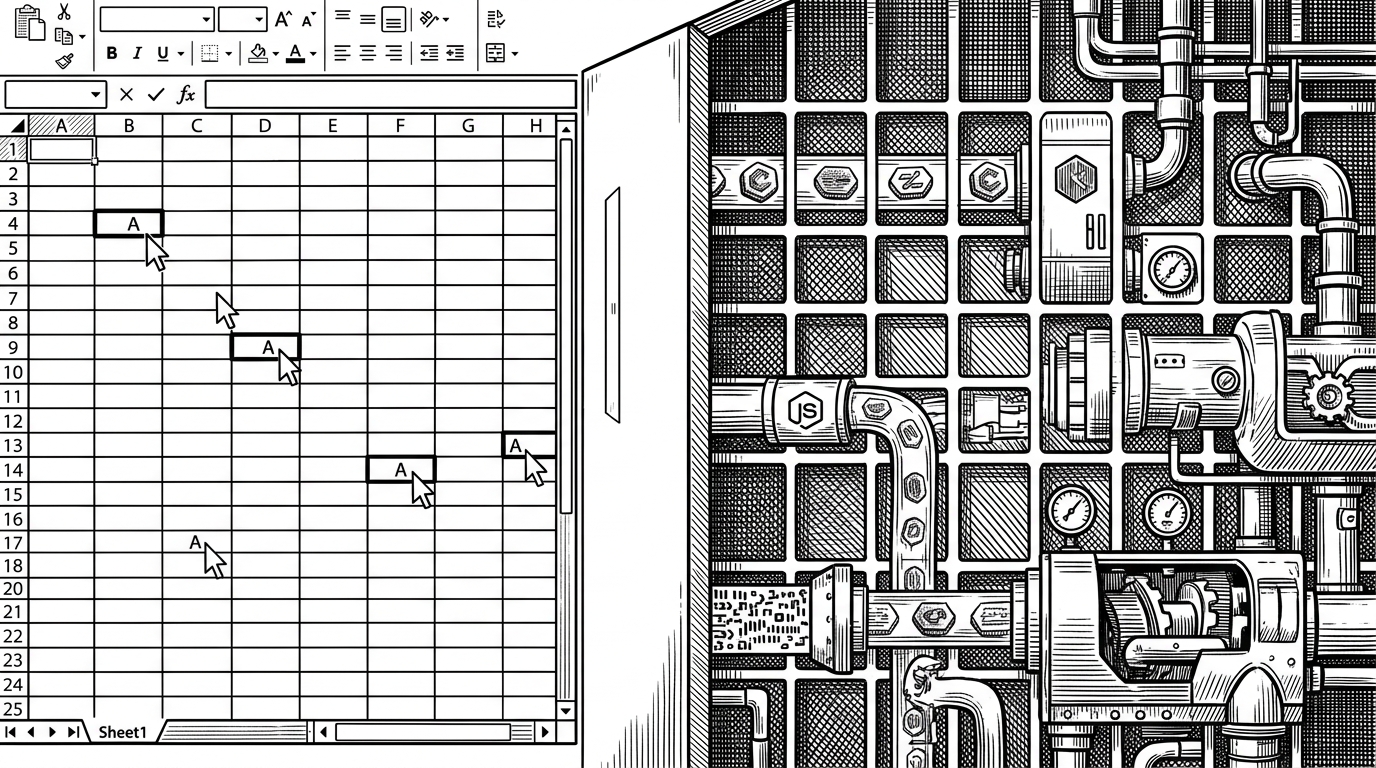
Most spreadsheet libraries are UI products first. Univer flips that order. It is designed so the engine, the command system, and the model layer can run without the visible spreadsheet shell, which makes it useful for SaaS embedding, server-side generation, and agent-driven workflows.
That is the sharpest thing about the repo. The browser view is still important, but it is no longer the center of gravity. In Univer, the UI is a client of the engine, not the engine itself.
Univer is not just a frontend library, but also a backend service. It provides a complete set of solutions based on real-time collaboration, large data rendering, formula calculation, etc.
From Luckysheet to a full-stack framework
Univer comes out of the Dream-Num lineage, but it is not just a continuation of Luckysheet with a fresh coat of paint. The conceptual shift is bigger. The project moves from a front-end spreadsheet toward a full-stack office platform that can be embedded, extended, and automated.
Univer's AI capability is not just about integrating LLMs, but about how to combine LLMs with spreadsheet data structures and operations to achieve a truly 'AI-native' experience.
The facade is the product
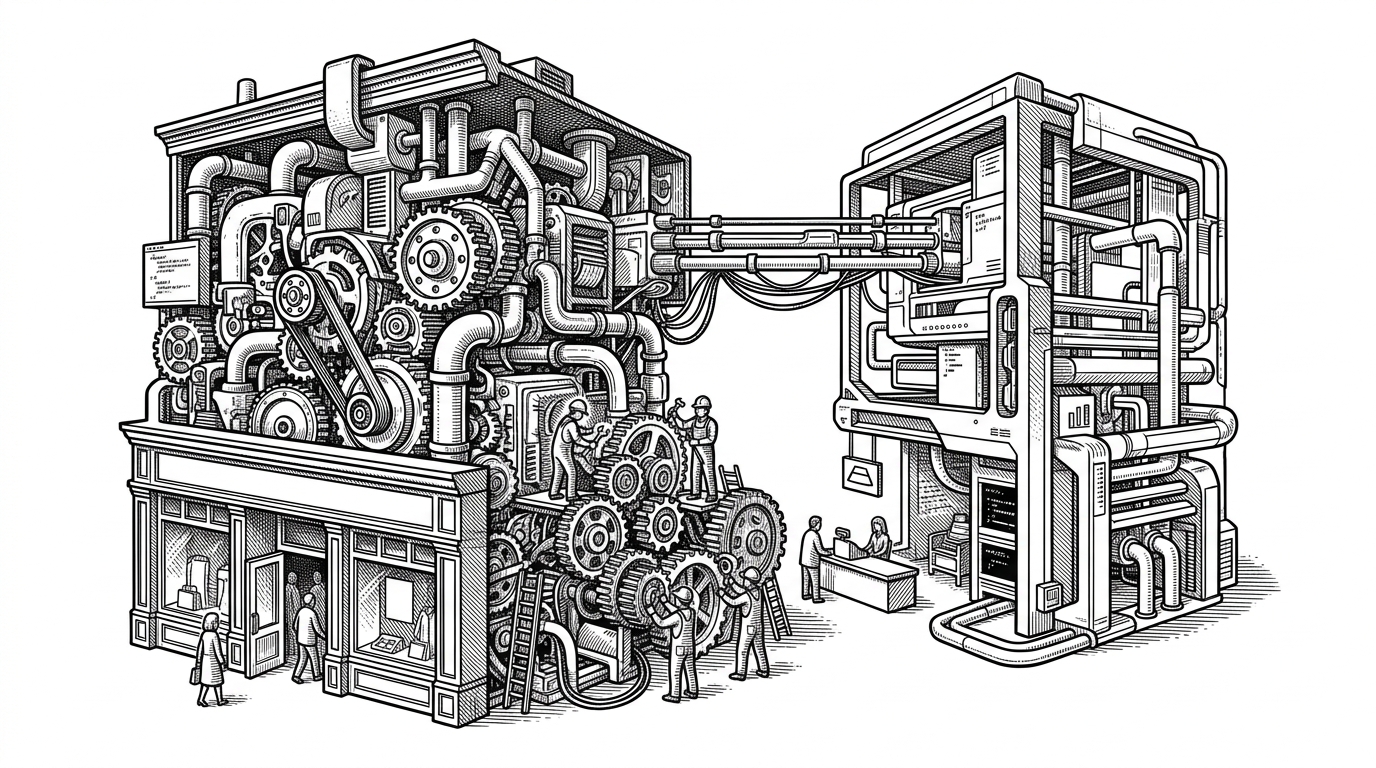
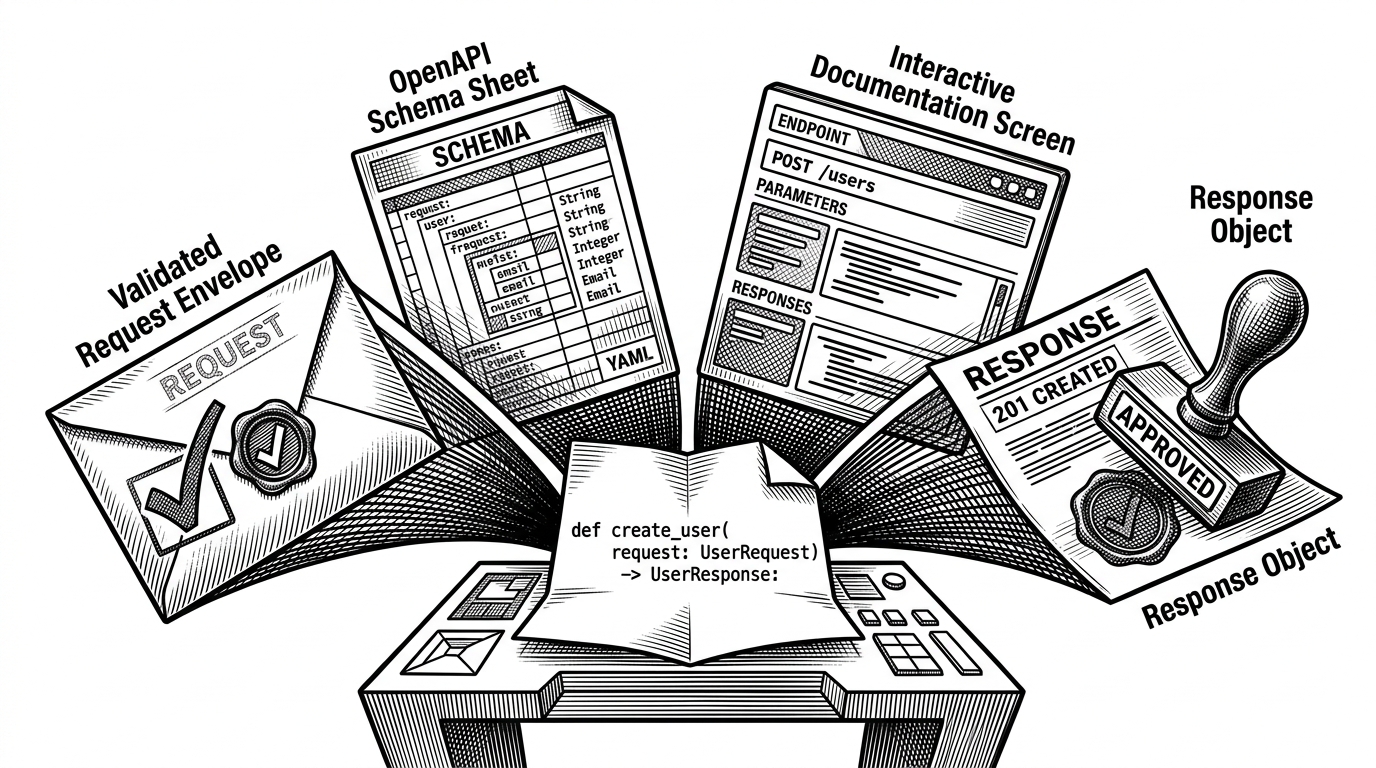
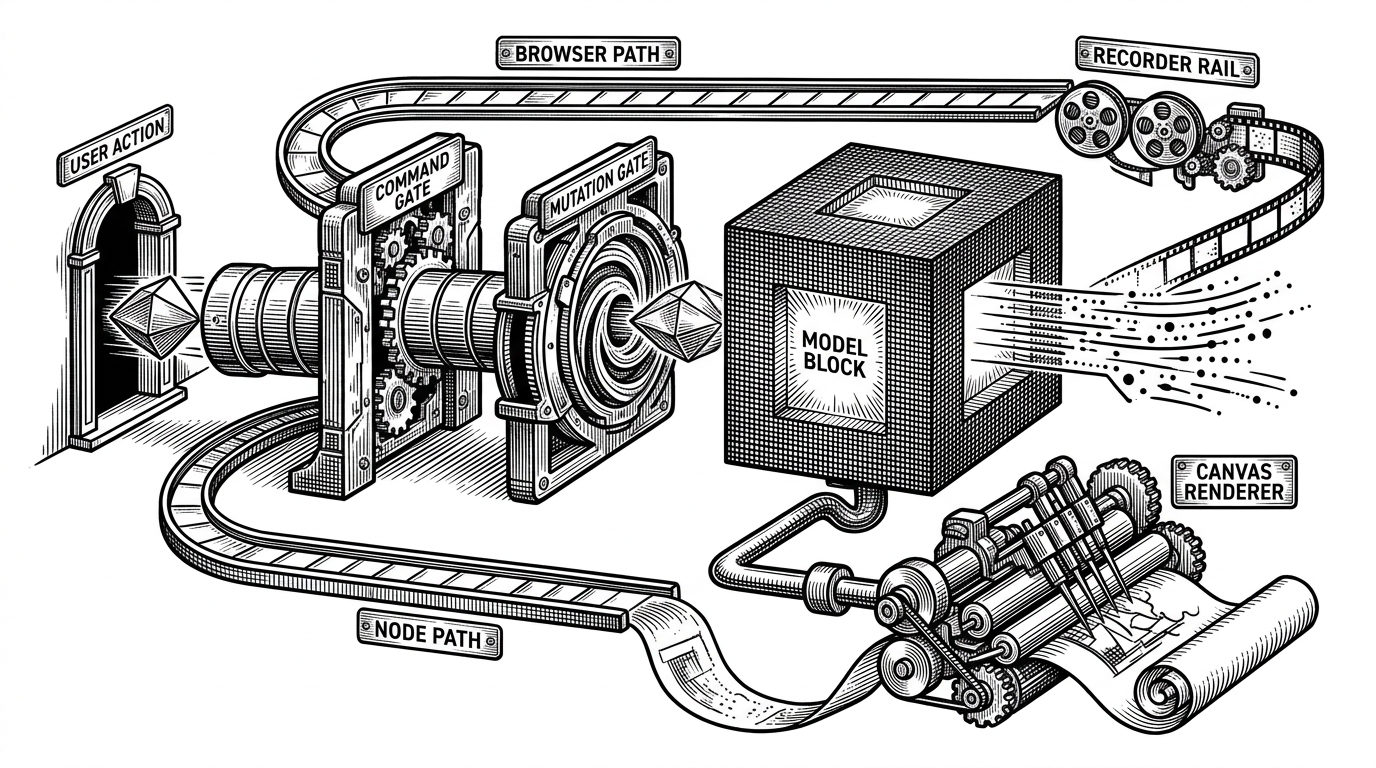
The facade API is the part developers touch first, but it is doing more than offering convenience wrappers. It acts as a narrow, stable layer over a much more modular system of commands, mutations, services, and models. That lets Univer keep the public API simple while the internals stay opinionated and deeply layered.
Why the plugin boundaries matter
Univer’s discipline shows up in the boundaries. Models stay pure. Services handle business logic. Commands and mutations are the only sanctioned path for state changes. Controllers and views remain at the edge. That separation is what keeps the same core logic usable in a browser app or a Node.js workflow.
We chose Canvas rendering from the very beginning. Although DOM rendering is simple to implement, its performance will drop sharply when facing a large amount of data. Canvas can ensure that Univer can always maintain high performance.
This is not architectural theater. It is how the project avoids drift. The framework can grow features without collapsing into a pile of cross-coupled UI code, because each layer has a narrow job and a defined direction of dependency.
Canvas is not a cosmetic choice
Canvas is part of the product strategy, not just the rendering strategy. Once you want large datasets, smooth scrolling, and dense interaction without drowning in DOM nodes, a canvas-based approach becomes structural. It is one reason Univer can act more like an engine than a widget.
| Project | Primary identity | Headless / server-side | Collaboration | Extensibility | Rendering |
|---|---|---|---|---|---|
| Univer | Framework and office runtime | Yes | Built in | Plugin-first | Canvas |
| FortuneSheet | Spreadsheet component | Limited | Partial | Component-level | Mostly DOM |
| Luckysheet | Legacy spreadsheet app | Limited | Partial | Monolithic | DOM-based |
| Jspreadsheet | Lightweight spreadsheet grid | No | Limited | Config-driven | DOM-based |
| AG Grid | Data grid platform | No | Limited | Module-based | DOM-centric |
| Handsontable | Enterprise grid component | No | Limited | Extension-oriented | DOM-centric |
The distinction matters because it changes what you can build. If you want a spreadsheet widget, several libraries can do the job. If you want a programmable office system that can run in a browser, on a server, or under automation, Univer is playing a different game.
Replay, automate, and let agents drive it
The action-recorder plugin is a good clue to where this architecture is headed. Once every meaningful change passes through commands and mutations, those changes can be intercepted, stored, replayed, and used for debugging or automation. That is a natural fit for AI workflows, because agents are much easier to trust when the system can explain and replay what happened.
That replayability also makes the platform more operationally serious. It is not just about making edits. It is about making edits observable, serializable, and recoverable.
Where Univer sits in the spreadsheet stack
Univer is best understood as infrastructure for custom office experiences. It is broader than a spreadsheet component, but more focused than a full commercial office suite. That middle ground is the point: developers get enough engine to build real products without inheriting someone else’s entire UI opinion.
| Layer | What you get | Best fit |
|---|---|---|
| Component | A ready-made grid or sheet UI | Fast embedding |
| Framework | Composable engine with APIs and plugins | Custom products |
| Platform | Shared core for spreadsheet, docs, and slides | Multi-surface office apps |
| Full app | Complete office suite experience | End users, not builders |