gascity-packs: The Discord Pack That Turns Chat Into an Agent Control Plane
A deep look at the pack architecture, the filesystem-backed state model, and the surprisingly durable way this project turns Discord threads, DMs, and modals into workflow infrastructure.
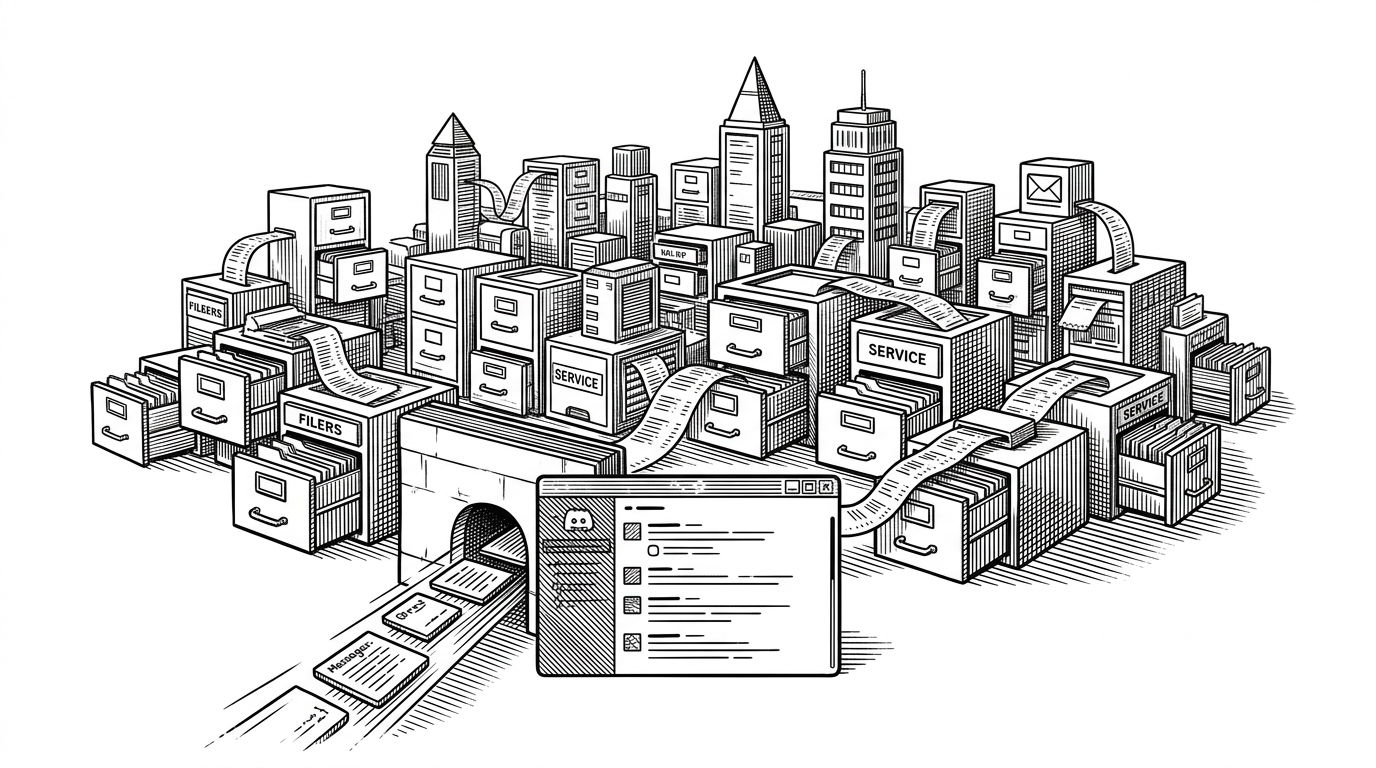
- gascity-packs treats Discord as a user interface, not the system of record.
- Its real innovation is a small runtime that uses filesystem state, receipts, and service boundaries to make chat workflows durable.
- The pack architecture splits Discord into narrow services, which keeps recovery and operational complexity tractable.
- Room launch and peer fanout turn a chat room into a structured workspace rather than a one-off command surface.
Discord is just the interface
The first thing to understand about gascity-packs is that it is not really a Discord bot. Discord is the front door, but the project behaves more like a small operating system for agent activity, with its own local state, recovery logic, and service boundaries.
That distinction matters. A conventional bot reacts to messages. This pack routes messages into a disciplined runtime that can survive restarts, resume workflows, and keep the state legible on disk.
The pack architecture is the product
| Traditional Discord bot | gascity-packs |
|---|---|
| One process handles most behavior. | Multiple services split listening, interactions, and admin work. |
| State often lives in a database or cache. | State lives in a structured filesystem layout under .gc/services/discord/data. |
| Recovery is usually bolted on. | Recovery is part of the request lifecycle. |
| Discord is the product surface. | Discord is the UI layer over a local control plane. |
That structure is why the repo feels more like a pack than an app. The configuration file defines the boundaries, and the boundaries matter as much as the code inside them.
The filesystem is the database
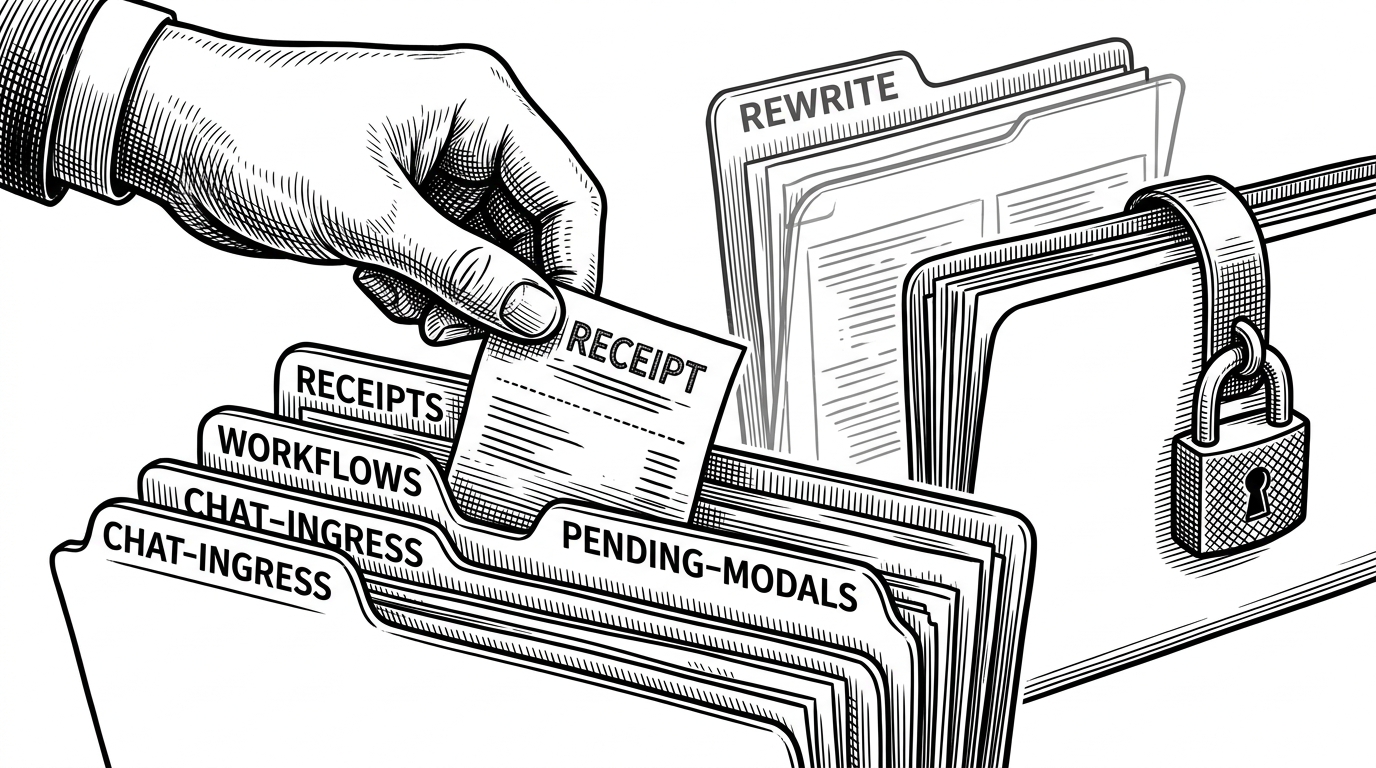
The most interesting idea in the repo is also the least glamorous: it uses the filesystem as a transactional substrate. Under .gc/services/discord/data, the pack organizes receipts, workflows, pending modals, and chat ingress into a layout that can be inspected, recovered, and pruned without a heavy database layer.
.gc/services/discord/data/
  receipts/
  workflows/
  pending-modals/
  chat-ingress/
The important detail is not just that files exist. It is that the code treats them carefully, with atomic JSON writes, file locks, and recovery scans that make partial failure survivable. A request becomes a receipt. A receipt points to a workflow. A pending modal can be resumed or pruned.
That design is unusually portable. You can inspect it with standard tools, reason about it with directory listings, and recover from interruption without needing a distributed systems stack.
Discord gateway, intake, and recovery
| Gateway service | Intake service |
|---|---|
| Listens persistently to Discord messages over the Gateway. | Handles slash commands and modal submissions. |
| Optimized for continuous listening and reconnect behavior. | Optimized for interaction lifecycles and request recovery. |
| Feeds message events into the local runtime. | Creates and resumes receipts for structured workflows. |
| Carries the always-on side of the system. | Carries the transactional side of the system. |
The split is elegant because it matches Discord’s own behavior. One path is persistent and chatty. The other is transactional and time-sensitive. The repo gives each path its own service and its own failure model.
Room launch turns chat into a workspace
The social model is the other surprise. Scripts like discord_chat_bind.py and discord_room_launch.py bind channels to sessions, then let a root room spawn managed threads and peer fanout. That turns Discord from a stream of messages into a structured workspace.
| Chat surface | Workspace behavior |
|---|---|
| One-off messages in a channel. | Bound sessions with explicit ownership and scope. |
| Threads are mostly ad hoc. | Threads can be managed as part of a launch flow. |
| Broadcasts go to whoever is present. | Fanout can target peers with policy limits. |
| Coordination is informal. | Coordination is encoded in room and session rules. |
This is where the repo stops being plumbing and starts being a product idea. The channel is no longer just where work happens. It becomes a container for work.
Why this matters
gascity-packs argues for a useful middle ground in agent infrastructure. You do not always need a web app first, and you do not always need a database first. Sometimes the disciplined answer is a local runtime, a filesystem layout, and a chat UI that people already know how to use.
The bigger lesson is architectural. If you are strict about state, explicit about recovery, and narrow about service boundaries, you can build a system that feels surprisingly robust without a heavy stack. Discord is just the surface. The real product is the control plane underneath it.