homebrew-beads: Beads via Homebrew: The Issue Tracker Built for AI Agents
A tiny tap repo that points to a bigger idea: issue tracking as structured memory for coding agents, not just a dashboard for humans.
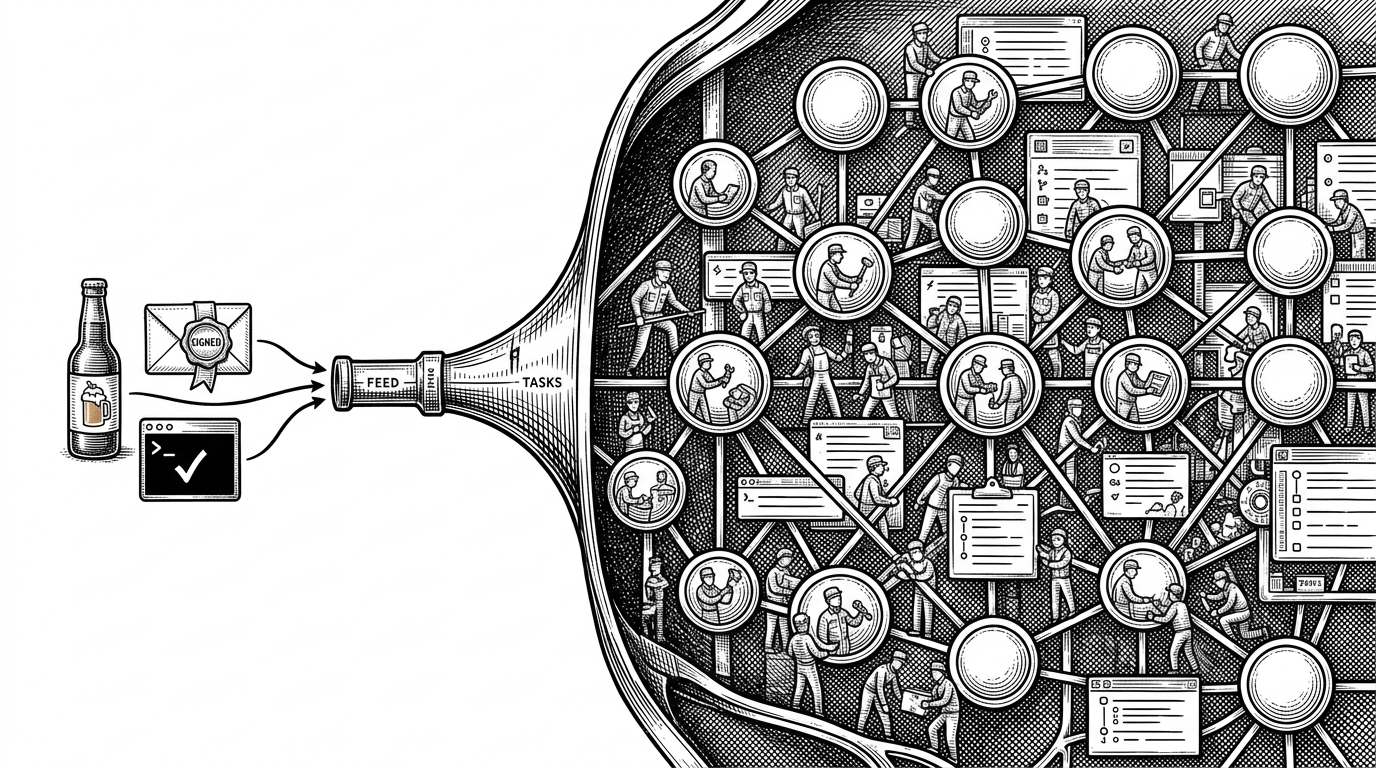

Beads v0.60.0 is now available with binaries for Linux, macOS (Intel & Apple Silicon), Windows (AMD64 & ARM64), Android/Termux (ARM64), and FreeBSD.
- Beads treats the issue tracker as structured memory for agents, not as a human dashboard with automation bolted on.
- The Homebrew tap matters because it turns that philosophy into a low-friction install path for the exact audience likely to try it.
- Its core advantage is a machine-readable coordination model built around local state, dependencies, and syncable records.
- The broader bet is that AI-era developer tools will need new primitives for state, continuity, and conflict-free collaboration.
The interesting thing about gastownhall/homebrew-beads is not the tap itself. It is the worldview behind it: issue tracking redesigned for AI agents first, humans second. The tap is just the cleanest way to get that idea onto a machine.
Why issue tracking changes when the user is an agent
Most trackers assume a person will read, sort, and nudge every issue. Beads flips that assumption. It treats tasks as structured memory that a coding agent can create, query, link, and carry across sessions without translating everything back into a browser tab.
What the tap actually does
The tap is standard Homebrew machinery, but that standard shape is part of the point. The repo ships a generated formula, points Homebrew at the right binary for each platform, and installs a compiled CLI into PATH with almost no ceremony.
class Bd < Formula
  desc "Beads CLI"
  homepage "https://github.com/gastownhall/beads"
  version "0.63.3"

  on_macos do
    if Hardware::CPU.arm?
      url "https://github.com/gastownhall/beads/releases/download/v0.63.3/bd_darwin_arm64.tar.gz"
      sha256 "..."
    else
      url "https://github.com/gastownhall/beads/releases/download/v0.63.3/bd_darwin_amd64.tar.gz"
      sha256 "..."
    end
  end

  def install
    bin.install "bd"
  end
end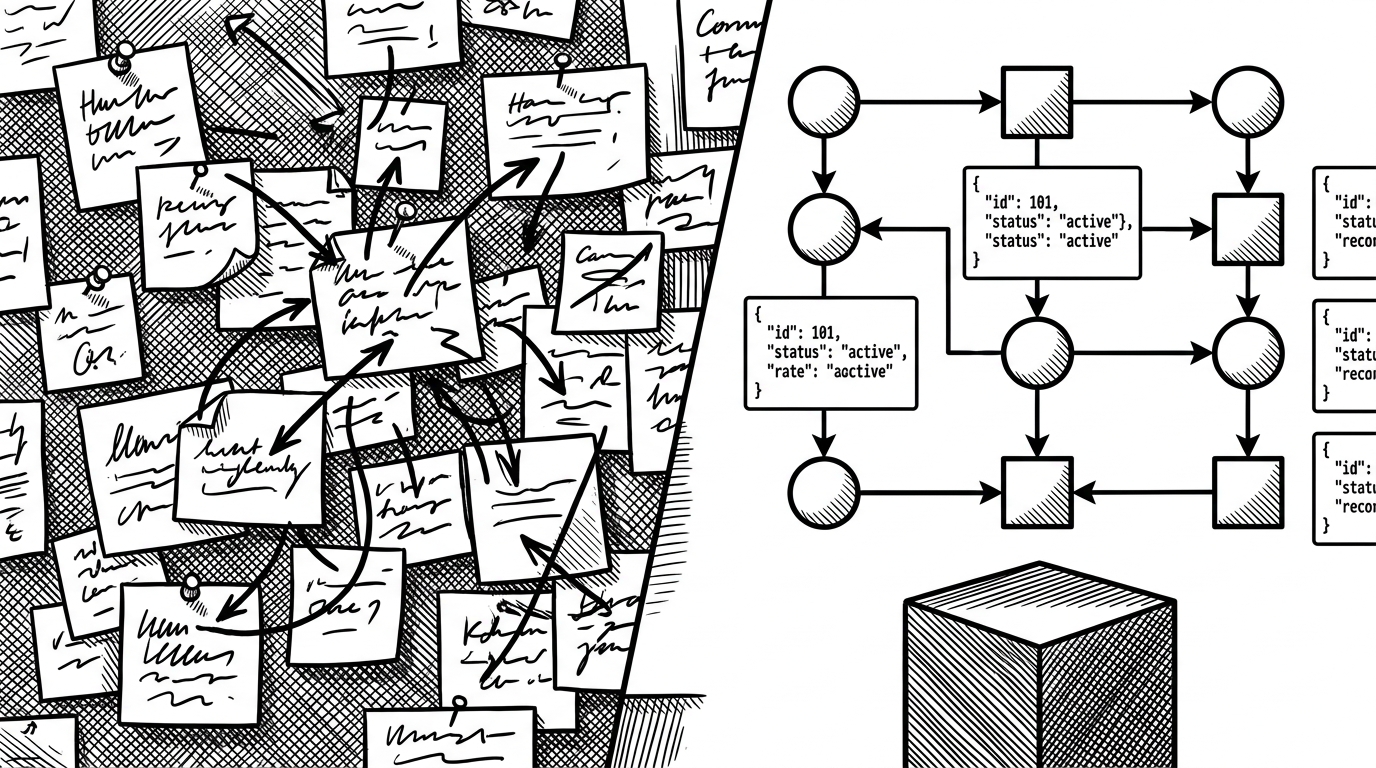
Beads versus the issue trackers everyone knows
| Tool | Primary user | Data model | Agent fit | Local-first |
|---|---|---|---|---|
| Beads | Agents and humans collaborating on long tasks | Graph-shaped, dependency-aware, structured records | High | Yes |
| GitHub Issues | Humans inside a repository workflow | Web-native tickets and metadata | Medium | No |
| Linear | Human product and engineering teams | Fast SaaS issue workflow | Low to medium | No |
| Jira | Large organizations and process-heavy teams | Highly configurable enterprise workflow | Low | No |
This is not a better Jira. It is a different category. Beads is trying to solve for continuity, dependency tracking, and machine-readable state when the active participant may be an AI agent that needs to remember what happened last session.
Why Homebrew is the right packaging choice
Homebrew makes the project feel familiar to the same people most likely to experiment with agent workflows. That matters. If the product is a CLI, then distribution should feel like a CLI too: one command, one binary, no extra runtime, no hidden stack.
The repo is tiny because it does one job well. It packages the release artifacts and keeps installation boring, which is exactly what you want from the delivery layer of a more unusual product.
The bigger bet
Beads suggests that AI-era developer tools will need their own primitives for memory and coordination. Not just prompts, not just tickets, and not just dashboards. The deeper shift is from managing work for people to preserving context for systems that act inside the work.