Paperclip: The Biomedical Corpus That Behaves Like a Unix Filesystem
A CLI and MCP server that lets humans and AI agents grep, read, and synthesize millions of papers as if they were files on disk.
- Paperclip’s real innovation is not search alone, but a stateful research workspace that turns a huge biomedical corpus into something navigable through shell habits.
- The thin CLI is mostly a relay, while the server owns the indexing, execution, and session memory that make repeated exploration feel coherent.
- Its strongest bridge is agent compatibility, because MCP, skills, and parallel reads let humans and models work in the same mental model.
- Paperclip competes less with another command line and more with the default habit of bouncing between search boxes, PDFs, and chat prompts.
The Corpus That Feels Local
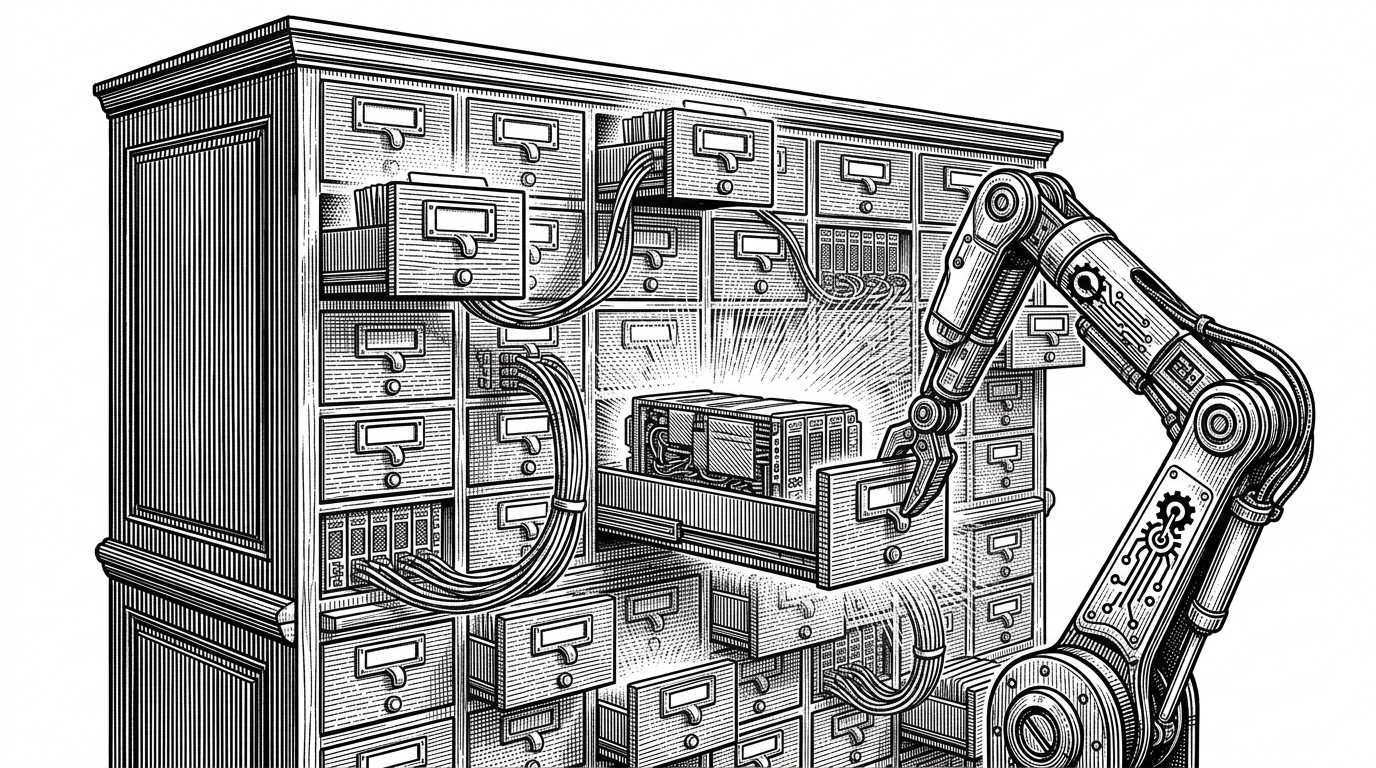
Paperclip’s best trick is psychological before it is technical. It takes more than 8 million biomedical papers and makes them feel like something you could browse with muscle memory. That is a serious shift for anyone who has ever lost an afternoon in tabs, PDFs, and brittle keyword searches.
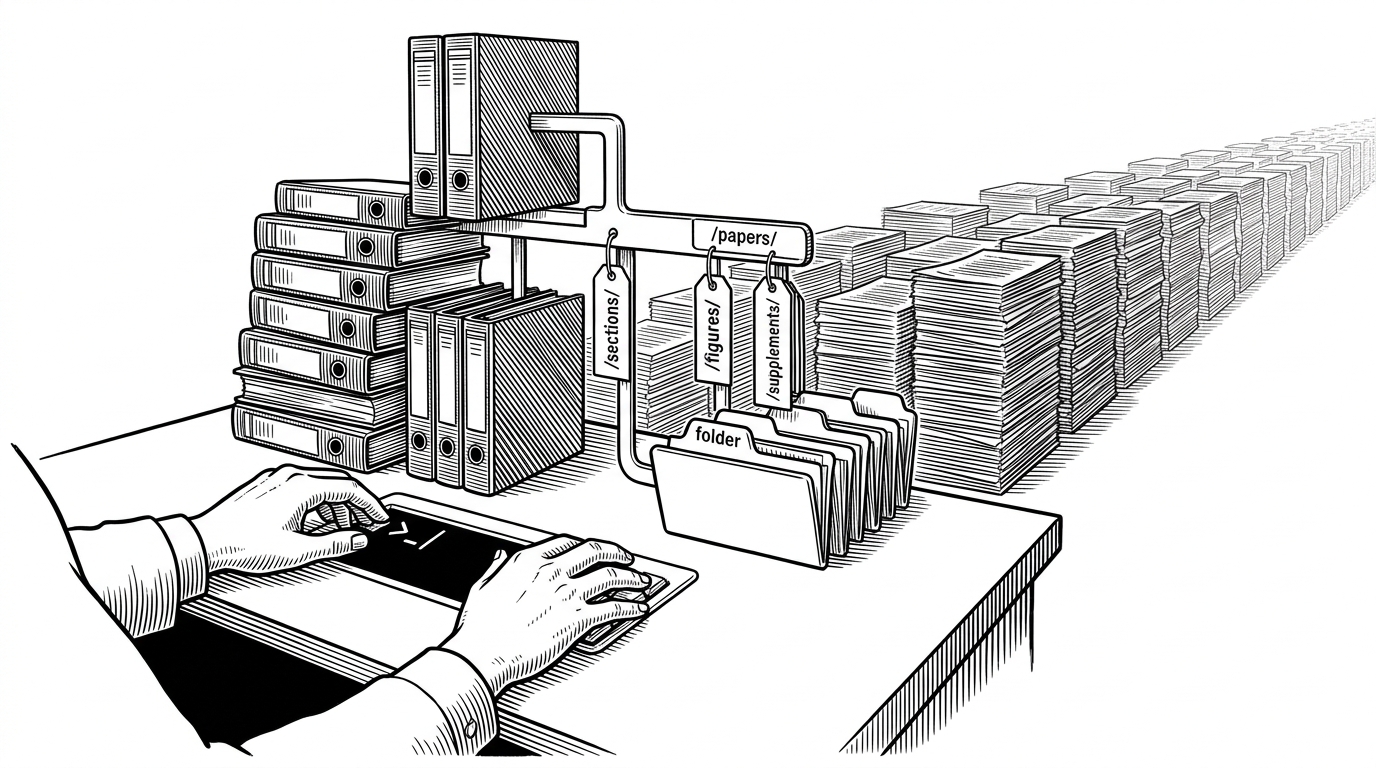
Paperclip is a CLI and MCP server for AI agents where every paper is a directory containing full text, sections, figures, and supplements on a virtual filesystem at /papers/.
The point is not nostalgia. It is leverage. Once a corpus behaves like a filesystem, old Unix instincts come back online: list, inspect, filter, pipe, refine. That gives humans a familiar grip and gives agents a clean tool surface.
Why Files Beat Forms
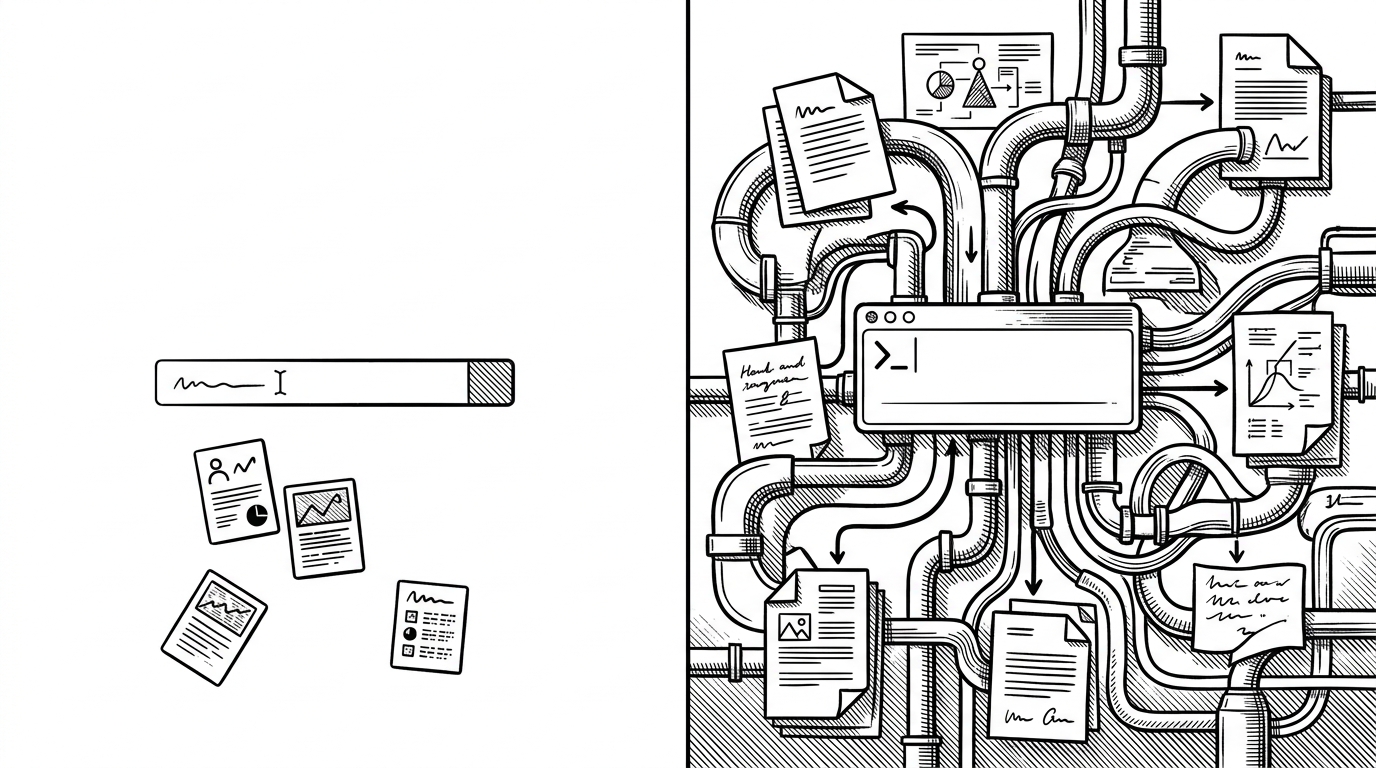
A search form asks for a query. A filesystem invites exploration. That difference matters because research rarely ends after the first answer. You want to pivot from a paper to its figures, from a figure to the methods section, from that method to a cluster of similar papers.
| Dimension | Traditional literature search | Paperclip |
|---|---|---|
| Primary interface | Query box and result list | Filesystem paths, shell commands, and MCP |
| State across steps | Usually weak or implicit | Session state is stored server-side and can be reused |
| Scale pressure | Often local to a browser session | Built for millions of papers and repeated reads |
| Agent friendliness | Usually an afterthought | Designed for AI agents and tool use |
| Image understanding | Often separate from text search | ask-image makes figures part of the workflow |
| Research motion | Search, click, copy, repeat | Search, branch, read, synthesize |
That is why the Unix metaphor lands. It is not a vibe. It reduces cognitive load. A technically fluent user does not have to learn a new interaction grammar before doing real work.
paperclip grep "glymphatic" /papers/
paperclip cat /papers/PMCID123456/sections/methods
paperclip map --from q1 "What imaging markers recur across these papers?"
Paperclip’s Real Trick: The Session Remembers
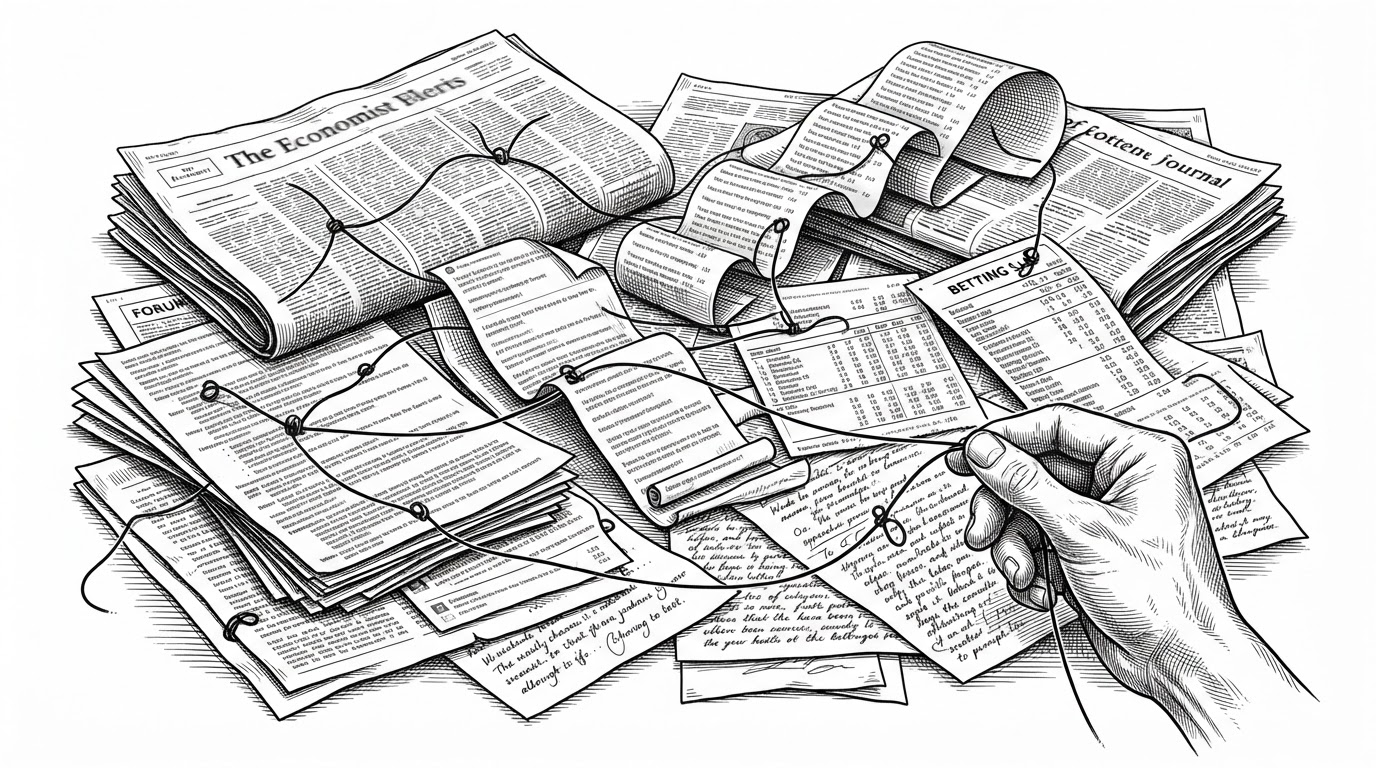
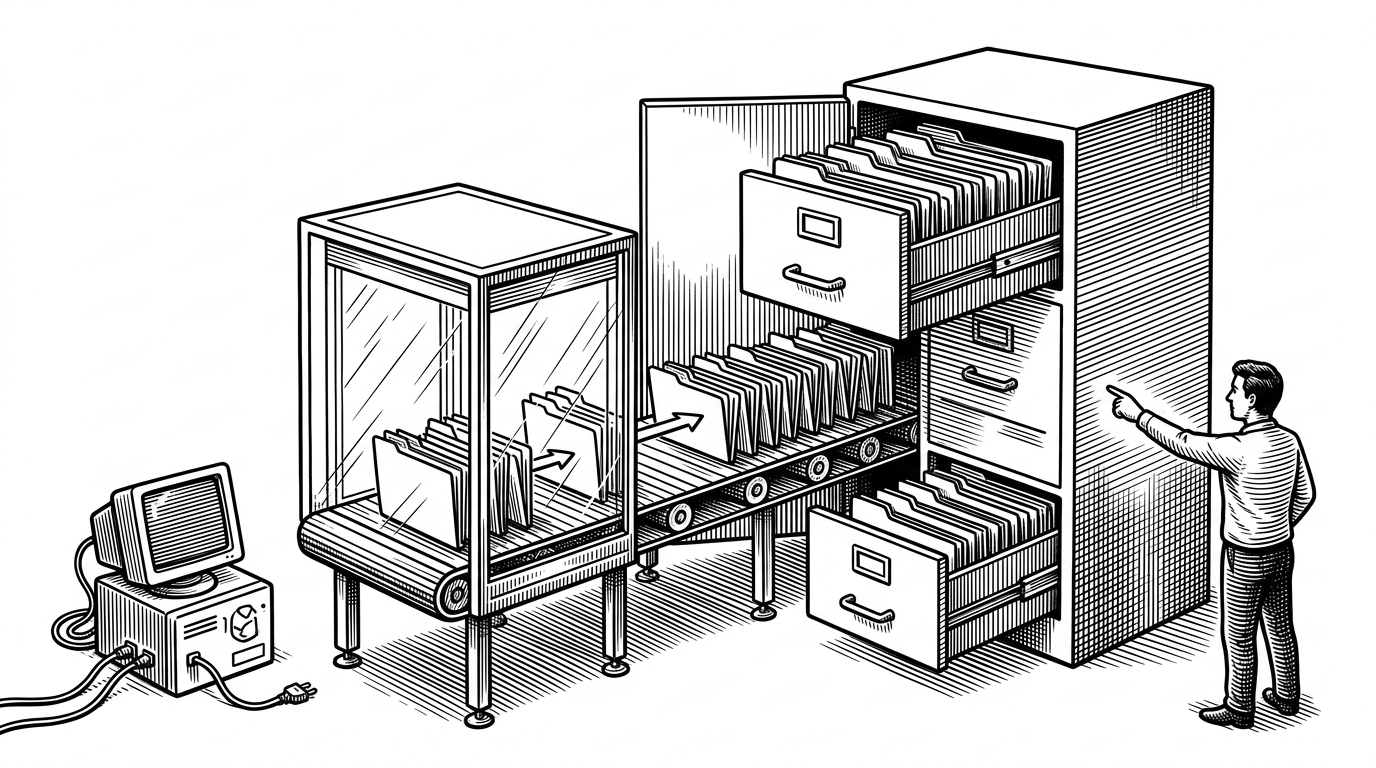
The biggest architectural move is state. Paperclip does not just return a result and forget it. It stores intermediate work server-side, so later commands can refer back to a prior set with --from. That turns literature search into a session with memory.
That matters because research is iterative. You do not just want to find papers. You want to trap a good lead, branch into multiple reading paths, and keep the trail intact while you narrow the question.
Paperclip’s session model also makes it easier for an agent to behave like a disciplined analyst instead of a random prompt generator. It can search, inspect, summarize, then revisit the same working set without rebuilding context from scratch.
Thin Client, Heavy Server
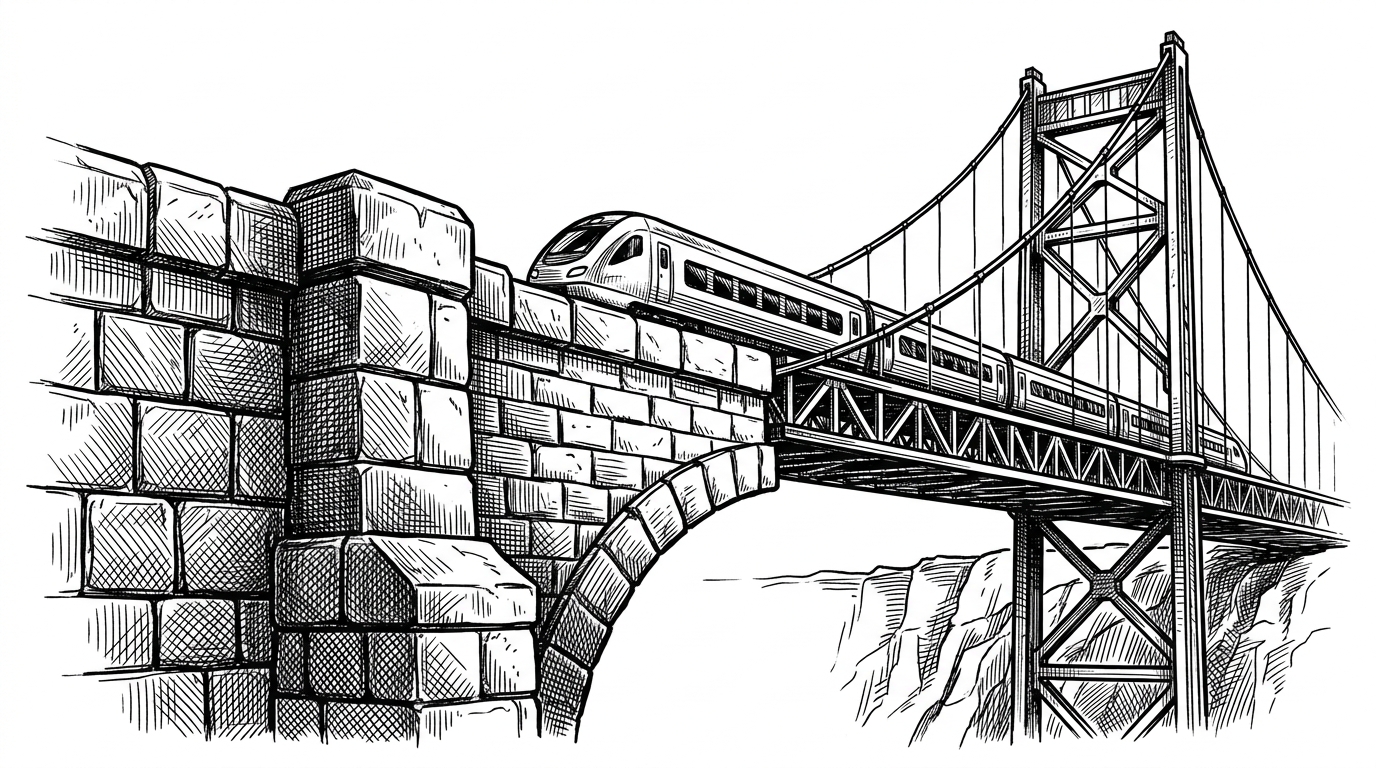
The repository’s Python CLI is intentionally thin. The local command layer sends work to the server, and the server does the real job: search, execution, indexing, and session management. That choice keeps the client simple and lets the backend evolve without forcing every user to chase a new release.
There is a fallback path too. The CLI can route through MCP when the REST endpoint is unavailable or when an agent wants the protocol-native path. That gives Paperclip two doors into the same workspace.
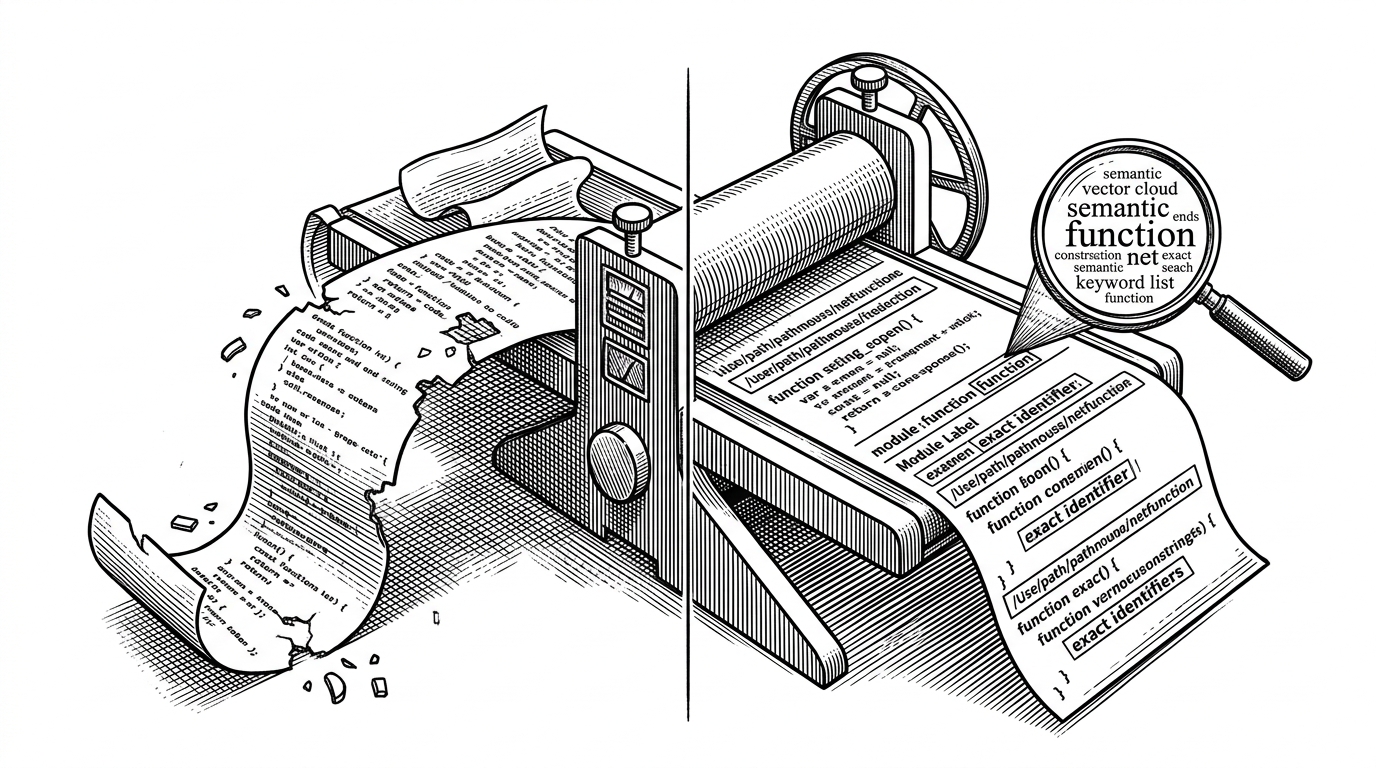
This is a smart tradeoff. Centralizing the heavy logic makes indexing and behavior consistent. It also means the product can improve server-side features like regex search or SQL access without turning the CLI into a maintenance burden.
Built for Agents, Not Just Humans
Paperclip is not hiding its audience. The project ships with agent-facing integration via skills, and it is explicitly meant to be usable from tools like Claude Code and Cursor. That puts it in the newer category of software that expects LLMs to be first-class operators, not just passengers.
That is also why the filesystem metaphor matters twice. Humans understand it immediately. Agents can use it as a compact action space. The same interface works as a mental model and as a tool contract.
The important part is not that the agent can issue commands. It is that the command surface is stable enough to support repeated exploration, which is where real analysis happens.
Search, Read, Synthesize
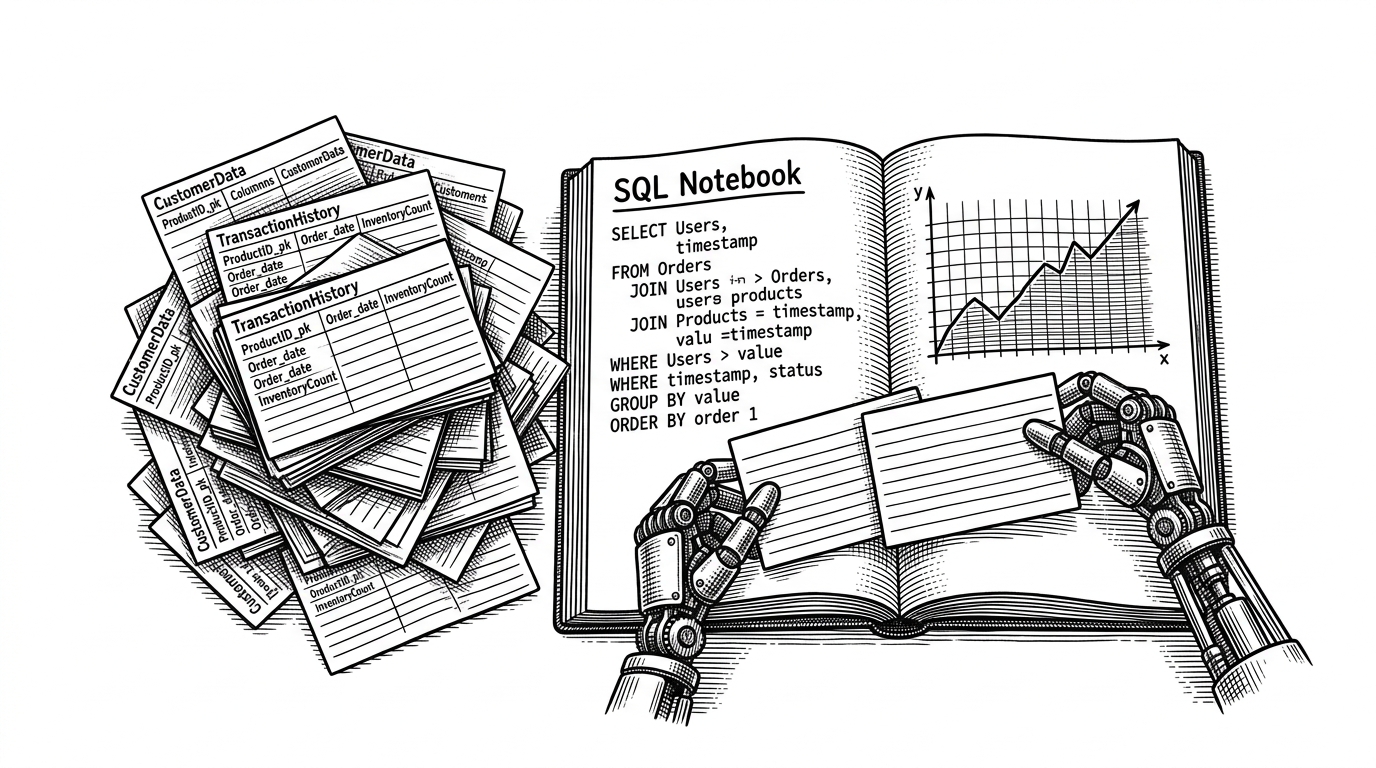
Paperclip pushes past retrieval. Commands like ask-image, map, and SQL access turn the corpus into a workflow engine. First you locate material. Then you inspect it. Then you ask the system to aggregate across a set, extract structure, or answer a question that spans many papers.
That sequence is the whole game. Search gets you candidates. Read gets you evidence. Synthesis turns evidence into a usable answer. Paperclip is trying to make those stages feel like one continuous motion instead of three different tools.
The image path is especially important. Biomedical literature is not just text, and a system that ignores figures leaves a lot of the real work on the table. By letting the workflow ask about images directly, Paperclip keeps multimodal analysis inside the same loop.
Security, Updates, and the Alpha Tradeoff
The repo also shows the unglamorous parts that make a system like this practical. Authentication uses OAuth with PKCE. Credentials are handled carefully. The updater checks versions and installs wheels with guardrails. Those pieces do not make the product exciting, but they make it survivable.
That said, the project is still clearly in alpha. That is not a knock. It is a fact that should shape how you read every strong claim. The ambition is obvious. The operational polish is still being earned.
For a tool this wide in scope, that honesty matters. A corpus workspace is only useful if users trust it enough to keep coming back with real work.
What Paperclip Is Actually Competing With
| Competitor | Strength | Gap Paperclip Tries to Close |
|---|---|---|
| Traditional search UI | Fast discovery | Weak continuity across reads and branches |
| Chat-first research tools | Low friction conversation | State, provenance, and shell-like control can be thin |
| Local PDF shell workflows | Maximum flexibility | Brittle at corpus scale and hard to standardize |
| Paperclip | Stateful corpus workspace | Still narrowing the gap between search, reading, and synthesis |
The real competition is the default research habit. Open a browser. Search. Open a PDF. Copy notes elsewhere. Repeat. Paperclip is trying to collapse that loop into a single workspace where context survives long enough to matter.
If it works, the shift is bigger than literature search. It becomes a template for any giant corpus that needs to feel local, stateful, and agent-ready at the same time.