repo-explainer: Repo Explainer: The Anti-RAG Tool That Reads the Whole Codebase
A tiny Streamlit app uses Gemini 1.5 Pro’s massive context window to turn an entire GitHub repo into something you can interrogate like a senior engineer.
- Repo Explainer treats a whole repository as prompt material, which makes global architecture questions easier than snippet retrieval.
- Its simplicity is the point: one ingestion pass, one long context string, one model conversation.
- That design works best for small and medium repositories where full-context reasoning still fits inside the token budget.
- The project is a compact argument that context windows are becoming a real software primitive, not just a nicer interface for search.
The Whole Repo in the Prompt
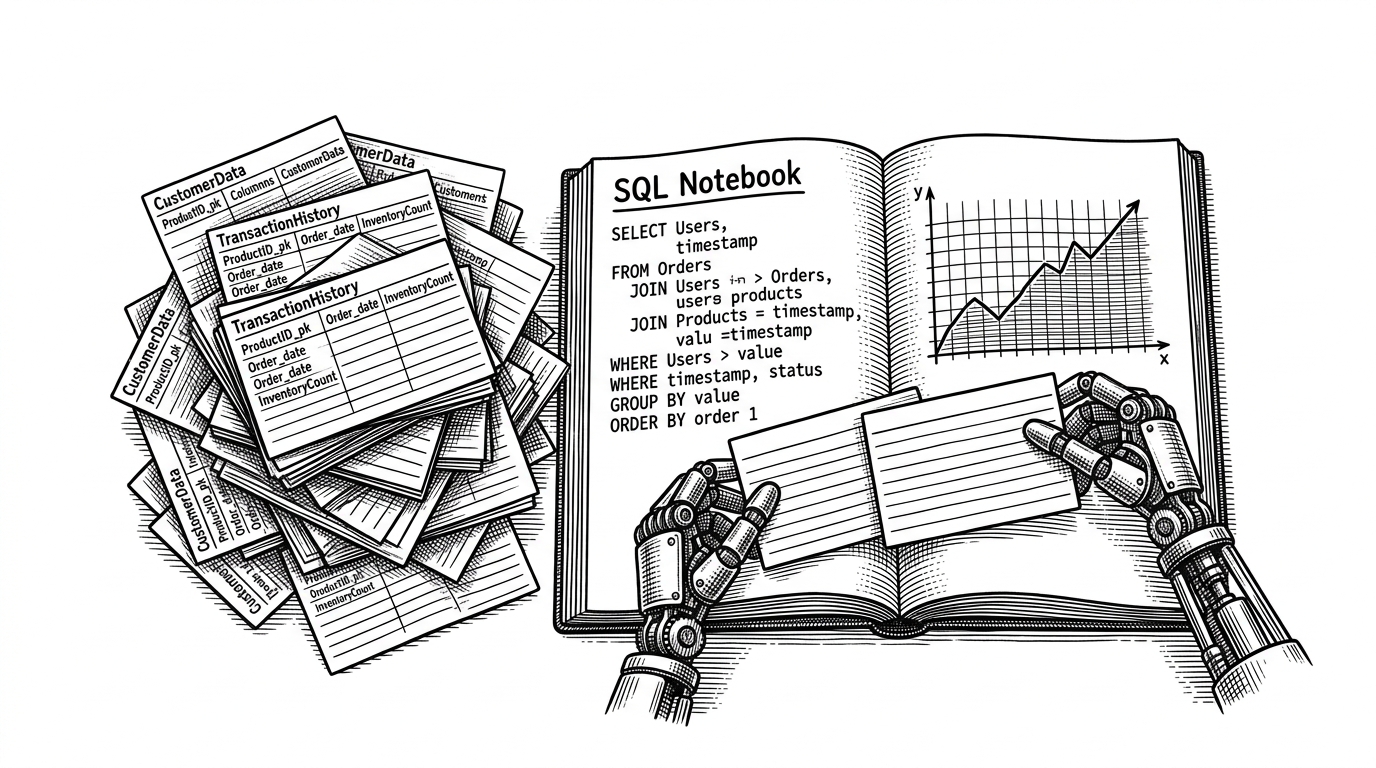
Repo Explainer is built on a blunt but unusually elegant bet. It does not chunk a repository, embed the chunks, and hope retrieval finds the right ones. It pulls in the README, the tree, and the relevant files, then gives Gemini 1.5 Pro the whole package.
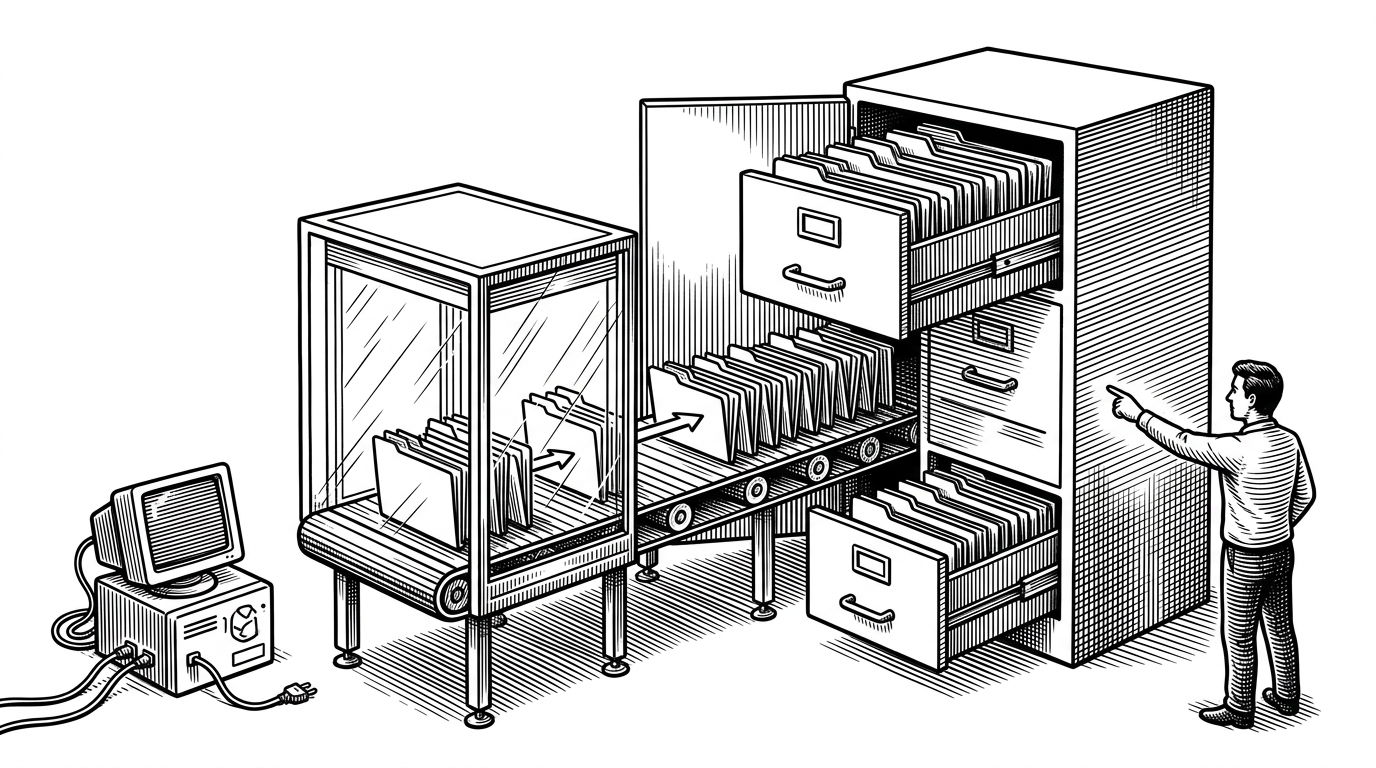
That changes the product. Search-based tools optimize for the best fragment. Repo Explainer optimizes for the most complete mental model. For architecture questions, that is often the better trade.
Chat with a repo by adding the entire repo to gemini 1.5 pro's 1M context window 🔥
Why This Beats Search for Small and Medium Repos
RAG shines when the corpus is too large to hold in memory and you need targeted retrieval. Repo Explainer is tuned for the opposite case. It wants the model to see enough of the repo at once to reason across files, entry points, and dependencies without making a guess about what might matter.
| Dimension | Repo Explainer | Typical RAG repo chat |
|---|---|---|
| Context strategy | Load the repository into one prompt | Retrieve a few likely chunks |
| Cross-file reasoning | Strong, because the model sees more of the system at once | Weaker, because important links can sit in different chunks |
| Setup complexity | Low | Higher, because embeddings, indexes, and retrieval logic are needed |
| Cost per question | Higher for each query | Lower per query, usually |
| Best fit | Small to medium repositories | Large repositories and broad corpora |
| Failure mode | Token limits and slower ingestion | Missed dependencies and incomplete answers |
How utils.py Builds Context Without Getting Fancy
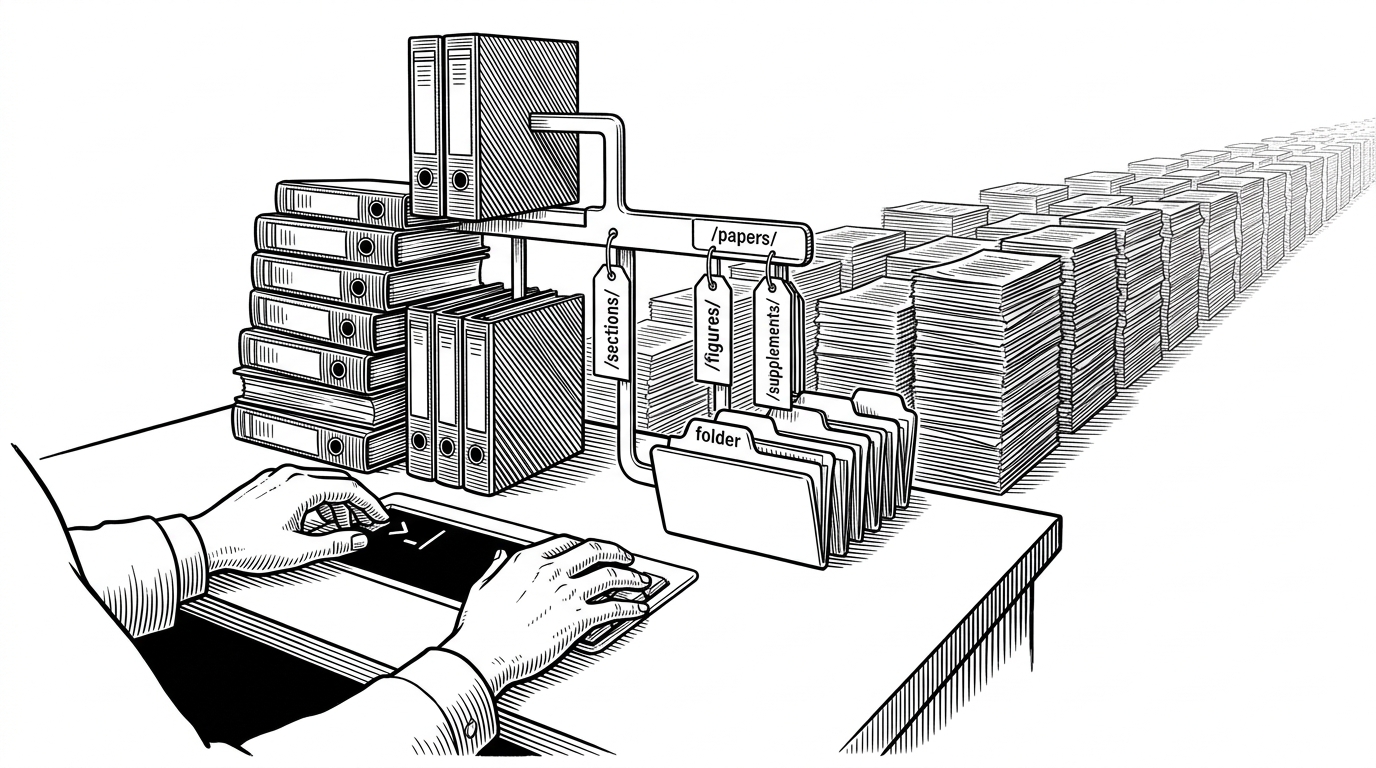
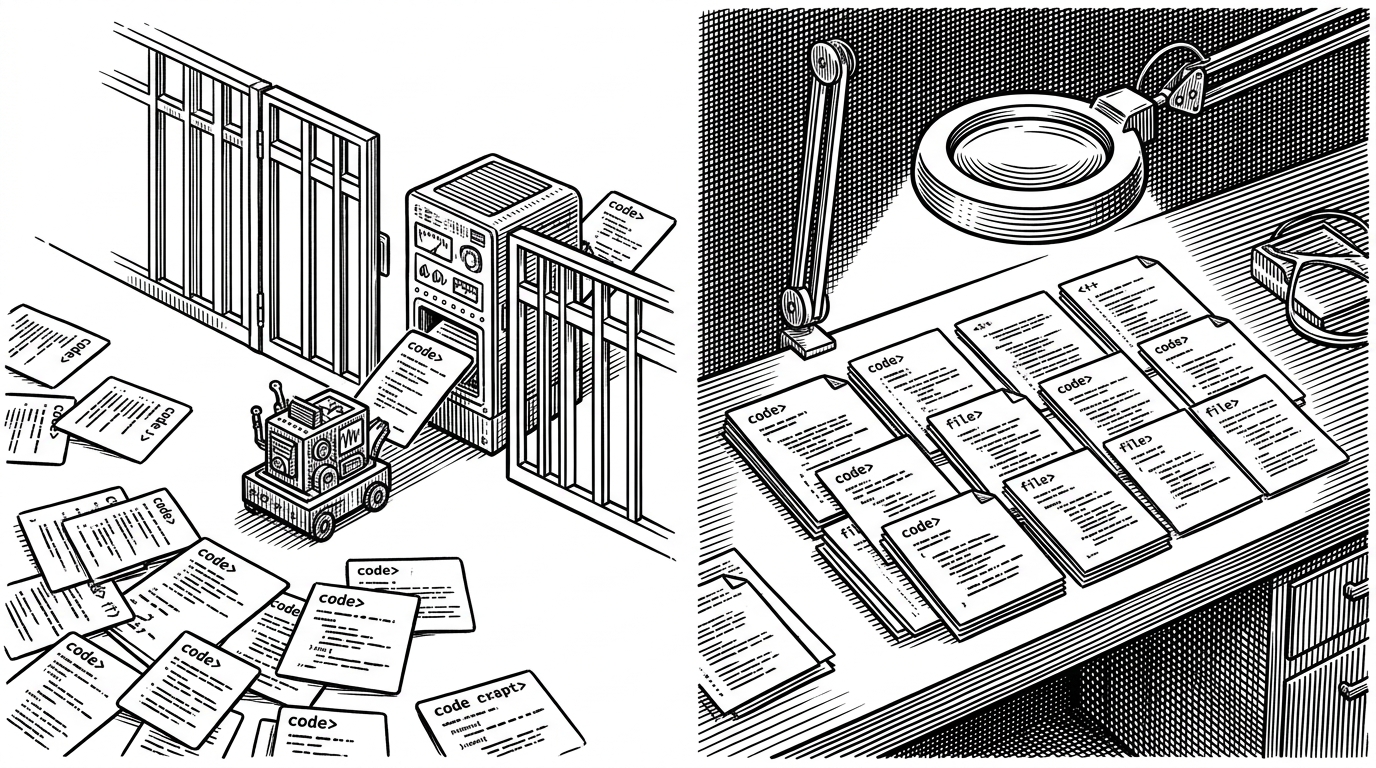
The real trick lives in `utils.py`, and it is almost aggressively plain. `build_directory_tree` walks the repository recursively, filters out noisy paths such as `.github`, and collects file paths it considers relevant. That gives the model both a map and the raw material to fill it in.
`retrieve_github_repo_info` then does the obvious thing in the right order. It fetches the README first, appends the tree, and then streams in the source files. The result is not magic. It is disciplined ordering.
def retrieve_github_repo_info(repo_url):
    readme = fetch_readme(repo_url)
    tree, file_paths = build_directory_tree(repo_url)
    repo_context = readme + "\n" + tree

    for path in file_paths:
        repo_context += fetch_file_contents(repo_url, path)

    return repo_context
Generating illustration...
How app.py Makes the Experience Feel Instant
`app.py` is less interesting visually, but it matters a lot. It keeps repository content in session state so the app does not keep refetching the same GitHub data for every turn of the conversation. That is what makes the tool feel like a chat session instead of a batch job.
It also streams responses with a typing effect, which hides some of the latency that comes with large-context inference. In a product like this, perceived speed is part of the architecture.
The Tradeoff: Cost, Latency, and Repo Size
The project is persuasive because it is honest about its limits. Full-context prompting is expensive. It can run into token ceilings. And sequential GitHub fetching will slow down as repos get larger or messier.
That is not a flaw in the concept. It is the boundary of the design. Repo Explainer is optimized for the class of repositories where the whole codebase still fits inside a very large context window and where architecture questions matter more than pinpoint search.
| Constraint | What happens | Why it matters |
|---|---|---|
| Large repositories | Token ceilings become a real risk | The whole-repo strategy stops being reliable |
| GitHub fetching | Sequential requests can feel slow | Ingestion latency becomes visible to the user |
| Cost | Every query pays for a lot of context | The tool is not ideal for high-volume usage |
| Noise | Irrelevant files still need filtering | Context quality depends on curation, not just size |
What This Project Suggests About the Future of Code Tools
Repo Explainer points to a bigger shift in developer tooling. As context windows grow, more products will stop treating retrieval as the default move. The new question is whether the model can safely hold enough of the system in working memory to reason like a teammate instead of a search engine.
That does not kill RAG. It narrows its job. For small and medium repos, completeness can beat cleverness. And this project is a neat proof that the simplest architecture is sometimes the strongest one.