zotero-notebooklm-skill: The Missing Link in the AI Research Stack
How a lean Claude Code skill automates the leap from curated citations to synthesized insights.
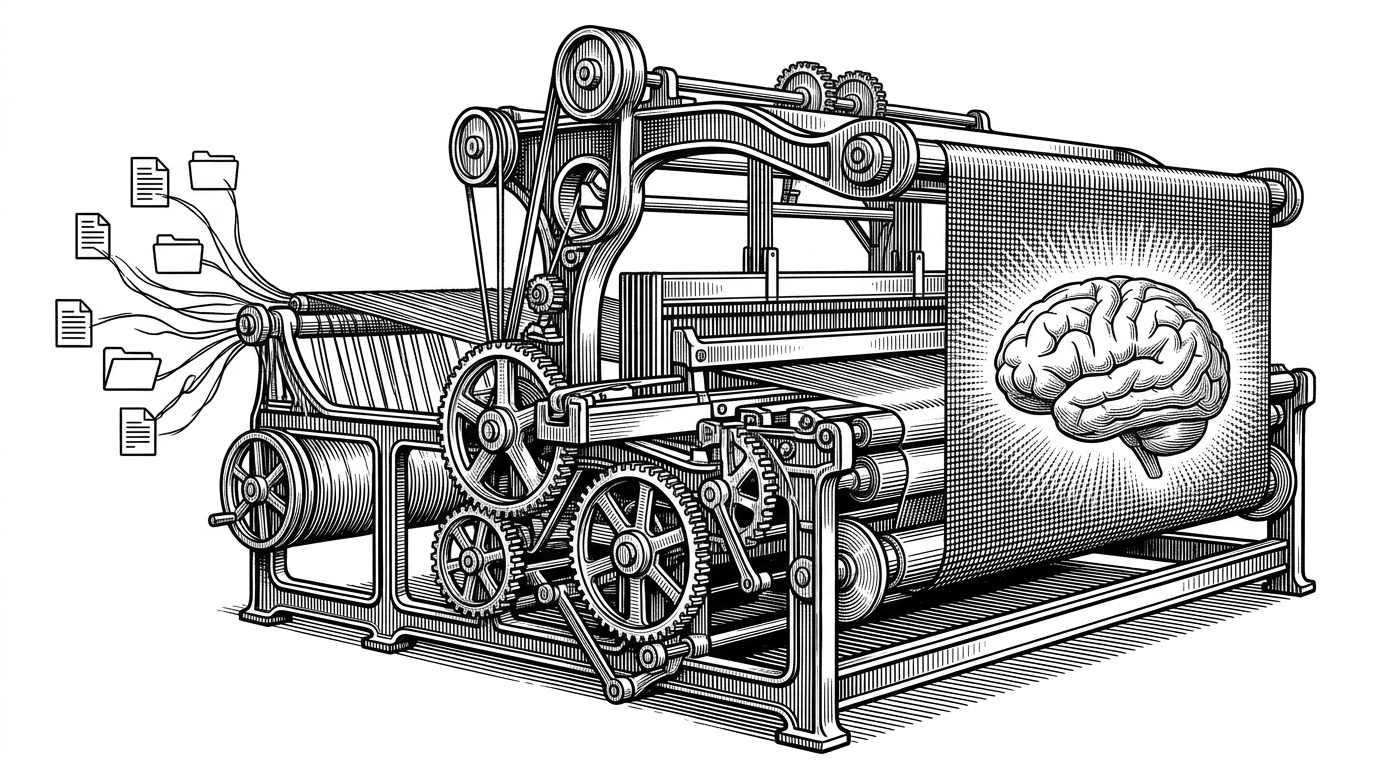
- This tool uses the Model Context Protocol to bridge local Zotero databases with cloud-based NotebookLM instances.
- The skill preserves intellectual context by uploading researcher annotations as distinct data sources from the original PDFs.
- A bidirectional loop allows the AI to identify literature gaps and save new research papers directly back to the local Zotero library.
- The architecture replaces manual document uploads with an automated orchestration layer managed through Claude Code.
The End of the Manual Upload
Researchers face a constant friction point in the modern AI stack. Papers and metadata live in structured, local databases like Zotero, while the actual synthesis and reasoning happen in isolated AI environments like Google NotebookLM.
Bridging this gap usually requires tedious manual labor. Users download PDFs, drag them into web interfaces, and copy-paste their notes. In this manual transition, the structured metadata is often lost, and the context becomes flattened.
MCP as the Universal Joint
The zotero-notebooklm-skill repository introduces a different approach. Rather than building a monolithic application, it acts as a lightweight orchestration layer for Claude Code.
By leveraging the Model Context Protocol (MCP), the skill commands two independent servers that are entirely unaware of each other. It fetches data from a local Zotero SQLite database and pipes it directly into a cloud-based NotebookLM instance.
1. zotero.get_collections
2. notebooklm.notebook_create
3. zotero.get_collection_items
4. notebooklm.source_add
Beyond Files: Syncing the Researcher's Ghost
Moving files is trivial, but moving knowledge requires nuance. This skill explicitly separates the raw text of a paper from the researcher's own highlights and annotations.
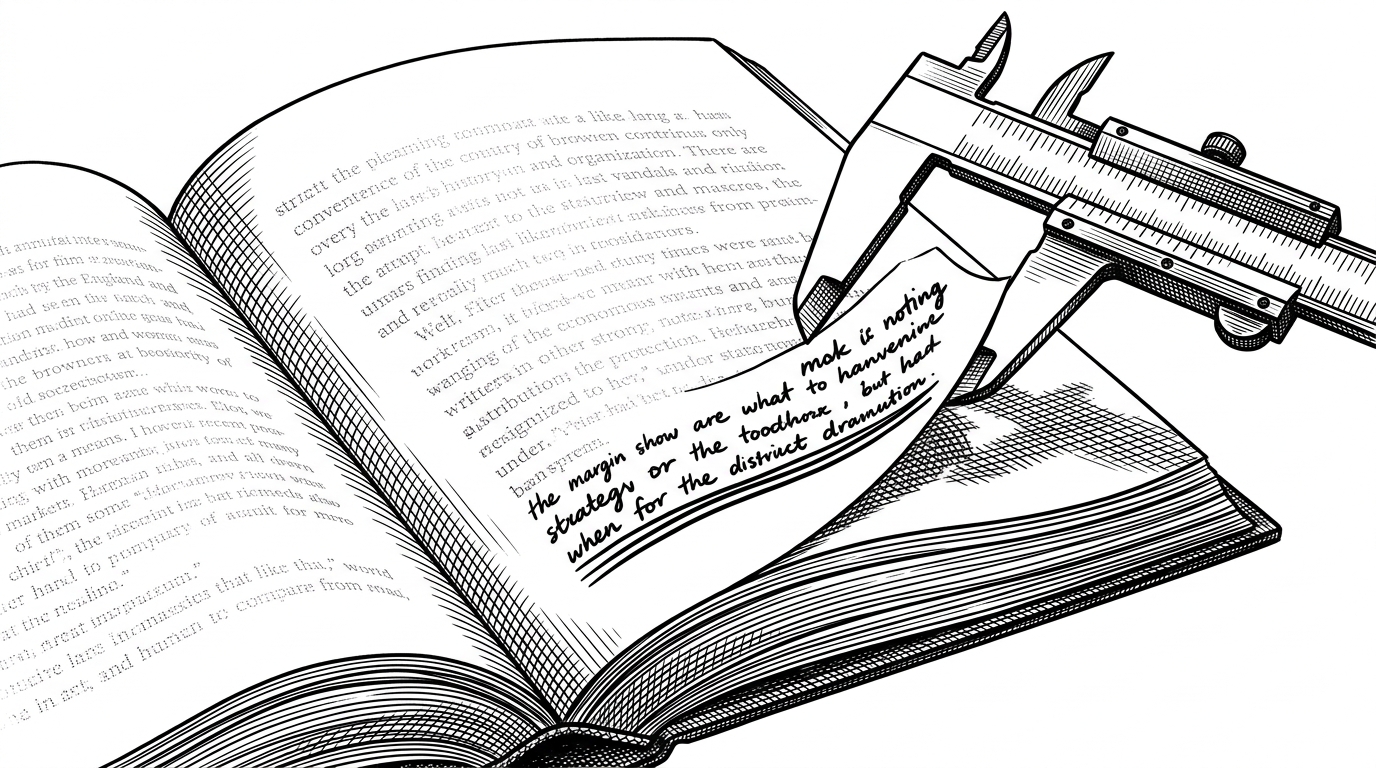
By uploading these annotations as distinct context sources, the AI can differentiate between the original author's claims and the reader's ongoing hypotheses. The system syncs not just the document, but the researcher's intellectual footprint.
Closing the Loop with Deep Research
The pipeline is not a one-way street. The skill includes an expansion command that prompts the AI to identify gaps in the current literature collection.
| Traditional Workflow | MCP Orchestration Pipeline |
|---|---|
| Manual PDF uploads to a web UI | Automated syncing via CLI commands |
| Annotations merged with source text | Annotations uploaded as distinct context sources |
| One-way data flow to the AI | Bidirectional sync writing new papers back to local Zotero |
| Limited by browser memory and UI | Headless execution leveraging full MCP capabilities |
Once gaps are identified, the AI conducts deep research, finds missing papers, and uses Zotero's local creation tools to save them back to the user's database. This completes a bidirectional loop, transforming the AI from a passive reader into an active research assistant.