Requests and Offers: How a Holochain Marketplace Becomes Trustworthy Without a Server
A deep dive into the integrity/coordinator split, the link graph behind discovery, and the accountability tradeoffs in an agent-centric bulletin board.
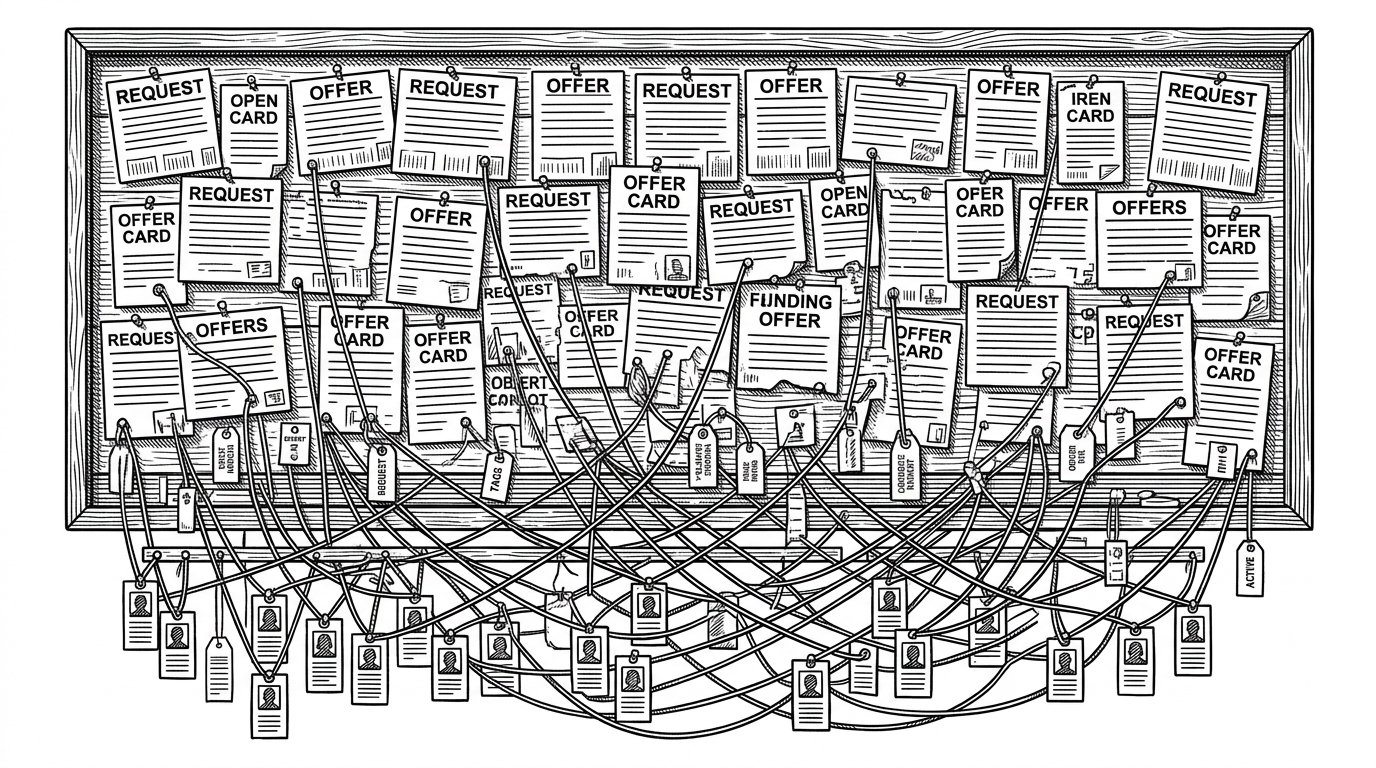
- Requests and Offers treats trust as infrastructure, using validation rules and links to make a marketplace searchable without a central server.
- The project is intentionally opinionated about identity and deletion, choosing durable profiles and soft deletes over convenience.
- Discovery is not powered by queries in a database, but by a link graph that acts like the network’s index.
- The Holochain split between integrity and coordinator zomes keeps rules immutable while letting the app layer compose behavior.
The most interesting thing about Requests and Offers is not that it lets people post listings. It is that it makes those listings trustworthy without a server, a global database, or a platform owner deciding what stays visible.
The repo is a Holochain hApp for a peer-to-peer bulletin board. Its own README calls it a simple peer-to-peer bulletin board for the Holochain community, but that undersells the design. What matters is the way it turns validation, identity, and links into the machinery of a marketplace.
Requests And Offers is a hAppenings.community project to facilitate exchange between Holochain creators, developers, advocates, projects and organisations! It's an agent-centric, distributed marketplace of requests and offers built with Holochain.
A marketplace where trust is a data structure
In most marketplaces, trust is bolted on after the fact. Moderation, search ranking, identity checks, and report buttons sit on top of a central backend that still owns the rules. Here, the trust model is the product.
That shows up immediately in the data model. Requests are not just records. They are validated objects that must satisfy integrity rules before they can exist, and then they are linked into a graph that makes them discoverable by other agents.
Identity is not optional here
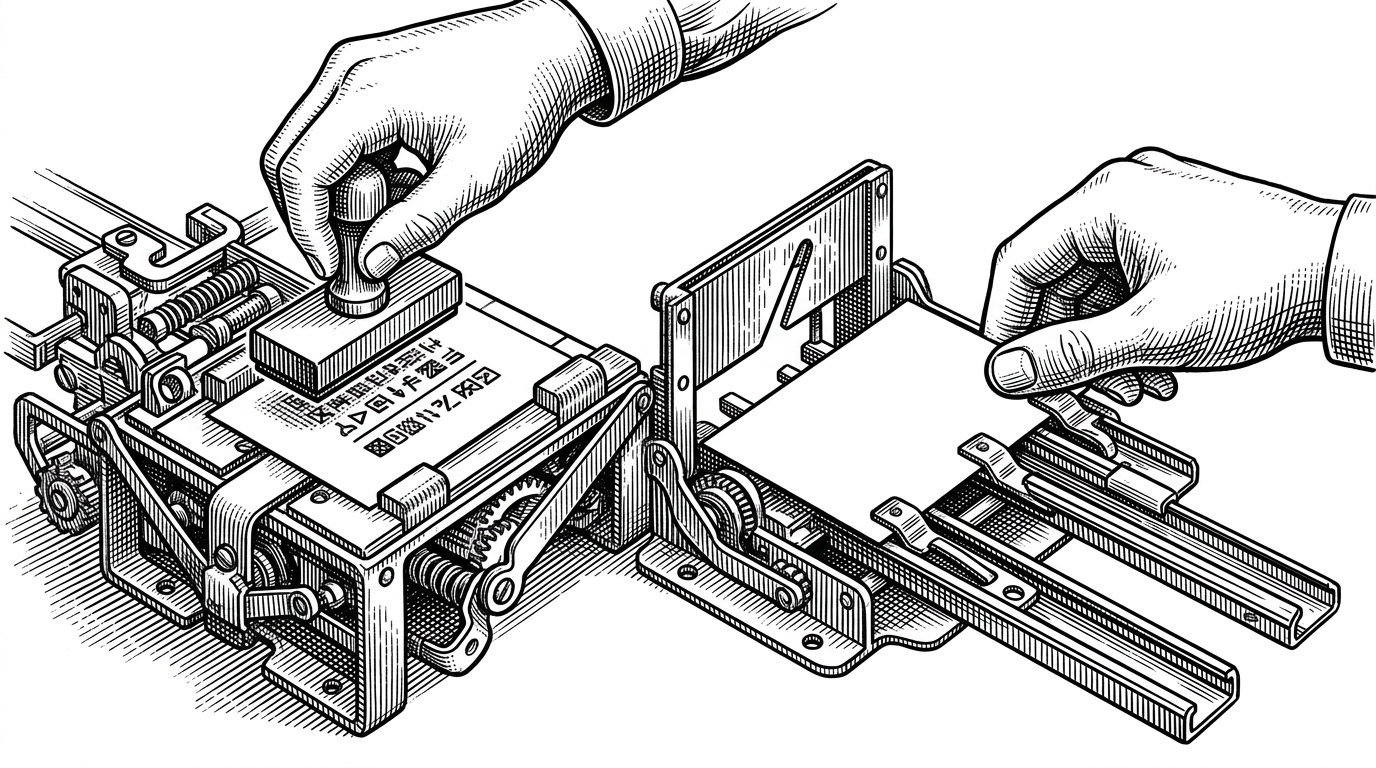
The sharpest choice in the repo is the way it treats identity. User profiles are not disposable, and deletion is not treated as a casual escape hatch. That is unusual in consumer software, but it makes sense in a peer-to-peer system where accountability is part of the contract.
The research notes point to a `validate_user` rule that enforces profile shape and a `validate_delete_user` path that returns invalid. In plain English: if you join the system, you are not meant to vanish cleanly. The ledger preserves responsibility even when the UI hides a listing.
// Conceptual shape of the validation logic
pub fn validate_user(user: User) -> ExternResult<ValidateCallbackResult> {
    // enforce profile constraints and user_type rules
    // creator or advocate only
    Ok(ValidateCallbackResult::Valid)
}

pub fn validate_delete_user(_action: Delete) -> ExternResult<ValidateCallbackResult> {
    Ok(ValidateCallbackResult::Invalid(
        "user profiles are not deletable".into()
    ))
}
This project is in alpha and is not production ready. Expect breaking changes, incomplete features, and potential instability. Use at your own risk.
Discovery happens through links, not queries
This is the core trick. In a central app, discovery is usually a query against a database index. In Holochain, the index is a set of links distributed across the network. Requests and Offers leans hard into that model.
When a request is created, the coordinator logic links it to the active requests path, the creator profile, and the relevant service and exchange types. Those links are not decoration. They are the route by which the UI and other agents find the entry later.
| Dimension | Centralized marketplace | Requests and Offers |
|---|---|---|
| Data ownership | Platform owns the database | Agents own their entries |
| Validation | Server-side policy after submit | Integrity rules before and during commit |
| Discovery | SQL queries and search indexes | Distributed links and active paths |
| Identity | Accounts can be reset or removed | Profiles are durable and accountable |
| Deletion | Hard delete is common | Soft delete preserves history |
| Best fit | Broad consumer scale | Community exchange with strong accountability |
Integrity says what can exist. Coordinator says what the app can do.
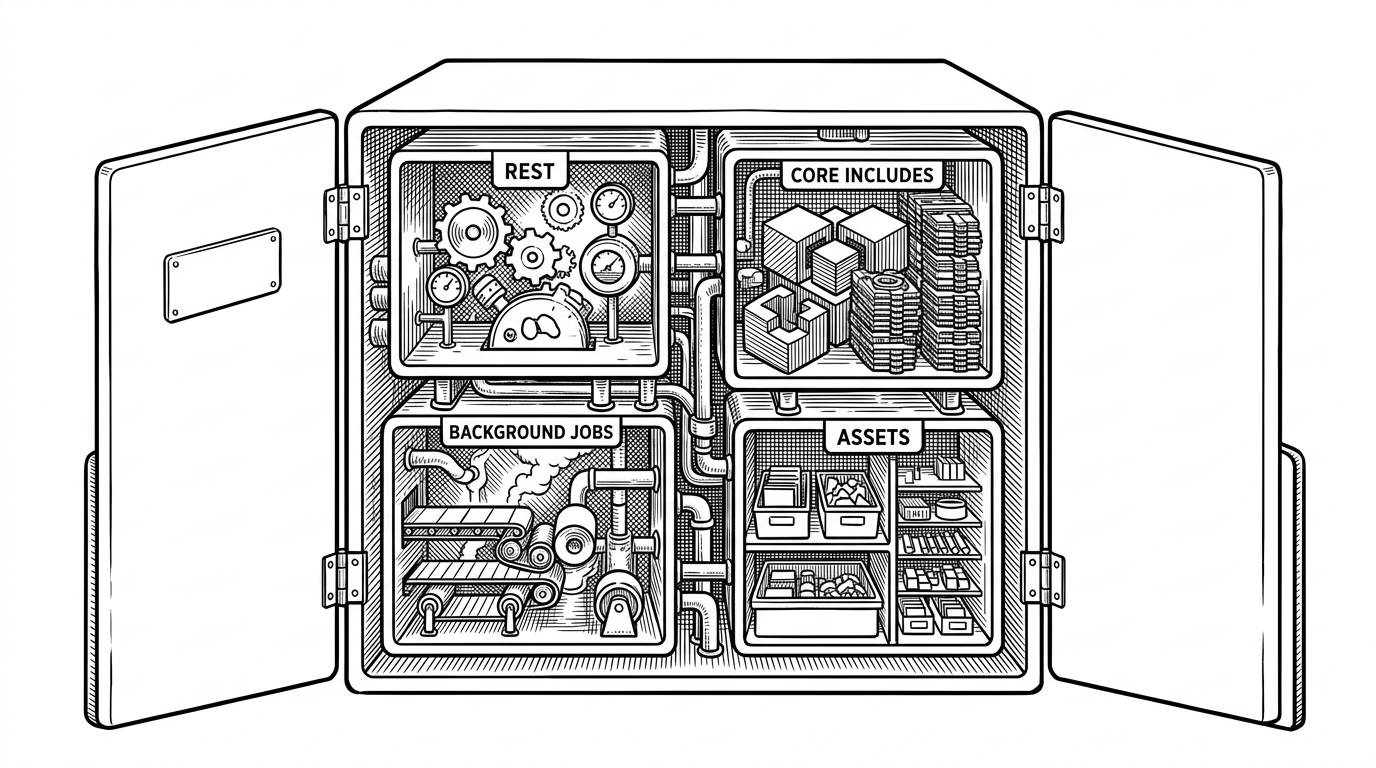
The Holochain split is what makes the whole project legible. Integrity zomes define the rules that cannot be bypassed. Coordinator zomes handle app behavior, linking, and orchestration. One answers "is this valid?" The other answers "what should happen next?"
That division matters because it keeps the network coherent without forcing every decision into global consensus. The rules live where they can be enforced consistently. The behavior lives where the app can evolve.
// Conceptual flow
let request_hash = create_entry(&request)?;
create_link(active_path_hash, request_hash, LinkTypes::ActiveRequest, ())?;
create_link(agent_profile_hash, request_hash, LinkTypes::CreatedBy, ())?;
create_link(request_hash, service_type_hash, LinkTypes::HasServiceType, ())?;
create_link(request_hash, medium_hash, LinkTypes::HasMediumOfExchange, ())?;
That flow explains why the repo feels opinionated without being rigid. The integrity layer constrains what can be true. The coordinator layer turns truth into a usable marketplace.
Soft deletes in a permanent ledger
The project’s `Deleted` status is a practical compromise. It acknowledges that Holochain entries are not the same as rows in a mutable table, while still giving the UI a way to retire stale or withdrawn listings.
That is a better model than pretending deletion erases history. The underlying entry remains part of the system. What changes is its prominence, which is exactly what a peer-to-peer community board needs.
In other words, permanence is not the same as visibility. The repo separates those two concerns cleanly.
Why the frontend is so opinionated
The UI is not just a thin shell. It uses a 7-layer Effect-TS architecture, which is a serious answer to a serious problem: asynchronous networked state gets messy fast, especially when your app is talking to a distributed system instead of a single API.
That structure is less about fashion than containment. Dev features, environment toggles, and effect-driven boundaries keep the development experience controllable while the system underneath stays decentralized.
| Concern | Ad hoc frontend | Effect-TS layered UI |
|---|---|---|
| Side effects | Spread through components | Managed at service boundaries |
| Testing | Hard to isolate | Layers are easier to mock |
| Network complexity | Leaks into view logic | Contained in dedicated layers |
| Developer mode | One big debug switch | Fine-grained dev feature control |
What this repo is really competing with
The obvious comparison is with Discord channels, Slack workspaces, forums, and ordinary community boards. Those tools are easier to start, easier to delete, and easier to centralize. They also make the platform the owner of the conversation.
Requests and Offers is aiming at a narrower job. It is not trying to be a general marketplace empire. It is trying to be a trustworthy exchange layer for a community that values autonomy and shared rules.
That puts it closer to a design principle than a product category. The goal is not maximum convenience. It is credible exchange without a single point of control.
The bigger bet
This repo is a credible experiment in how a market can exist when no one owns the server. It is still alpha, still rough, and still clearly shaped by the needs of its own ecosystem. That is also why it is interesting.
Most software treats identity as flexible, deletion as simple, and discovery as a database problem. Requests and Offers makes the opposite bet: keep identity durable, keep history visible, and make the graph do the work.
A simple peer-to-peer bulletin board for the Holochain community, enabling creators, developers, and organizations to post requests and offers for services, skills, and resources with direct contact facilitation.