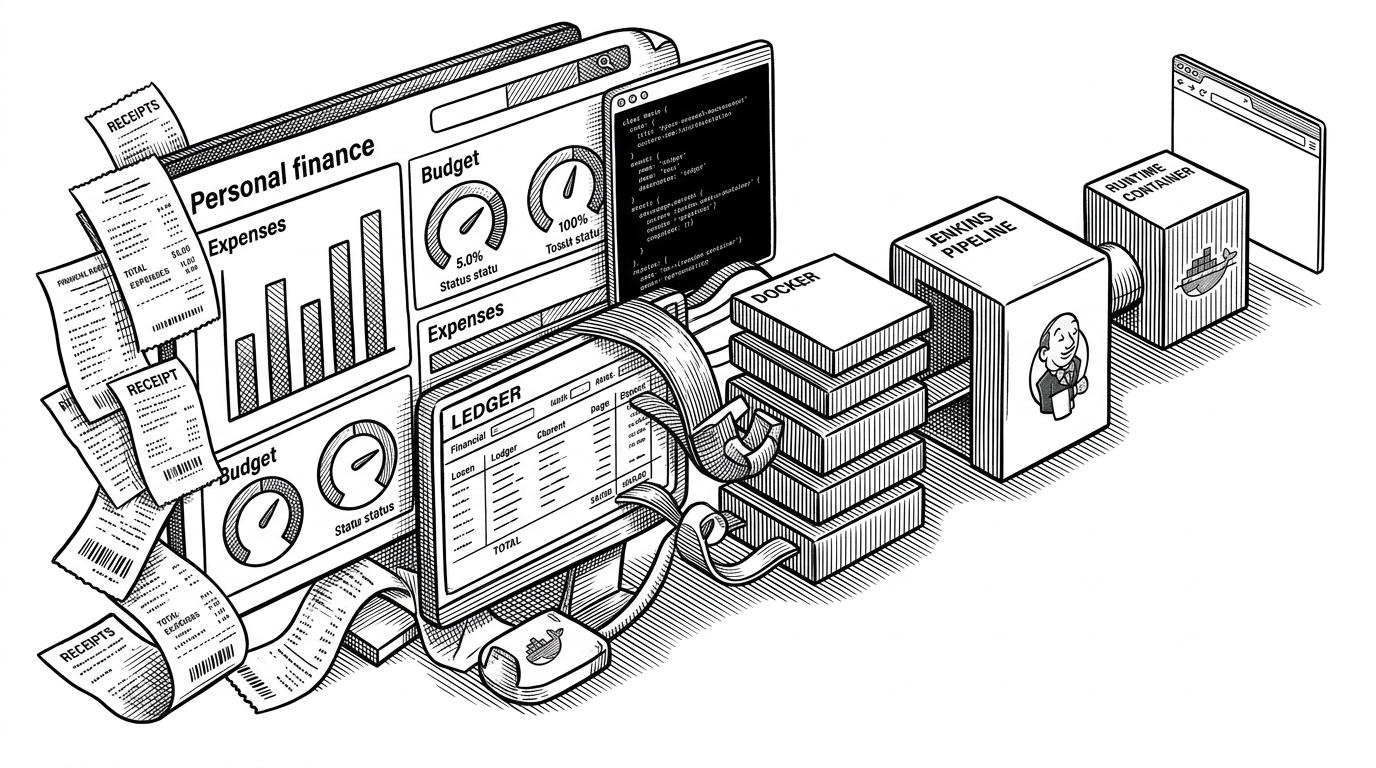
ReClip: The Tiny Self-Hosted Wrapper That Makes `yt-dlp` Feel Like a Product
A single-file Flask backend, a vanilla HTML frontend, and a surprisingly polished workflow for bulk media downloads without the SaaS junk.


A self-hosted, open-source video and audio downloader with a clean web UI. Paste links from YouTube, TikTok, Instagram, Twitter/X, and 1000+ other sites — download as MP4 or MP3.
- ReClip’s value is not that it downloads media, but that it turns a difficult CLI workflow into a private browser product with almost no architectural weight.
- Its flat stack, one Python backend, one HTML frontend, and one bootstrap script, is the strategy, because it keeps the tool hackable and easy to host.
- The backend uses threading, polling, and `yt-dlp` metadata parsing to make long-running downloads feel simple without introducing a queue system.
- ReClip is strongest as a personal utility, where ephemeral job state and minimalism are tradeoffs that reduce friction instead of creating it.
Why ReClip Exists
Public downloader sites are a bargain with bad terms: ads, sketchy redirects, brittle behavior, and a UI that treats your attention like inventory. ReClip answers with something almost stubbornly modest. It is a private downloader you host yourself, so the workflow stays inside your own machine, your own browser, and your own rules.
That matters because the hard part of media downloading is no longer the download itself. `yt-dlp` already solved that. The real problem is wrapping a powerful terminal tool in a surface that normal people can use without learning a new command language.
The Smallest Possible Product Layer
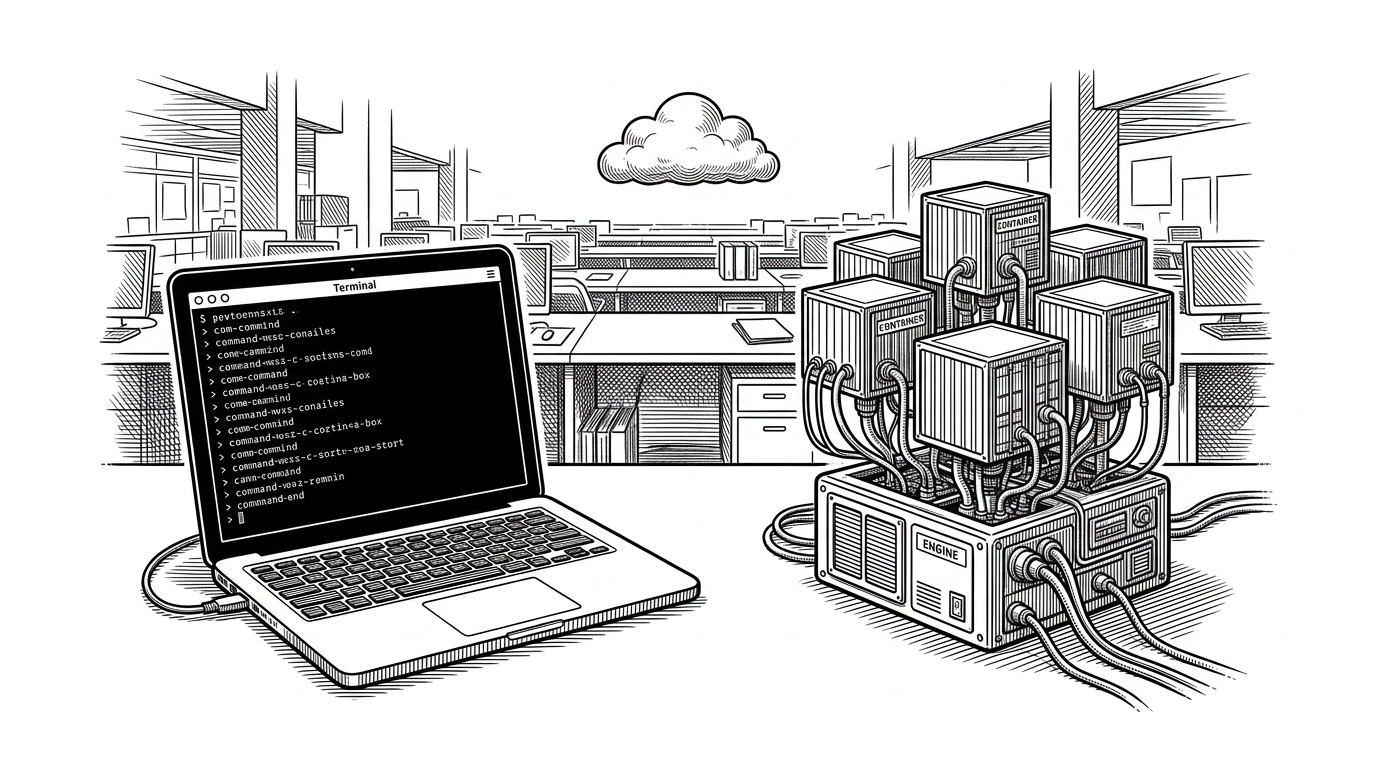
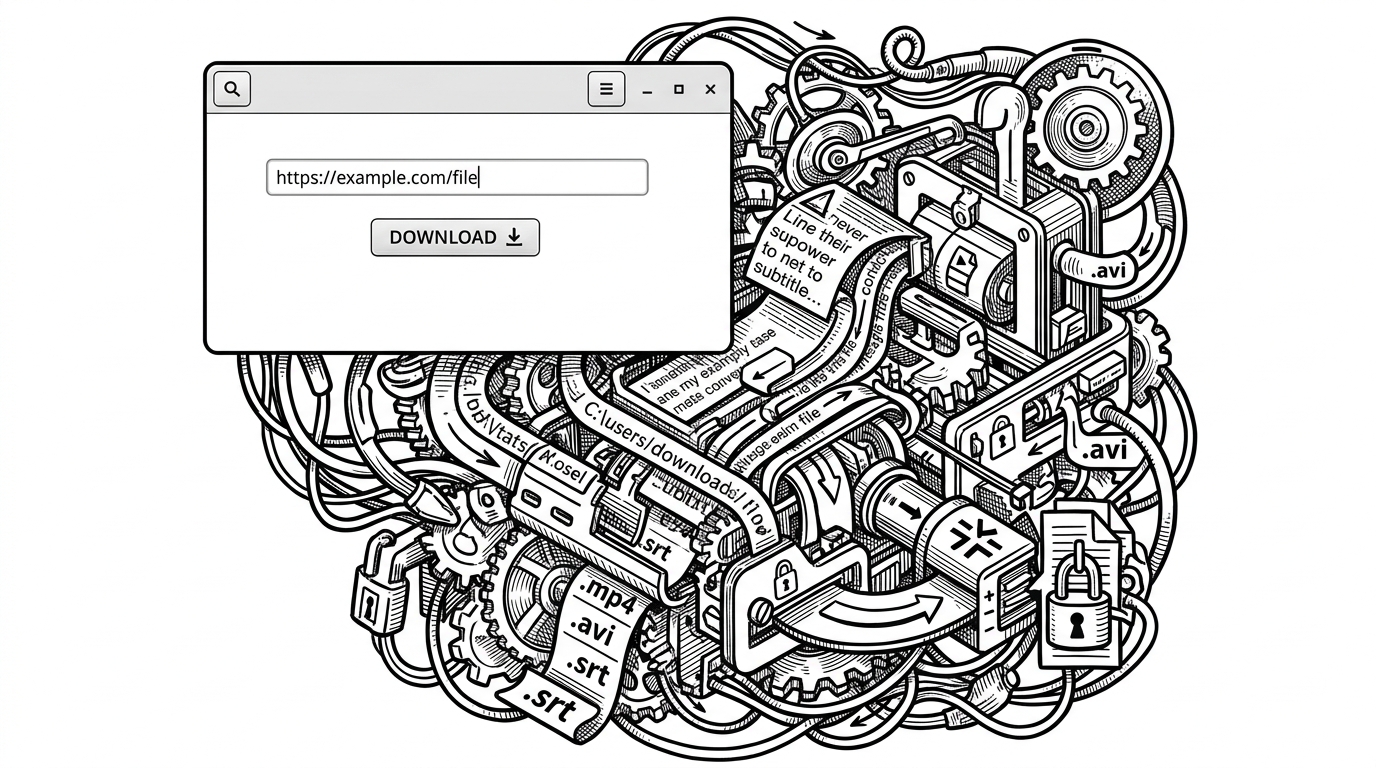
ReClip does not compete with `yt-dlp`. It sits on top of it. That distinction is the whole project. Instead of rebuilding format detection, extraction, or transcoding, it focuses on the layer users actually touch: URL input, quality selection, download status, and a file that lands where expected.
| Dimension | Direct `yt-dlp` | ReClip | Heavier self-hosted frontends | Ad-supported conversion sites |
|---|---|---|---|---|
| Setup friction | High for non-terminal users | Low | Medium to high | Low at first, then annoying |
| UI friendliness | Sparse | Polished but minimal | Feature-rich | Unstable |
| Privacy | Local | Local | Local | Weak |
| Codebase complexity | None for the user, all in the CLI | Very small | Larger service layer | External and opaque |
| Extensibility | Scriptable | Easy to edit | Often configurable | None |
| Restart behavior | Depends on the shell session | Ephemeral job state | Usually more durable | Not applicable |
The comparison makes the niche obvious. ReClip is not trying to be a universal media platform. It is trying to be the right shape for one person, or a small household, that wants a clean wrapper around a trusted engine.
How the Backend Cheats, Beautifully
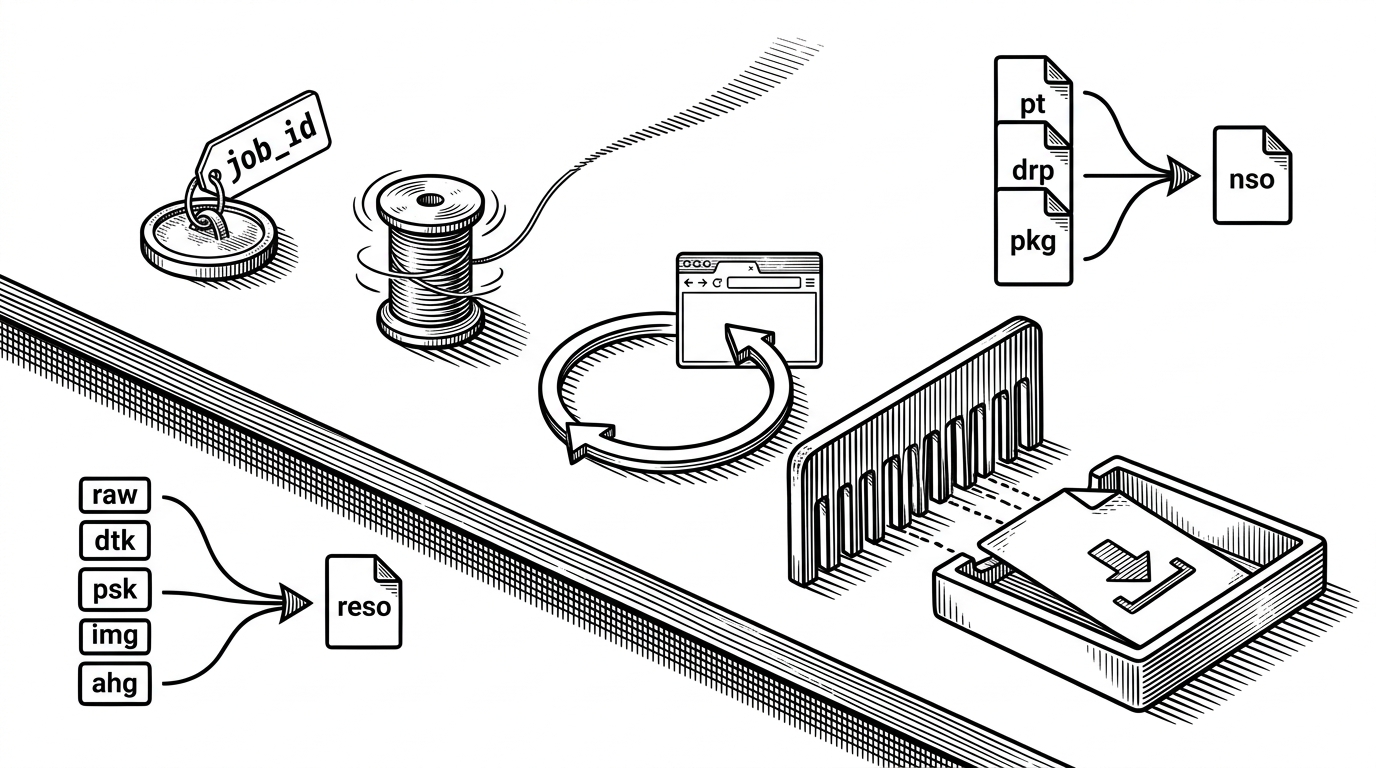
The backend is elegant because it refuses to become a platform. A browser request creates a short `job_id`, a background thread handles the work, and the client polls for status until the download finishes. That is enough coordination to feel like an app, but not enough machinery to feel like infrastructure.
job_id = uuid.uuid4().hex[:10]
jobs[job_id] = {"status": "queued"}
threading.Thread(target=run_download, args=(job_id, url, format_id), daemon=True).start()
return jsonify({"job_id": job_id})

@app.get('/api/status/<job_id>')
def status(job_id):
    return jsonify(jobs.get(job_id, {"status": "not_found"}))

# inside get_info()
best_by_height = {
    f.get('height'): f.get('format_id')
    for f in formats
    if f.get('height') and f.get('vcodec') != 'none'
}
The important move is not threading by itself. It is the way `yt-dlp --json` gets turned into a friendlier decision surface. Raw format codes become human labels like 1080p or 720p, which is exactly the kind of translation a product layer should do.
The Frontend Is the Real Product
ReClip feels polished because the frontend carries more meaning than its size suggests. A single HTML file, a few native fetch calls, and some careful CSS do most of the visible work. The point is not novelty. It is removing friction until the interface feels obvious.
That is where the project earns trust. The bulk URL flow is straightforward, the loading states are clear, and the visual design gives the tool enough texture to feel finished without pretending to be a full SaaS dashboard.
Why the Flat Architecture Matters
The flat layout is not an accident. It is the product strategy. One Python backend, one HTML frontend, and one bootstrap script make the whole system legible enough to modify in an afternoon.
| Layer | What ReClip chooses | Why it helps |
|---|---|---|
| Backend | Single Flask file | Easy to inspect, easy to deploy |
| Frontend | Vanilla HTML, CSS, JS | No build step, no framework tax |
| Bootstrap | Simple shell script | Lower setup friction outside Docker |
| Storage | Transient downloads folder | Keeps the app small and disposable |
| State | In-memory job map | Simple enough for a personal tool |
That simplicity is powerful because it keeps the project hackable. You do not need a package ecosystem to change the UI, and you do not need a queue backend to understand the work flow. The codebase stays close to the mental model.
The Tradeoff ReClip Accepts
ReClip’s tradeoff is deliberate. Global in-memory jobs are ephemeral, so a restart clears state. That would be a flaw in a shared service. In a personal downloader, it is a reasonable exchange for low setup cost and low maintenance overhead.
The project chooses usefulness over durability, and that choice is the point. It does not want to become infrastructure. It wants to disappear into the background and make a once-annoying task feel almost casual.
| Question | ReClip answer | Why that is acceptable |
|---|---|---|
| Should it survive restarts with perfect state? | No | It is a personal utility, not a queue service |
| Should it hide `yt-dlp` complexity? | Yes | That is the whole product layer |
| Should it require a modern JS stack? | No | The app is easier to own without one |
| Should it support a broad downloader niche? | Yes | The wrapper approach keeps that power accessible |
What ReClip Says About Modern Solo-Building
ReClip is a small example of a bigger shift. A solo builder can combine a battle-tested CLI, a thin web wrapper, and careful UI polish to make infrastructure feel humane. The work is not in inventing a new engine. It is in making the existing engine feel approachable.
That is the part worth remembering. Small codebases are not just tidy. When they are well chosen, they are a product advantage. ReClip shows how restraint can become the feature.