EMPhance: The Architecture of the Two-Sided Workplace
How a foundational Flutter prototype decoupled the Employee experience from the Employer's gaze.
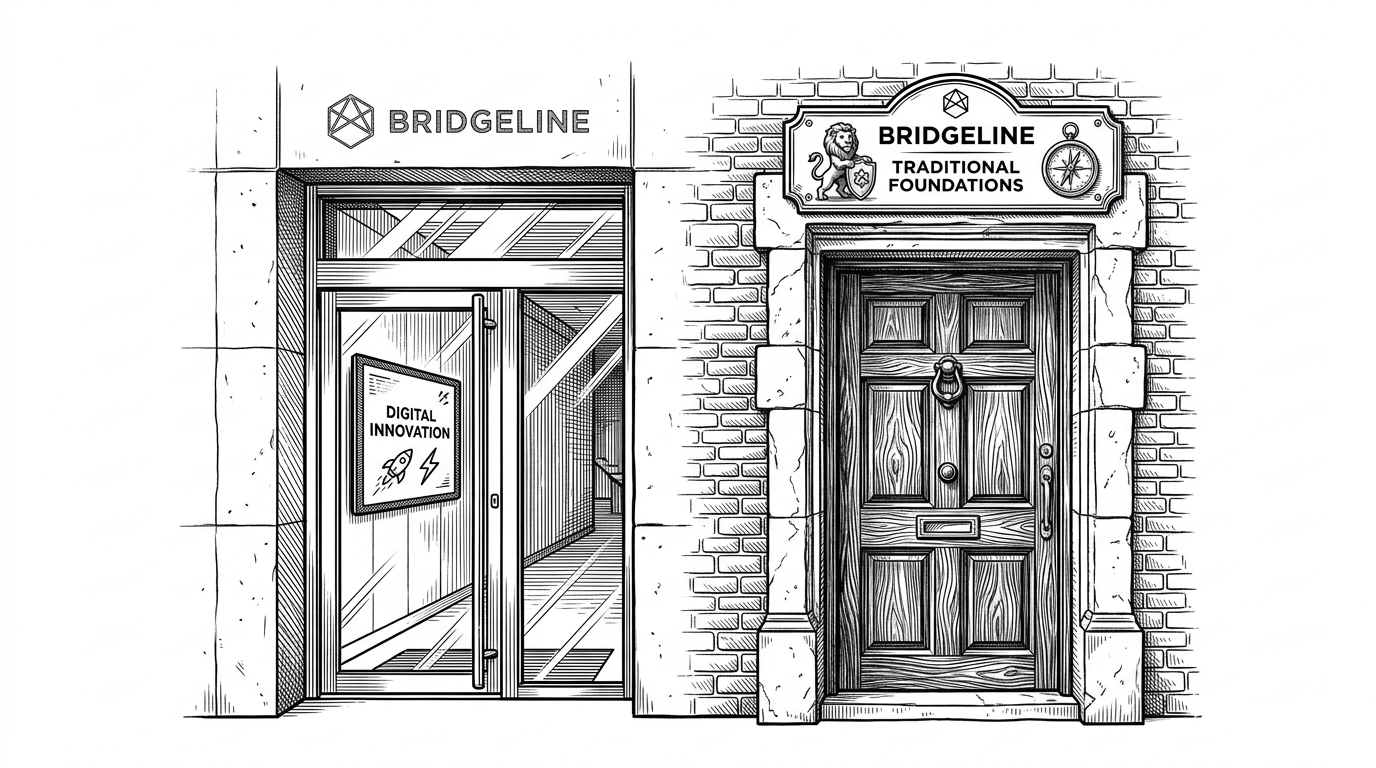
- The architecture enforces Role-Based UI by maintaining entirely separate logic files for employees and employers.
- The application prioritizes peer-to-peer engagement over traditional top-down administrative compliance.
- The codebase serves as a clear technical record of Flutter development patterns before the introduction of Null Safety.
- Stubbed settings files demonstrate a decoupled routing strategy that respects the Single Responsibility Principle.
The Binary Onboarding
Most human resources tools treat employees and managers as different permission levels viewing the same database. EMPhance takes a more radical architectural approach. By analyzing this 2019-era Flutter project, we see the raw origins of Role-Based UI (RBUI) before modern frameworks made it invisible.
The codebase forces a hard branch at the sign-up screen. Instead of a single dynamic form that toggles fields based on a dropdown, the developer split the logic into entirely separate files: signUpEmployee.dart and signUpEmployer.dart. This ensures the two user journeys never accidentally leak context to one another.
Gamifying the Cubicle
Administrative tools focus on compliance. Engagement tools focus on retention. EMPhance leans heavily into the latter through its Timeline and Rewards modules. The application attempts to turn standard corporate updates into a social feed.
The inclusion of the timeline_list dependency points to a vertical, chronological feed of achievements and events. It is a deliberate move to make workplace visibility peer-to-peer rather than strictly top-down.
The Stubbed Future: Settings and Scalability
Examining settingsEmployee.dart reveals an empty container. This is a classic 'stubbing' pattern in Flutter. It allows a developer to wire up complex navigation routines without needing to build out every final screen.
By explicitly naming the file for the employee role rather than creating a generic settings page, the architecture respects the Single Responsibility Principle. The routing infrastructure remains decoupled from the specific implementation of user preferences.
| Traditional HRMS | EMPhance Style |
|---|---|
| Focus on compliance and payroll | Focus on engagement and visibility |
| Top-down data entry | Peer-to-peer timelines |
| Unified UI with permission toggles | Hard-forked role-based UI |
2019 vs. Today: A Flutter Retrospective
EMPhance serves as a time capsule for pre-Null Safety Dart. State management relies heavily on manual setState calls and local text controllers. While verbose by modern standards, it offers an undeniable clarity of execution.
emailController.text.isEmpty ? validateEmail = true : validateEmail = false;
setState(() {});
Today, this logic would likely be handled by a Form widget with built-in validators or a reactive state management solution like Riverpod. Yet, the raw manual validation of 2019 demonstrates exactly how the underlying framework processes user input.