The Architecture of Amnesia: Inside hironow/paintress
How an experimental Go orchestrator uses event sourcing and RPG mechanics to solve the AI context collapse problem.
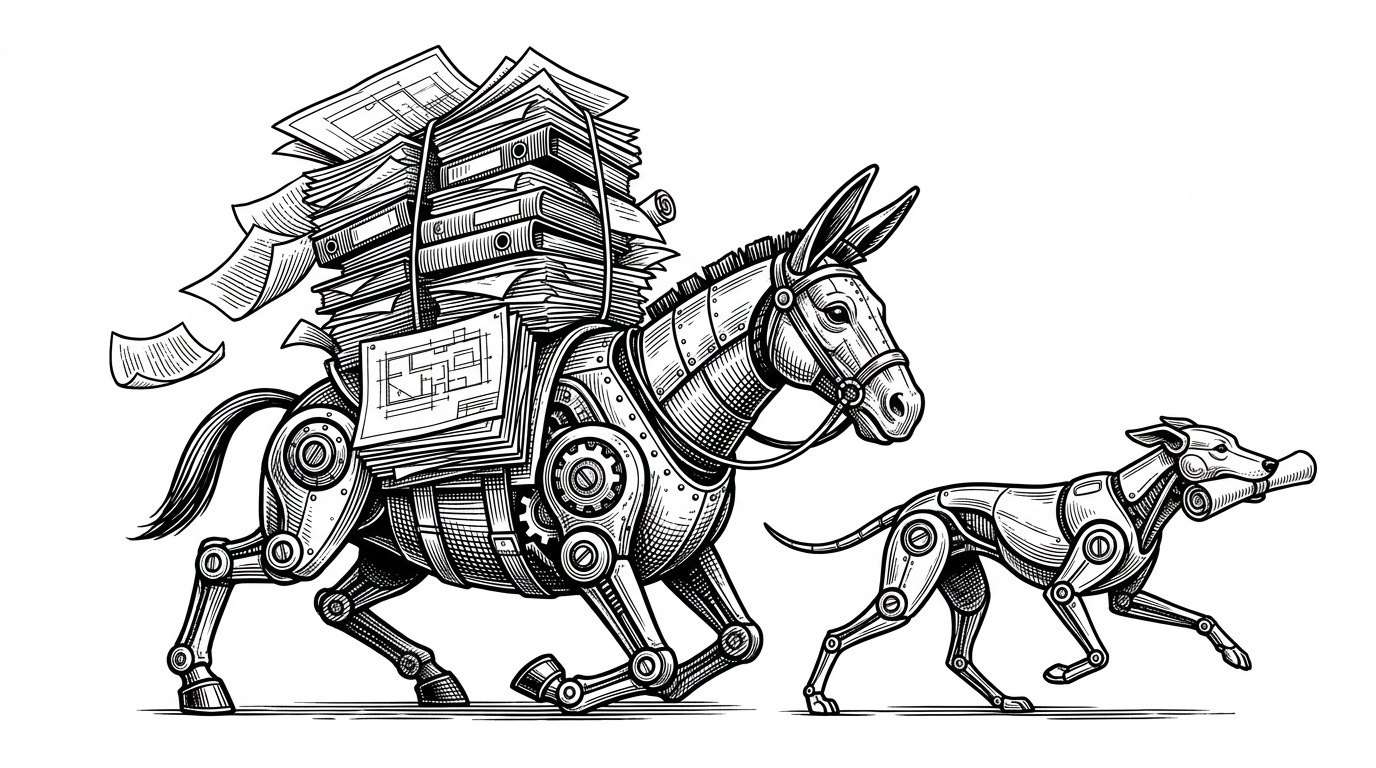
- Paintress abandons the standard 'long-running context' model, forcefully wiping the LLM's memory after every single task.
- It uses a persistent SQLite event-sourcing engine to track success streaks and extract learned patterns across disposable agent runs.
- The system's architecture maps directly to RPG mechanics, turning rate limits and fallback cascades into a literal 'Reserve Party' system.
- Go's concurrency and git worktrees allow Paintress to spin up parallel, isolated Claude Code instances to drain a Linear backlog.
The God Context Fallacy
Most AI coding agents fail because they try to remember too much. They maintain long-running, monolithic context windows that eventually become polluted. This causes the model to hallucinate or drift from the original task. The signal-to-noise ratio degrades until the AI is paralyzed by its own history.
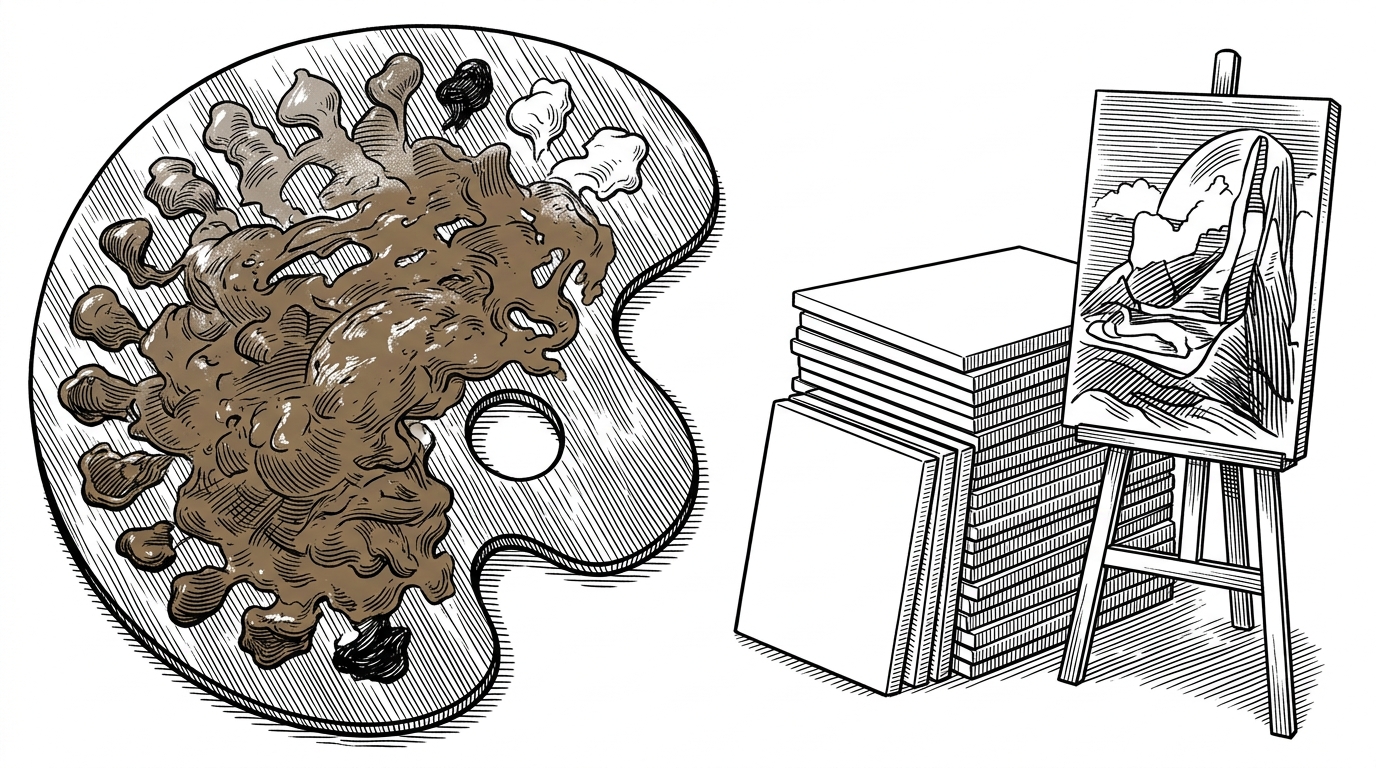
Paintress takes a radical, counter-intuitive approach. It assumes the AI will fail and get confused. Its core design philosophy is to destroy the canvas. By forcefully wiping the LLM context after every single task, it treats the AI not as a senior engineer, but as a disposable, stateless worker bee.
Paintress uses Claude Code to automatically process Linear issues — implementing code, running tests, creating PRs, running code reviews, verifying UI, and fixing bugs — with no human intervention, until every issue is done.
Event Sourcing for Disposable Agents
If the AI forgets everything, how does it improve? Paintress answers this with event sourcing. It acts as a Go CLI wrapper around Claude Code, pulling tasks from Linear, and forcefully killing the process after a PR is opened.
The system maintains a SQLite database to track state. The internal domain logic extracts 'Alerts' and 'Defensive' patterns into a journal before wiping the context. This allows the system to rebuild the necessary state for the next run without carrying the bloat of previous conversations.
The RPG-ification of Rate Limits
The internal logic of Paintress is heavily inspired by the RPG game Clair Obscur: Expedition 33. This is not just a naming convention. The game design principles surprisingly map perfectly to LLM orchestration.
The system design is inspired by the world structure of Clair Obscur: Expedition 33, an RPG game.
Paintress uses a 'Gradient Gauge' which acts as a combo-meter. It unlocks complex tasks only when the agent has a success streak. If Claude 3.7 Opus hits a rate limit, the system automatically cascades to Sonnet, treating the cheaper model as a literal 'Reserve Party'.
The Swarm and the Monolith
Paintress uses Go's concurrency capabilities and git worktrees to enable 'Swarm Mode'. This allows multiple disposable agents to drain a backlog simultaneously.
Instead of one giant agent trying to balance multiple context threads, Paintress spins up parallel, isolated Claude Code instances. They independently attack the Linear backlog without stepping on each other's toes.
| Feature | Monolithic Agent | Expedition Agent |
|---|---|---|
| State Management | God Context | Destroy the Canvas |
| Memory | In-Prompt | SQLite Event Sourced |
| Failure Mode | Drift | Clean Restart |