UnifiedTask: The Sigmoid Gate That Lets One Model Borrow Another’s Skill
A tiny Python package turns capability transfer into selective weight surgery, so a model can import a new behavior without flattening what it already knows.
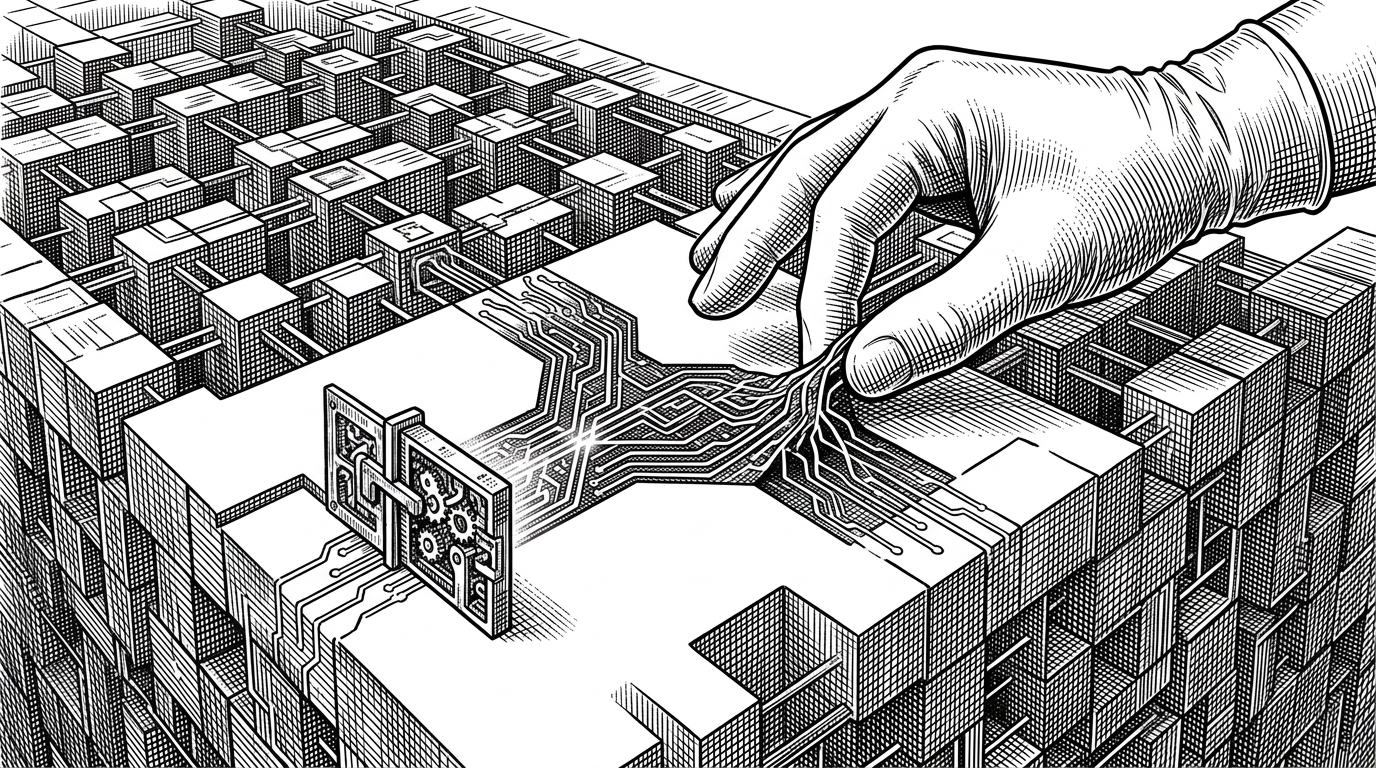
- UnifiedTask treats capability transfer like a patch, then uses a gate to decide which weights should resist the patch.
- The repo’s real trick is not adding a diff, but shrinking that diff wherever the target model has already drifted far from the base.
- That makes it useful for importing a skill into a specialized model without flattening the model’s existing behavior.
- Its promise is narrow and practical, which is exactly why the method feels more interesting than another generic merge recipe.
Most model-merging tools ask how much to add. UnifiedTask asks where to hold back. That is the whole twist: it treats a capability as a diff, then uses the target model’s own history to decide which weights should be protected from the incoming change.
A capability transfer trick, not a normal merge
The repo is small, Python-first, and built for one job. In `UnifiedTask/diff_transfer.py`, it computes a delta between an informative model and a base model, then applies that delta to a target model with a gate in the middle. That turns model merging into a kind of controlled patching, not a blind blend.
That matters because the target model is not a blank slate. If it has already moved a long way from the base in a given weight, UnifiedTask assumes that place deserves caution. The result is selective overwrite, which is more interesting than simple addition because it tries to preserve specialization while importing a new skill.
The gate that decides what survives
The key move is a sigmoid gate. First, the code measures how far the target model has diverged from the base model at each weight. Then it pushes that difference through `torch.sigmoid(normalized_diff * 12 - 6)`, which turns raw distance into a ratio between near-zero and near-one.
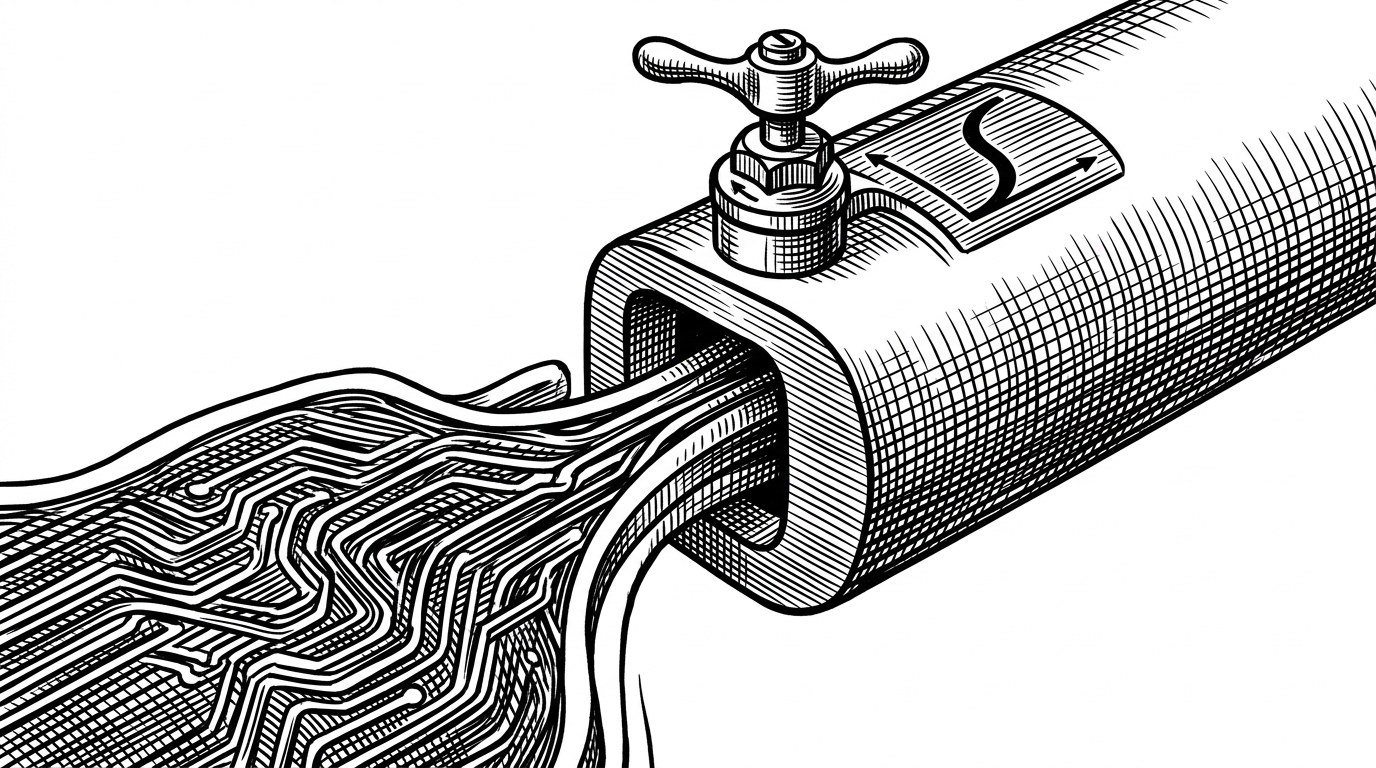
That ratio is not the final answer. It is a brake. The incoming diff gets scaled by `1 - ratio`, so the more a weight already looks like the target model, the less of the new capability is allowed through. If the target has already claimed that territory, UnifiedTask backs off.
How the pipeline actually works
The code reads like a three-step surgical note. First, `calculate_model_diffs` isolates the capability delta between the informative model and the base model. Then `calculate_sigmoid_ratios` estimates how much the target has already diverged from the base. Finally, `apply_model_diffs` multiplies the diff by the leftover space the gate allows.
ratio = torch.sigmoid(normalized_diff * 12 - 6)
scaled_diff = model_diffs[key] * (1 - ratio)
merged_weight = target_weight + scaled_diff
The implementation is straightforward enough to read in one sitting, which is part of the appeal. `models/llama.py` wraps Hugging Face loading for Llama-style models, while `utils.py` offers histogram plotting so you can inspect weight distributions before and after the surgery. The whole package feels experimental, not industrially hardened, and that honesty is useful.
Why this matters for specialized models
The practical promise is specific. If one model carries a skill like long context and another carries a specialization like Korean language behavior, UnifiedTask offers a way to import the first without flattening the second. That is a better story than generic merging because it acknowledges that models can be good at different things for different reasons.
| Approach | Training required | Preserves target behavior | Risk of overwrite | Best use case |
|---|---|---|---|---|
| Naive diff addition | No | Weak | High | Fast experiments where control does not matter much |
| UnifiedTask gated transfer | No | Strong | Lower | Importing one skill into a specialized target model |
| SLERP or interpolation | No | Moderate | Medium | Smooth blending when both models should contribute equally |
| Full fine-tuning | Yes | Variable | Highest | When you can afford training and want the most direct adaptation |
What it is competing with
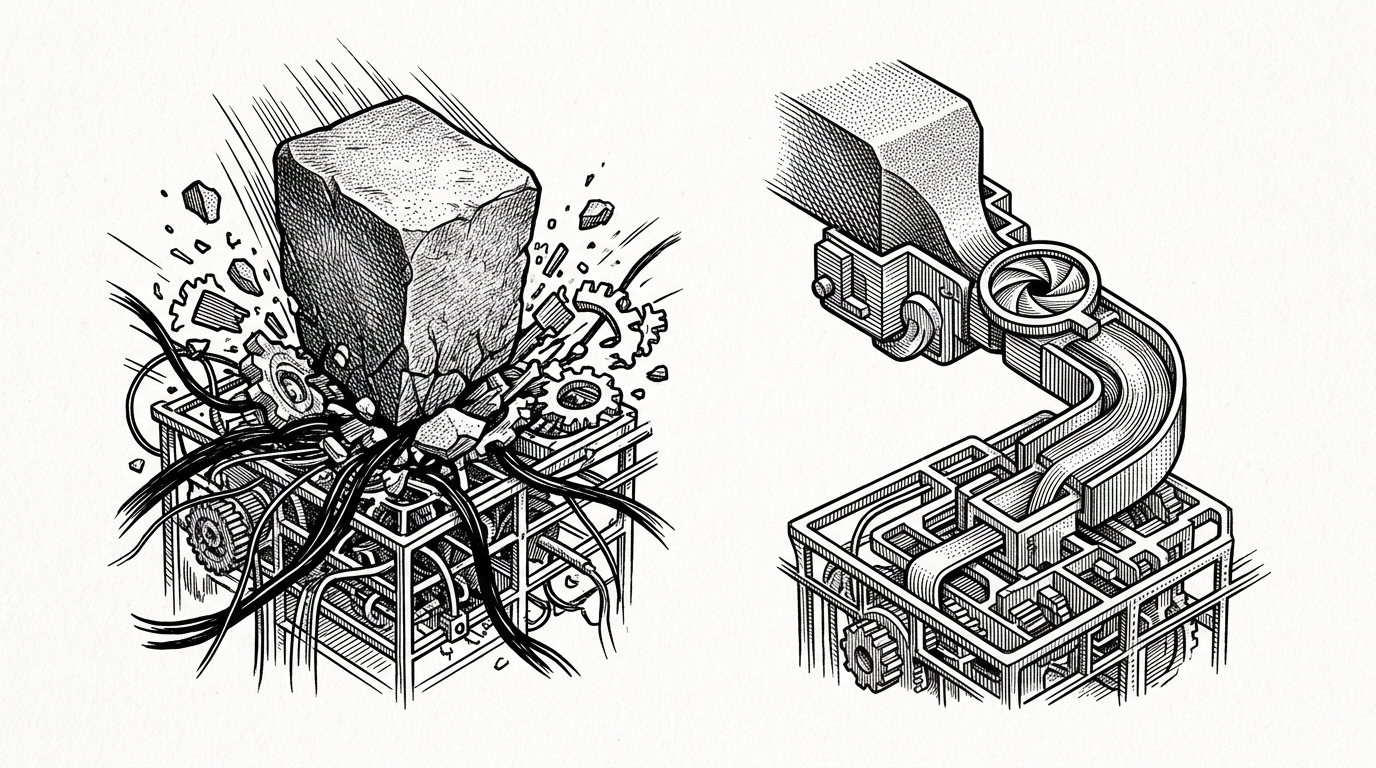
UnifiedTask does not try to replace every merge method. It occupies a narrow lane between brute-force arithmetic and full retraining. If you want a low-training way to import a capability while respecting what the target model already is, the gate is the point.
That also explains the project’s shape. The repo feels like a focused research tool, not a platform. It is centered on Llama-style models, leans on Hugging Face, and exposes just enough surface area to test the idea without pretending the idea is finished.
The limits are the story too
The method assumes that a large base-versus-target difference often marks something worth preserving. That is a smart heuristic, but it is still a heuristic. A weight can diverge for reasons that are not obviously semantic, and a gate that trusts distance too much can protect the wrong things.
So the real value of UnifiedTask is not that it solves model merging once and for all. It gives the field a sharper mental model: capability transfer as selective overwrite. That is a small idea, but it is a genuinely useful one.