The Ghost in the Machine: Unpacking instructkr/claw-code
How an accidental source code leak spawned an open-source AI agent framework that is now autonomously rewriting its own core in Rust.
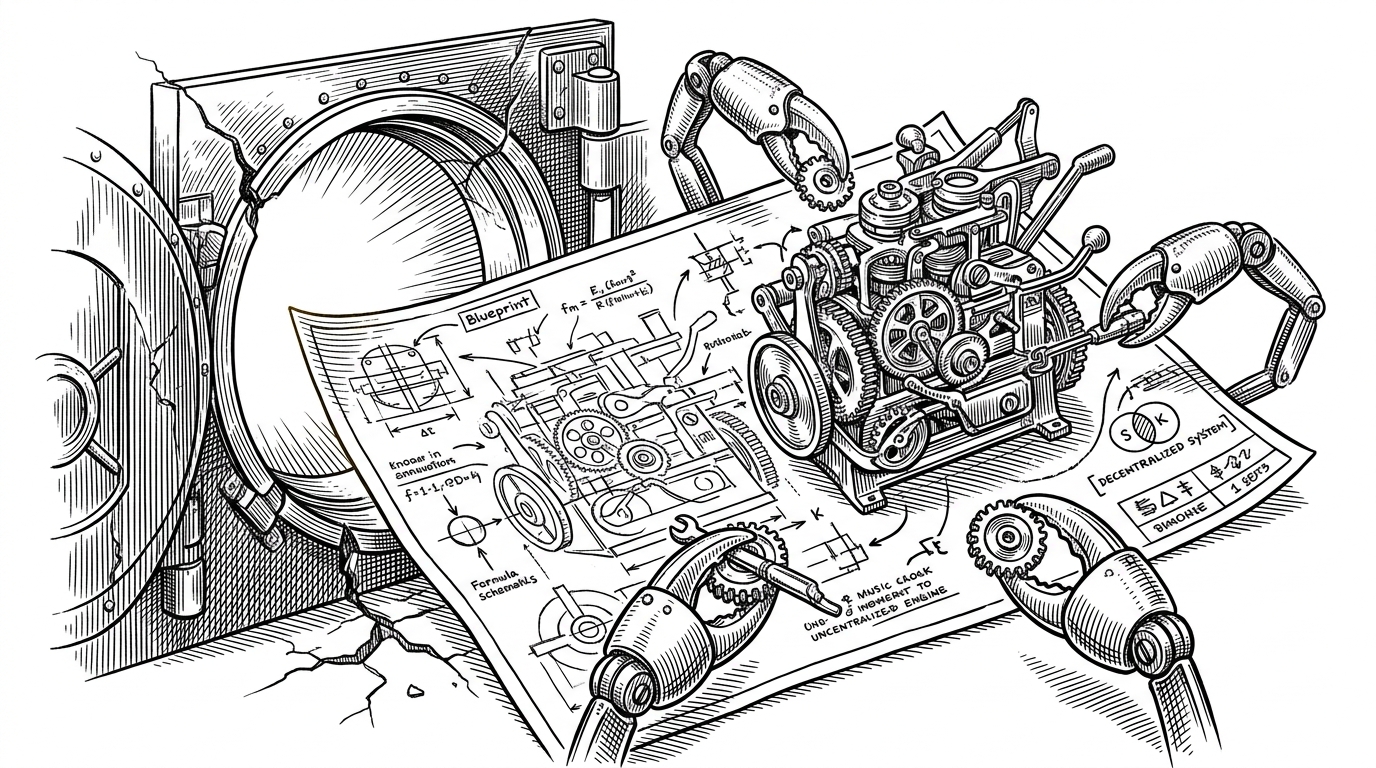
The fastest repo in history to surpass 50K stars ⭐, reaching the milestone in just 2 hours after publication.
- Claw Code originated as a clean-room Python port of leaked proprietary TypeScript, driven by AI workflows to bypass direct copyright infringement.
- The project is transitioning to a Rust-based architecture, utilizing autonomous AI agents to rewrite and maintain its own core logic.
- A rigorous 'Parity Harness' ensures the new Rust implementation maintains bug-for-bug behavioral compatibility with the legacy TypeScript engine.
- The framework eschews closed ecosystems in favor of the open Model Context Protocol (MCP), enabling dynamic, auditable tool integration.
The Sourcemap Catalyst
The origin of instructkr/claw-code is rooted in an anomaly. When the source code for Anthropic's Claude Code was accidentally exposed via an npm sourcemap, the developer community mobilized. Rather than simply archiving the leaked TypeScript, developer Sigrid Jin (instructkr) orchestrated a rapid, AI-driven clean-room reimplementation. Using an AI workflow layer called "oh-my-codex," the core architectural patterns were ported to Python overnight. This maneuver aimed to sidestep direct copyright infringement while capturing the essence of the proprietary engine.
This initial Python port, however, was merely a stepping stone. The real ambition of the project is a high-performance, memory-safe execution environment, prompting a massive, ongoing rewrite into Rust.
The Autonomous Assembly Line
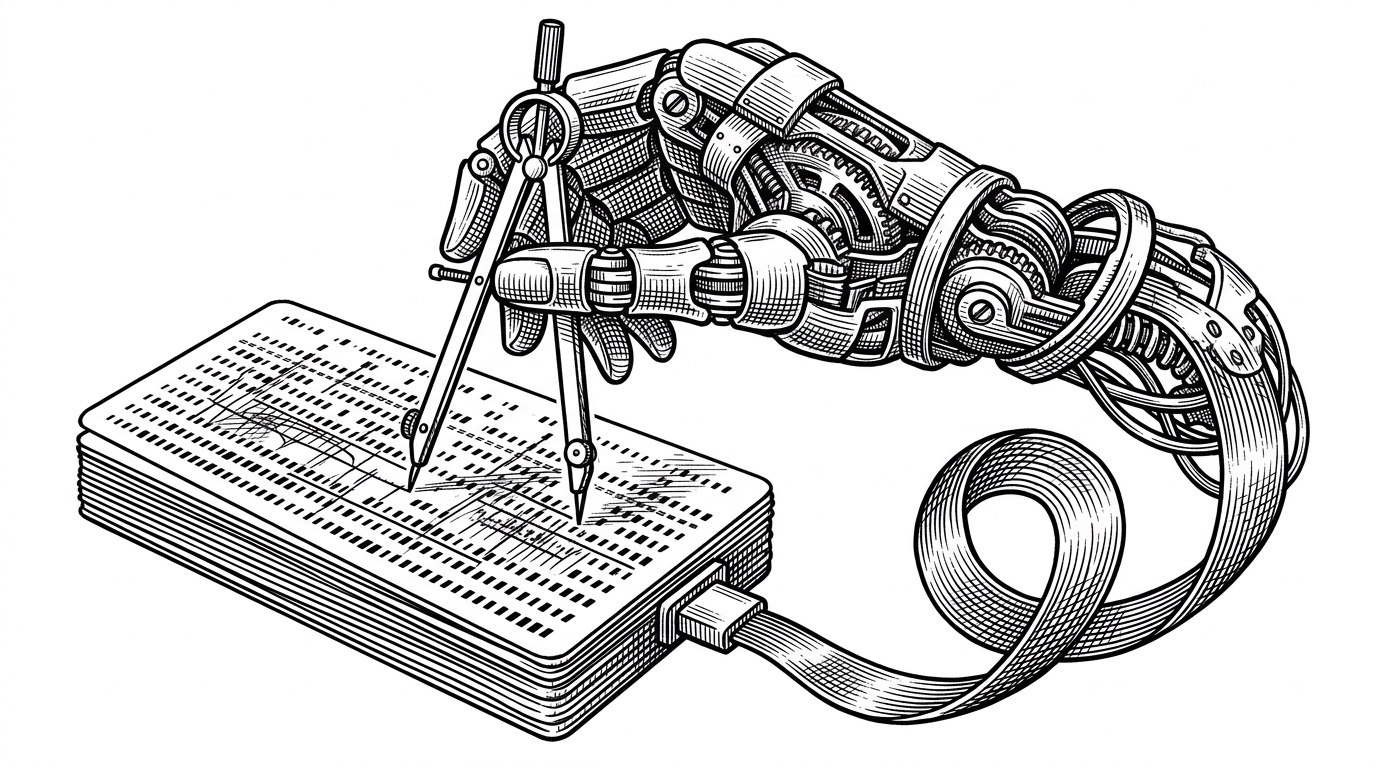
The most compelling aspect of Claw Code is not its origin, but its current mode of production. The repository is actively transitioning from the Python prototype to a multi-crate Rust workspace (rust/crates/*). Navigating into the .claude/sessions directory reveals the raw JSON traces of the agent iterating on its own runtime logic. The AI is treated as a co-maintainer, tasked with porting the codebase into Rust.
Autonomously maintained by lobsters/claws — not by human hands
Forcing Bug-for-Bug Parity
To ensure the new Rust implementation does not diverge from the intended behavior of the original system, the project employs a rigorous testing framework defined in MOCK_PARITY_HARNESS.md. This "Parity Harness" forces the Rust engine through the exact same behavioral scenarios as the legacy TypeScript version. It is a sophisticated approach to refactoring, demanding flawless execution of complex tool chains without directly copying the underlying code.
Hardening the Metal
The architectural shift to Rust (specifically within rust/crates/runtime) emphasizes safety and performance. The project enforces a strict unsafe_code = "forbid" policy. The Session Manager, which acts as the agent's memory, utilizes JSONL for efficient, append-only logging and implements context compaction to manage long-running tasks. Crucially, a "Green Contract" permission enforcer acts as a safeguard, preventing the autonomous agent from executing destructive commands (like rm -rf) on the host filesystem.
The Sovereign Agent
Claw Code represents a philosophical departure from proprietary, black-box coding agents. By integrating deeply with the open Model Context Protocol (MCP), it allows developers to securely plug local databases or custom tools into the agent's context. A stable_hex_hash system ensures unique identifiers for MCP server configurations, enabling a dynamic, extensible ecosystem rather than a walled garden.
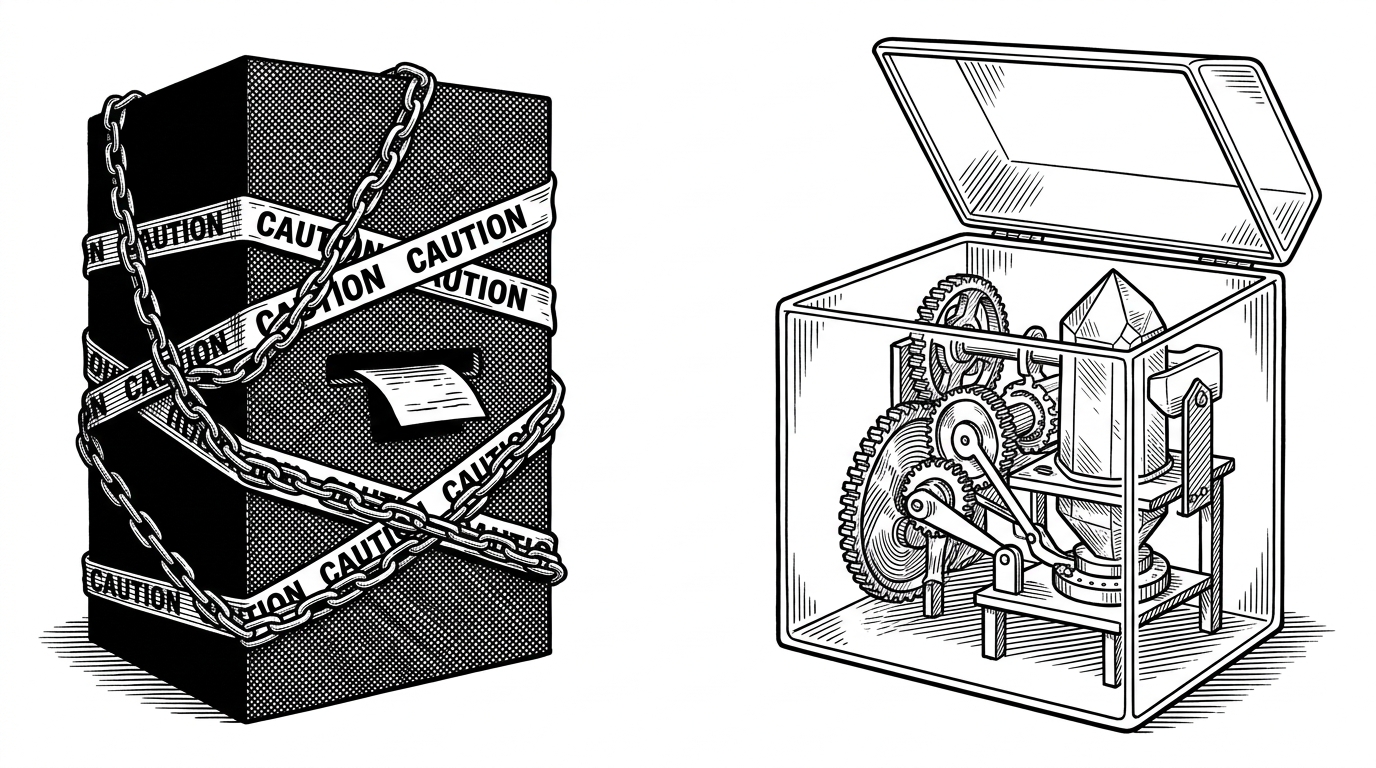
| Feature | Proprietary Precursor | instructkr/claw-code |
|---|---|---|
| Core Language | TypeScript (V8 engine overhead) | Rust (Memory-safe, high performance) |
| Architecture | Closed-source binary | Event-driven open crates |
| Extensibility | Walled garden toolsets | Open MCP registry |
| Maintenance | Internal human product teams | Autonomous AI agents |