codex: A Distributed System in CLI Clothing
How openai/codex disguised a high-performance Rust orchestration server as a terminal tool, and accidentally created a cross-platform standard along the way.
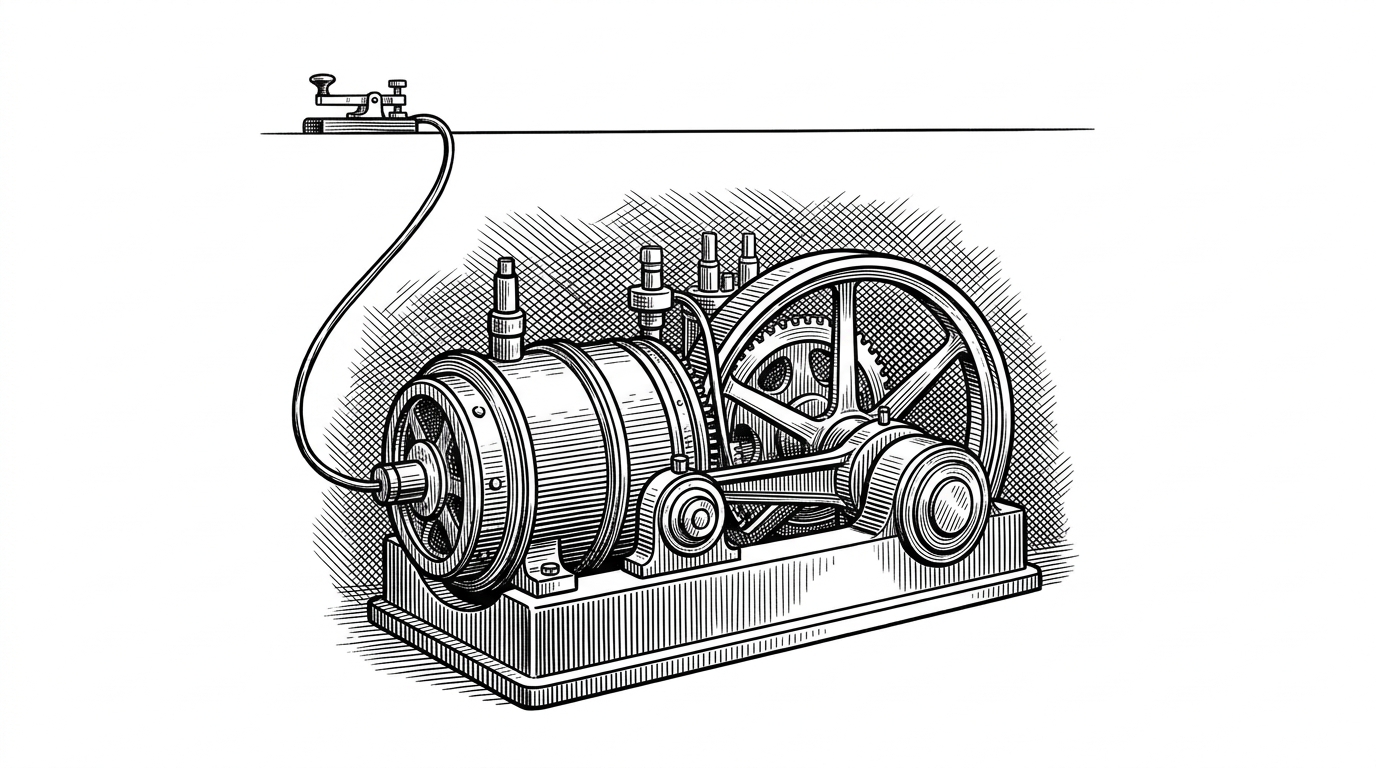
- Codex is not a simple script, but a 60-crate Rust server distributed stealthily via an NPM installation wrapper.
- The architecture relies on a strict JSON-RPC boundary with backpressure handling to ensure code generation streams are never interrupted by terminal rendering lag.
- Its `.codex/skills` directory established a cross-platform progressive-disclosure standard now adopted by competing AI tools.
- Native V8 and Linux sandboxing allow the agent swarm to safely execute, test, and verify code without compromising the host machine.
A Server Hiding in the Terminal
Most developers assume a CLI AI assistant is a thin script wrapping a REST API. Typing codex shatters that mental model. It does not just run a command; it boots a highly modular Rust micro-crate server and connects a Terminal User Interface (TUI) to it via JSON-RPC.
This separation between the app-server (the brain) and the tui (the face) allows for sophisticated backpressure handling. If the terminal lags, Codex drops cosmetic progress bar updates to ensure the lossless code generation stream is never interrupted.
The NPM Trojan Horse
Distributing a compiled, 60-crate Rust workspace to millions of web developers is a logistical nightmare. Forcing them to install cargo introduces too much friction. OpenAI solved this with an elegant hack.
The package codex-cli contains a simple Node.js entry point. When executed, it detects the operating system and architecture, mapping it to a pre-compiled native binary downloaded as an optional dependency.
const { spawn } = require('child_process');
const os = require('os');

// Maps os.platform() and os.arch() to the correct rust binary
const targetTriple = getTargetTriple(os.platform(), os.arch());
const binaryPath = require.resolve(`@openai/codex-${targetTriple}/bin/codex`);

// Spawn the native binary and forward all signals
const child = spawn(binaryPath, process.argv.slice(2), { stdio: 'inherit' });

process.on('SIGINT', () => child.kill('SIGINT'));
The Birth of the Skill Economy
Inside the repository lies the .codex/skills directory. This is not just a configuration folder; it is the blueprint for an open standard. Codex relies on a progressive disclosure architecture where agents only load full instructions when metadata matches the specific task.

Sandboxing the Swarm
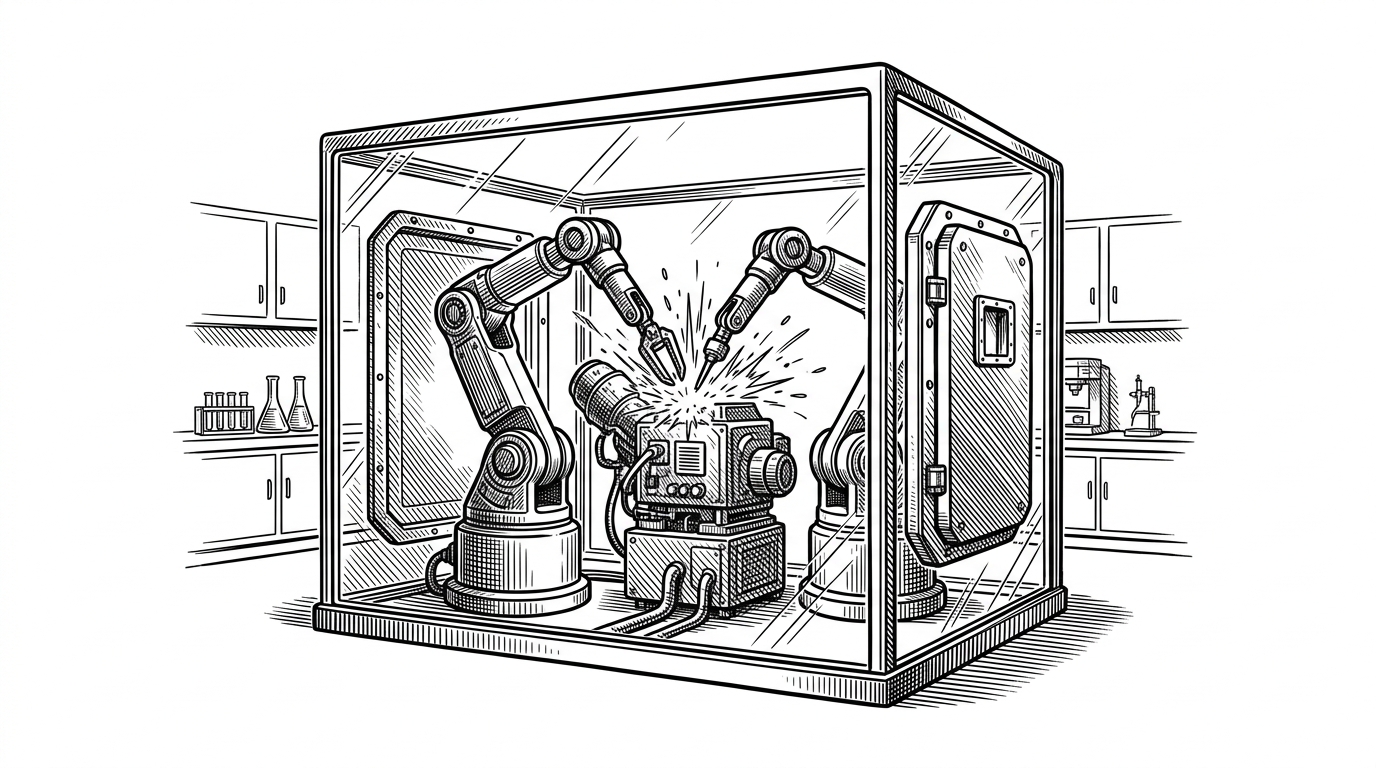
Codex transcends typical chat applications by functioning as a reasoning and action engine. To hunt bugs and verify patches autonomously, it must execute code. The repository reveals v8-poc and linux-sandbox crates dedicated to this exact purpose.
By embedding V8 and leveraging Linux namespaces, Codex safely tests AI-generated code in isolated environments. This containment zone ensures that a hallucinated shell command cannot destroy the user's host machine.
The Agentic CLI Wars
The landscape of AI coding tools is fragmenting into distinct philosophies. While Cursor dominates the visual IDE space and Claude Code focuses on deep-context conversations, Codex positions itself as an orchestration engine for parallel agents.
| Feature | OpenAI Codex | Claude Code | Cursor |
|---|---|---|---|
| Primary Interface | Terminal Swarm | Terminal Assistant | GUI IDE |
| Core Architecture | Rust / JSON-RPC | TypeScript / Node | Electron Fork |
| Extensibility | Open Agent Skills | MCP / Agent Skills | Cursor Rules |
| Execution Model | Isolated Sandboxed Runtimes | Host Native Execution | IDE Integrated |
Built by the Power Users
The robust architecture of Codex is a direct result of heavy internal dogfooding at OpenAI. The tool is used to review essentially all production code and writes a massive portion of its own app codebase.
Codex is OpenAI’s agentic coding system designed to function like a highly capable software teammate. Built on top of OpenAI’s latest frontier models and deeply integrated across developer workflows, Codex helps with everything from scoping and planning to implementation, code review, verification, and large-scale refactoring.
By treating a CLI tool with the architectural rigor of a distributed microservice, OpenAI has built a foundation that scales far beyond simple autocomplete.