JHenTai: The Flutter Client Built to Read Through the Firewall
A cross-platform manga app with a rare core idea: make blocked, throttled, and legacy network conditions part of the product, not a bug report.


My first project With Flutter. I aim at getting familiar with Flutter during development. Devices I use include Android phone, Ipad and Windows computer. E-hentai apps I used before have several bugs, and I don't understand source code because I have no development experience with Android or ios, so I choose JHenTai to become my first Flutter Project.
- JHenTai’s real differentiator is network resilience, not just cross-platform reach.
- The app’s request layer treats proxying, domain fronting, and legacy TLS support as core product behavior.
- Its database and domain model show a project that preserves source-site structure instead of flattening it into generic library data.
- Compared with broader readers, JHenTai wins by matching the weirdness of its use case with equally specialized architecture.
JHenTai starts with a simple promise and then quietly raises the stakes. It is a manga reader, yes, but the more interesting claim is that it is built for paths where the network is unreliable, filtered, or legacy-bound. That turns a reading app into something closer to a transport layer with a UI.
A Reader That Assumes the Network Will Fight Back
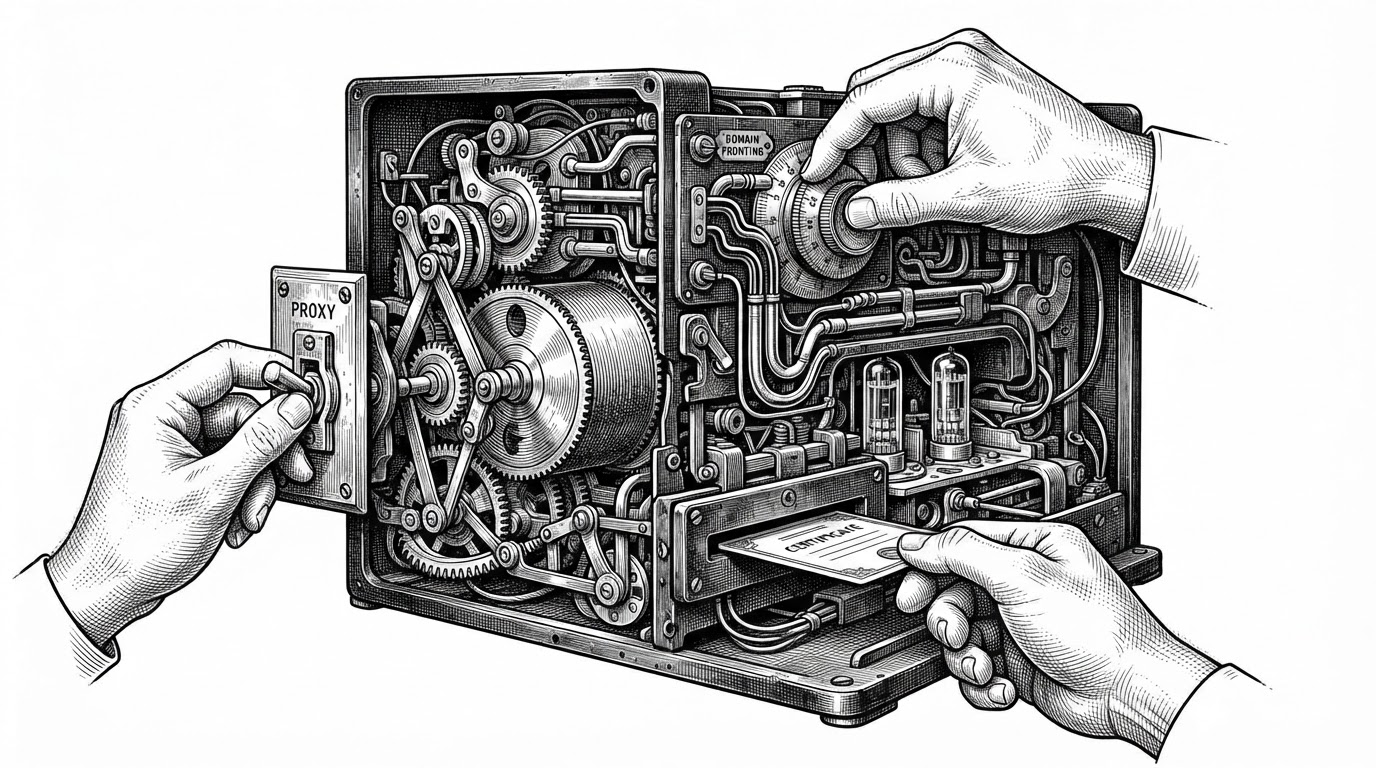
That mindset shapes the whole project. Proxy selection, domain fronting, certificate handling, and reactive networking settings are not edge cases here. They are part of the product contract.
Why a Flutter App Makes Sense Here
The creator says the project began as a first Flutter effort, motivated by bugs in existing E-Hentai apps and a desire to learn while building something personally useful. That origin matters because it explains the architecture: one codebase, five platforms, and a steady bias toward keeping the experience consistent across mobile and desktop.
Flutter is not the story because it is trendy. It is the story because it lets a niche client keep the same specialized behavior on Android, iOS, Windows, macOS, and Linux without fragmenting the UX into separate ports.
The Request Path Is the Product
The heart of the app lives in `lib/src/network/eh_request.dart`. It layers a user-facing request pipeline on top of Dio, then reacts to settings changes through GetX workers so the network behavior can change without rebuilding the app.
// Conceptual shape of the pipeline
final settings = Get.find<NetworkSettings>();
ever(settings.proxy, (_) => _rebuildClient());
ever(settings.timeout, (_) => _rebuildClient());

if (settings.useSocks5) {
  // Apply SOCKS5 routing
}
if (settings.useDomainFronting) {
  // Rewrite destination while preserving host intent
}
if (isOldAndroidDevice) {
  // Inject legacy certificate support
}

final response = await dio.get(galleryUrl);
That combination is unusually disciplined for a niche client. It does not just add escape hatches. It treats them as normal branches in the request graph, which is what makes the app feel engineered instead of patched.
The Database Tells You This Project Has Grown Up
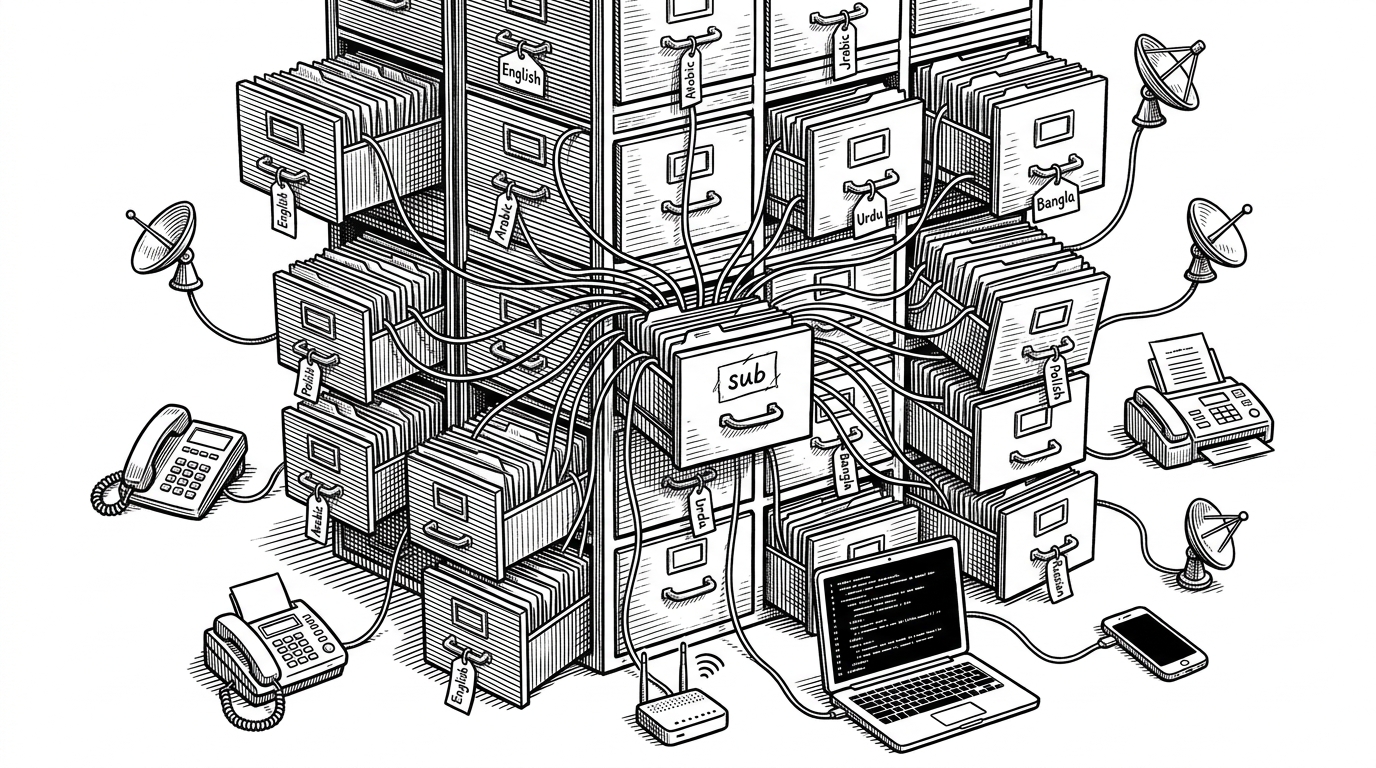
The Drift database is another sign of maturity. A 25-version migration history means the app has survived real schema churn, not just cosmetic refactoring. It has had to preserve downloads, history, archive state, tags, and gallery metadata while the product kept evolving.
| Storage approach | What it remembers | Why it matters |
|---|---|---|
| Shallow summary object | Just enough to render a list item | Fast, but fragile when the user opens details or resumes a download |
| Full detail object | Tags, archives, history, and download state | Matches the source site’s structure and keeps the app feeling native to the domain |
The important design choice is that JHenTai does not flatten everything into a generic library model. It preserves the source site’s semantics, which is why the app can keep its bearings even as the local data grows.
Why JHenTai Feels Different From Other Clients
JHenTai is not trying to be the broadest reader. It is trying to be the most faithful one for a very specific ecosystem. That makes the comparison less about raw feature count and more about architectural fit.
| Project | Platform reach | Domain fit for E-Hentai style galleries | Network resilience features | UX specialization | Trade-off |
|---|---|---|---|---|---|
| JHenTai | Android, iOS, Windows, macOS, Linux | Very high | Strong, with proxies, domain fronting, and legacy TLS handling | High | Specialized by design, so it serves one domain best |
| EhViewer | Android | High | Moderate | High | Strong reference point, but platform-limited |
| EhPanda | iOS | High | Moderate | High | Excellent on iPhone, but not cross-platform |
| Tachiyomi or Mihon forks | Android | Medium | Variable | Medium | Broad source support, but gallery reading is less domain-specific |
The point is not that JHenTai has every feature. The point is that its architecture matches the weirdness of its job. Generic readers can be flexible, but specialized clients can be sharper.
A Niche App With Serious Operational Discipline
The rest of the repo backs that up. The changelog is unusually detailed. The codebase favors readability. The maintainer explicitly rejects large unchecked AI-generated contributions, which says something important about the project’s standards.
For changes that are large in scope or involve interactions between multiple modules, code submitted via Vibe Coding by developers without code review capability will not be accepted. Such code often fails to follow the project's existing coding conventions, is harmful to code extensibility, and its correctness cannot be guaranteed.
That is the broader pattern here. The app behaves like a product built for long-term maintenance, not a weekend script. In a domain where the environment can be hostile and the data model is unusually specific, that discipline is the feature.