Hebereke-Bunny-Garden-Fix-Mod: The Tiny Unity Patch Kit That Rewrites the Game’s Defaults
A surgical BepInEx mod that forces higher internal resolution, unlocks rendering options, adds a free camera, and shows how much a fix mod can do with a handful of targeted hooks.
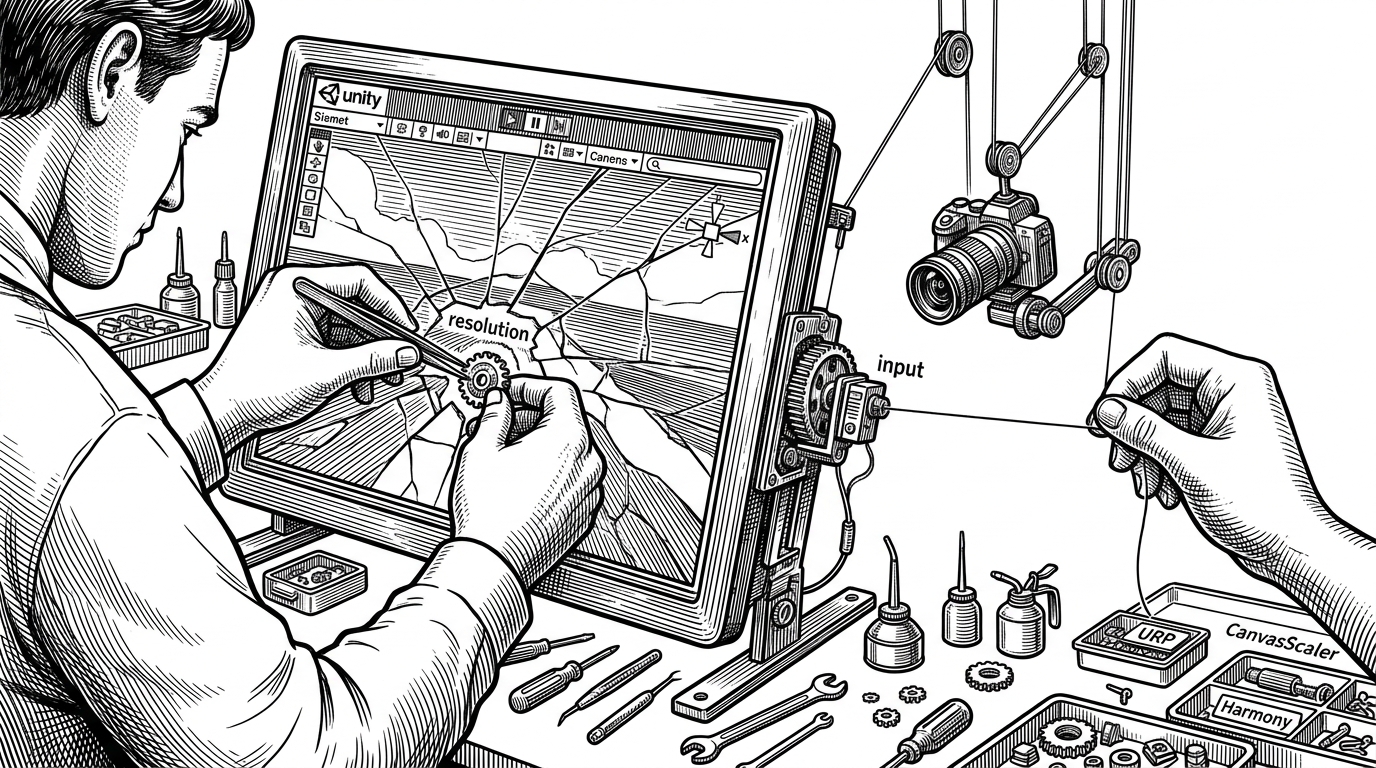
- This mod matters because it treats Unity defaults as editable assumptions, not fixed laws.
- Its strongest move is not one fix but a pattern of tiny runtime hooks that reshape rendering, input, and UI together.
- The free camera and internal resolution controls show how much agency a small BepInEx plugin can add without replacing the game.
- Its tradeoff is the point: fidelity, flexibility, and stability are all negotiated at config time.
The most interesting thing about Hebereke-Bunny-Garden-Fix-Mod is not that it adds a few cheats or a camera toggle. It is that it acts like a surgical repair kit for a Unity game that ships with engine defaults the author clearly did not trust.
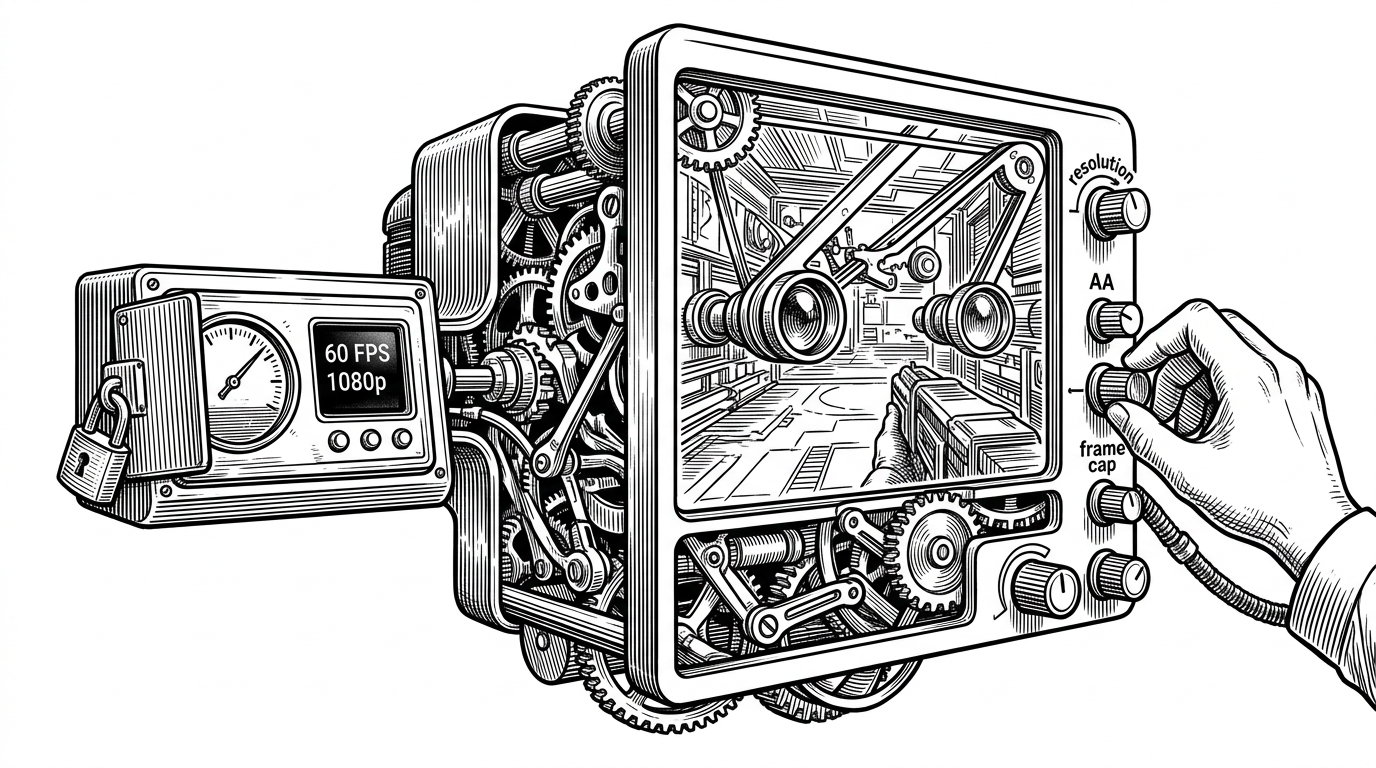
The mod starts with a simple complaint. In the creator’s own note, the game could be played in 4K, but the image was still being rendered at 1080p and then upscaled, which made it look rough. Everything else in the repo grows out of that same instinct: if the engine is making the wrong choice, patch the choice, not just the symptom.
実はこのゲーム、前作からなんですがフルスクリーンモードを4Kでプレイすると、1080pの映像が拡大されるという仕様があります。そのため、非常に荒く見えるので、内部解像度を変えられるようにしたというのがまず一つ。
What This Mod Actually Is
Under the hood, this is a compact C# plugin built for BepInEx and Harmony. The codebase is small, but it is not shallow. It is split into patches, controllers, and helpers, which is exactly the right shape for a mod that needs to intercept game behavior at runtime without taking over the whole application.
| Area | Vanilla behavior | Patched behavior |
|---|---|---|
| Internal render resolution | Upstream settings can still land on a lower effective render path. | The mod forces a user-chosen internal resolution. |
| Frame rate | The game enforces a 60 FPS ceiling. | The cap can be removed for higher refresh displays. |
| Anti-aliasing | URP defaults decide the look. | The mod can force AA settings through URP hooks. |
| Camera control | Player camera remains inside game constraints. | A free camera can ignore normal view limits. |
| UI scaling | Custom resolutions can misalign overlays. | Reflection repairs CanvasScaler internals. |
| Asset visibility | Special scene assets remain active. | Targeted objects can be disabled at runtime. |
| Modding style | Broad tweaks or external replacement tools. | Small runtime patches that reshape engine defaults. |
The Real Power Is in the Patches
The best way to read the mod is as a set of narrow interventions. One patch overrides full screen resolution math. Another reaches into URP to force anti-aliasing behavior. Another toggles scene objects off. None of these are flashy alone. Together, they turn the game into something closer to a configurable rendering sandbox.
[HarmonyPrefix]
[HarmonyPatch(typeof(GBSystem), nameof(GBSystem.CalcFullScreenResolution))]
static bool Prefix(ref Resolution __result)
{
    __result = new Resolution { width = targetWidth, height = targetHeight, refreshRateRatio = targetHz };
    return false; // suppress original resolution logic
}
That prefix pattern is the key. By returning false, the patch suppresses the original method entirely. In plain English, the mod does not ask the game for permission to choose a resolution path. It replaces the decision.
The same idea shows up in anti-aliasing control. Instead of hoping the URP asset is configured well enough for this game, the mod reaches directly into the relevant setter and rendering asset fields. It is a good example of modern modding: the less visible the hook, the more power it often has.
最後に、このModを使用して配信することで動画プラットフォームからBAN等の処置を受けられた際も一切の責任を持ちません。自己責任。
A Free Camera That Ignores the Game
The free camera is a different kind of intervention. Instead of correcting a rendering assumption, it bypasses the game’s view logic entirely. The controller is created at runtime, attached to a new object, and reads mouse and keyboard input directly from Unity’s newer Input System rather than waiting for the game’s own movement rules.
That matters because it changes the relationship between player and scene. The camera stops being a gameplay object and becomes an inspection tool. For virtual photography, debugging, or just seeing what the developers hid behind the frame, that is a big shift in power.
A Mod Built Around Tradeoffs
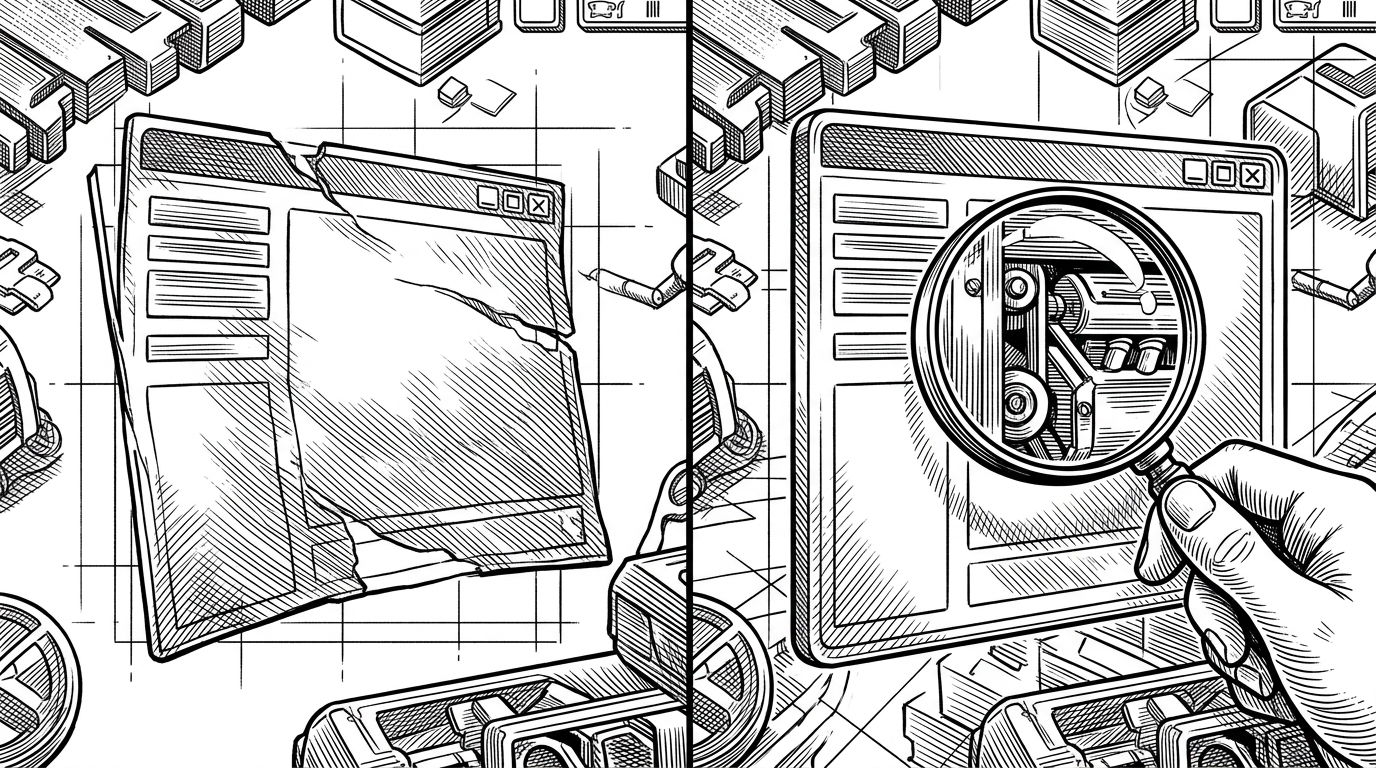
This is not a purity test for performance. Higher internal resolution, stronger anti-aliasing, unlocked frame rates, and super sampling can all make the image better. They can also expose instability the original game was quietly hiding behind its defaults.
| Feature | Upside | Tradeoff |
|---|---|---|
| Unlocked FPS | Smoother motion on high refresh displays. | Physics and timing can drift if the game is not built for it. |
| Super sampling | Sharper image and cleaner edges. | Heavier GPU load. |
| MSAA and URP overrides | Better scene quality. | Can conflict with the game’s intended render path. |
| Free camera | Better inspection and photography. | Easy to separate camera behavior from gameplay intent. |
| Asset disabling | Removes unwanted scene elements. | Makes the mod more specialized and less neutral. |
That honesty is part of the appeal. The mod is not pretending that every player needs these changes. It is saying that if you want to reclaim control from Unity’s defaults, here is a very focused set of switches.
Why This Matters Beyond One Game
The broader lesson is bigger than this title. A lot of post-release polish is not content creation. It is the recovery of intent from engine defaults. Mods like this show how much leverage a small plugin can have when it knows exactly where to cut.
That is why this repo feels more like infrastructure than a fan patch. It is a compact example of how BepInEx, Harmony, and Unity internals can be combined to reshape a game without rebuilding it. The project is small, but the pattern is durable.