Inside `langchain-ai/applied-ai-take-home-database`: The Synthetic Startup That Turns SQLite Into an AI Interview
A single database file, a full-text index, and a fake company world reveal a sharp hiring philosophy: the best applied AI candidates can retrieve, join, and verify before they generate.
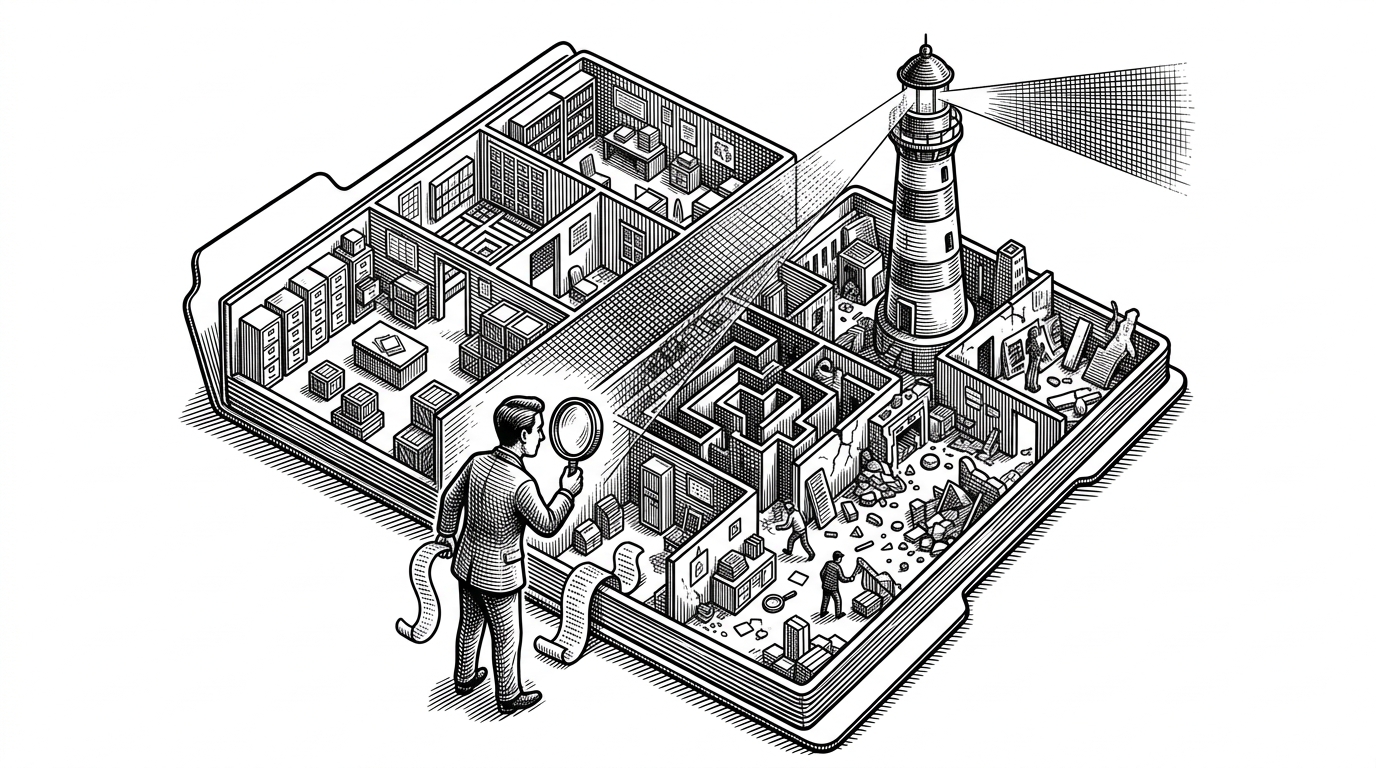

A repository containing the SQLite database and instructions for the Applied AI take home assignment
- The repository is a hiring instrument disguised as a database, because it evaluates whether candidates can find ground truth instead of improvising answers.
- LangChain’s trick is to make the evaluation environment itself portable, deterministic, and reproducible with a single SQLite file and an FTS index.
- The assignment rewards hybrid retrieval, where candidates combine relational joins with keyword search before they generate anything.
- SQLite is not a compromise here, because its boring simplicity is exactly what makes the test hard to game.
A Fake Startup in a Single File
This repo looks tiny because it is. That is the point. `langchain-ai/applied-ai-take-home-database` packages a synthetic startup into a single SQLite database so a candidate has to work inside a controlled fact pattern, not wander around a live production system.
The strange move is that the database is not just the data source. It is the exam. A candidate has to retrieve evidence, connect structured and unstructured records, and avoid inventing details that are not there.
Why LangChain Would Rather Test Retrieval Than Guesswork
LangChain is making a very specific bet: applied AI talent is easier to spot when the answer space is bounded. If the data is synthetic, the evaluation can be reproducible. If the world is controlled, the reviewer can tell the difference between a grounded system and a fluent guesser.
| Evaluation style | What it rewards | What it hides |
|---|---|---|
| Toy CSV tutorial | Quick pattern matching and shallow demos | Whether the model can survive messy evidence |
| Production retrieval stack | Infrastructure fluency and system integration | Whether the candidate understands the problem before scaling it |
| Synthetic startup database | Grounded retrieval, joins, and verification | Almost nothing, which is why it is a useful test |
LangChain’s own framing of tabular text data backs this up: “Tabular data that contains text can be particularly tough to deal with, as retrieval is likely needed in some form, but pure retrieval probably isn't enough.” That is the interview in one sentence.
The Database Is the Interface
The core files are deliberately plain. `synthetic_startup.sqlite` holds the world, while tables such as `scenarios` and `artifacts` define the relationship between prompts and evidence. Then `artifacts_fts` adds full-text search, which turns the database into a hybrid retrieval system instead of a static dump.
SELECT a.title
FROM artifacts_fts f
JOIN artifacts a ON a.artifact_id = f.artifact_id
WHERE artifacts_fts MATCH 'taxonomy rollout';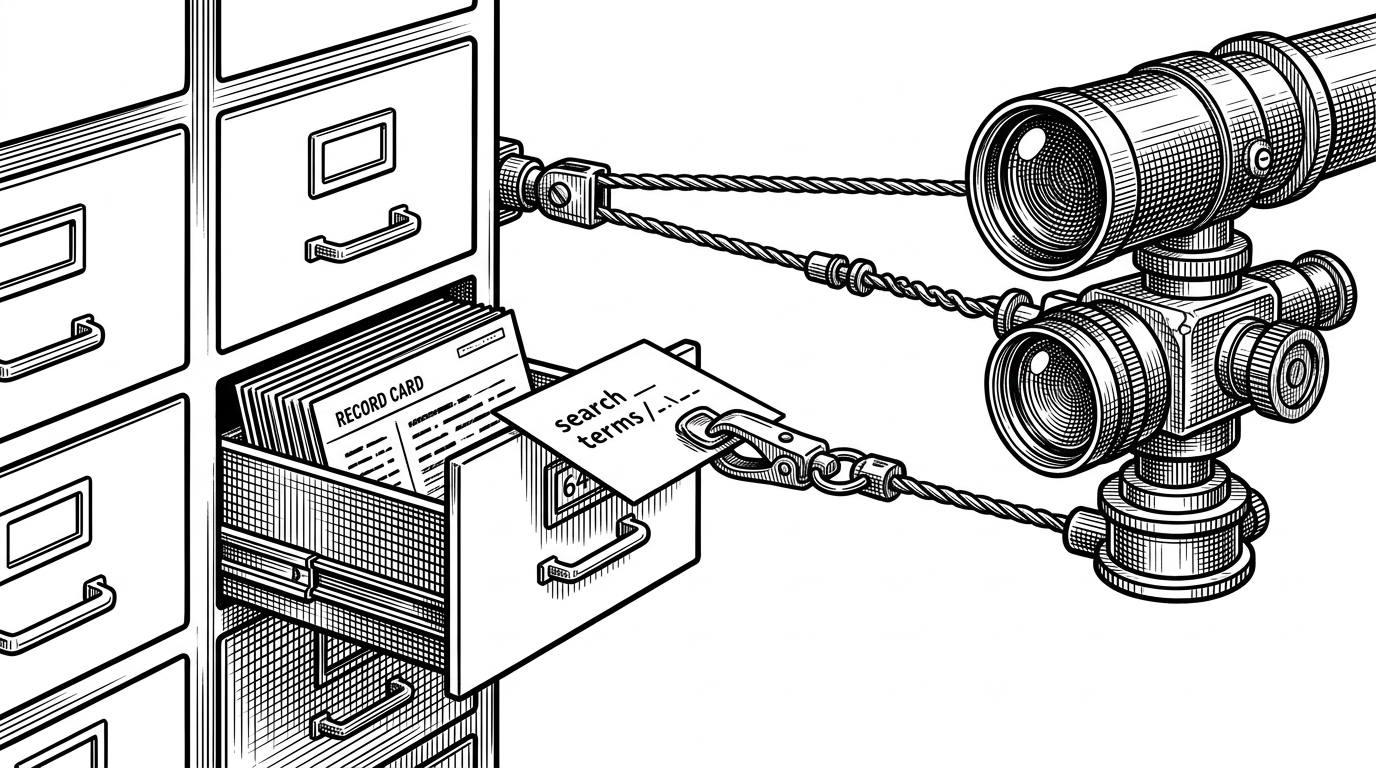
SQLite Wins Here Because It Is Boring
SQLite is the right choice because it removes distractions. There is no cluster to provision, no service to misconfigure, no hidden state in a remote index. The whole world lives in one file, which makes the assignment portable, deterministic, and easy to hand to candidates.
| Option | Why it looks attractive | Why it is weaker here |
|---|---|---|
| Vector-store-first stack | Feels modern and AI-native | Adds moving parts before the candidate proves basic retrieval discipline |
| Custom backend or API | Can simulate production complexity | Makes the test harder to distribute and reproduce |
| SQLite with FTS | Simple, local, and grounded | Forces candidates to demonstrate actual query reasoning |
That simplicity also raises the signal. If someone can build a reliable retrieval workflow in this environment, they are much more likely to handle real company data, where search, joins, and verification all matter at once.
What the Assignment Is Really Measuring
This repo is testing more than SQL syntax. It is testing whether a candidate understands schema awareness, evidence selection, and answer discipline. In other words, can they find the facts first, then use the model second?
| Skill | What good looks like | What bad looks like |
|---|---|---|
| Schema awareness | They know where facts live and how tables relate | They ask the model to guess from memory |
| Hybrid retrieval | They combine search and joins deliberately | They rely on a single retrieval path for everything |
| Verification | They cite and cross-check before answering | They produce fluent but ungrounded output |
That is a stronger hiring signal than asking someone to build a flashy demo. It separates people who can compose a grounded system from people who can only prompt a model into sounding confident.
Why This Matters Beyond One Take-Home
The broader pattern is easy to miss if you only look at the database. More teams are building evaluation environments that are synthetic, bounded, and realistic enough to expose bad habits without requiring production access.
That shift matters. The best interview substrate is not the one with the most data. It is the one that makes the candidate’s judgment visible. This repo does that by turning a fake startup into a controlled retrieval problem.
| Approach | What it optimizes for | How portable it is |
|---|---|---|
| Public benchmark dataset | Standardization at scale | High, but often too generic |
| Live company data | Realism and depth | Low, because access is messy |
| Synthetic startup database | Signal, repeatability, and fairness | Very high, because it is one file |