Chokepoint Atlas Turns Supply-Chain Research Into a Testable System
A Python pipeline that grades evidence, scores bottlenecks, and turns AI infrastructure research into structured artifacts instead of hand-wavy thesis decks.
- Chokepoint Atlas treats research as a credibility pipeline, not a notebook, so every claim passes through an explicit evidence ladder before it becomes a thesis.
- Its real differentiator is not scraping or summarizing, but ranking uncertainty, relevance, and constraint strength into artifacts that can be audited later.
- The repo makes investing behave more like software engineering by separating source handling, scoring, and output generation into distinct steps.
- The result is a workflow that is slower to improvise but harder to hand-wave, which is exactly the point when the market story is the product.
The credibility engine is the product
Most research tools try to answer the question, what does this all mean? Chokepoint Atlas starts one step earlier: how much should we trust this claim at all? That is the project’s sharpest move. It turns source quality into an input, not a footnote.
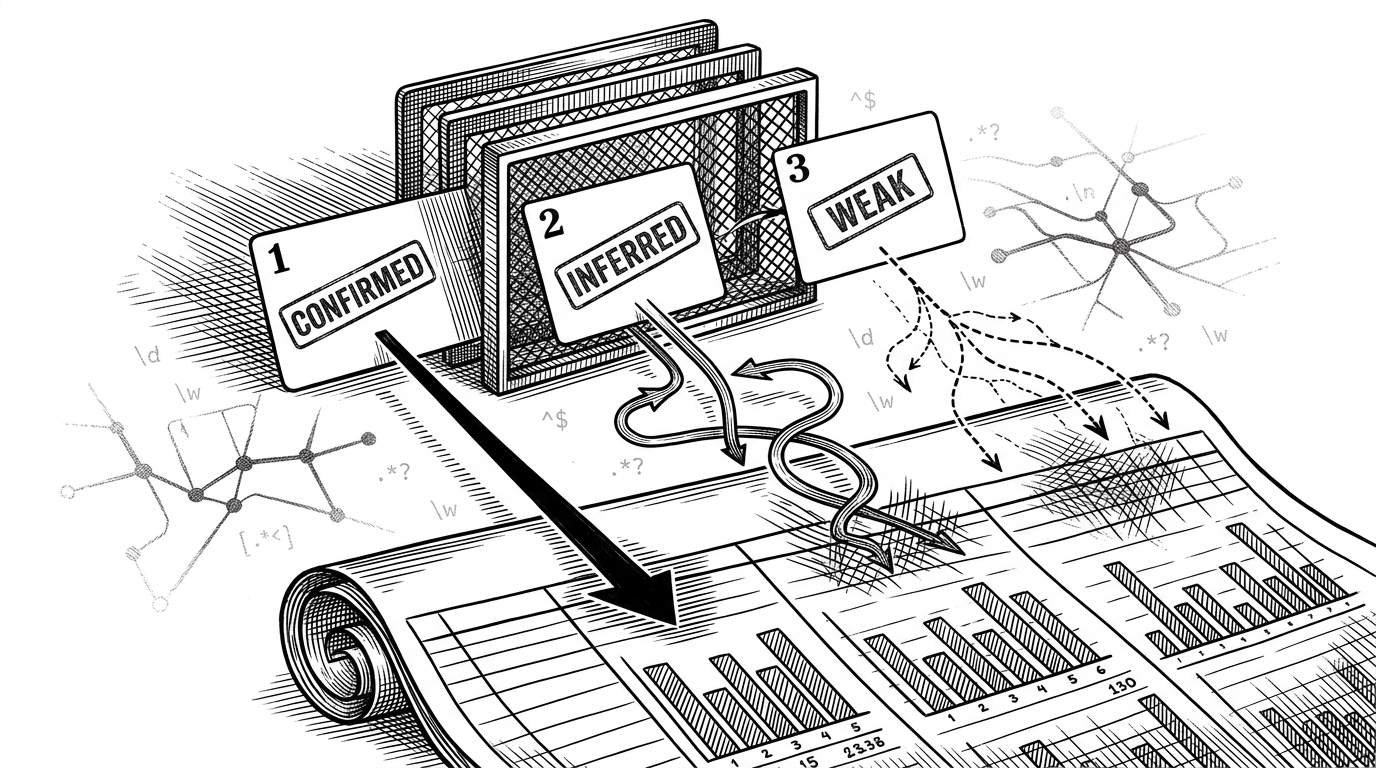
The repo’s evidence ladder, tier rules, and scoring fields make uncertainty explicit. A weak social post, an inferred industry note, and an official earnings release are not treated as equal raw material. They are staged, graded, and routed differently.
Source bundle -> Draft pack -> Research pack -> Artifacts

Tier A / B / C evidence -> signal extraction -> lane scoring -> quick_scan.md

constraint_score + evidence_score + consensus_score + mispricing_score + catalyst_score
Research as code, not research as narrative
The project’s mindset is closer to testing than to storytelling. Instead of asking which narrative sounds best, it asks which claim survives the most evidence checks. That is why the repo feels more like a pipeline than a memo template.
The codebase reflects that separation. Source bundles are not final opinions. They are inputs. Research packs are where validation and scoring happen. Output artifacts are downstream products, not the place where truth is invented.
# Pseudocode from the repo's workflow
source_bundle = load_json("input/source_bundle.json")
draft_pack = extract_sources_to_pack(source_bundle)
research_pack = build_research_pack(draft_pack)
artifacts = generate_artifacts(research_pack)

print(artifacts["quick_scan.md"])
print(artifacts["evidence_memo.md"])
The pipeline that turns noise into a thesis
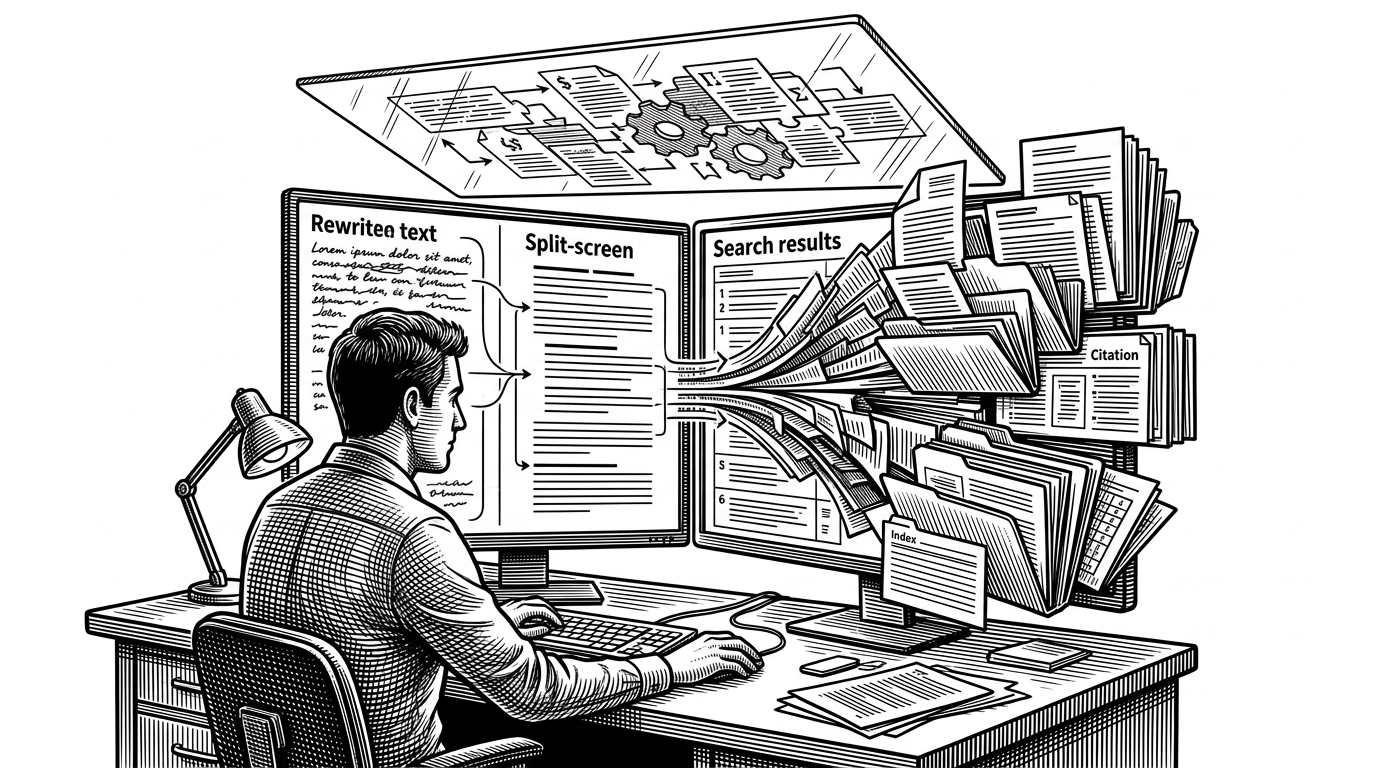
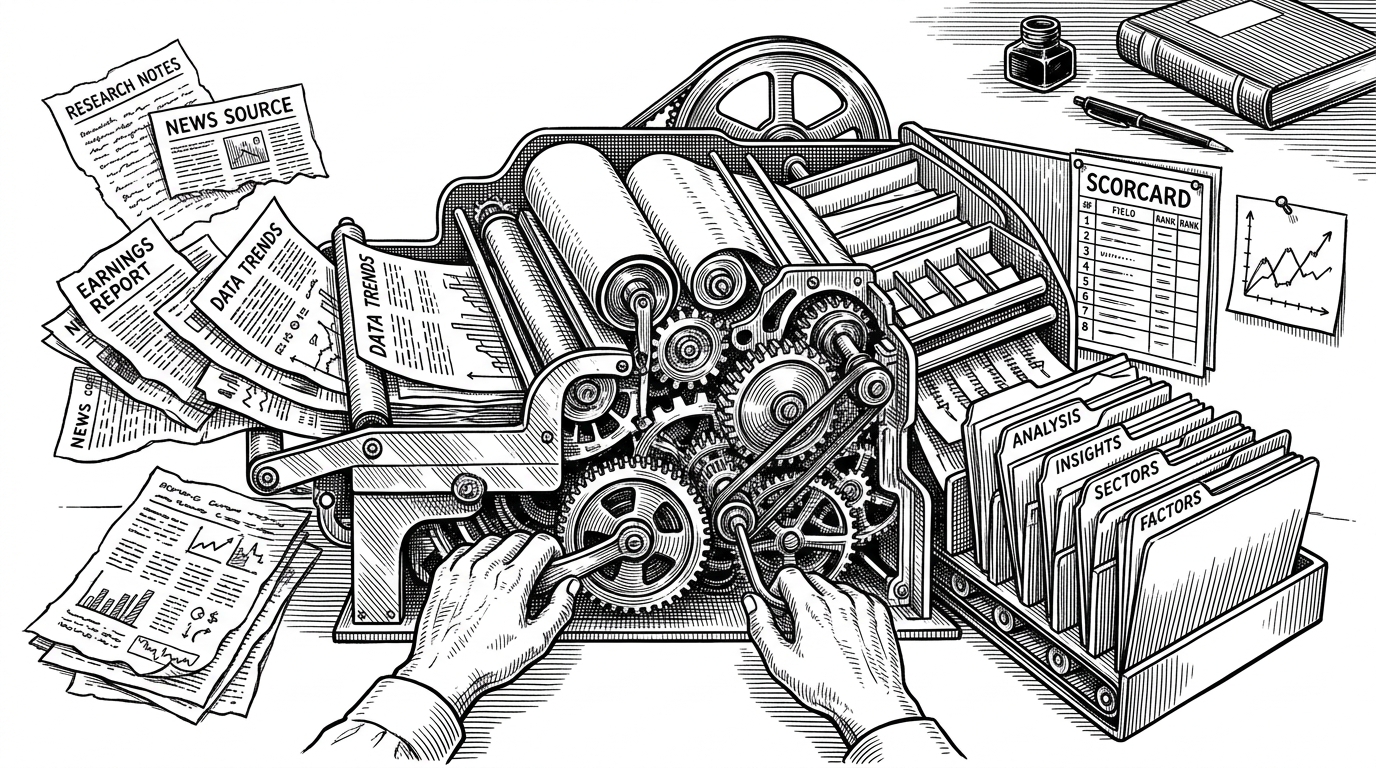
The orchestrator, run_source_pipeline.py, is where the repo becomes legible. It moves through a simple sequence: source bundle to draft pack, draft pack to research pack, research pack to artifacts. That progression sounds ordinary, but it matters because each stage has a different job.
The source stage gathers raw material. The validation stage normalizes and checks structure. The output stage produces things a human can actually use: a quick scan, an evidence memo, a graph file, and an infographic-ready artifact. The thesis is never mixed into the intake layer.
Why the scoring matters more than the scraping
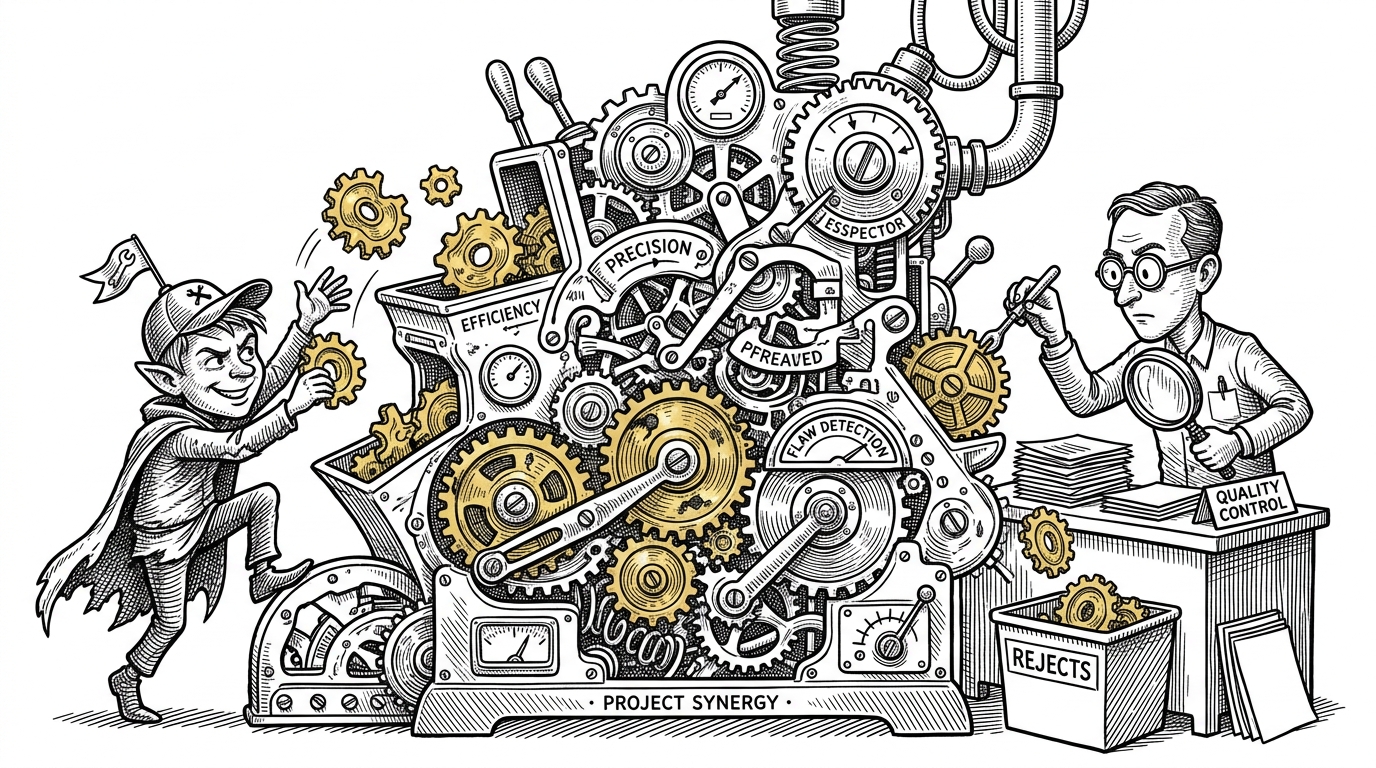
Scraping is easy to fetishize because it looks busy. Scoring is harder to notice because it is just rules. But the rules are the point. Chokepoint Atlas is trying to rank what matters, not pretend every mention is equally useful.
The repo’s tiering and signal extraction logic gives the pipeline a disciplined bias. Official sources, inferred reports, and weak chatter do not all enter the same stream. They are converted into different forms of evidence before the system computes lane priority.
| Dimension | Traditional equity research | Chokepoint Atlas |
|---|---|---|
| Input | Broker notes, calls, and analyst intuition | Structured source bundles with tiered evidence |
| Evidence handling | Narrative-first, often implicit | Explicit grading with tier rules and signal extraction |
| Output format | Thesis decks and memos | Quick scans, evidence memos, graphs, and infographics |
| Confidence model | Mostly qualitative | Scored across multiple fields |
| Update speed | Slower and manual | Faster once the schema is in place |
| Auditability | Depends on the analyst | Built into the workflow |
That difference changes the research posture. A weak source can still matter if it clusters around a strong signal, but the system knows to keep that distinction visible. It is a ranking machine, not a belief blender.
The weirdly important output: designed visuals
A lot of research tools stop at text. This repo does not. With generate_infographics.py and Pillow, presentation becomes a build artifact. That is a bigger deal than it sounds, especially for analysts who publish, post, or brief executives.
The visual layer means the workflow does not end when the thesis is drafted. It ends when the insight is packaged well enough to travel. In practice, that makes the repo useful for people who need to explain their work, not just produce it.
What this replaces
The closest comparison is not another AI agent project. It is the traditional analyst workflow. Chokepoint Atlas replaces a loose sequence of reading, note-taking, and narrative assembly with a machine that enforces structure before conviction.
That also makes it a better foil to generic LLM summarizers. Summarizers reduce text. This repo classifies evidence, scores constraints, and emits durable research objects. The difference is operational, not cosmetic.
| Task | Traditional workflow | Generic LLM summarizer | Chokepoint Atlas |
|---|---|---|---|
| Collect evidence | Manual and fragmented | Aggregated text ingestion | Structured source bundle |
| Judge reliability | Implicit judgment | Often flattened | Tiered credibility stack |
| Rank importance | Analyst intuition | Summary-level emphasis | Field-level scoring |
| Produce artifacts | Slides and notes | A summary paragraph | Research pack plus visuals |
| Reuse later | Hard to audit | Hard to verify | Designed for repeatability |
The limits
This is still a heuristic system. That is not a flaw to hide. It is the boundary to respect. The repo is strong at structure and weak at truth by itself, which means human judgment still has to close the loop.
That tradeoff is honest. A pipeline can discipline conviction, but it cannot replace domain knowledge. Chokepoint Atlas does the important middle work: it makes it harder to confuse confidence with evidence.