The End of the DIY RAG Script: Inside langflow-ai/openrag
How a unified stack of Docling, OpenSearch, and Langflow is turning semantic search into a plug-and-play agentic tool.
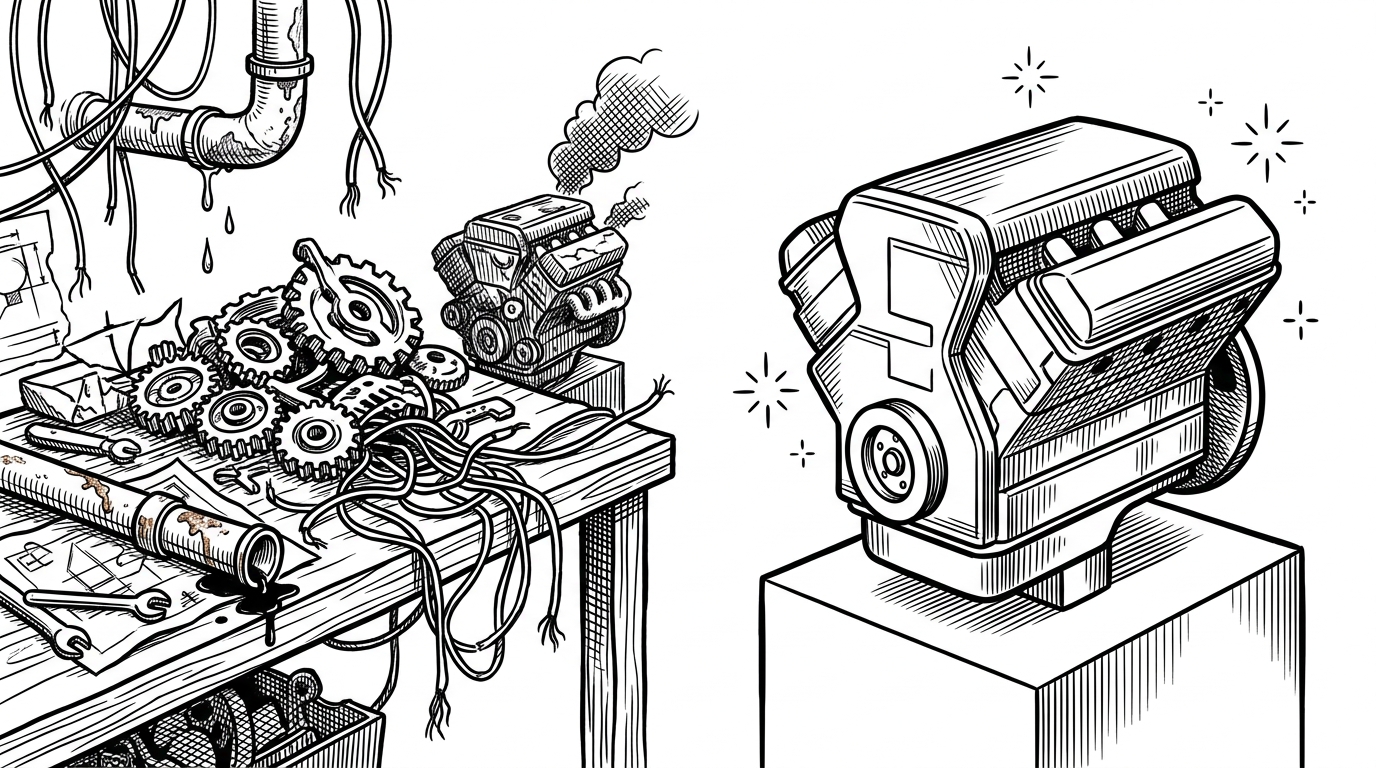
- OpenRAG collapses the fragmented AI retrieval stack into a single deployment command.
- The architecture shifts from linear pipelines to cyclic loops by treating search as an MCP-enabled tool for autonomous agents.
- Langflow JSON files replace hardcoded Python routing logic, decoupling backend execution from business rules.
- Its multi-modal OpenSearch layer dynamically maps fields to store parallel embeddings for robust hybrid search.
The Integration Era of AI
For the past two years, developers have been duct-taping together PDF parsers, vector databases, and orchestration libraries to build basic AI search. The era of the DIY RAG script is ending. OpenRAG represents the commoditization of this stack by bundling IBM's Docling, OpenSearch, and Langflow into a cohesive engine.
uvx openragOne command:`uvx openrag`. No ad-hoc integrations. No vendor lock-in.
Search as a Tool, Not a Pipeline
The real technical surprise is not just the bundling. It is the architectural shift from linear retrieval pipelines to treating search as a dynamic, MCP-enabled tool. Traditional RAG is a linear flow from query to generation. OpenRAG uses the Model Context Protocol to give an LLM agent agency over OpenSearch. The agent can search, evaluate the results, and decide if it needs to search again or use a calculator.
The Heavyweight Data Layer
While many open-source RAG projects use lightweight databases like Chroma or Pinecone, OpenRAG relies heavily on OpenSearch. The codebase reveals why. The opensearch_multimodal.py implementation dynamically maps fields to store embeddings from multiple models for the same document. This enables parallel embeddings from OpenAI and Ollama to exist in one index for complex hybrid search.
Logic as Data
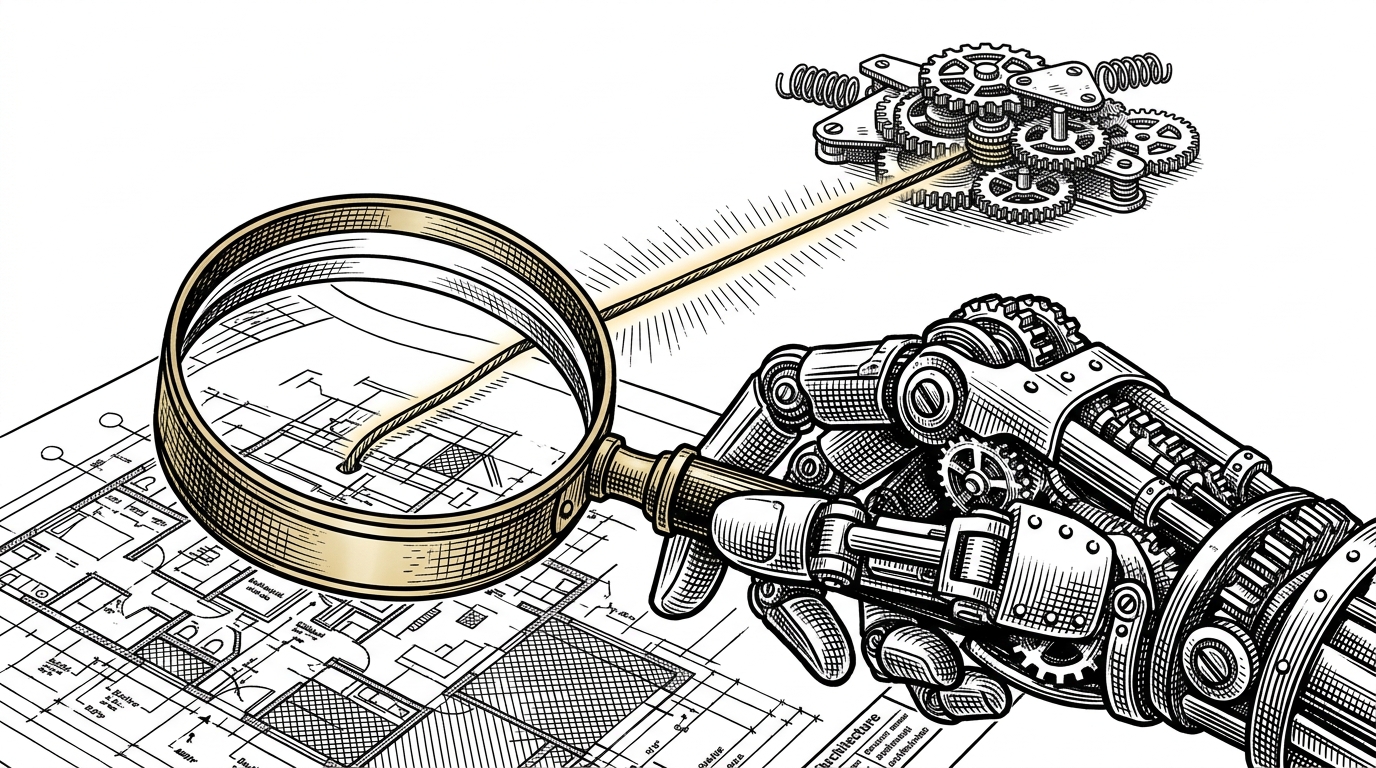
The project treats logic as data. Instead of hardcoding routing and ingestion logic in Python, OpenRAG relies on JSON files generated by Langflow. The flows directory acts as the brain of the system. This decouples the backend execution from the business logic, enabling visual programming for enterprise backends.
The Sovereign RAG Stack
OpenRAG positions itself uniquely in the market. It offers the ease of a managed service without the per-query billing or vendor lock-in, while avoiding the maintenance nightmare of a custom script.
| Feature | DIY Script | Managed RAG | OpenRAG |
|---|---|---|---|
| Deployment Time | Days or Weeks | Minutes | Minutes |
| Orchestration | Hardcoded Python | Black Box | Visual JSON Flows |
| Vector Store | Chroma or FAISS | Pinecone or Weaviate Cloud | OpenSearch |
| Document Parsing | PyPDF or Unstructured | Proprietary | IBM Docling |
| Cost Model | Free but high maintenance | Per-query billing plus lock-in | Free and Self-hosted |