dify-docs-archived: The docs repo that learned to police itself
Inside Dify’s archived GitBook, where bilingual docs, screenshot-heavy tutorials, and an AI-backed PR check turned documentation into infrastructure.
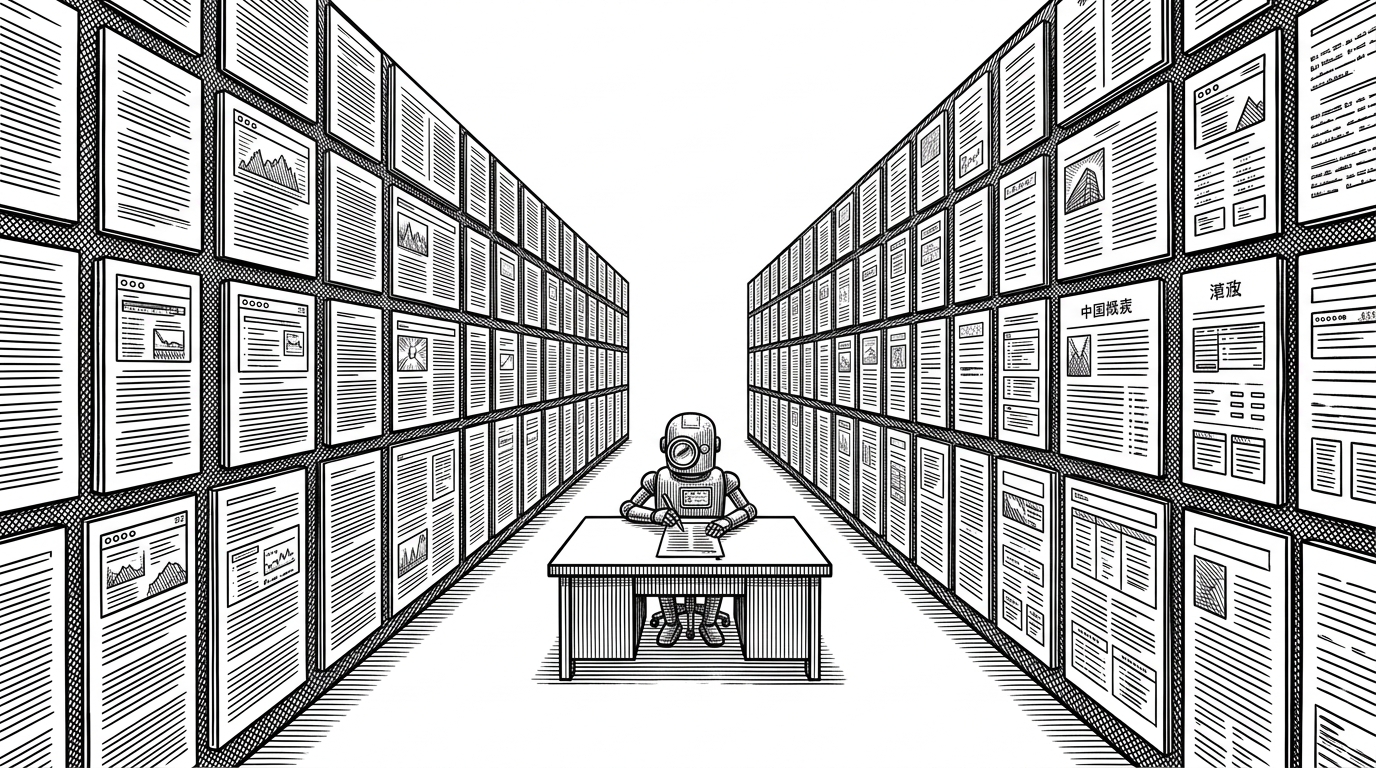
- Dify’s archived docs repo shows documentation treated as production infrastructure, not as a side project.
- The most striking feature was not the page layout, but the PR gate that used Dify’s own API to review documentation changes.
- A mirrored English and Chinese tree plus hundreds of visual assets made the docs easier to navigate, but harder to sustain.
- The move to Mintlify turns the archive into a snapshot of an earlier documentation model, not a dead end.
The surprising part is the gate, not the graveyard
Most archived documentation repositories are useful only as receipts. This one is different. It was the public face of a fast-moving LLM platform, and it behaved like part of the product stack, with checks, scripts, and a release discipline that looks more like engineering than publishing.
That matters because Dify was not documenting a static API. It was explaining a system for building LLM apps, workflows, and retrieval pipelines, where a bad sentence can be as damaging as a bad config. The docs repo had to stay clear, bilingual, visual, and current, or the product itself got harder to adopt.
The archive says this was always meant to move
This repository now serves as the codebase for Dify’s legacy help documentation.
We have migrated the dify-docs project to a new framework for better maintainability, readability, and community collaboration.
For any new contributions, suggestions, or documentation updates, please submit them to the new repository: dify-docs-mintlify.
The README is unusually explicit for an archived repo. It does not pretend the old structure is still the future. It marks the handoff, names the successor, and leaves behind a reference copy for anyone who needs to see how the documentation used to work.
That makes the repository valuable in a different way. It is not only a docs site. It is a migration record, a frozen snapshot of the content, tooling, and maintenance model that supported Dify before the move to Mintlify.
Dify used its own machinery to judge its own prose
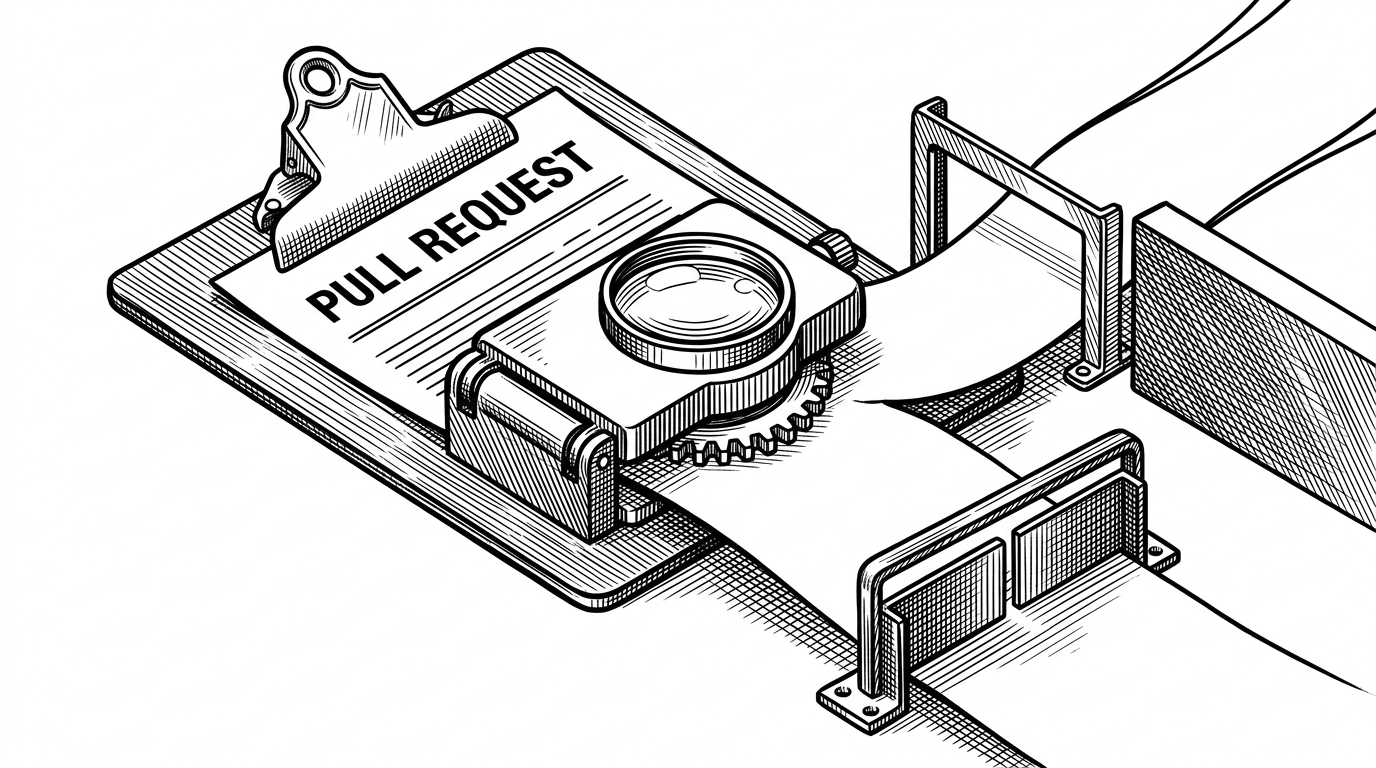
The most interesting file in the repo is the validation workflow, .github/workflows/lang-check.yml. On pull requests that touch Markdown, it runs a custom diff script and appears to call a Dify API key, which suggests the platform was being used to inspect documentation changes semantically, not just syntactically.
That is the real differentiator. Traditional docs linting catches style drift. This pipeline tries to catch meaning drift. It is a small but telling example of dogfooding in the GenAI era: the product is not only described by the docs, it is enlisted to help maintain them.
The repository structure reinforces that idea. Shell scripts handle the glue, Python handles internal tooling, and GitHub Actions acts as the gatekeeper. In other words, the docs site was run like a service, with validation logic sitting around the content instead of after it.
The bilingual tree and the screenshot wall did the heavy lifting
The folder layout tells you a lot about the audience. English and Chinese content lived side by side, and the asset library was huge. That combination signals a documentation strategy built for reach and clarity, not minimalism.
This is where the repo earns its keep as a design object. Complex LLM tooling is easy to over-explain and easy to under-explain. Dify chose a visual-first path, using dense screenshots and step-by-step assets to make workflows like RAG, apps, and orchestration easier to follow.
The trade-off is obvious. Visual docs are labor-intensive, especially across two languages. But for a product this intricate, the cost buys comprehension, and comprehension buys adoption.
What the archive looked like next to the field
| System | Best at | Trade-off |
|---|---|---|
| Archived GitBook repo | Bilingual, screenshot-heavy product docs with custom validation | Harder to maintain at scale, especially as the product and site evolve |
| Mintlify successor | Cleaner maintainability and easier ongoing collaboration | Requires migration and a new content model |
| Docusaurus | Flexible open-source documentation with strong React control | More setup work than a hosted docs platform |
| MkDocs | Simple Markdown publishing with low operational overhead | Less tailored for highly interactive product docs |
The point is not that one framework won. The point is that Dify outgrew one documentation shape. The archive captures an era when the docs had to carry both teaching burden and operational burden, and that is a heavier job than simply hosting pages.
Seen that way, the repository is useful even in retirement. It shows how an open-source AI product can treat documentation as part of its system design, then later move to a lighter framework once the content and community mature.