`ljg-explain-concept`: The Claude Code skill that compiles a word into insight
Inside a prompt system that fan-outs across eight lenses, then compresses everything into one epiphany, one formula, and one org-mode note.
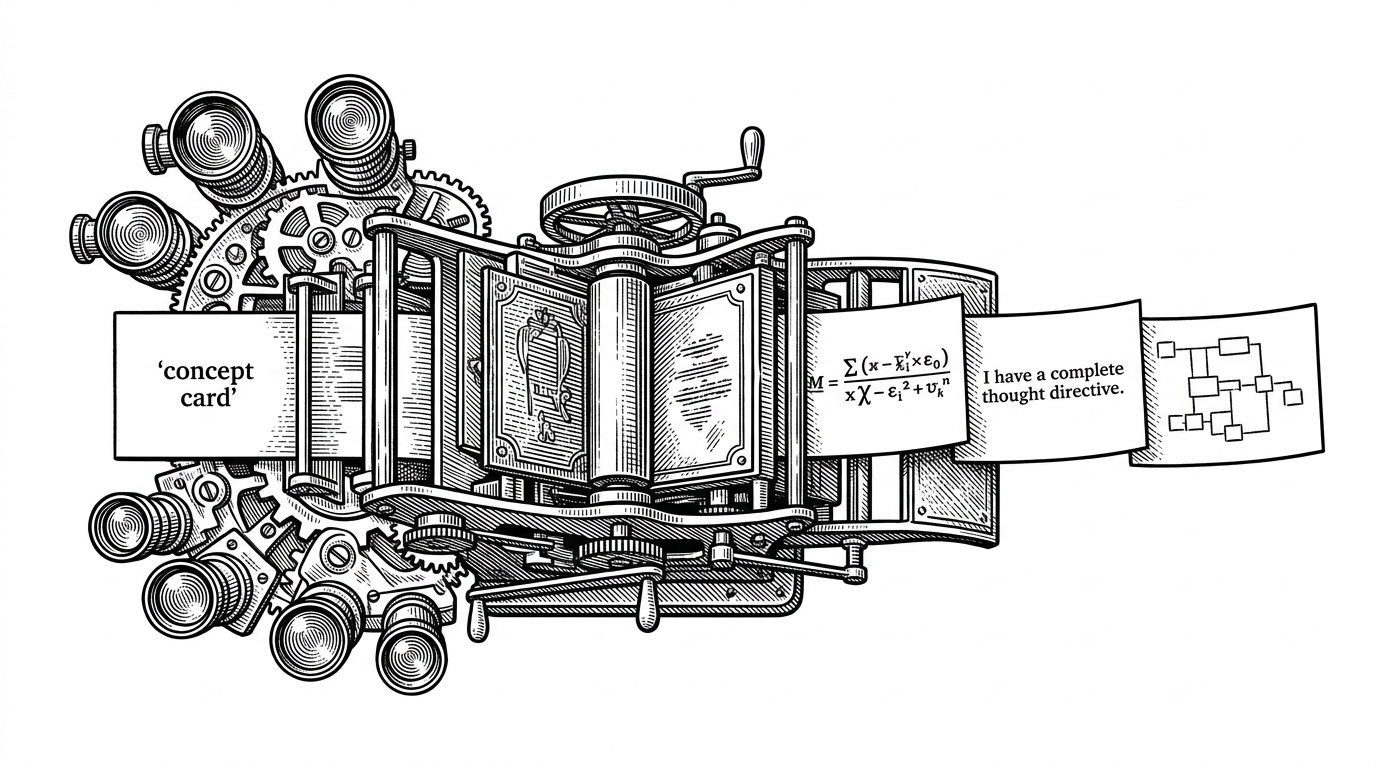

Claude Code skill: 8-dimensional concept anatomist. Deconstructs any concept into epiphany.
- `ljg-explain-concept` treats explanation as a compression problem, not a verbosity problem.
- The eight lenses matter because they force the model to resolve tension before it settles on a note.
- `org-mode` and basic ASCII make the output portable enough to drop straight into a local knowledge base.
- The repo's real product is a reusable artifact that survives after the conversation ends.
Most explanation tools try to add more detail. ljg-explain-concept does the opposite. It takes a single word, forces it through eight conflicting lenses, and then strips the result down to a formula, a sentence, and an ASCII topology. That is why the repo reads less like a prompt and more like a conceptual compiler.
A concept becomes a specimen
The skill assumes the target is not a topic to summarize but an object to inspect. The input is one concept, and the output is meant to live in a local note file, not in chat. In that sense, the repo is tuned for capture, not conversation.
That framing matters. The article the skill produces is not an essay. It is an artifact you can reopen, search, and reuse later. The whole design pushes the model toward a saved object, not a one-off answer.
The eight lenses that make the model argue with itself
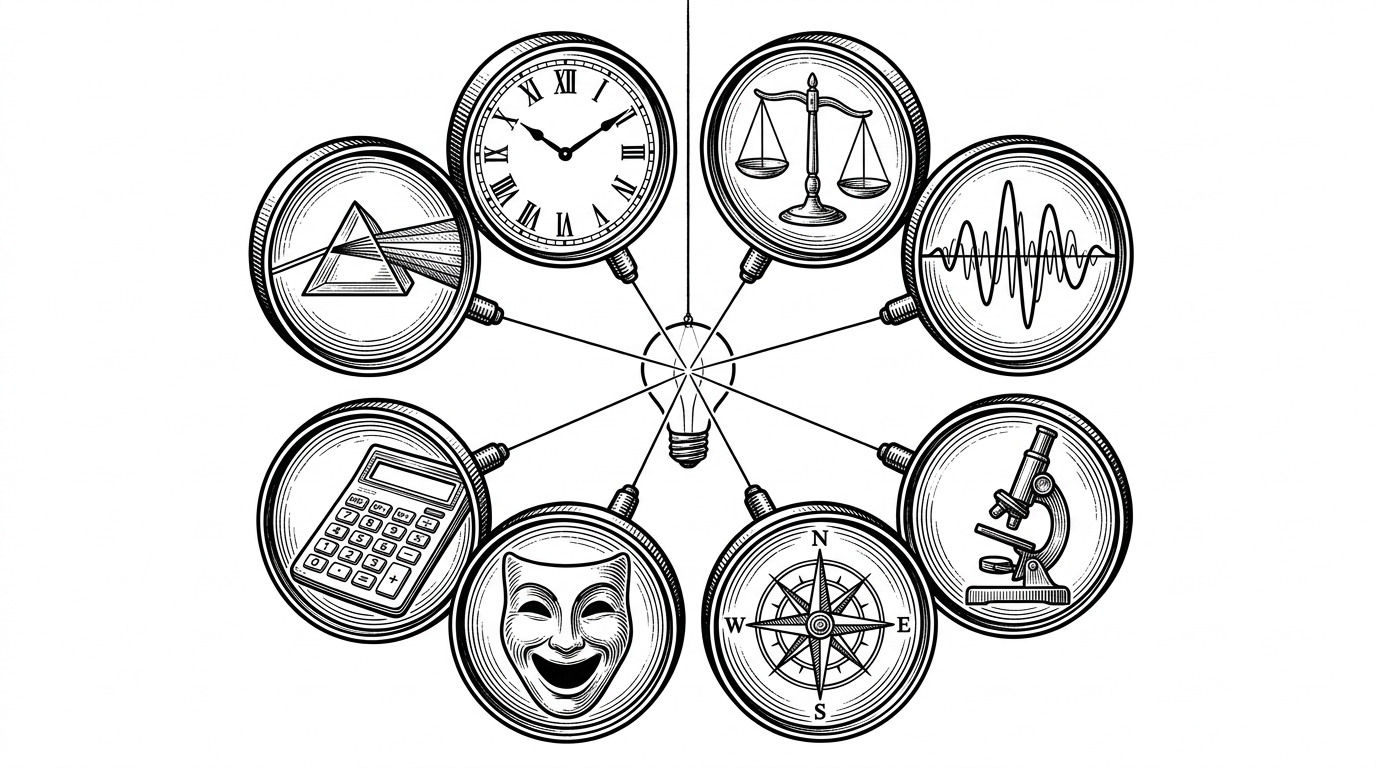
This is the trick: the lenses are not there to broaden the answer. They are there to make shallow certainty hard. History, language, mathematics, phenomenology, aesthetics, and existential framing pull in different directions, so the model has to synthesize instead of coast.
Compression is the invention
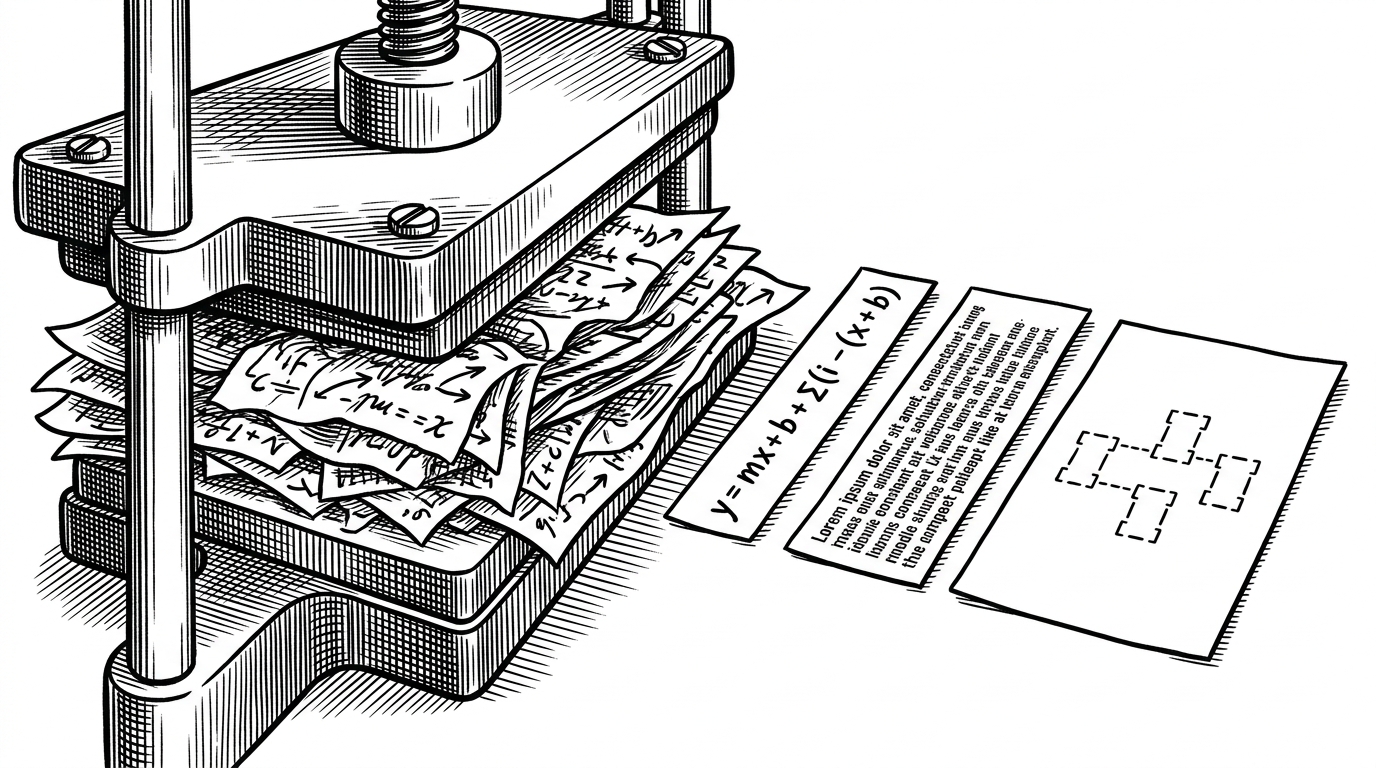
The interesting move comes after expansion. Instead of stopping at a rich pile of observations, the skill compresses them into three dense outputs: a formula, a Feynman-style sentence, and an ASCII topology map. That is the repo's invention. It treats compression as a creative act, not a cleanup step.
The destination is an org-mode file in ~/Documents/notes/. That matters because the output lands in a format built for outline thinking, quick scanning, and later reuse. The note is supposed to look like something you would actually keep.
* entropy
:PROPERTIES:
:TYPE: concept-anatomy
:END:
- One formula: ...
- One sentence: ...
- One ASCII topology:
  + concept
  |-- history
  |-- language
  `-- form
Why org-mode and ASCII are not incidental
The file format is part of the philosophy. org-mode turns the result into a living note instead of a screenshot. Basic ASCII topology keeps the shape readable anywhere, which is a quiet but serious compatibility decision.
| Axis | Generic 'Explain X' prompt | `ljg-explain-concept` |
|---|---|---|
| Input shape | A broad question that invites a broad answer | One concept pushed through a staged analysis pipeline |
| Reasoning style | Usually one-pass and linear | Eight lenses create tension before synthesis |
| Output shape | A long explanation | A formula, a sentence, an ASCII topology, and an org note |
| Storage | Chat transcript | Local note in `~/Documents/notes/` |
| Best use | Quick clarification | Deep capture for PKM and later reuse |
| Failure mode | Verbose but shallow | Can feel over-designed if you only want a definition |
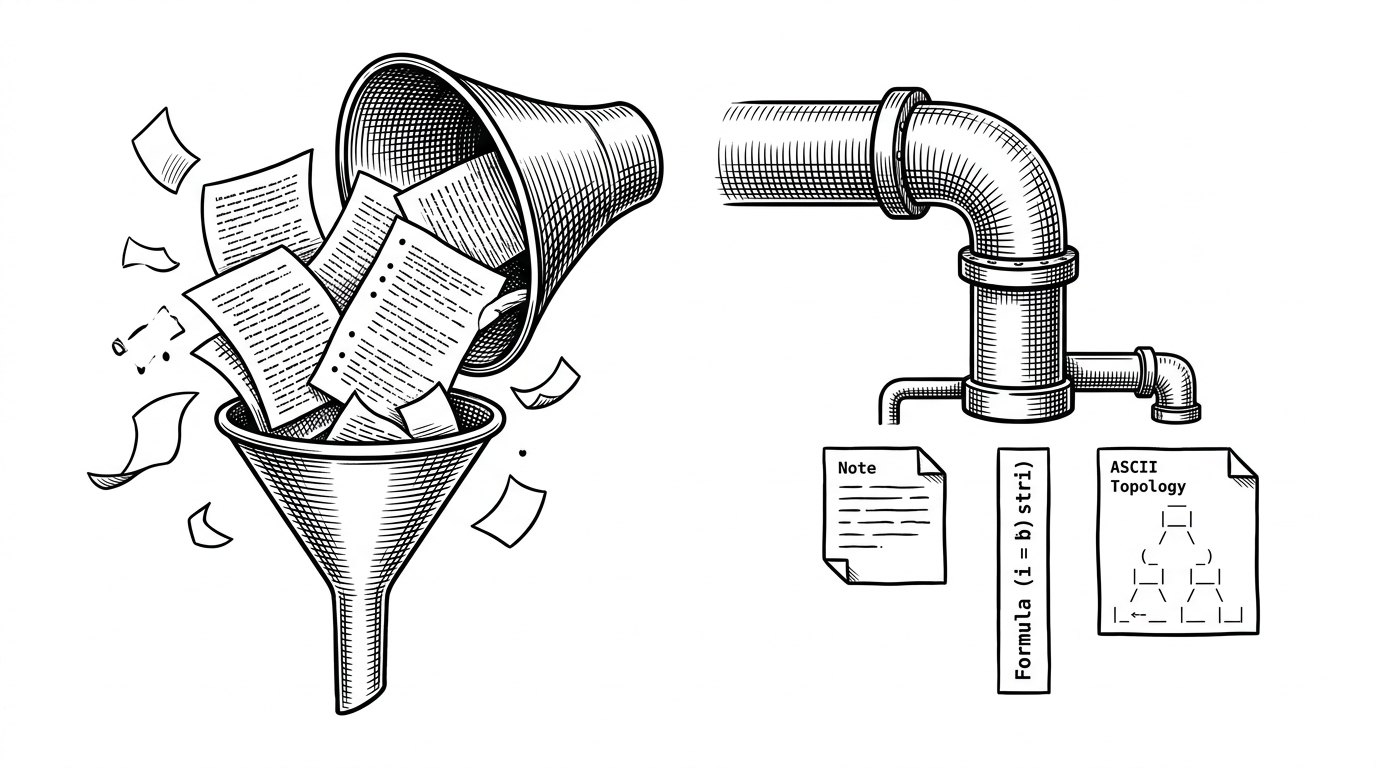
This is why the repo feels more like a pipeline than a prompt. It asks the model to do the hard part twice, first by expanding the field and then by collapsing it into an object you can keep. That is a very different bargain from ordinary prompting.
Who built it, and why the ecosystem matters
Li Jiguang's broader Claude Code skill set makes the pattern feel less like a one-off trick and more like a product family. ljg-explain-concept is the compact version of that thinking. It is a workflow you install, not a paragraph you copy.